110IN Couch Sets: how they fit your living room

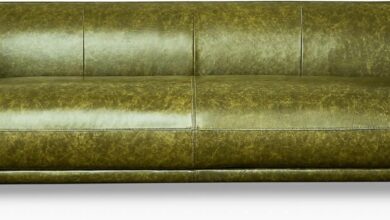
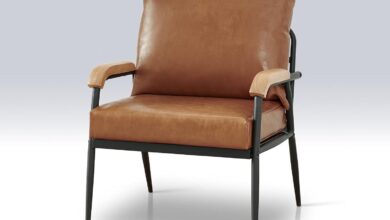
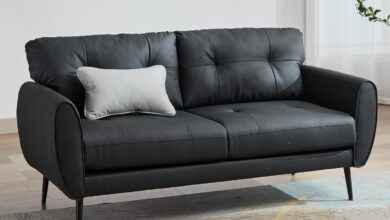
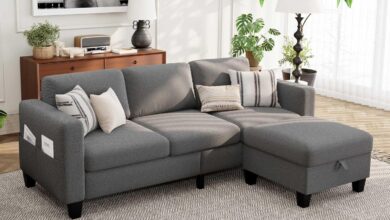
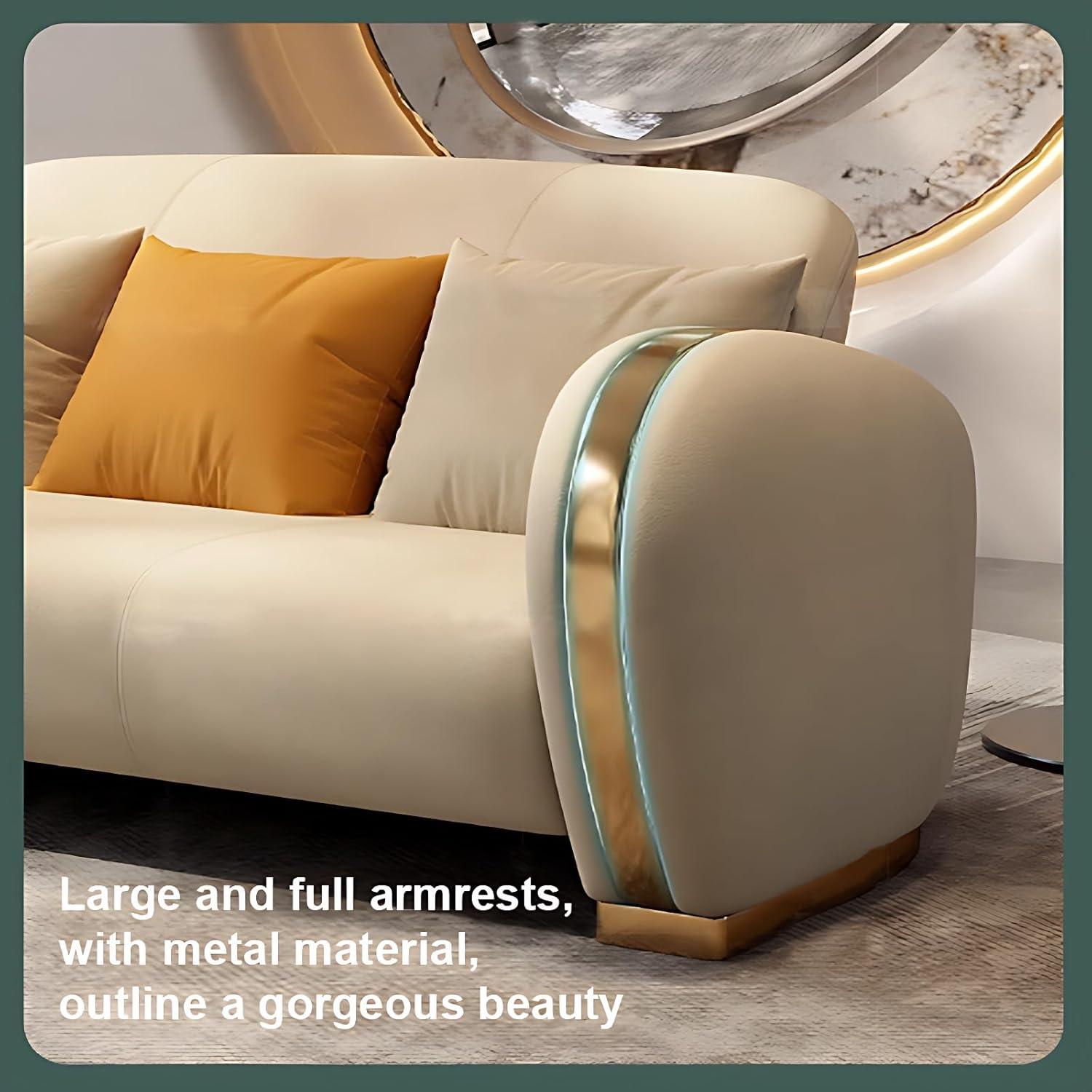
Sunlight lifts a soft sheen off the leather, and when you rest your palm on the wide armrest it gives with a quiet, springy resilience. The 110IN Couch Sets—call it the 110IN sectional—reads as a broad, curved presence in the room, the metal accents catching the light like small punctuation marks.From where you stand the seating looks generous and low-slung; the coffee table slots neatly into the arrangement,keeping the whole composition from feeling fussy. Up close the cushions push back with a buoyant firmness and the leather feels cool at first, then settles into a lived-in warmth under your touch.
A first look at the full length modern sectional set that fills your living room and office

When you first walk into a room with this full‑length sectional in place, it quickly becomes the organizing element rather than just furniture. The continuous horizontal line draws the eye along the longest plane of the space, so windows, rugs and media centers read against it; you notice where the seating ends and the rest of the room begins. Up close, the run of cushions creates a long surface for spreading out or for multiple people to sit without shifting pieces around, and in a combined living/office layout it often reads as both a lounge and a low divider between zones. That same length also affects how you move: stepping around the ends, ducking between a desk and the arm, or angling a coffee table to suit the sweep of the couch are all small, habitual adjustments people make when a sofa occupies a large horizontal footprint.
- Visual anchor: the sectional tends to fix attention and gives the room a clear focal band.
- Zone definition: it frequently enough delineates work and leisure areas without additional screens or shelving.
- Circulation impact: pathways and minor furniture placements shift to accommodate the sofa’s run.
| Observed placement | Typical effect |
|---|---|
| Against a long wall | Creates a continuous backdrop for artwork or shelving |
| Floating in the middle | Defines a seating island and separates traffic lanes |
In everyday use you’ll find small habits forming around the sectional: a preferred seat near the armrest, a tendency to angle a laptop on the ottoman, or sliding a side table in for drinks. These kinds of interactions reveal how the length shapes routines and room flow, and they can make the space feel settled or require occasional tweaks to keep movement smooth.
What catches your eye in the room, from lines and color to how the pieces sit together
When you first scan the room your eye moves along the strongest contrasts: the main silhouette against the wall, any abrupt seams or arm profiles, and the way color fields meet the floor and rug. Shadows emphasize the couch’s edges and the stitching lines create a subtle rhythm that guides your gaze across seats and backrests.Small details catch attention too — the glint of a metal trim, a darker seam, a slightly lighter cushion — and they work like punctuation, breaking up broad expanses of fabric so the overall shape reads less monolithic. In most cases the color behaves as a backdrop: it either settles quietly so other elements stand out, or it asserts itself and pulls focus toward the seating cluster.
The way the pieces sit together defines movement through the space: the coffee table forms an anchor point, chairs or a chaise create conversational pockets, and the spacing between them invites you to angle a throw or lean a pillow into a gap. You’ll notice how the arm profiles frame sightlines, how low seats open up the room, and how small offsets — a millimetre’s misalignment after a weekend of guests — make the arrangement feel lived-in. Below are a few quick visual cues that tend to shape the scene:
- Silhouette vs.negative space: emptier zones make the set read as sculptural; tighter groupings make it read as an intimate island.
- Accent reflections: metallic or glossy bits pick up daylight and lead the eye along a path.
- Visual center: the coffee table or central seat usually becomes the room’s focal hub.
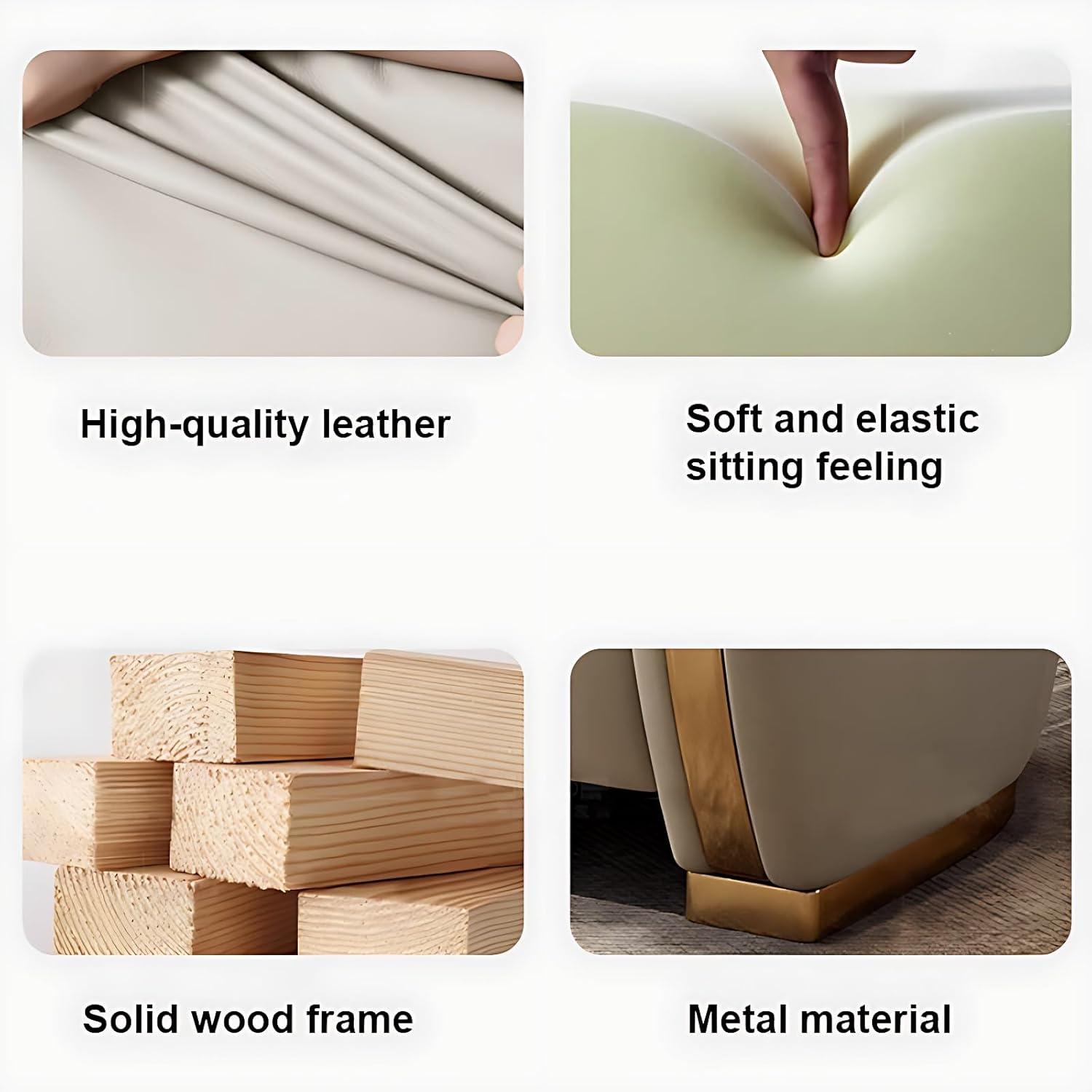
What the materials tell you when you run your hand over the fabric and inspect the frame
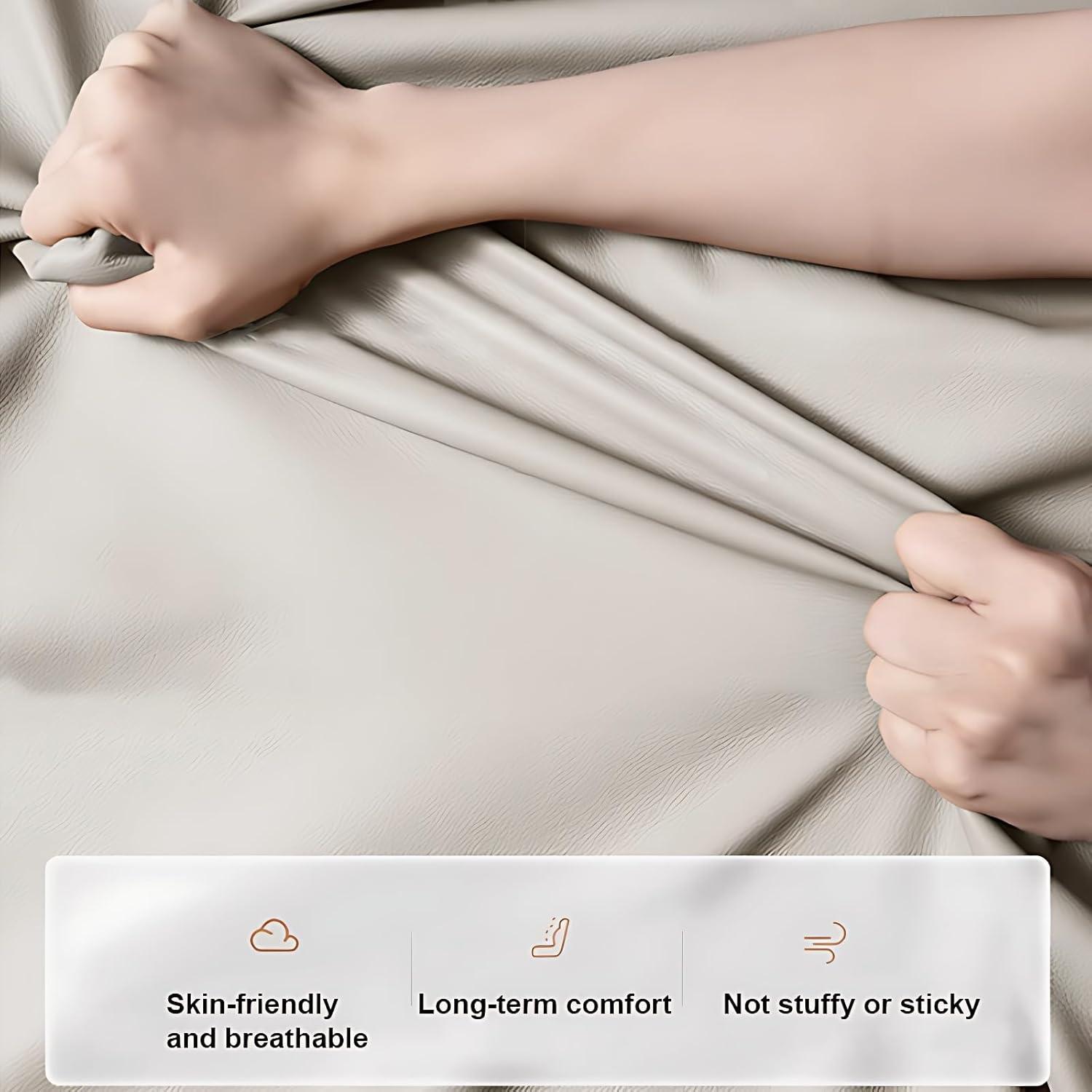
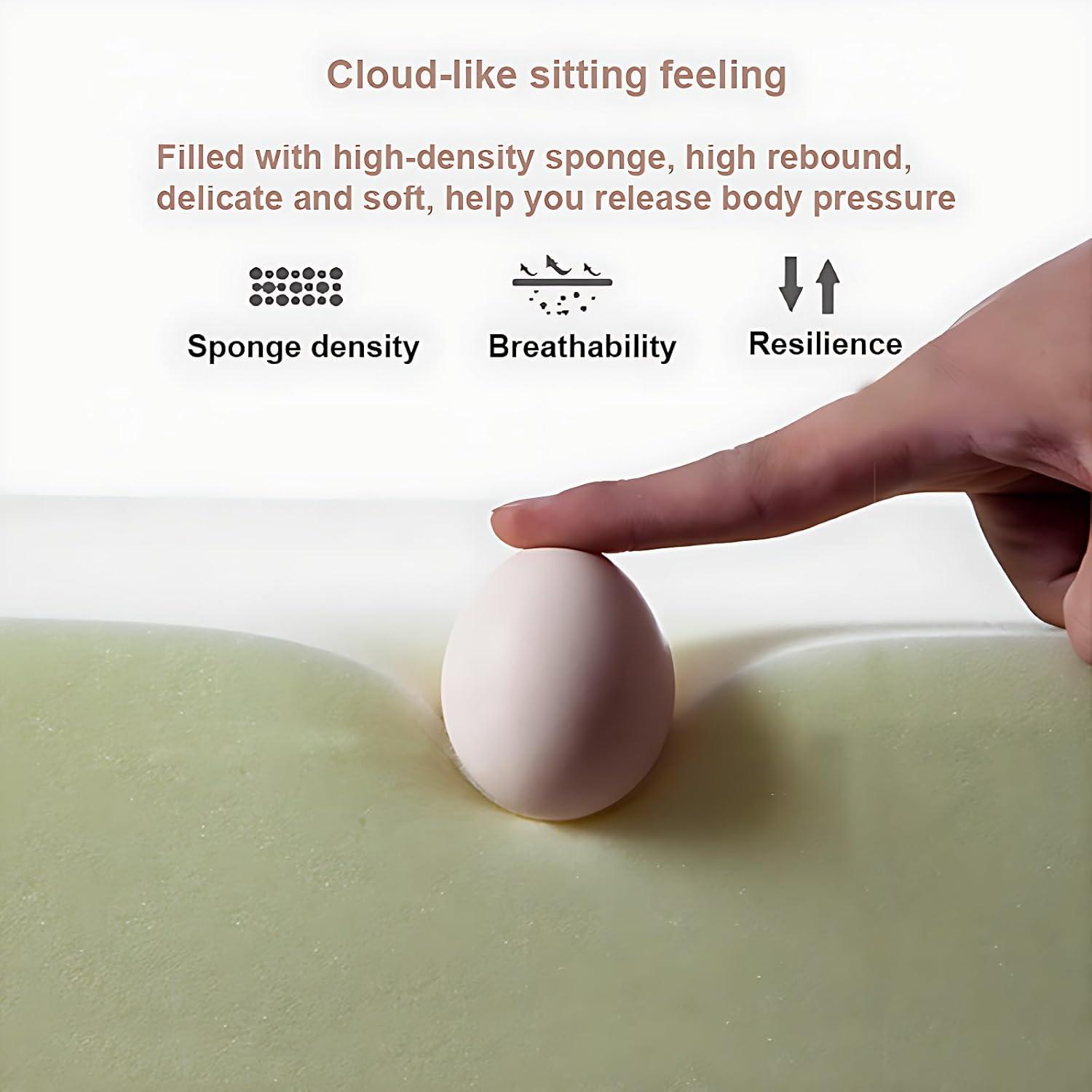
When you run your hand over the upholstery the first things you notice are temperature and texture: the surface can feel cool and slightly slick at first, then the grain or nap becomes more apparent as you stroke across it. Your fingers pick up on raised seams and piping along the arm and cushion edges; where the fabric meets a corner the material tends to sit a little taut, and any stitching or topstitching is obvious to the touch. Pressing the seat and back cushions in a couple of places shows how the filling responds — a quick, springy rebound in the center, firmer resistance at the perimeter where the cover is pulled tighter. Small, everyday interactions show up too: zippers hidden under flaps, cushion covers that shift a little when you slide your hand beneath them, and the occasional faint texture from the underlying webbing or seam allowances.
- Surface feel: initial coolness, then grain or slight nap as you move your hand.
- Seams & stitching: raised seams and piping are easy to locate by touch.
- Cushion give: center rebound vs. firmer edge tension.
When you inspect the frame you move from sensory detail to structural cues: pressing down on an armrest or leaning into a corner reveals how tightly components are joined, and a subtle creak or wobble is easy to detect with a firm hand. Lift a corner to look underneath and you can feel whether legs are bolted to a metal plate or simply screwed into particleboard, and the presence of felt glides or plastic caps tells you what the piece will do on hard floors. The metal fittings feel cold and smooth, and welds or mounting plates are often noticeable by touch; exposed wood members show glue lines, brad holes or corner blocks where reinforcement is concentrated.
| Tactile cue | What it indicates |
|---|---|
| Firm, even resistance under hand | Consistent framing and tightly secured upholstery |
| Localized give with quick rebound | Foam or high-elasticity filling with supportive structure |
| Audible creak or loose movement | Areas where joints or fasteners may be under stress |
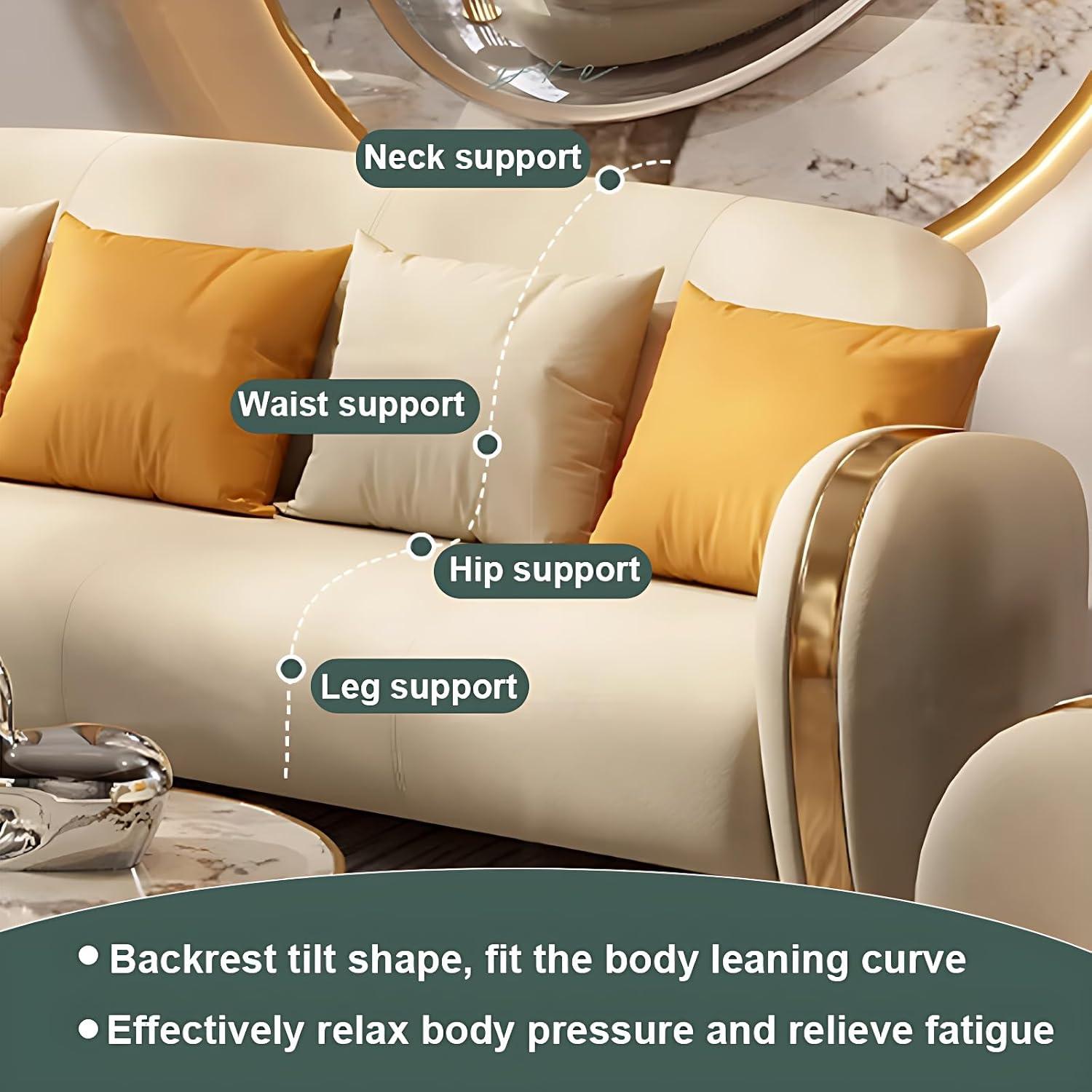
How the seating feels when you sit down and how the layout moves through your space
When you sit down the initial impression is less about a single sensation and more about small, sequential cues: the way the seat top gives under your weight, the backrest meeting your shoulder blades, and the armrest landing at your elbow. You’ll likely notice a quick rebound from the cushions as you shift, and the seat edge tends to feel a little firmer than the middle, so sliding forward to stand up is straightforward. Routine movements—tucking a knee up, leaning into an armrest while reading, or scooting back to stretch—happen without fuss; the pieces allow those tiny, habitual adjustments without forcing you into a single posture. Over time the cushions settle in familiar spots, which changes how the sofa cradles you on subsequent sits.
The arrangement guides how people move through the room and how you use the space: orientations create clear entry and exit lanes, chaises or corner modules point sightlines toward a focal wall, and an isolated chair or ottoman becomes something you drag into the conversation. A few typical movements you’ll make around the set include:
- Entry path — walking around the outer edge rather than cutting through the seating area;
- Conversation pivot — rotating your body or shifting a cushion to face someone across the room;
- Temporary reconfigure — pulling a piece slightly forward to make more legroom or to reach the coffee table.
| Layout move | Effect on room flow |
|---|---|
| Chaise aligned along a wall | Opens central circulation, creates a lounging nook |
| Corner configuration | Defines a cozy zone, narrows walking passages |
| Separating a module | Introduces flexible seating and occasional pathways |
These observations reflect how the set behaves in daily use: small adjustments are normal, and the pieces tend to shape both your physical comfort and the way people naturally move through the room.
How it measures up to your expectations and the limits of your space
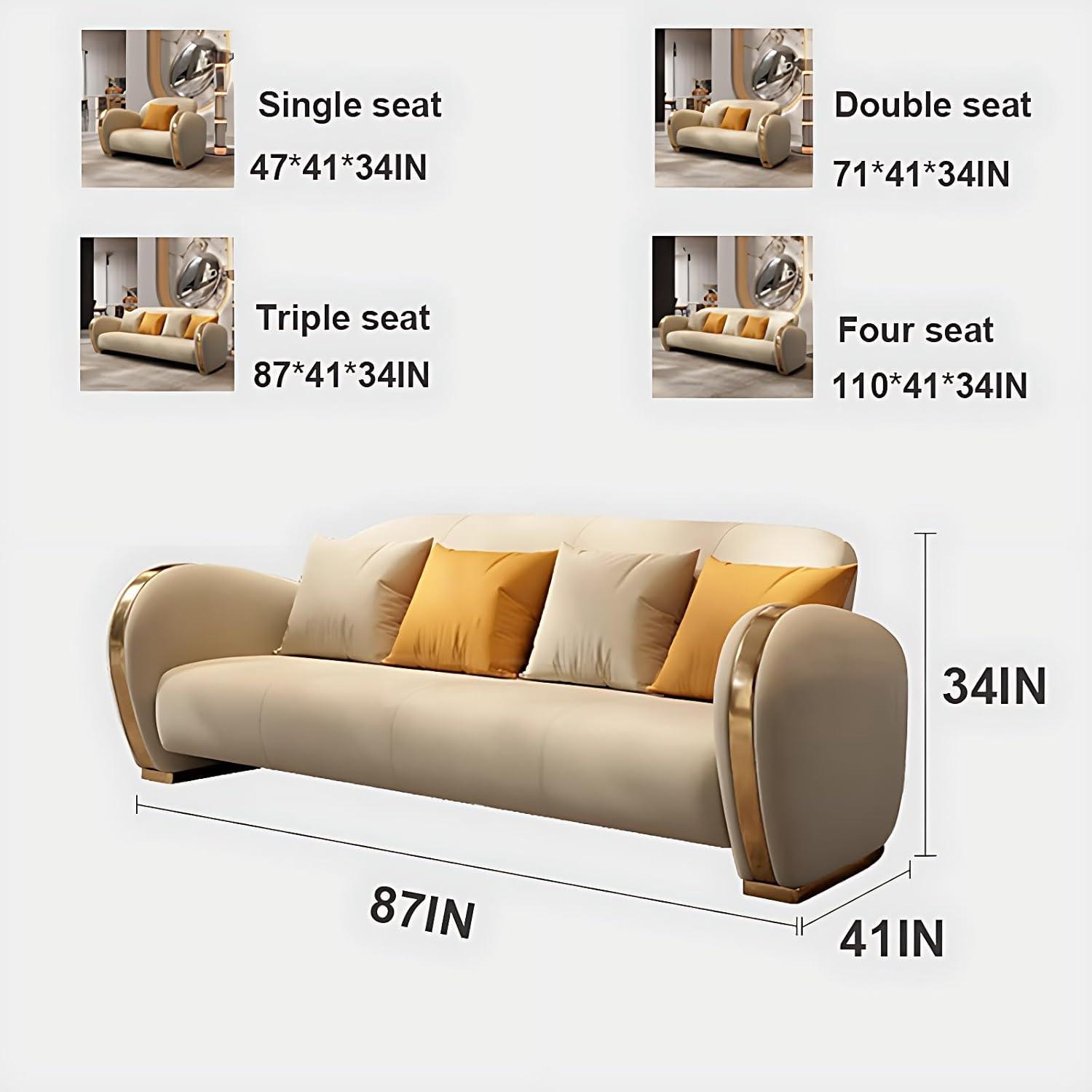
In everyday use the set often behaves like a clear spatial anchor,defining a living area within a larger room and encouraging furniture to orbit around it. In wider, open-plan rooms it tends to create a distinct conversation zone and to align sightlines toward a focal wall; in more compact rooms it usually requires modest rearrangements of adjacent furniture and a bit of forethought about traffic paths. Assembly and initial positioning frequently happen in stages—panels are moved into place,small adjustments made to maintain a walking lane—and those little alignments become part of normal wear and use. The following snapshot captures common spatial effects observed during regular use:
| Aspect | Typical spatial effect |
|---|---|
| footprint | Clearly defines the seating area and can limit options for alternate layouts |
| Circulation | Tends to require intentional clearances along primary walkways |
| Placement flexibility | Allows for corner or floating arrangements but usually needs a few inches of breathing room |
Daily habits show how people adapt: small shifts of side tables or the chair,angling the set slightly to allow a wider passage,and repositioning the coffee table for reach versus legroom are common. Observers note that the set can make a room feel intentionally zoned while also imposing limits on where other pieces can go; these trade-offs tend to appear gradually as routines settle. Full specifications and configuration details are available at the product listing.
Care, assembly and everyday handling you notice after living with the set
When the boxes arrive you’ll notice the heavier modules come well packed and mostly pre-assembled; full assembly tends to be a matter of aligning brackets, inserting a handful of bolts and screwing on the legs. In practice a single person can put together the smaller pieces, but you’ll wont a second pair of hands to line up the larger corner sections and to lift the assembled frame into place without scraping floors. Small hiccups that come up during the first hour: fasteners can feel snug (an Allen key is usually supplied), clips need a firm push to engage, and cushions that were compressed in transit take a few hours to expand and settle into their intended shape. The short table below captures typical on-the-ground expectations from unpacking to first use.
| Task | Typical experience |
|---|---|
| Assembly time | 45–90 minutes for most configurations |
| Hands needed | 1 person for small pieces, 2 recommended for larger sections |
| Immediate handling | Cushions regain shape within hours; connectors click into place when aligned |
Daily handling settles into a routine quickly: you’ll find yourself wiping down surfaces after spills, running a lint roller or vacuum along seams for pet hair, and fluffing cushions now and then to keep seats even. A few recurring notes from living with the set — metal feet can scuff delicate floors if moved frequently, joins between modules may need the occasional nudge back into perfect alignment, and some small creaks can appear at stress points after weeks of use. Quick, common actions you’ll perform include:
- Daily touch-ups: brief wiping and seam brushing to catch crumbs and surface dust.
- Weekly habits: rotating or fluffing loose cushions so they wear evenly.
- Short fixes: checking and tightening visible bolts or clips if a join feels loose.
Keep away from open flames and high heat sources, and supervise children and pets around movable sections to avoid entrapment risks.
How the Set Settles Into the Room
After a few weeks you notice the 110IN Couch Sets – Modern Sectional Sofa Set with Coffee Table, luxury Sectional Couches with Sofa Chair for living room, Office and Loun quietly taking up the rhythms of the room. it settles into habitual corners—your coffee-sipping spot, the place where someone dozes after work—and the cushions slump in small, familiar ways that show up in daily routines. The surfaces pick up tiny signs of use, edges softening and the table gathering the ordinary scuffs of cups and magazines as the room is used. In regular household rhythms it becomes part of the room and stays.
As an Amazon Associate I earn from qualifying purchases.