12 Effective Tips for Designing a Truly Affordable Kitchen

The kitchen stands out as the most vibrant and multifaceted hub within any household. It serves not only as a stage for culinary innovation but also as a gathering place where morning coffee conversations ignite and the daily ebb and flow of life takes shape. Crafting a kitchen that blends aesthetic charm with optimal usability involves more than decoration—it requires designing a fluid, welcoming, and effective space tailored to your lifestyle. Whether you’re undertaking a complete kitchen remodel, building anew, or refreshing your existing space, grasping the essentials of smart kitchen design is vital.
In this comprehensive guide, we’ll explore twelve critical strategies for creating a kitchen that marries visual appeal with unmatched functionality. From optimizing spatial arrangements to thoughtfully selecting materials, you will learn how to turn your cooking area into the soul of your home—a spot brimming with joy, practicality, and timeless elegance. Let’s dive into crafting the kitchen of your dreams.
1. Optimize Workflow with Smart Kitchen Layouts
An efficient kitchen begins with a purposeful layout design. Beyond simply placing appliances and cabinets, it’s about shaping a workflow that reduces effort and enhances cooking efficiency. The traditional “work triangle” — linking the refrigerator, sink, and stove — remains foundational, but contemporary kitchens often expand on this concept with “workstations,” accommodating various users and tasks simultaneously.
Popular configurations include:
- Galley Kitchen: Characterized by two opposing walls, this layout excels in compact spaces, allowing focused movement.
- L-Shaped Kitchen: Offers an efficient use of corner space and integrates well with open-plan living areas.
- U-Shaped Kitchen: Envelops the user with three walls of workspace, maximizing counter and storage capacity, often paired with a peninsula for multifunctionality.
- Island Kitchen: Provides a multipurpose central workspace and social area, augmenting existing L- or U-shaped kitchens.
- Single-Wall Kitchen: Perfect for extremely limited areas, aligning all primary functions on one wall for convenience.
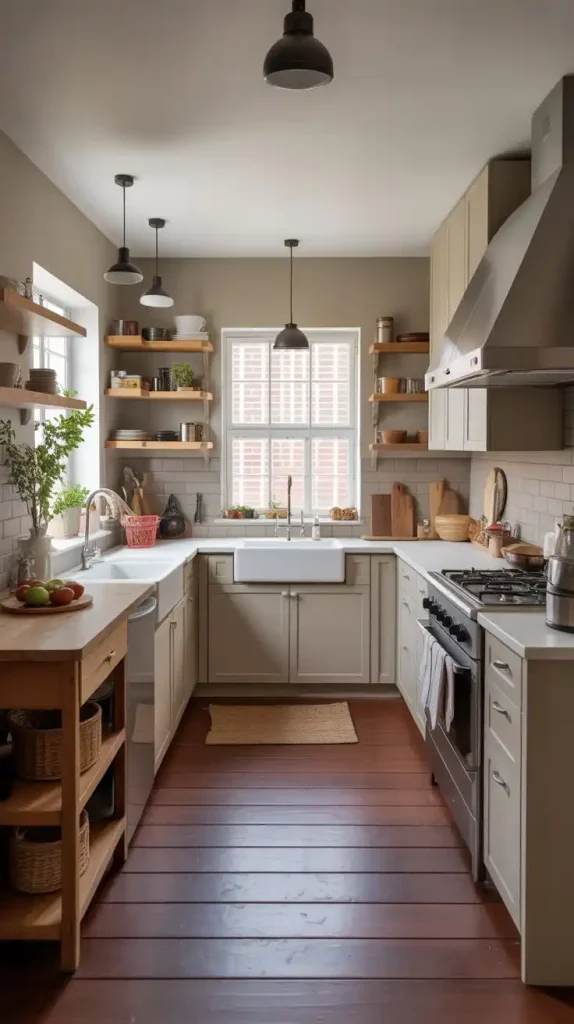
Selecting the right layout is instrumental in crafting an intuitive space, turning meal prep from a task into an enjoyable activity.
2. Innovate Kitchen Storage for Clutter-Free Living
A well-organized kitchen strikes a balance between storage capacity and easy access, eliminating disorder and visual noise. Outstanding storage solutions transcend traditional cabinetry, leveraging intelligent designs to maximize every inch.
Consider incorporating these storage innovations:
- Deep Drawer Organizers: Specialized compartments for pots, pans, and lids that prevent noise and optimize deep storage.
- Pull-Out Pantries and Spice Racks: Narrow units slide forward for effortless visibility and access to essentials.
- Corner Carousel Units: Rotating shelves transform difficult corner areas into practical storage zones.
- Vertical Dividers: Perfect for storing slim items like cutting boards, baking sheets, or platters upright, preventing tipping hazards.
- Toe-Kick Drawers: Ingeniously uses lowered cabinet bases to hide away slim storage compartments.
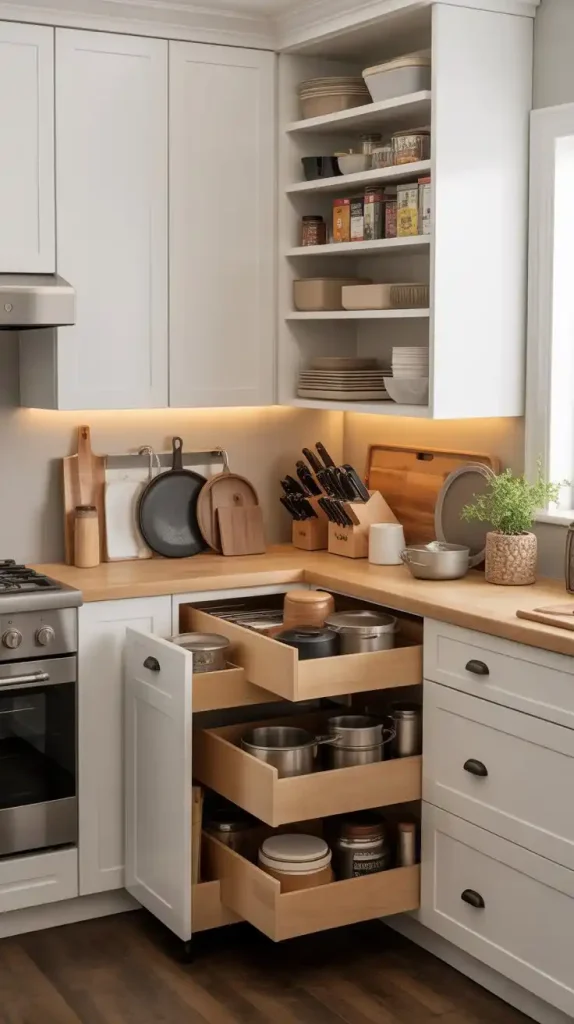
Implementing smart storage options elevates both the functionality and aesthetics of your culinary space.
3. Cabinetry: Set the Style and Strength of Your Kitchen
Cabinets form the backbone of kitchen design, shaping both style and storage. Investing in high-quality, well-crafted cabinetry ensures durability while establishing the visual language of your kitchen.
When selecting cabinetry, focus on:
- Material Resilience: Choose from solid hardwood, furniture-grade plywood, or high-density fiberboard (HDF) that can withstand frequent use.
- Door Designs: Options range from timeless Shaker styles to minimalist flat panels and intricate raised panels, allowing customization to your preferred theme.
- Hardware and Finishes: The choice of handles, knobs, and surface treatments crucially influences the final look and tactile experience.
- Soft-Close Mechanisms: Enhance daily usability and prolong cabinet lifespan by preventing slams.
- Custom versus Stock: Decide based on your space’s uniqueness and budget whether bespoke cabinetry or pre-made options are suitable.
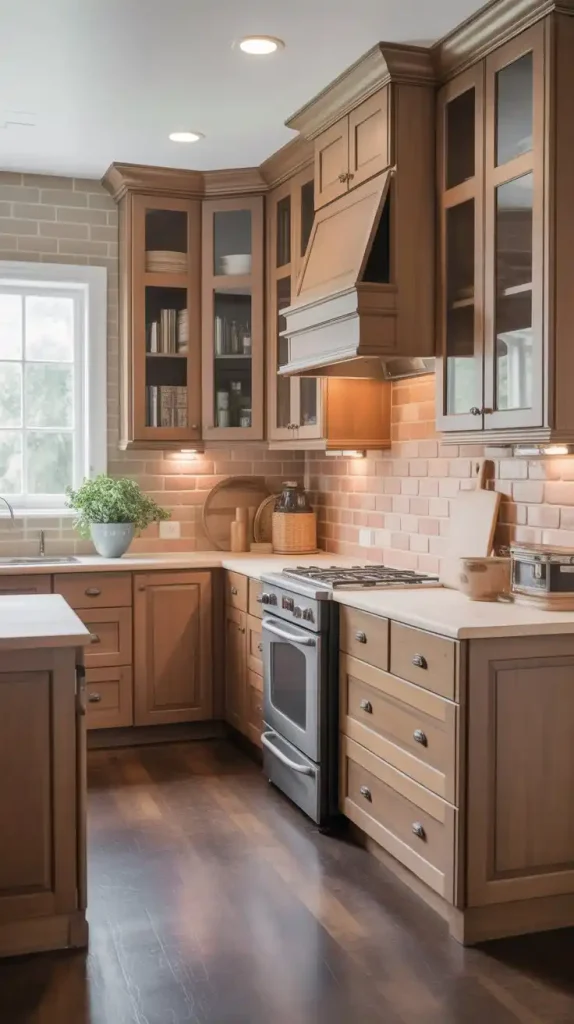
Choosing premium cabinets ensures a solid foundation for your kitchen that blends function and refined style.
4. Pick Countertops that Deliver Durability and Elegance
Countertops bear the brunt of daily kitchen use — from hot pots to spills — and also make a striking visual impact. The perfect countertop marries durability with refined aesthetics.
Explore these countertop materials:
- Quartz: Engineered for toughness, non-porous, and resistant to stains and scratches with an extensive palette mimicking natural stone.
- Granite: A natural stone prized for its unique veining and heat resistance, though it requires periodic sealing.
- Marble: A symbol of timeless beauty with distinctive patterns, better suited for low-traffic areas due to its susceptibility to etching and stains.
- Solid Surface (e.g., Corian): Seamlessly integrates with sinks, offering a smooth, non-porous surface that’s easily repairable.
- Butcher Block: Provides warmth and a tactile appeal, excellent for chopping, but necessitates regular maintenance.
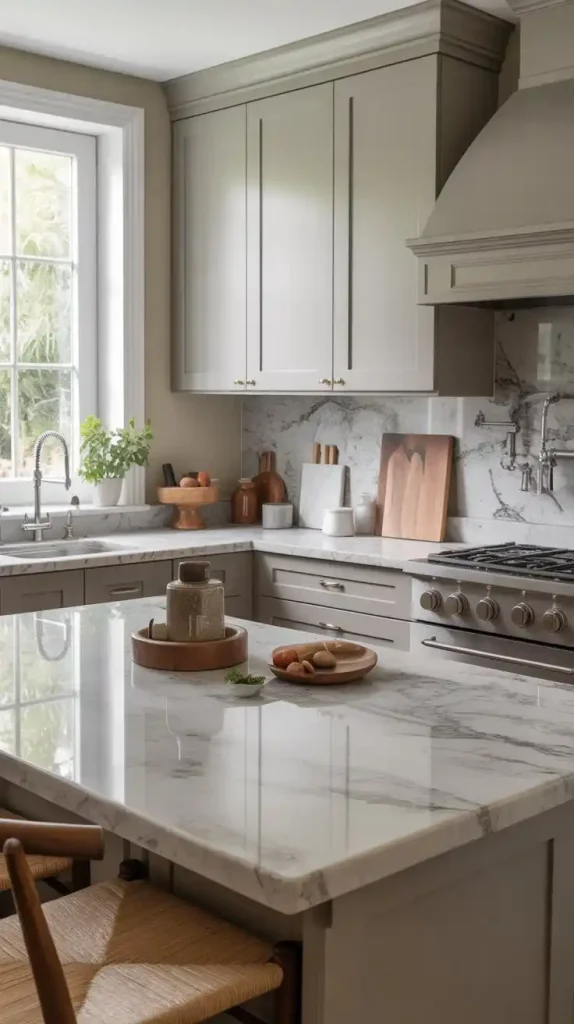
Prioritizing countertop options that combine strength and beauty will pay dividends in longevity and style.
5. Employ Layered Lighting for Functionality and Atmosphere
Lighting in the kitchen often goes underestimated but is essential for operational safety and setting ambiance. A layered approach ensures versatility throughout the day and into evening hours.
Build your lighting scheme around:
- Ambient Lighting: General illumination from recessed or ceiling fixtures creates an even base light.
- Task Lighting: Focused illumination, such as under-cabinet strips or pendants, that brightens prep areas directly.
- Accent Lighting: Highlights design elements or adds mood via in-cabinet or toe-kick lighting.
- Dimmer Switches: Allow adjustment of brightness to shift from active cooking mode to cozy dining ambiance.
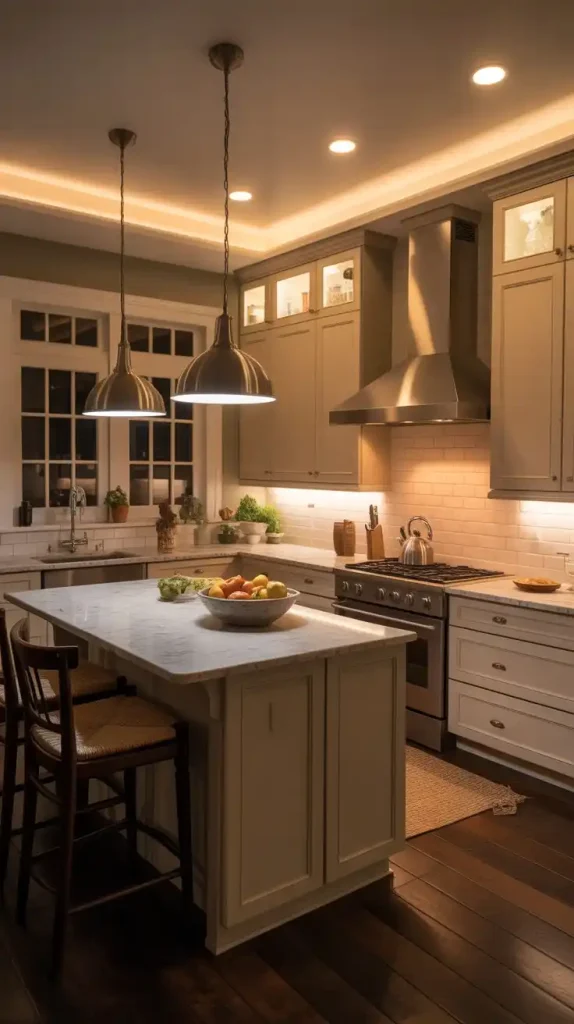
Thoughtful lighting designs transform your kitchen into both a productive workspace and an inviting gathering spot.
6. Add an Island or Peninsula for Enhanced Versatility
Incorporating an island or peninsula transforms your kitchen into a multi-use hub, boosting workspace, storage, and social interaction.
Consider these advantages:
- Expanded Surface Areas: Extra counter space for food prep, craft projects, or casual dining.
- Additional Storage: Cabinets, drawers, and specialized compartments can be built into the island.
- Informal Seating: Bar stools convert the island into a breakfast nook or space for guests to gather.
- Integrated Appliances: Options include prep sinks, wine coolers, or secondary cooking elements.
- Spatial Definition: Islands help delineate kitchen boundaries within open-concept layouts.
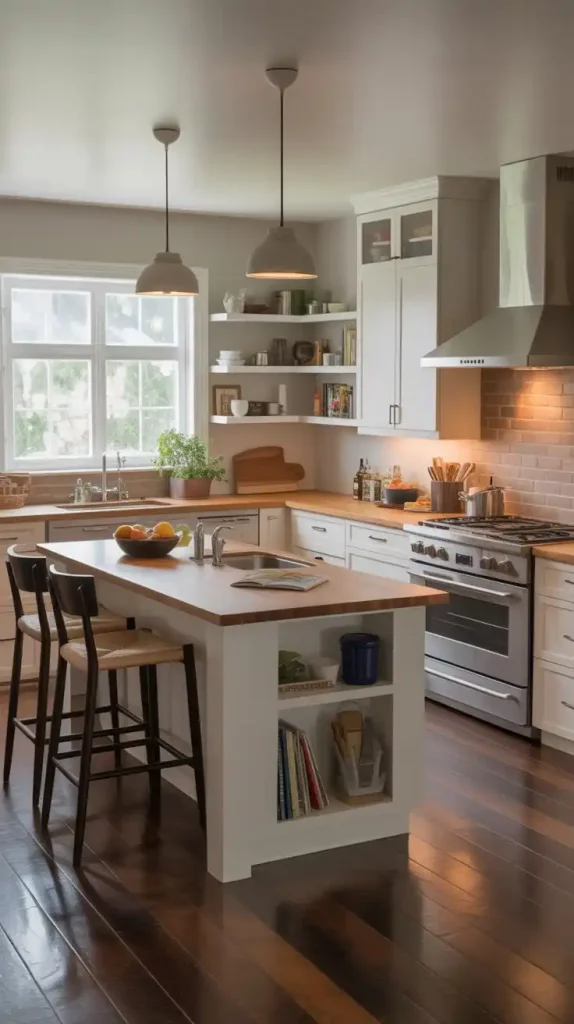
Properly tailored island or peninsula designs seamlessly extend the efficiency and sociability of your kitchen.
7. Establish a Harmonious Color and Material Scheme
The colors and materials you choose set the emotional tone and perceived scale of your kitchen. A harmonious palette creates a cohesive environment where cabinets, countertops, backsplash, and flooring work in concert.
Follow these steps for balance:
- Set a Neutral Base: Whites, greys, or beiges on large surfaces provide a timeless backdrop.
- Incorporate Accent Colors: Use bold or rich hues on backsplashes, bar stools, or decor pieces for visual interest.
- Employ Natural Textures: Wood grains, stone surfaces, and metallic finishes add depth and authenticity.
- Maximize Light Reflection: Lighter colors enlarge small kitchens by amplifying available light.
- Test Swatches: Always view materials on-site at various times of day to gauge their true impact.
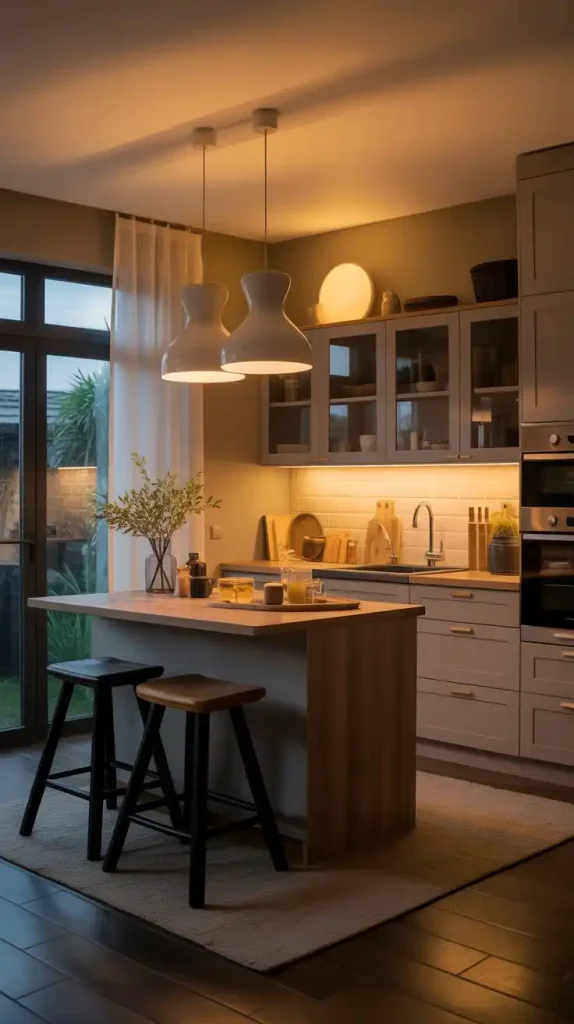
Developing a consistent material and color story guarantees your kitchen feels intentional, inviting, and distinctly personal.
8. Select a Practical and Stylish Kitchen Backsplash
A backsplash serves a dual purpose: protecting your walls from moisture and cooking debris while also injecting style and personality into your kitchen.
Popular backsplash materials include:
- Classic Subway Tile: A clean, enduring choice with versatile color options.
- Decorative Ceramic or Porcelain: Enables eye-catching patterns or geometric motifs.
- Natural Stone (e.g., marble or travertine): Offers a luxurious feel, though needs more upkeep.
- Glass Tiles: Create a reflective, shimmering effect that visually enlarges the space.
- Metal (stainless steel, copper): Adds an industrial or modern edge.
- Stone or Quartz Slabs Extending to the Ceiling: Produces a sleek, seamless statement.
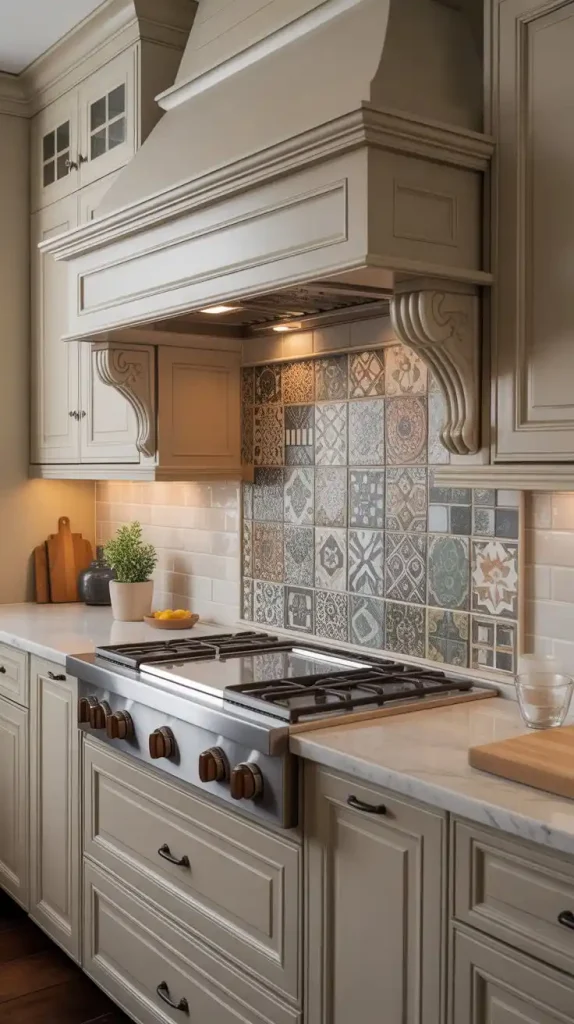
A backsplash thoughtfully chosen serves as the perfect transitional element, balancing aesthetics with function, uniting your countertops and cabinetry.
9. Upgrade to Intelligent and Efficient Appliances
Contemporary kitchen appliances focus on enhancing convenience, energy conservation, and food preparation quality. Smart tech-infused appliances make life easier and cooking more enjoyable.
Some cutting-edge options to consider:
- Smart Refrigerators: Equipped with touchscreens, interior cameras allowing remote content checks, and automatic grocery management.
- Induction Cooktops: Fast heating, precise temperature control, and easy-to-clean glass surfaces.
- Convection Ovens: Ensure even heat distribution for consistent baking.
- Dishwasher Drawers: Ergonomically convenient for smaller loads.
- Integrated Coffee Makers: Combine luxury with functionality for effortless mornings.
- Touchless Faucets: Promote hygiene with hands-free water control.
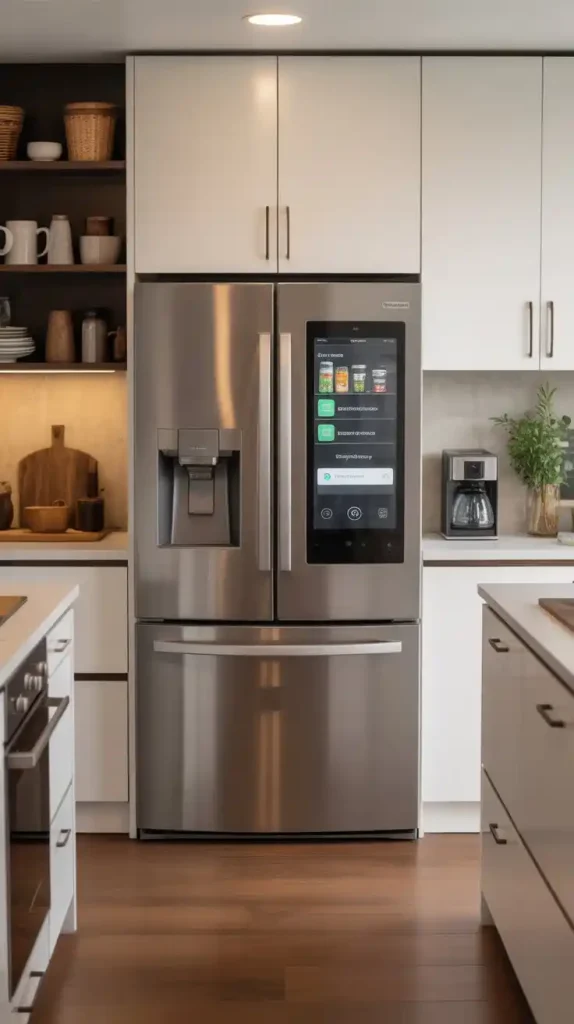
Align appliance choices with your culinary preferences and technological tastes to enhance your kitchen’s efficiency.
10. Personalize with Thoughtful Decor and Practical Accessories
While structural elements define the kitchen’s framework, it is the décor and accessories that infuse personality and warmth. These finishing touches turn a utilitarian room into a welcoming, expressive haven.
Consider incorporating:
- Open Shelving: Artfully display attractive dishware, heirlooms, or cookbooks.
- Indoor Plants: Fresh herbs or larger greenery add life and improve air quality.
- Artwork and Functional Wall Decor: Clocks, framed prints, or stylish signs impart charm.
- Signature Lighting Fixtures: A striking pendant or elegant sconces act like jewelry for your kitchen.
- Functional Aesthetic Items: Unique cutting boards, handcrafted bowls, and decorative dispensers.
- Textile Elements: Colorful dish towels, patterned rugs, or stylish mitts soften the space.
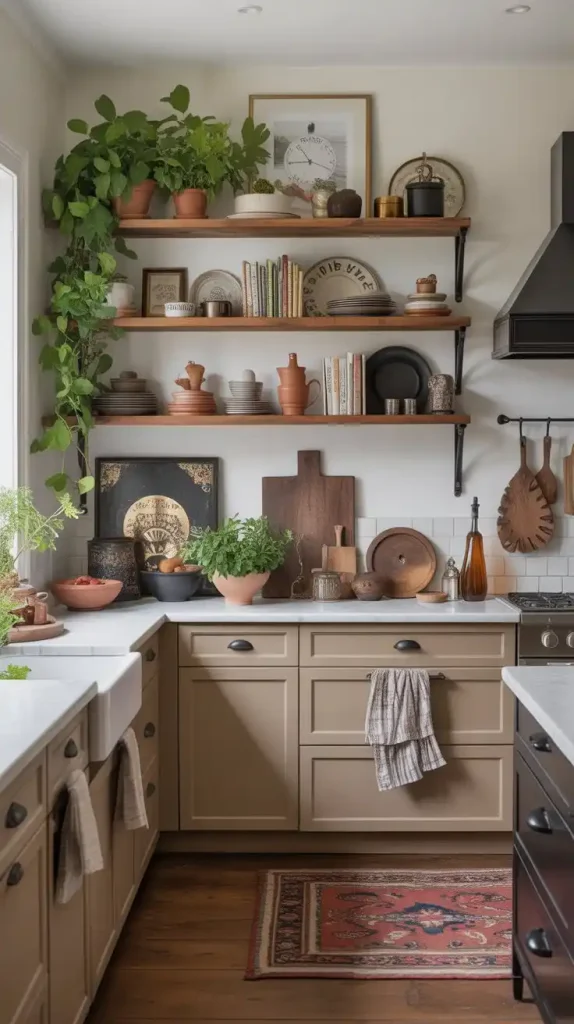
Layering in carefully selected accessories ensures your kitchen design is inviting, rich, and uniquely yours.
11. Prioritize Effective Ventilation for Healthy Cooking Spaces
Ventilation plays a vital role in kitchen comfort and air quality by removing odors, moisture, and airborne grease particles. A robust exhaust system protects your surfaces and enhances the cooking atmosphere.
Key ventilation features include:
- Ducted Range Hoods: Ventilate cooking fumes directly outside, offering superior performance.
- Ductless Systems: Use charcoal filters to purify and recirculate air when external ducts aren’t possible, though efficiency is lower.
- CFM (Cubic Feet per Minute) Rating: Match your hood’s ventilating power to your cooktop’s heat output and kitchen size.
- Noise Levels: Opt for quieter models measured in sones to maintain a peaceful environment.
- Design Style: Choose from wall-mounted, island, under-cabinet, or downdraft options that blend with your kitchen’s aesthetic.
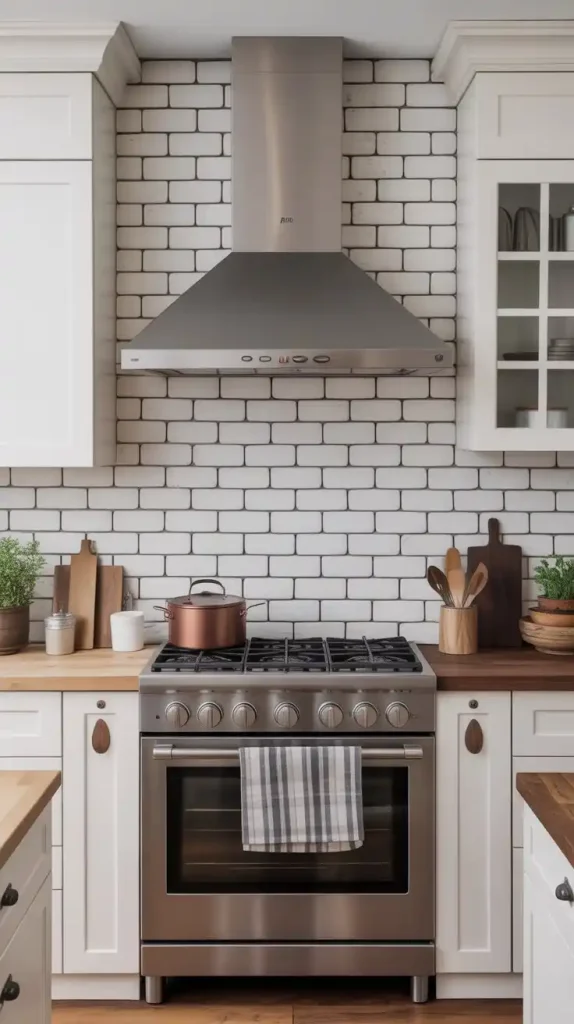
Integrating an efficient ventilation system is indispensable to maintaining a fresh, comfortable, and durable kitchen setup.
12. Future-Proof Your Kitchen Through Longevity and Flexibility
A lasting kitchen design anticipates evolving needs while maintaining its appeal and utility. Planning with foresight secures your investment, ensuring ease of upkeep and adaptability.
Crucial components for future readiness include:
- Classic, Timeless Finishes: Neutral tones and versatile materials that remain stylish over time.
- Durable Surfaces and Fixtures: High-quality cabinetry, flooring, and countertops that endure everyday use.
- Flexible Floor Plans: Allow room for mobility changes or growth in the household.
- Energy-Conscious Appliances: Efficient ratings reduce costs and environmental impact.
- Low-Maintenance Materials: Choose options that simplify cleaning and upkeep.
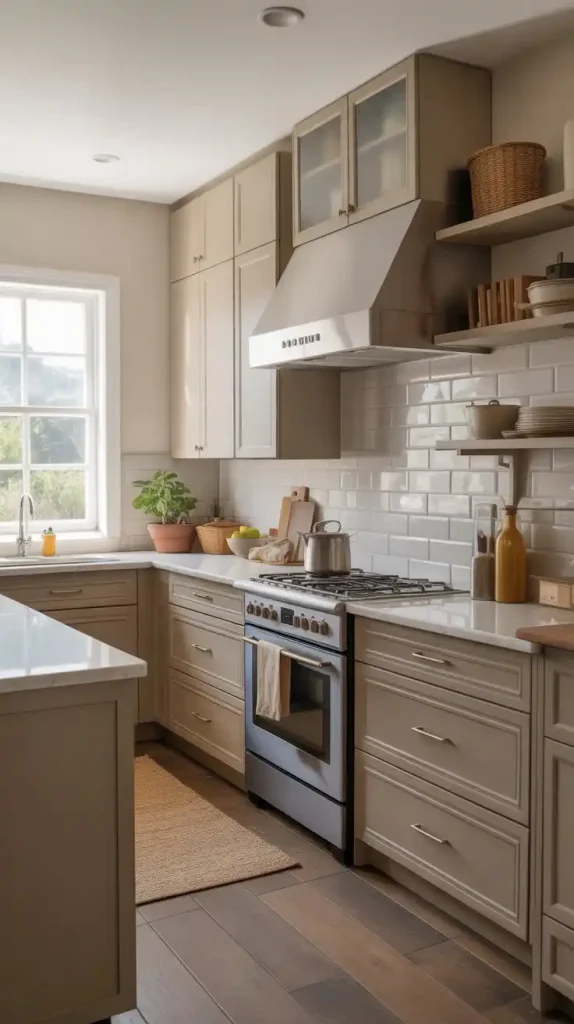
By designing with durability and adaptability in mind, your kitchen will remain a cherished asset and a pleasure to use for many years ahead.
Where is the best place to begin when planning a kitchen makeover?
Starting with a clear budget is essential, as it directs all subsequent choices, including cabinetry and appliances. Then focus on your kitchen workflow—think about how you cook and move around, and select a layout that streamlines those actions. Finally, define your style by gathering design inspiration to create a cohesive vision for your new kitchen.
How can I select the best kitchen layout for my needs?
The ideal layout depends on your kitchen’s size and your lifestyle. For compact spaces, galley and L-shaped kitchens optimize limited room. Larger kitchens benefit from U-shaped or open layouts with islands to increase surface area and facilitate movement. The core consideration is designing a smooth path linking the refrigerator, stove, and sink.
What strategies can reduce costs during a kitchen remodel?
Maintaining your existing kitchen footprint avoids expenses related to relocating plumbing and wiring. Economize by choosing budget-friendly cabinet lines and integrating open shelving. DIY projects—such as repainting cabinets or installing backsplashes—also help cut labor costs.
Final Thoughts
Designing a kitchen is a multifaceted yet fulfilling project that profoundly influences your everyday comfort and your home’s market value. By applying these twelve expert principles, you’ll develop a kitchen that balances efficiency, style, and individuality. Thoughtful choices—from maximizing layout efficiency and resilient materials to embracing smart technology and elegant decor—combine to create a kitchen space you’ll love for a lifetime. Embrace these insights and transform your culinary environment into the spirited heart of your home.
As an Amazon Associate I earn from qualifying purchases.