Creative Drop Ceiling Ideas to Conceal Clutter and Transform Your Space

Known as suspended ceilings or false ceilings, drop ceilings are secondary ceiling frameworks hung beneath the main structural ceiling using a metal grid system. Once mainly found in office buildings and practical basement settings, this ceiling style has evolved into a versatile design element adored for both its appearance and utility.
One of the primary advantages of drop ceilings is their ability to effectively hide unattractive components such as piping, electrical wiring, and ventilation ducts while allowing easy accessibility for repairs—making them invaluable in many kitchen remodel ideas and basement remodels.
Modern drop ceiling options go far beyond the traditional plain white tiles, offering an astonishing array of materials, textures, and creative installation methods. This article explores 21 innovative drop ceiling concepts designed to transform a merely practical necessity into a striking focal point.
Exploring Materials and Finishes for the Ceiling Grid
The tile surface often defines the visual impact of a drop ceiling. Selecting distinct materials not only elevates the aesthetic but can also improve performance features like sound absorption and resistance to moisture.
1. Decorative Metallic and Faux Tin Panels
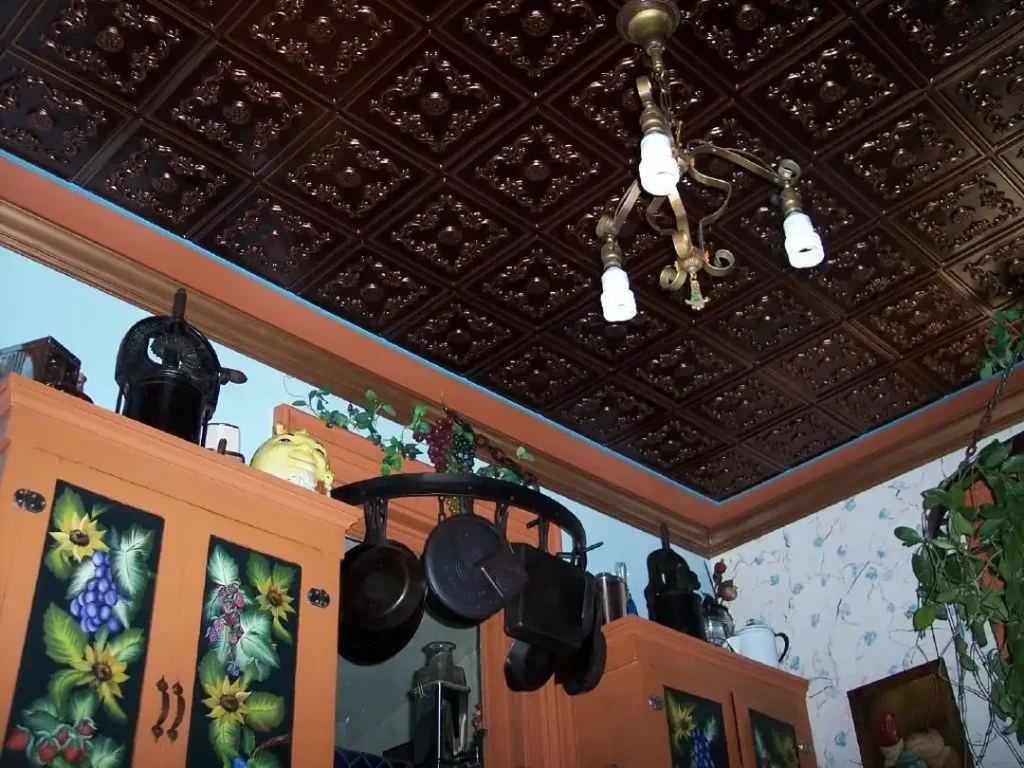
Swap out ordinary tiles for decorative metal or PVC panels that replicate classic tin. These come with intricate vintage motifs or smooth hammered textures, contributing an elegant old-world charm perfect for coffee station areas or kitchens with traditional flair.
2. Faux Wood or Composite Planks
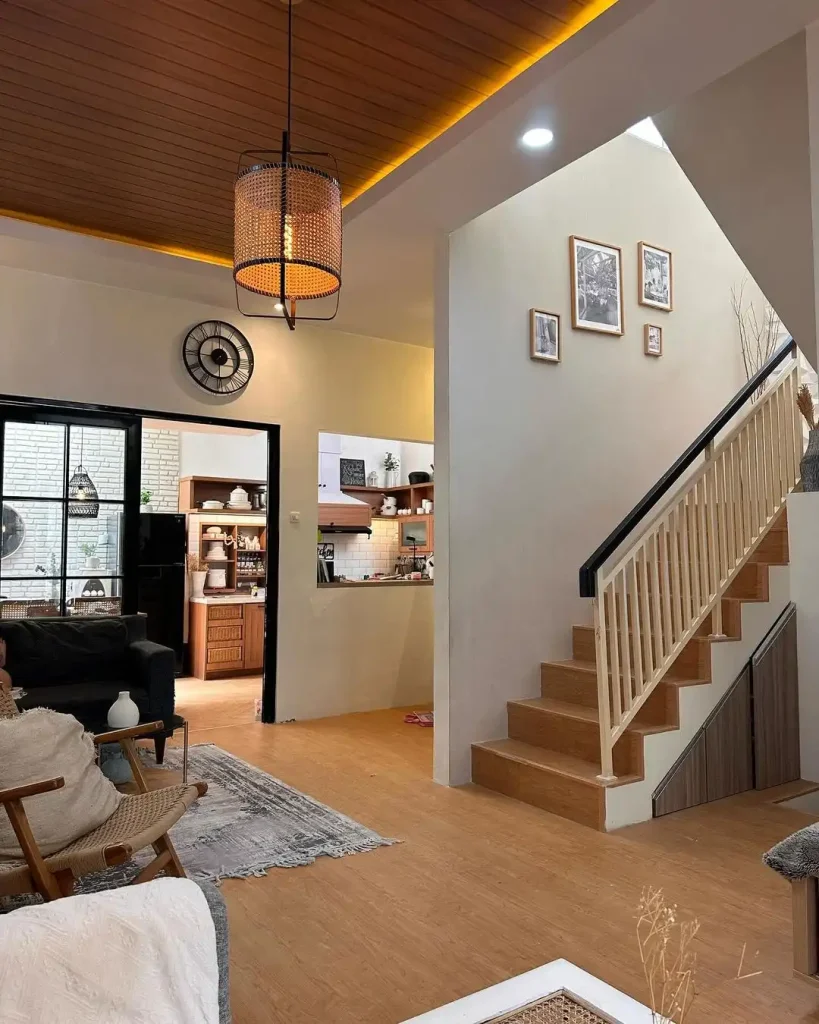
For the appearance of natural timber without the bulk or maintenance, consider mineral fiber or PVC planks with a wood grain finish. This approach lends a welcoming, rustic vibe that’s particularly fitting for basement lounges or cozy offices.
3. Smooth Acoustic Mineral Fiber Tiles
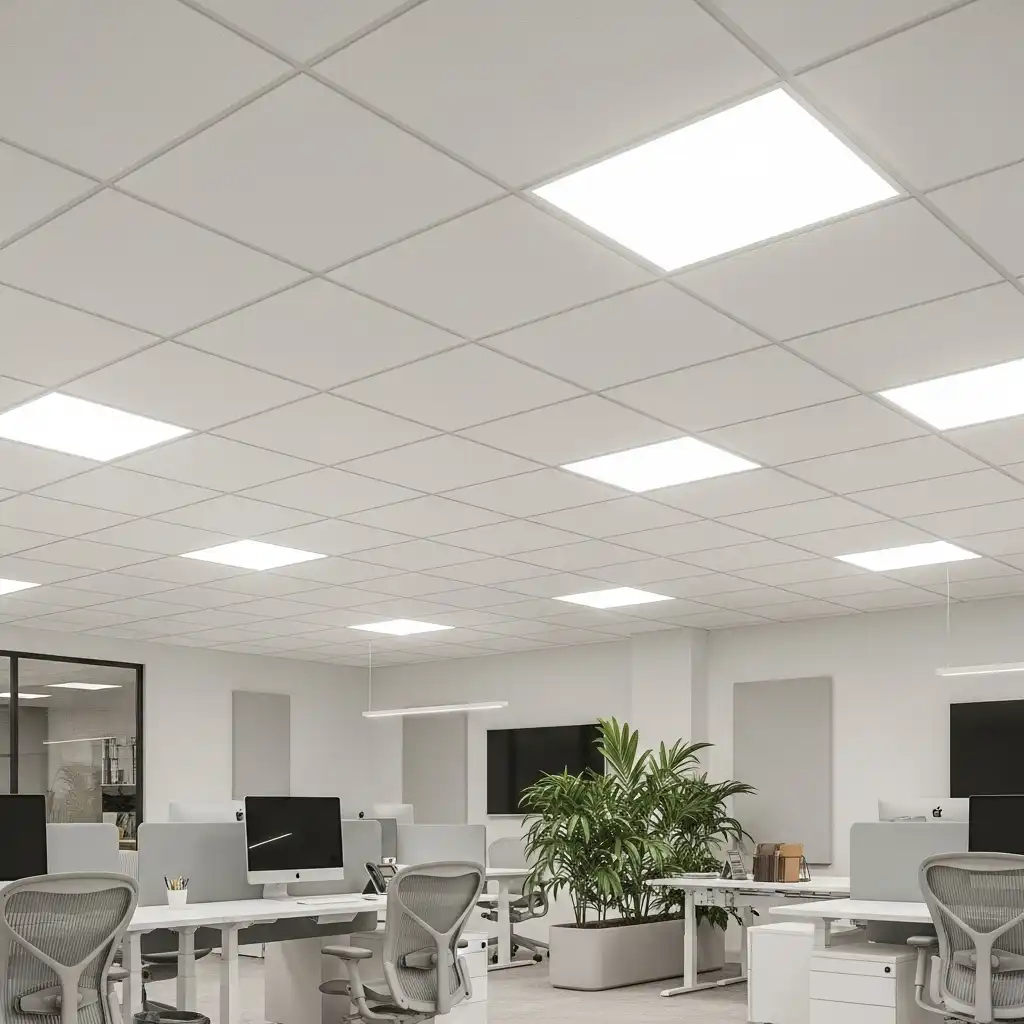
Choose premium smooth mineral fiber panels that outperform basic fissured tiles in soundproofing, reducing unwanted noise effectively—ideal solutions for noisy basements or open-concept interiors, while maintaining a clean drywall-like aesthetic.
4. Tiles Featuring Geometric Patterns
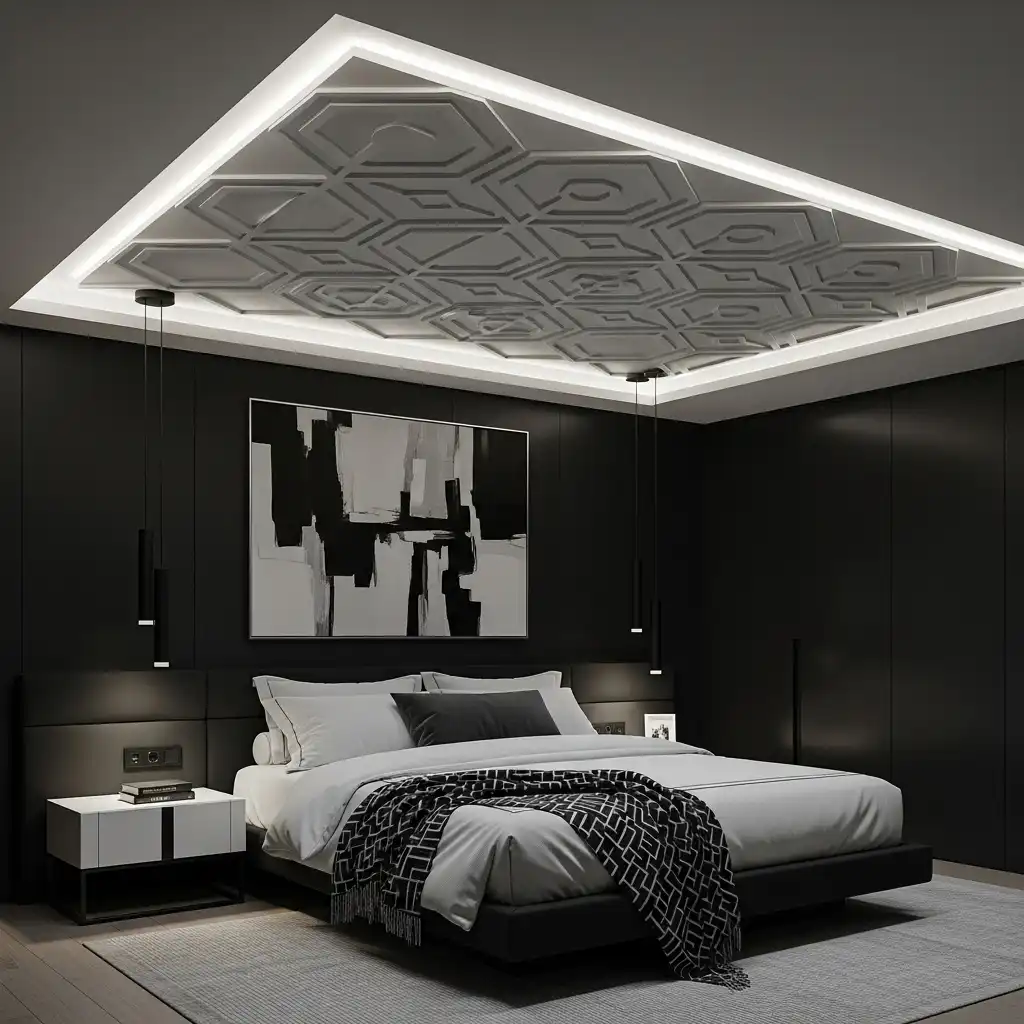
Elevate the ceiling surface with embossed or carved geometric motifs such as hexagons, squares, or abstract shapes to introduce subtle yet dynamic visual texture. Such designs complement modern monochrome black and white bedroom ideas.
5. PET Felt Tiles for Superior Acoustics
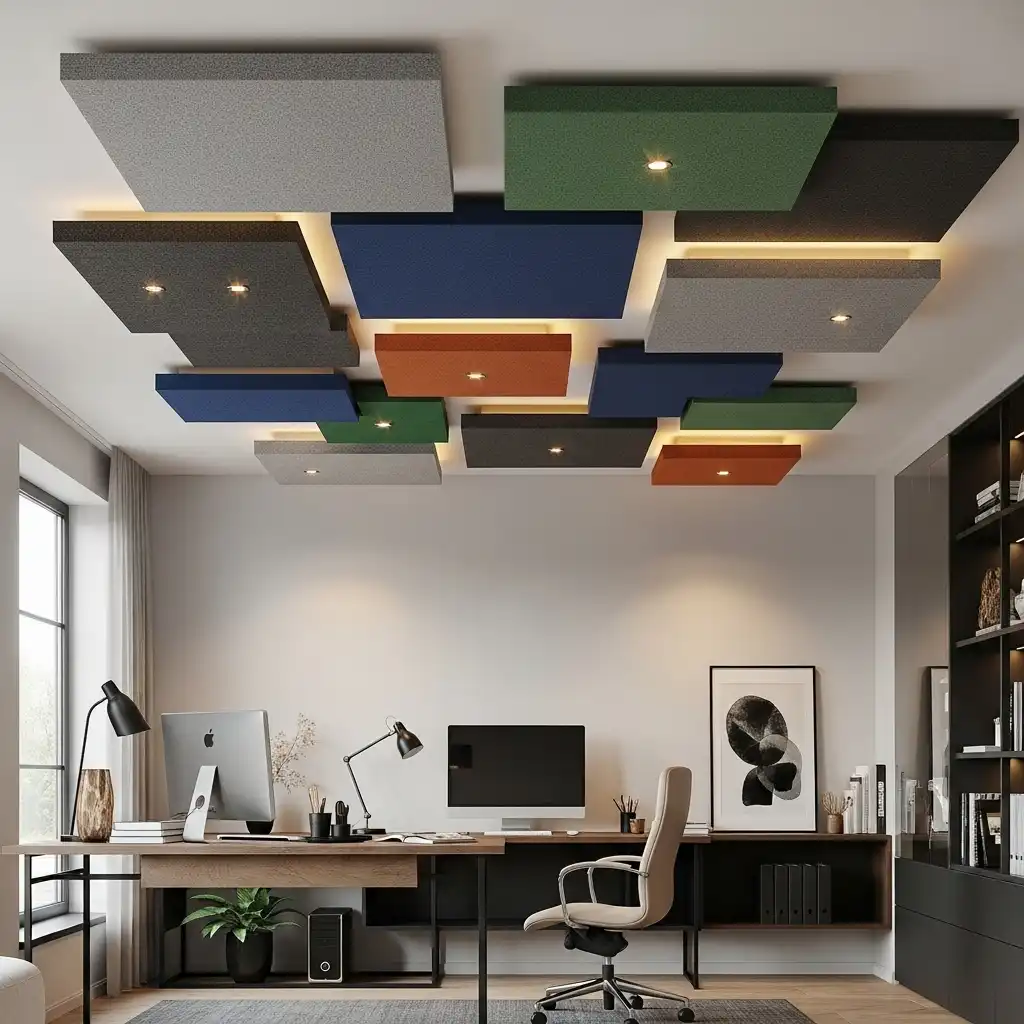
Crafted from recycled PET material, these felt panels come in a palette of muted or bold hues and are prized for their excellent sound-absorbing properties, making them excellent for home office ideas or media rooms.
6. Acrylic and Translucent Tiles
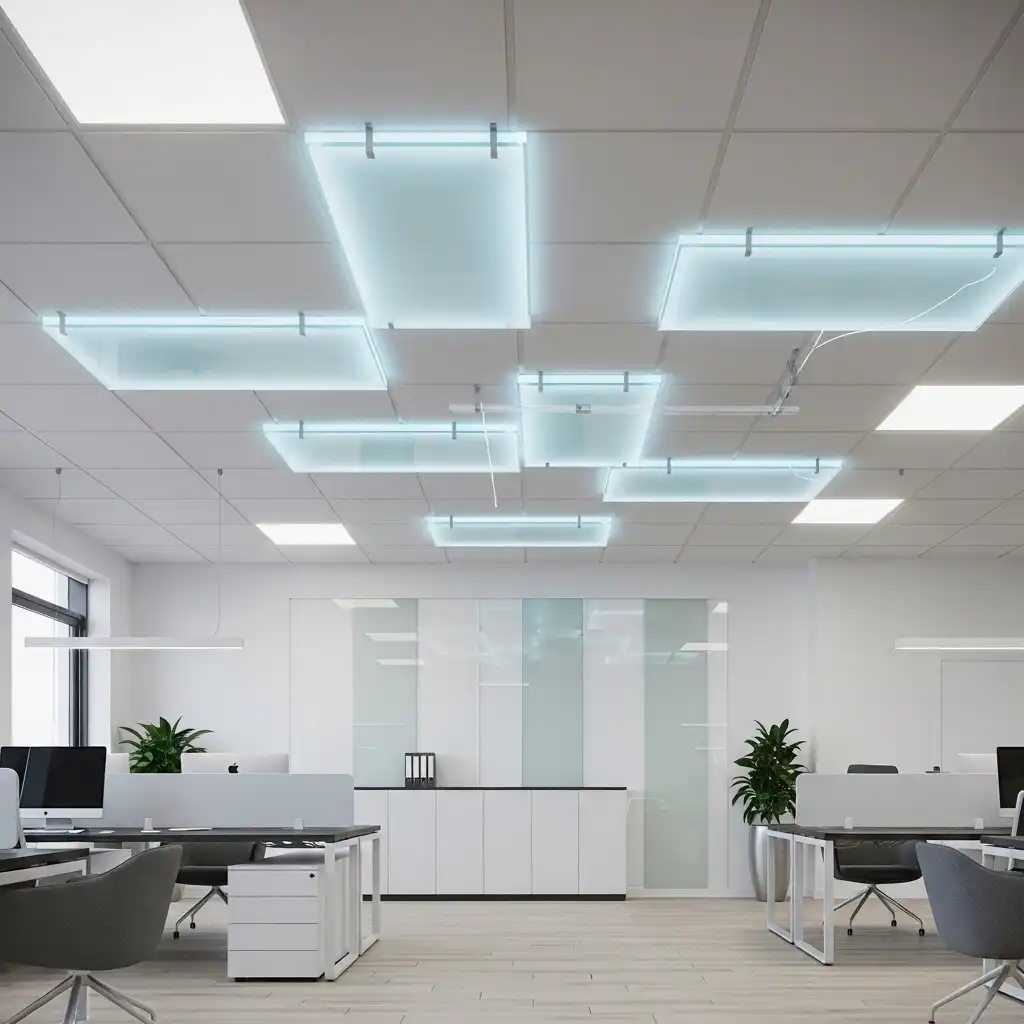
Incorporate select clear or frosted acrylic tiles in key areas to achieve a soft, glowing ceiling when paired with backlighting, generating a futuristic and airy ambiance.
7. Moisture-Proof PVC Panels
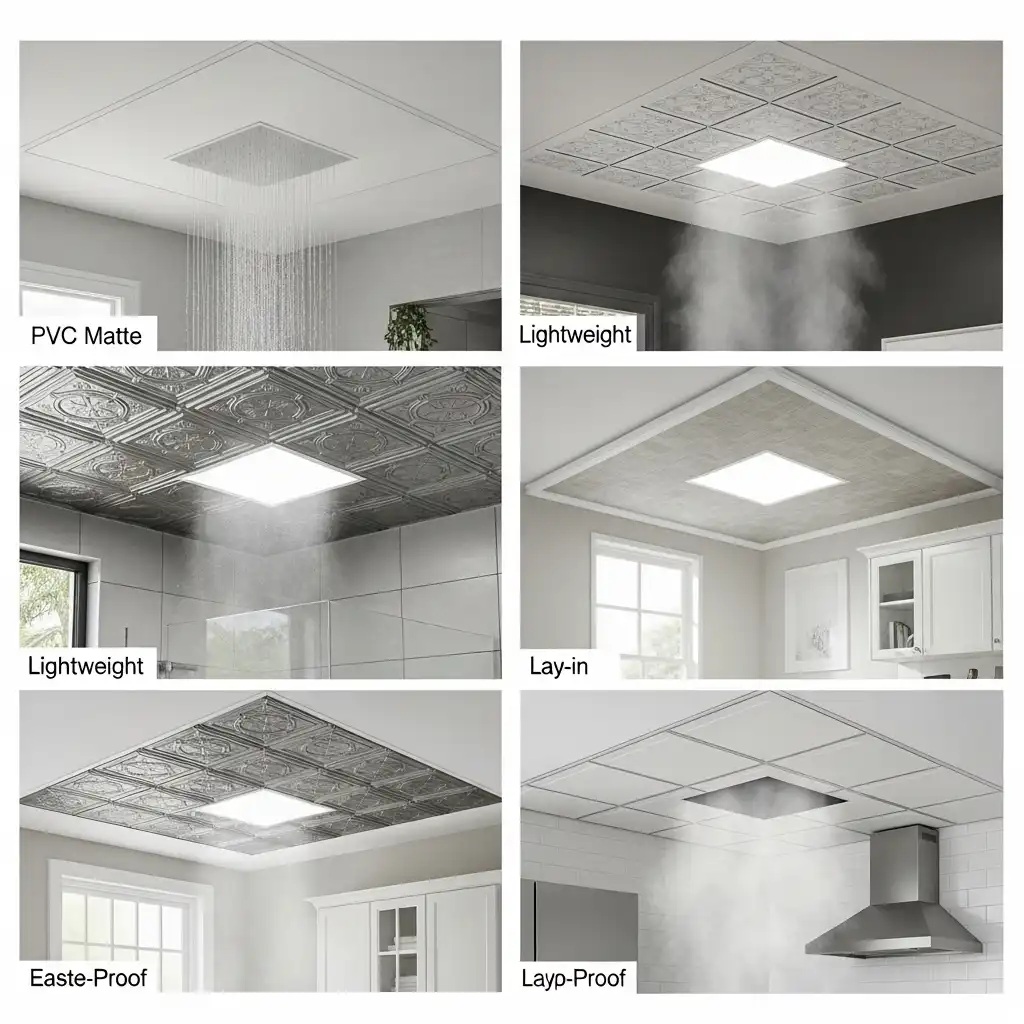
Highly resistant to dampness and easy to maintain, PVC ceiling tiles perform best in environments prone to moisture such as kitchens, laundry areas, and bathrooms, preventing warping and mold issues common to other tile types.
Innovative Layouts and Architectural Approaches
Creative manipulation of ceiling grids and tile patterns offers opportunities to define space visually and inject dramatic flair.
8. Hidden Grid Systems for Seamless Appearance
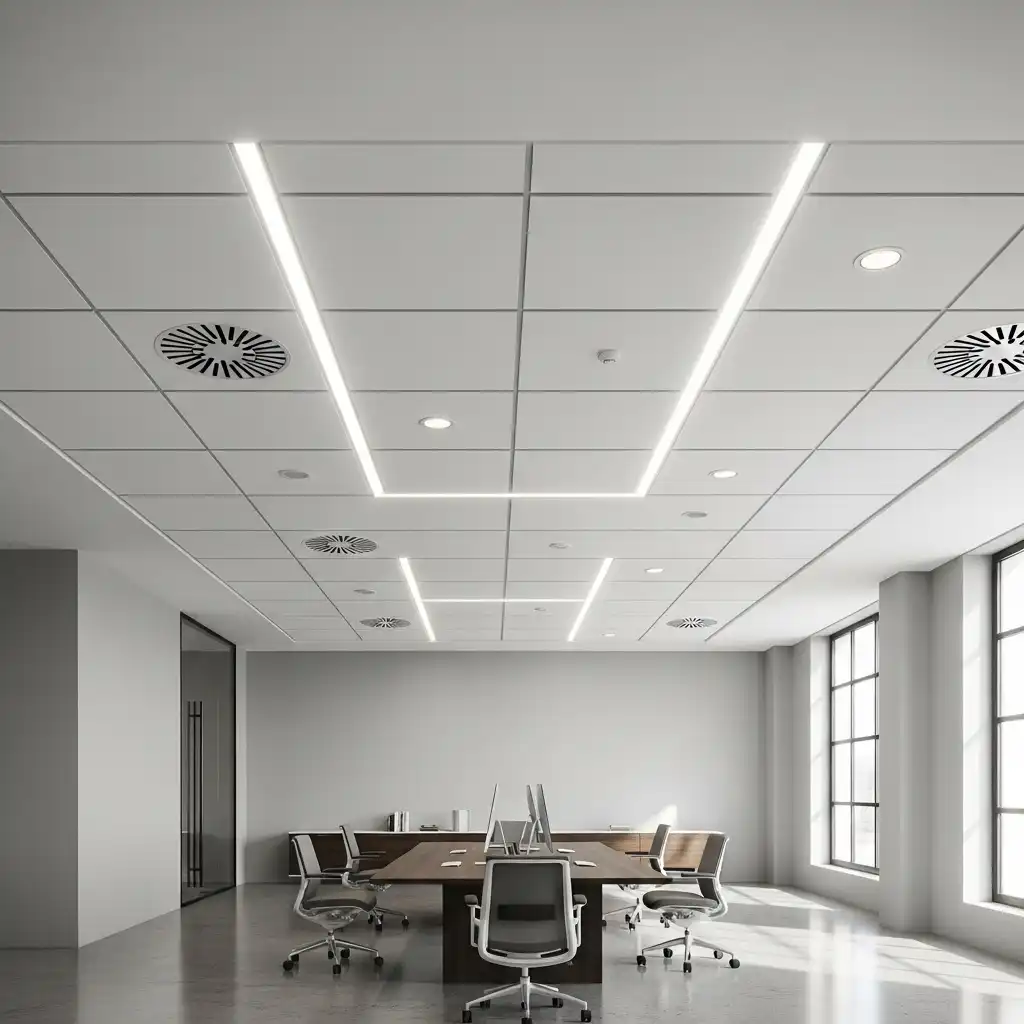
Eschew the traditional exposed T-bar grid in favor of narrow, concealed grid installations that produce almost seamless ceilings resembling smooth drywall surfaces—ideal for minimalist interiors.
9. Bold Colored Grids and Tiles
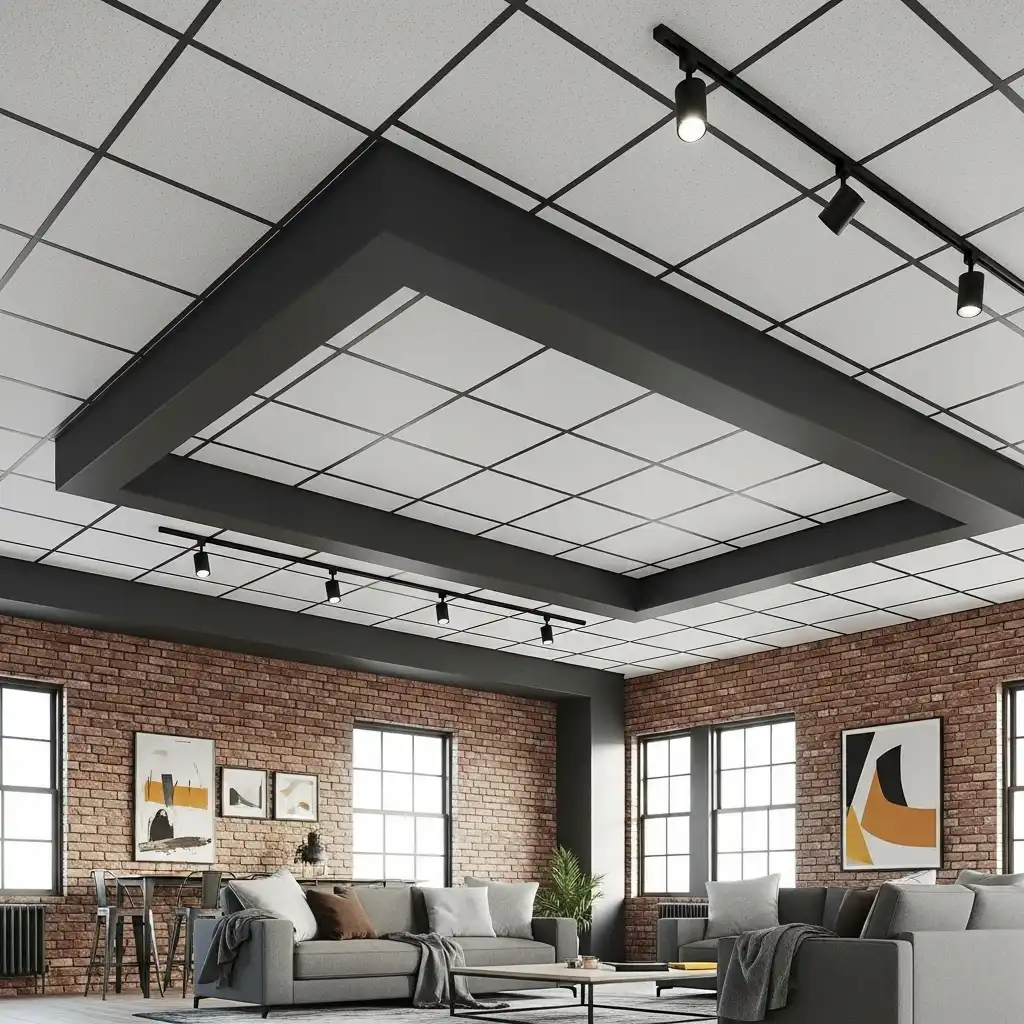
Instead of crisp white grids, opt for darker tones like charcoal or black to contrast with pale tiles, creating an industrial-chic atmosphere. Alternatively, unify the ceiling by painting grid and tiles a vibrant single color for a punchy design statement.
10. Multi-Level or Tiered Ceiling Structures
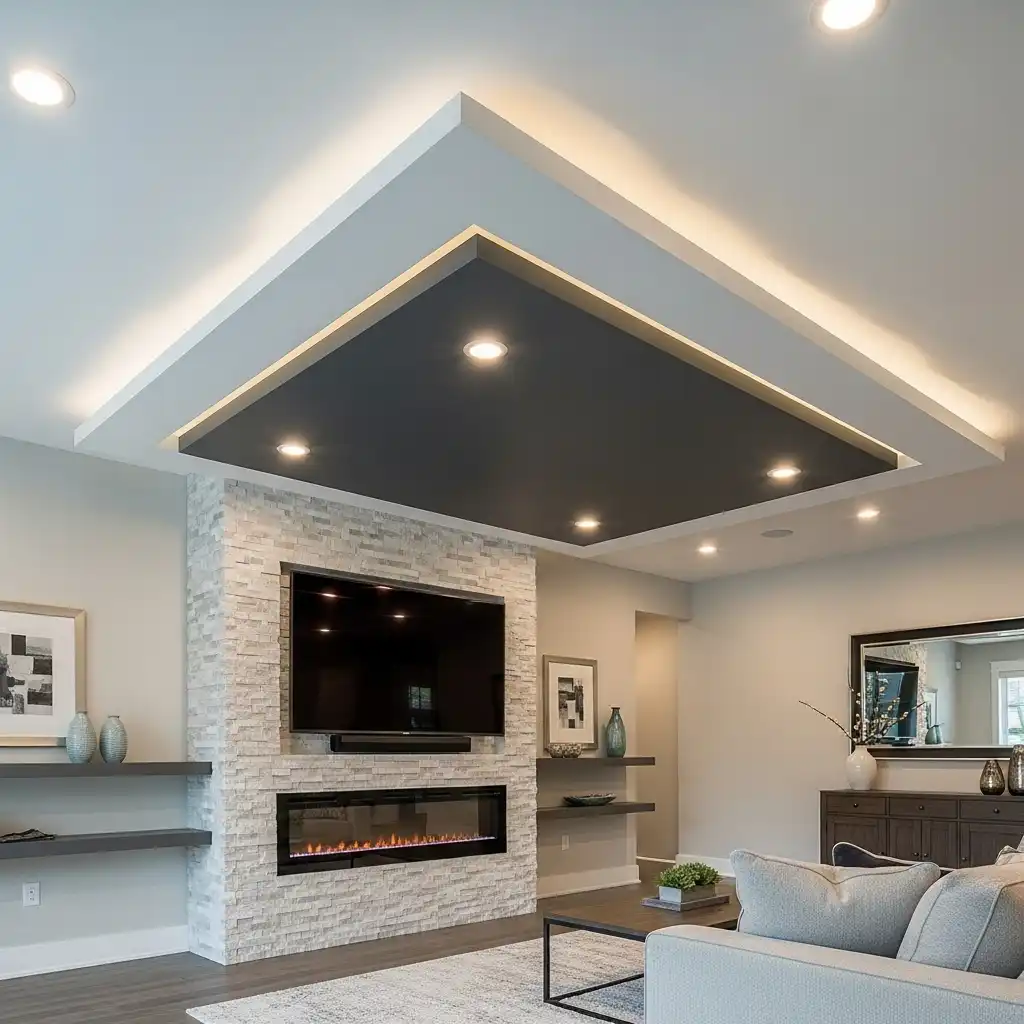
Create visual zones by lowering sections of the ceiling over key areas—such as a kitchen island or a electric fireplace—while maintaining higher ceiling height elsewhere, enhancing spatial definition.
11. Fluid Circular or Curved Ceiling Features
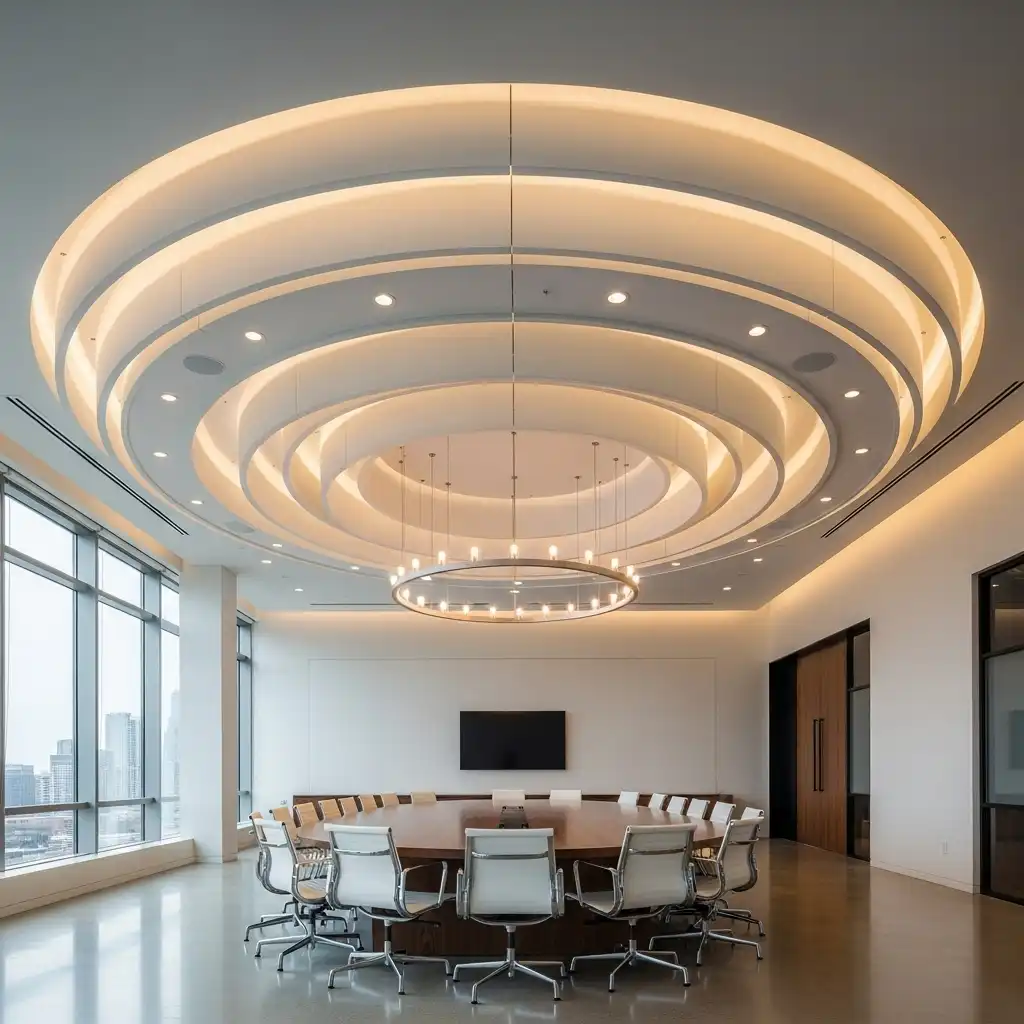
For expansive rooms, specialized suspension systems can support circular or curved drop ceiling panels, softening harsh lines and introducing a sophisticated sculptural element.
12. Perimeter Drop with Ambient Cove Lighting
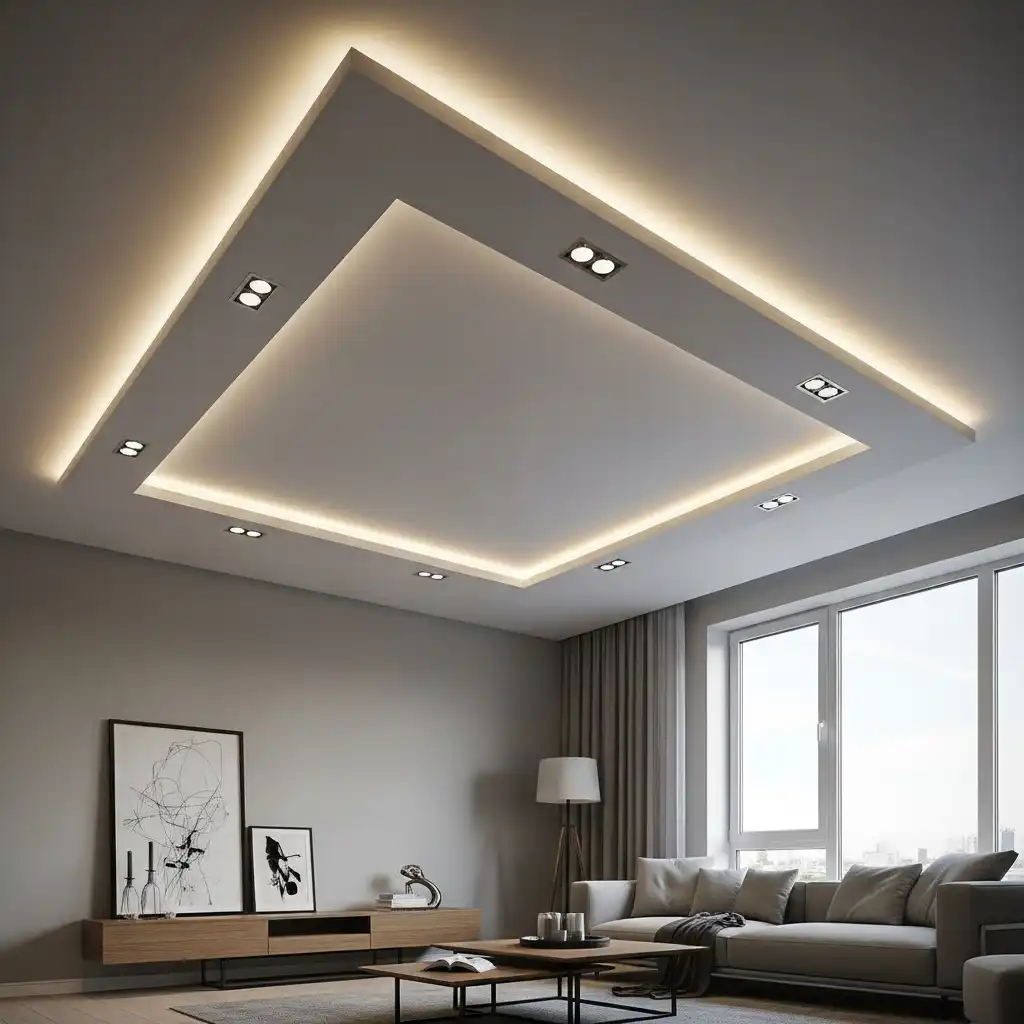
Introducing a lowered ceiling frame only along the room’s perimeter paired with hidden LED strip lighting creates a dramatic indirect upward glow, enhancing architectural depth and warmth.
13. Decorative Drop Beams in Industrial or Loft Settings
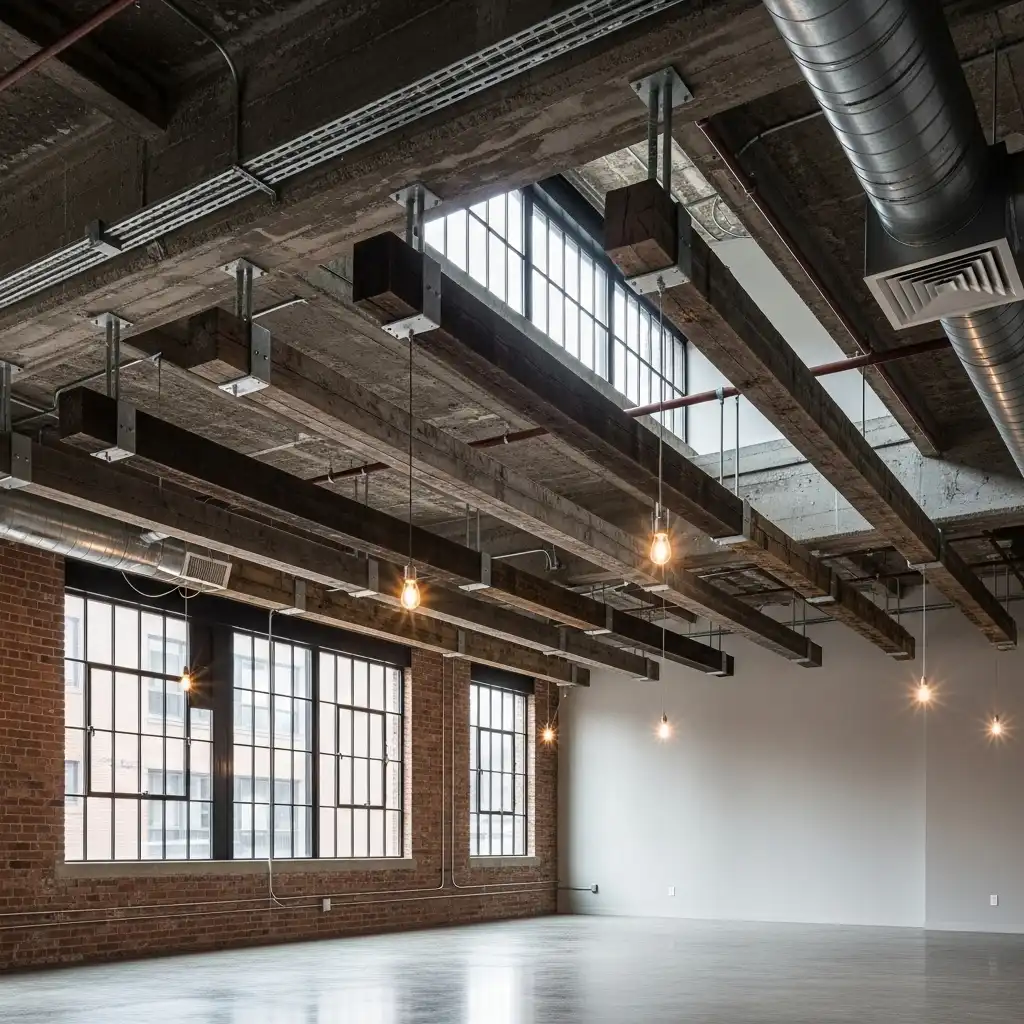
Installing robust faux or reclaimed wood beams suspended below the ceiling adds texture, hides mechanical systems partially, and retains taller headroom, a popular choice in contemporary loft designs reflecting wood beam ideas.
Optimizing Lighting with a Drop Ceiling
The cavity above drop ceilings provides an excellent medium for integrating advanced lighting solutions that transcend basic fluorescent fixtures.
14. Seamless Recessed Lighting Installation
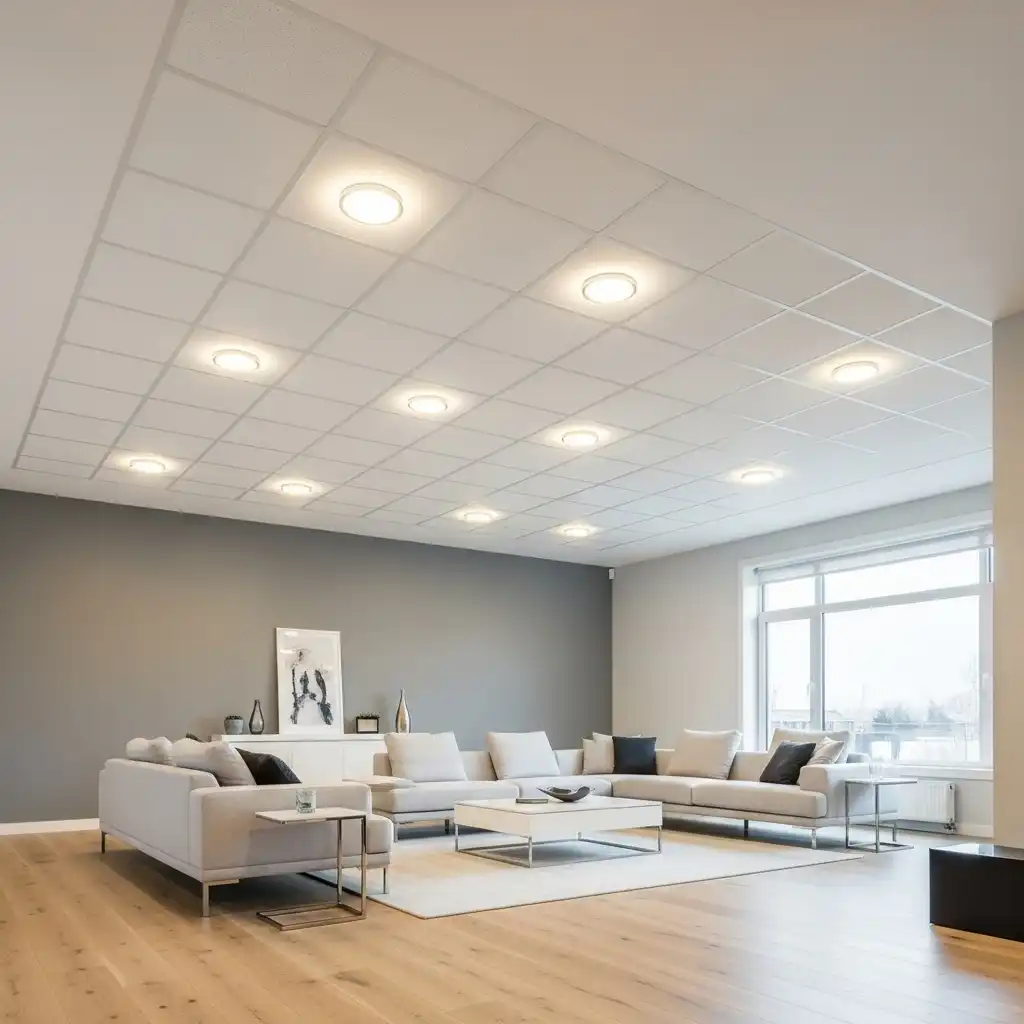
Install recessed downlights into the drop ceiling framework to provide bright, dispersed illumination—ideal for an open-concept living room setting where unobtrusive lighting is essential.
15. Replace Tiles with Modular Light Panels
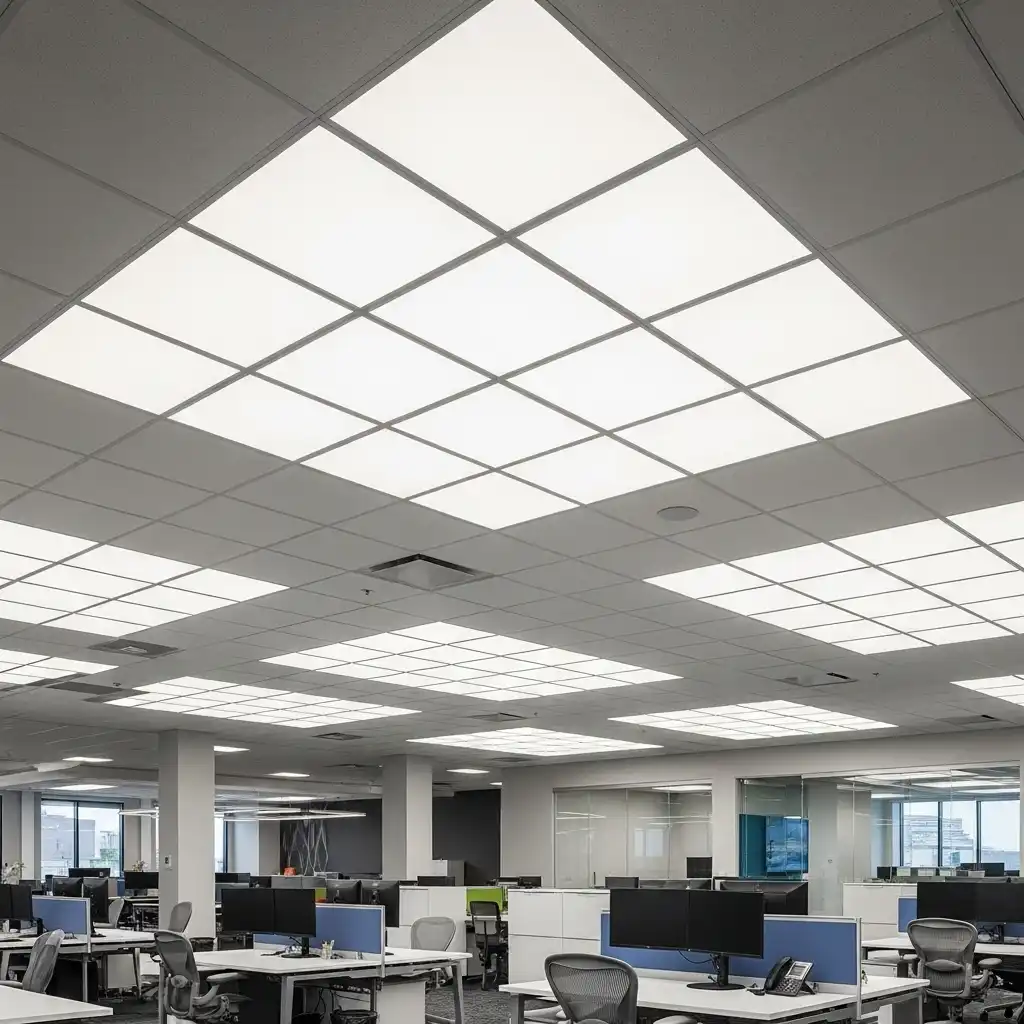
Swap typical tiles for sleek light panels designed to disperse ambient light evenly, enhancing the mood without harshness commonly associated with traditional lights.
16. Hanging Signature Fixtures through Cutouts
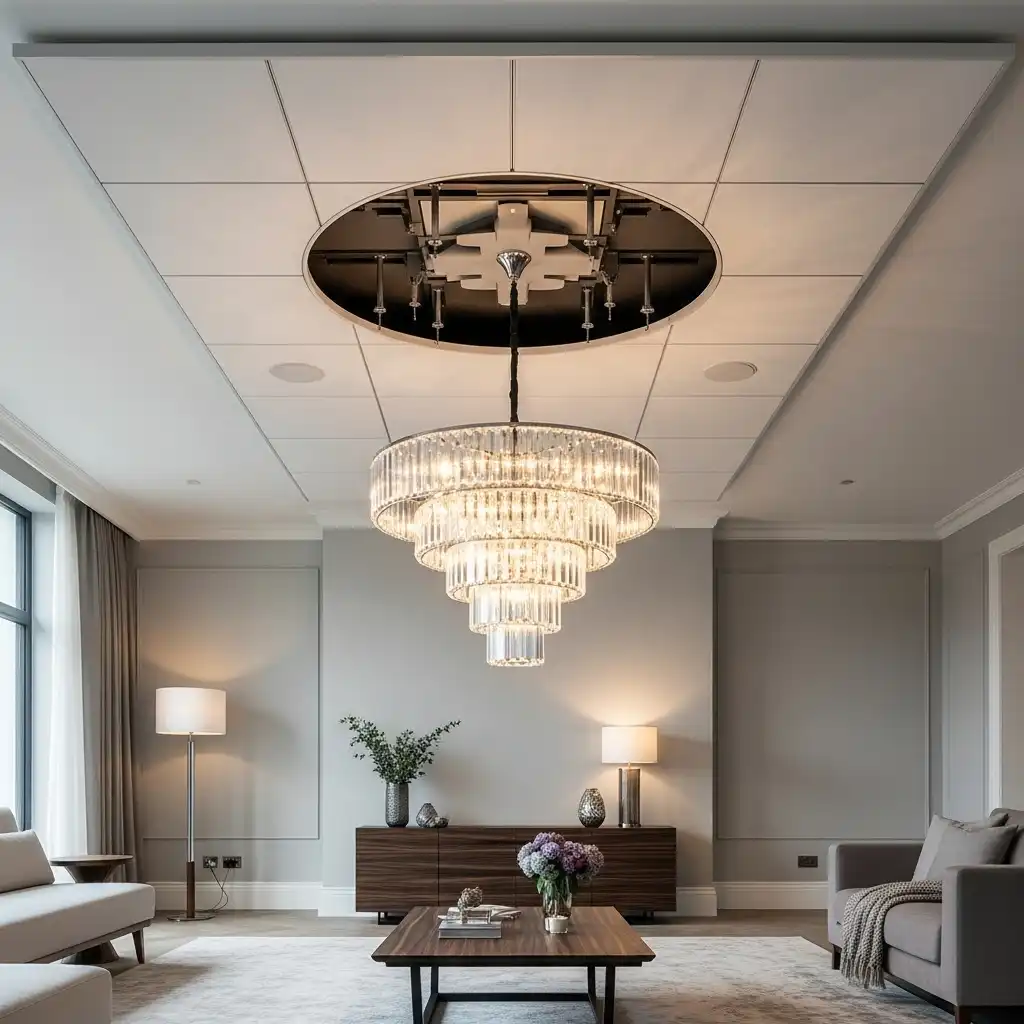
Leverage the structural support above the drop ceiling to mount substantial chandeliers or pendants. Cut precise openings in the tile for fixtures to descend gracefully, serving as captivating focal points.
17. Track Lighting Mounted on the Grid
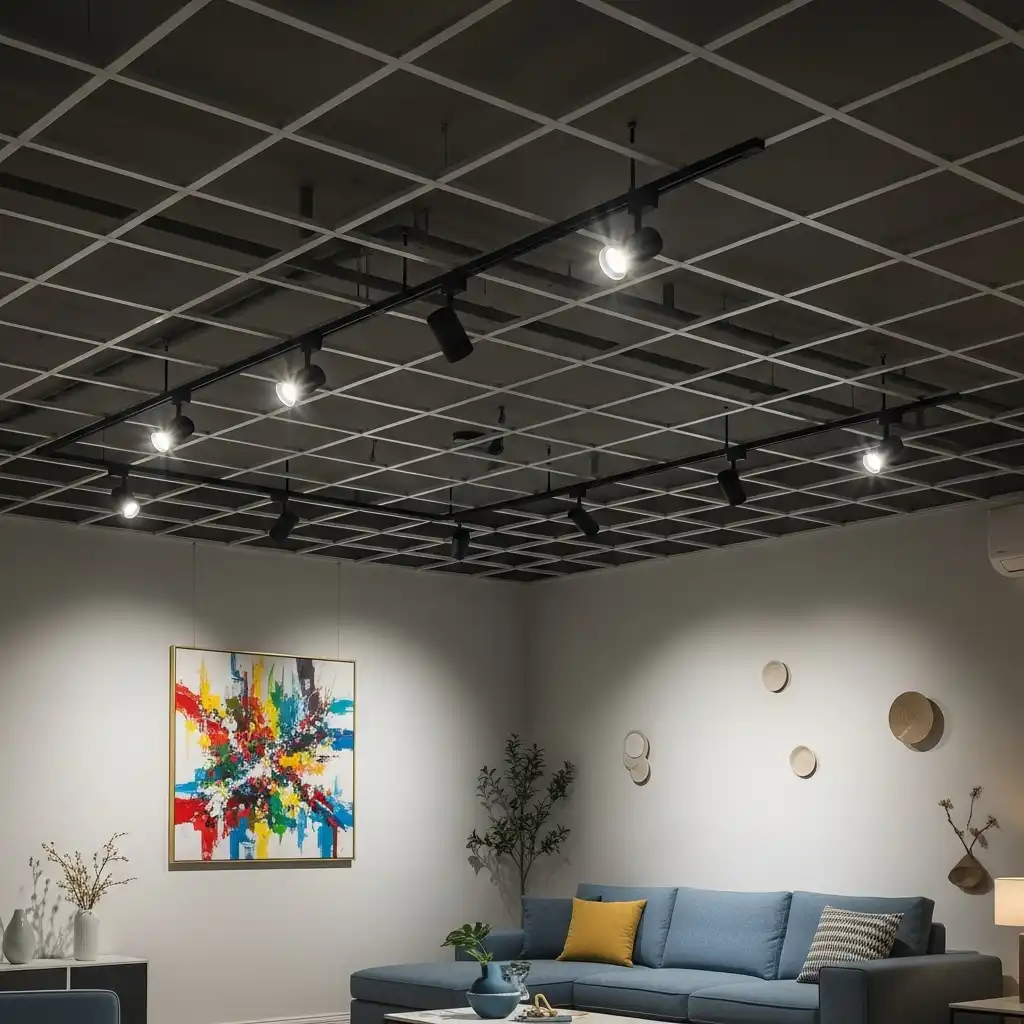
Attach adjustable track lighting to exposed metal grid lines to enable dynamic light positioning, ideal for spotlighting living room wall art or conversation zones.
18. LED Backlit Geometric Openings
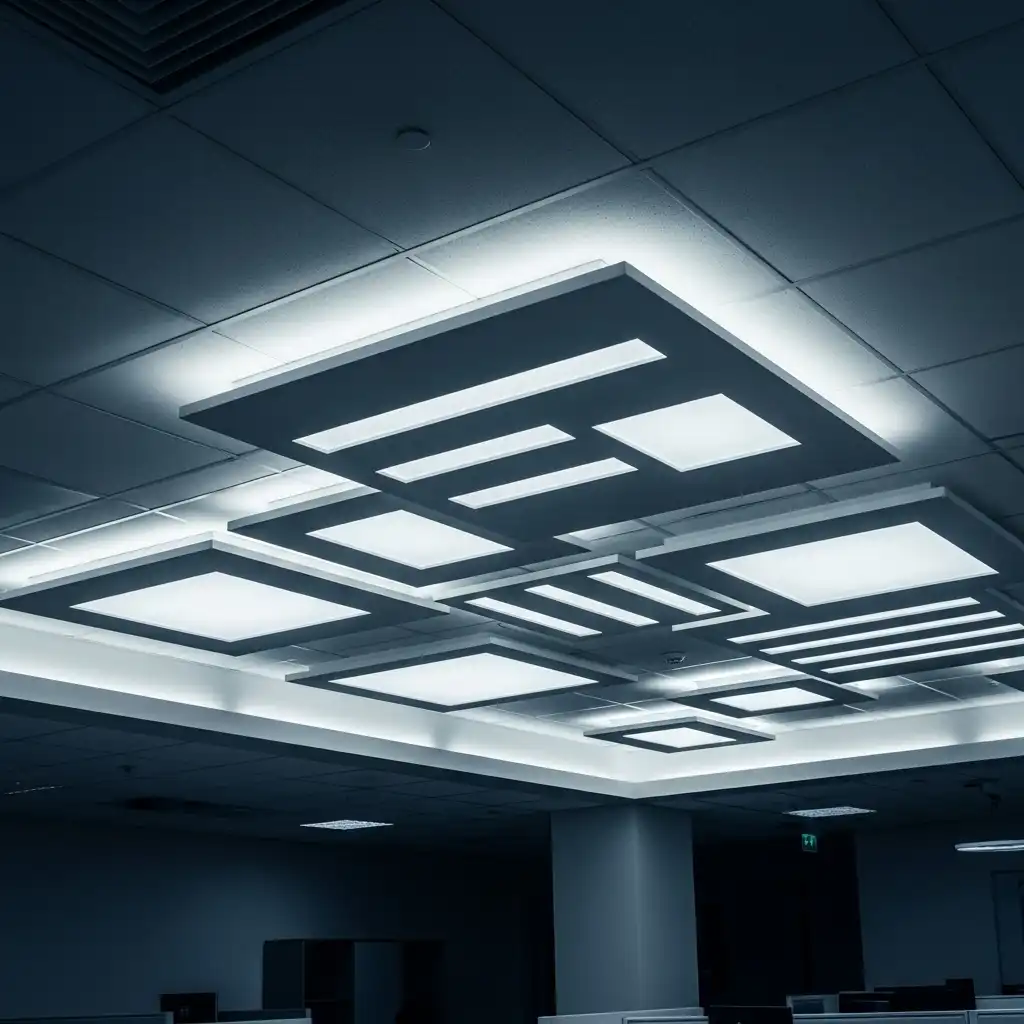
Inset drywall panels with geometric cutouts beneath the drop ceiling, and illuminate them with concealed LED strips to craft an illusion of floating shapes and layered lighting effects.
19. Adding Contrast with Recessed Accent Colors
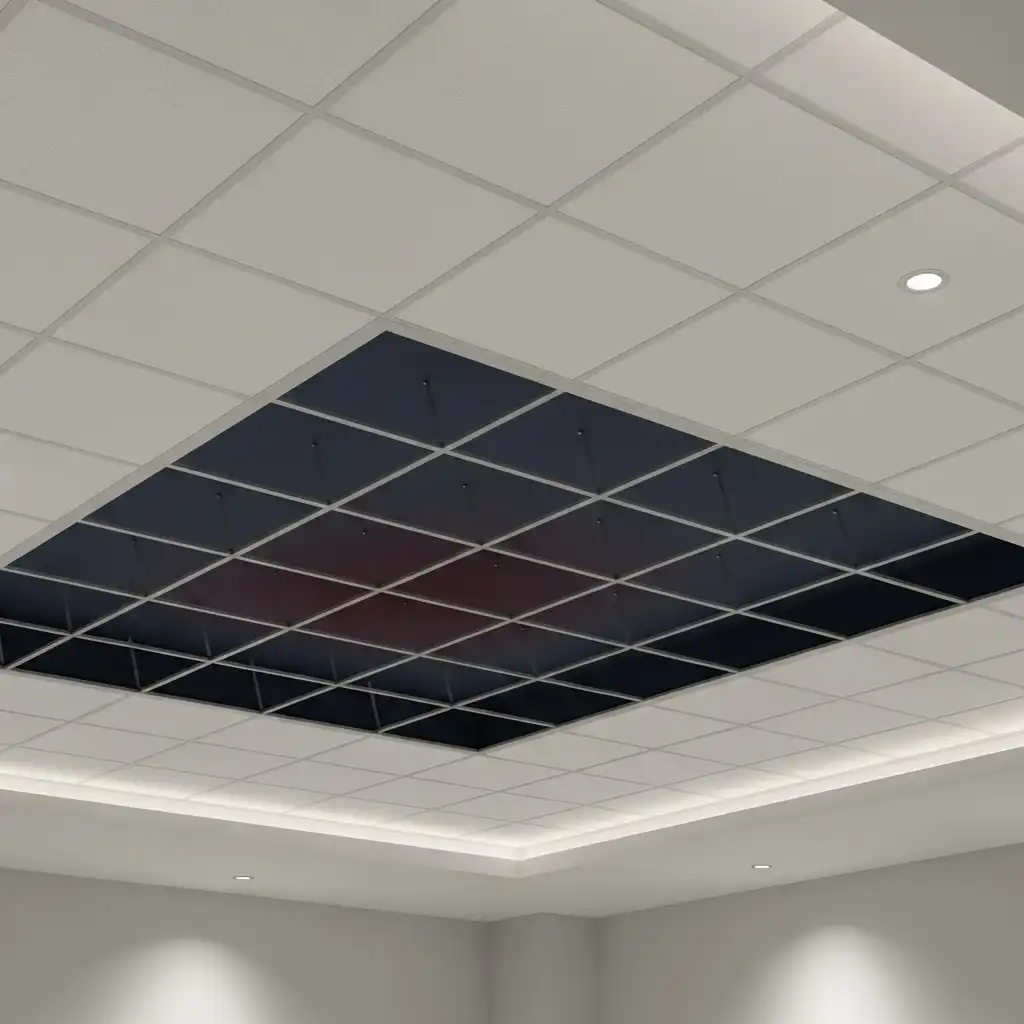
Apply a bold or dark hue behind tiles with tegular edges or reveal gaps for an illusion of greater ceiling depth, emphasizing individual tiles and adding visual intrigue.
20. Elegant Ceiling Medallions Around Fixtures
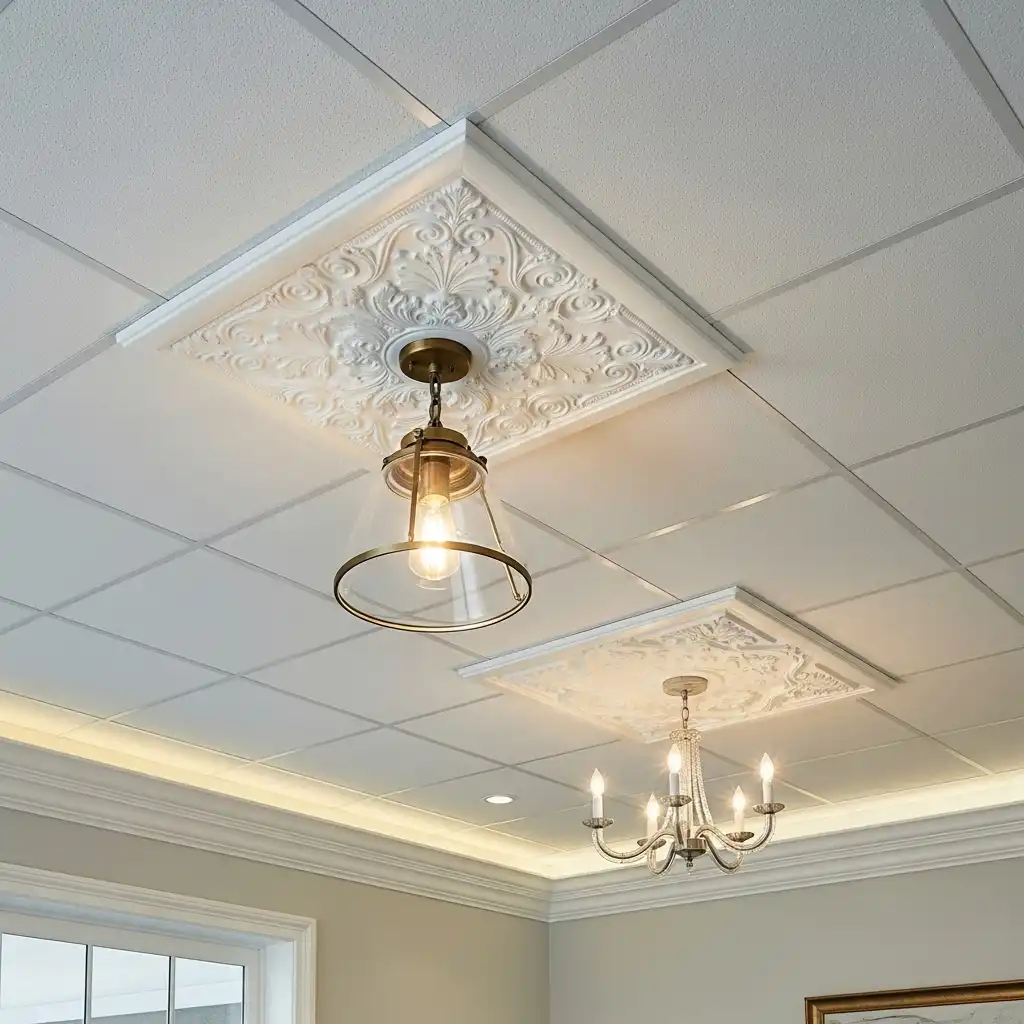
Incorporate lightweight, decorative medallions made from polyurethane or faux plaster at pendant or chandelier install points to instantly inject classical sophistication.
21. Zone Definition Using Different Tiles within the Grid
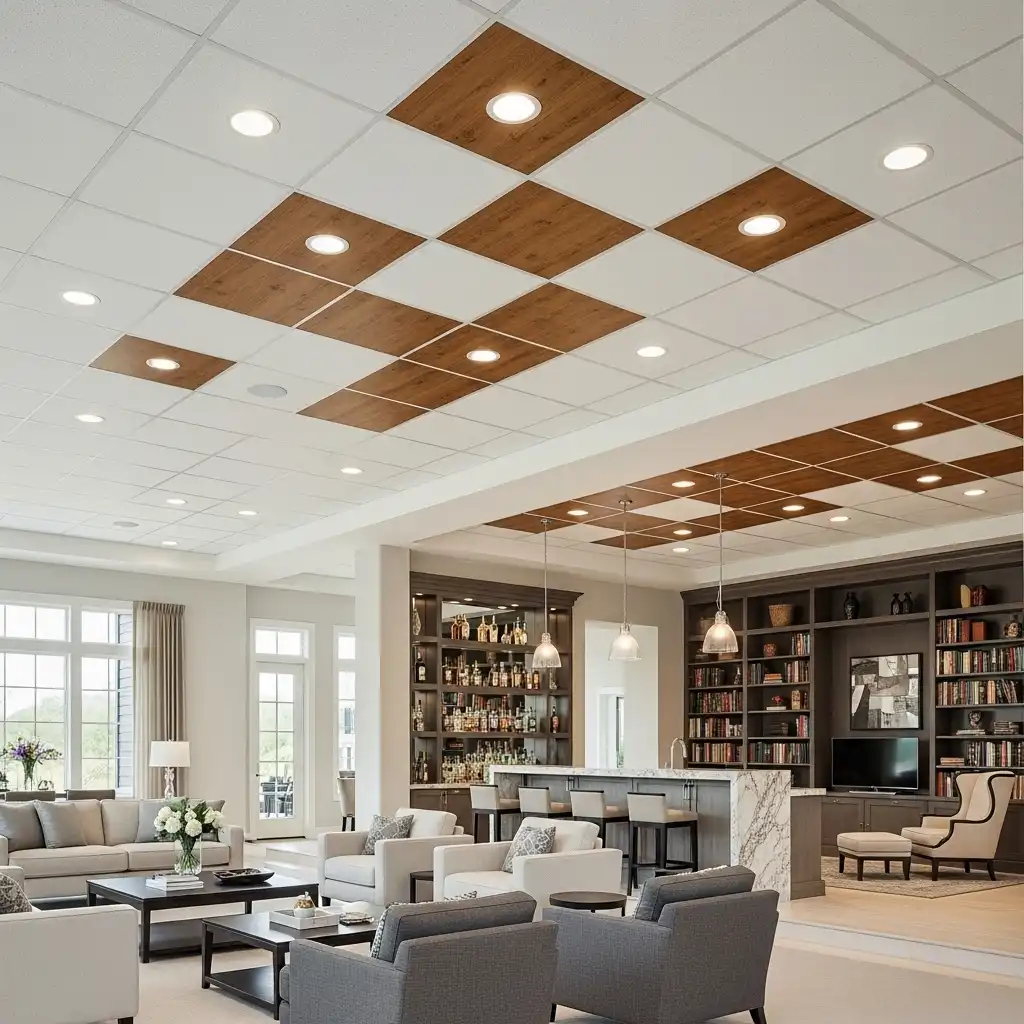
Divide a large open-plan space subtly by mixing tile types within the grid—smooth white tiles for the main living area and wood-look tiles for a bar or home library zone—offering clear yet seamless spatial differentiation.
Final Thoughts
Gone are the days when drop ceilings were purely functional, industrial afterthoughts. With diverse materials, imaginative design approaches, and integrated lighting strategies, suspended ceilings now serve as sophisticated, stylish elements that unify concealment and aesthetics—providing a cost-effective way to elevate any interior space with a custom look.
Frequently Asked Questions
How does a drop ceiling differ from a false ceiling?
They are essentially identical. The term “drop ceiling” or “suspended ceiling” refers specifically to the installation method involving suspension below the primary ceiling, while “false ceiling” highlights the non-load-bearing, secondary nature of this ceiling layer.
Is it possible to install a drop ceiling on my own?
Absolutely. Modern drop ceiling kits are designed for relatively straightforward installation, especially in smaller, rectangular rooms such as basements. However, more elaborate designs or expansive rooms might benefit from professional assistance.
Will a drop ceiling significantly reduce my room’s ceiling height?
Standard drop ceiling assemblies usually consume between 3 to 6 inches of vertical space. For rooms with lower ceilings—something below 8 feet—consider using surface-mounted or direct-mounted panels to keep ceiling height loss minimal.
As an Amazon Associate I earn from qualifying purchases.