 goodworksfurniture Decoration and home design ideas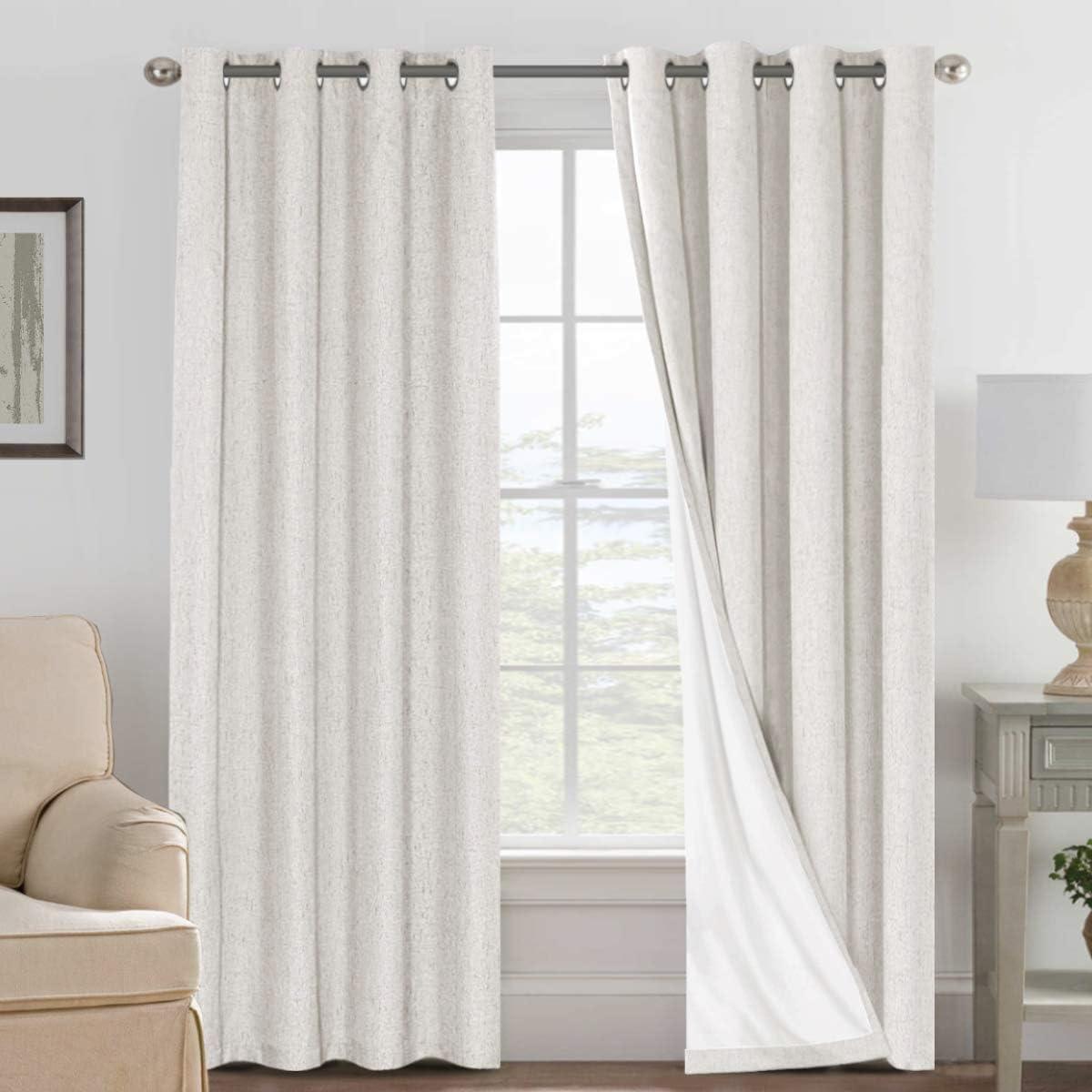
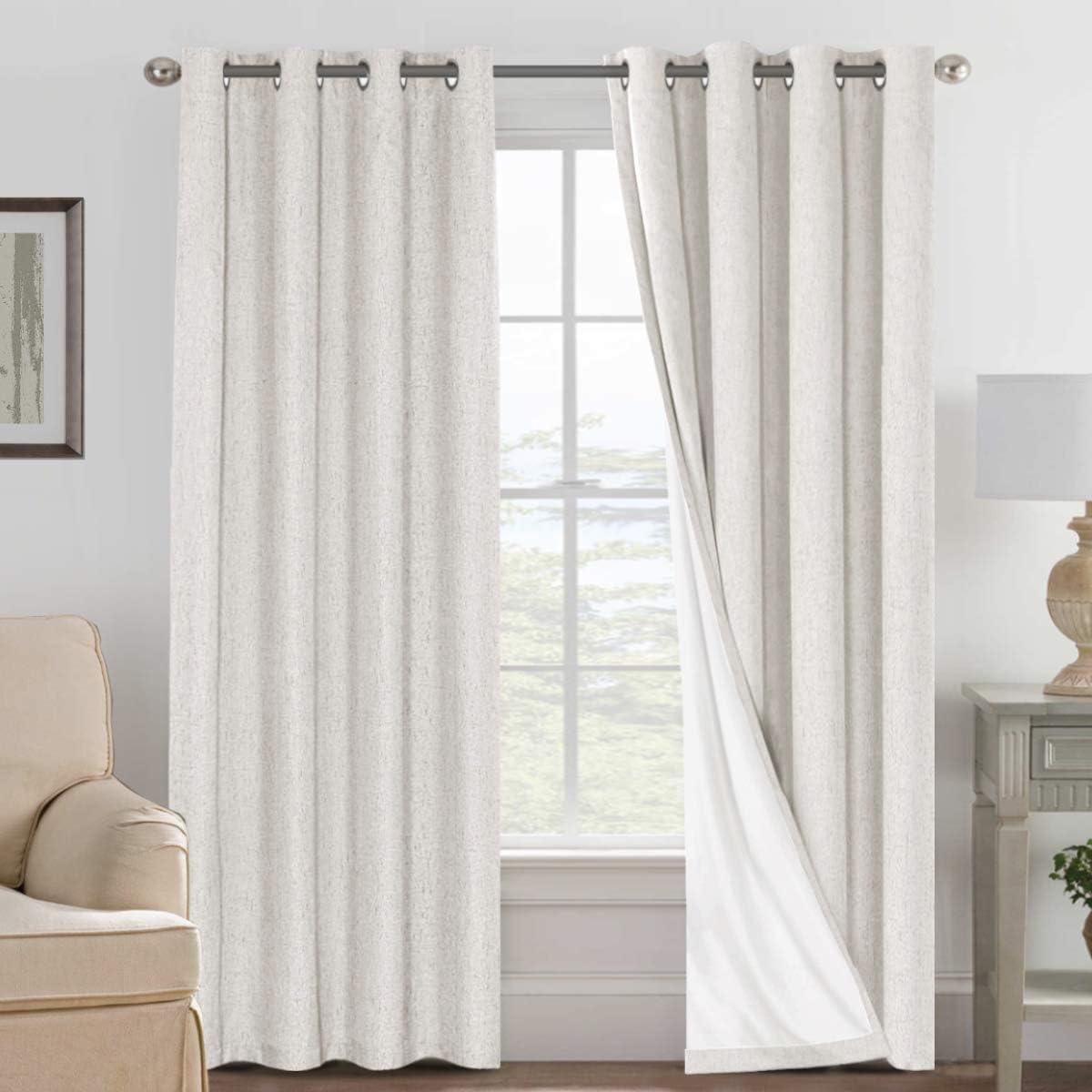
You slide the rod through the eight anti-rust grommets and the two 52″ panels settle into place, their 96‑inch length grazing the floor with a significant, tailored fall. The H.VERSAILTEX 100% Blackout Curtains in Ivory read first as texture — a linen‑like 100% polyester face backed by crisp white flocking that gives the fabric unexpected body and opacity. Up close the weave looks casual but refined; the panels arrive thread‑trimmed and largely wrinkle‑free, and the weight of the blackout lining makes them hang with a composed, restrained drape.Close them on a bright afternoon and the living room shifts toward dusk; that initial presence — scale, material, and finish — shapes the room before you notice anything else.
Overview of H VERSAILTEX Blackout Curtains in Ivory for your room
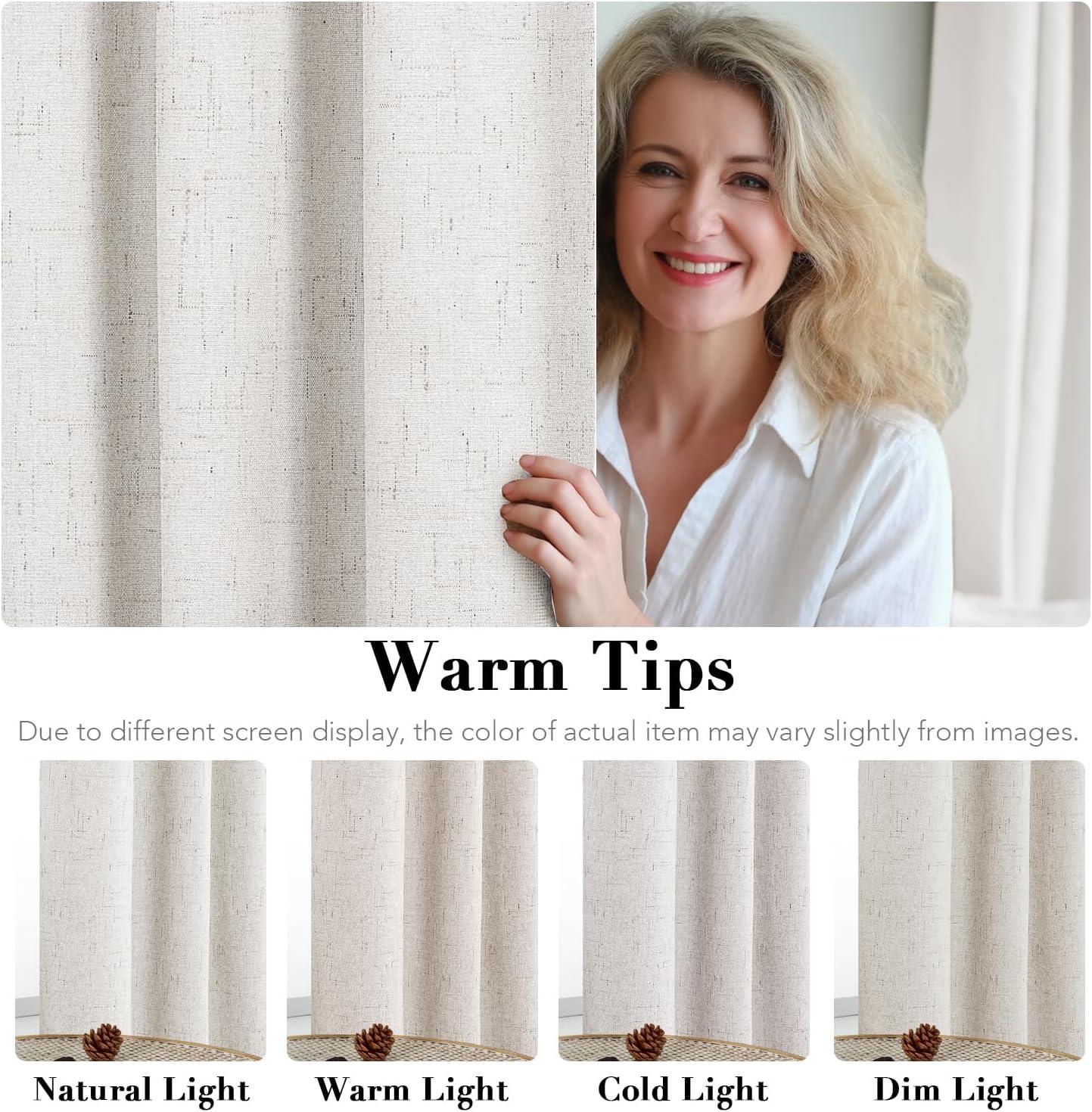
The ivory panels present as a soft, warm neutral that moderates incoming light without making the room feel heavy.In daylight they tend to diffuse direct sun into a gentle, cream-toned glow rather then a stark white wash; at night the same hue reads as a subtle backdrop for artificial lighting. Because the lining uses a lighter backing instead of a greyed tone, the curtain’s surface keeps a clean, airy appearance that affects how colours in the rest of the room register against it.
Observe how the ivory finish interacts with other elements in the space — fabrics, wall colours and metallic accents — and how the curtain’s functional backing alters the room’s atmosphere. Typical observations include:
- Light quality: daylight becomes softer and less directional,producing warmer shadows across upholstery and flooring.
- Visual scale: the pale tone can make small rooms feel slightly larger, while in very large rooms it maintains a calm, uniform backdrop.
- Maintenance trade-off: lighter fabric tends to show dust or marks more readily than darker drapes, a practical note when placing them in high-traffic or cooking areas.
| Room type | Typical visual result |
|---|---|
| Bedroom | Soft, muted light that supports a restful, neutral palette |
| Living room | Bright yet cozy backdrop that complements mid-tone woods and warm metals |
| Home office | Even task lighting with reduced glare on screens in most seating arrangements |
Design and aesthetic details of the linen look drapes for your decor
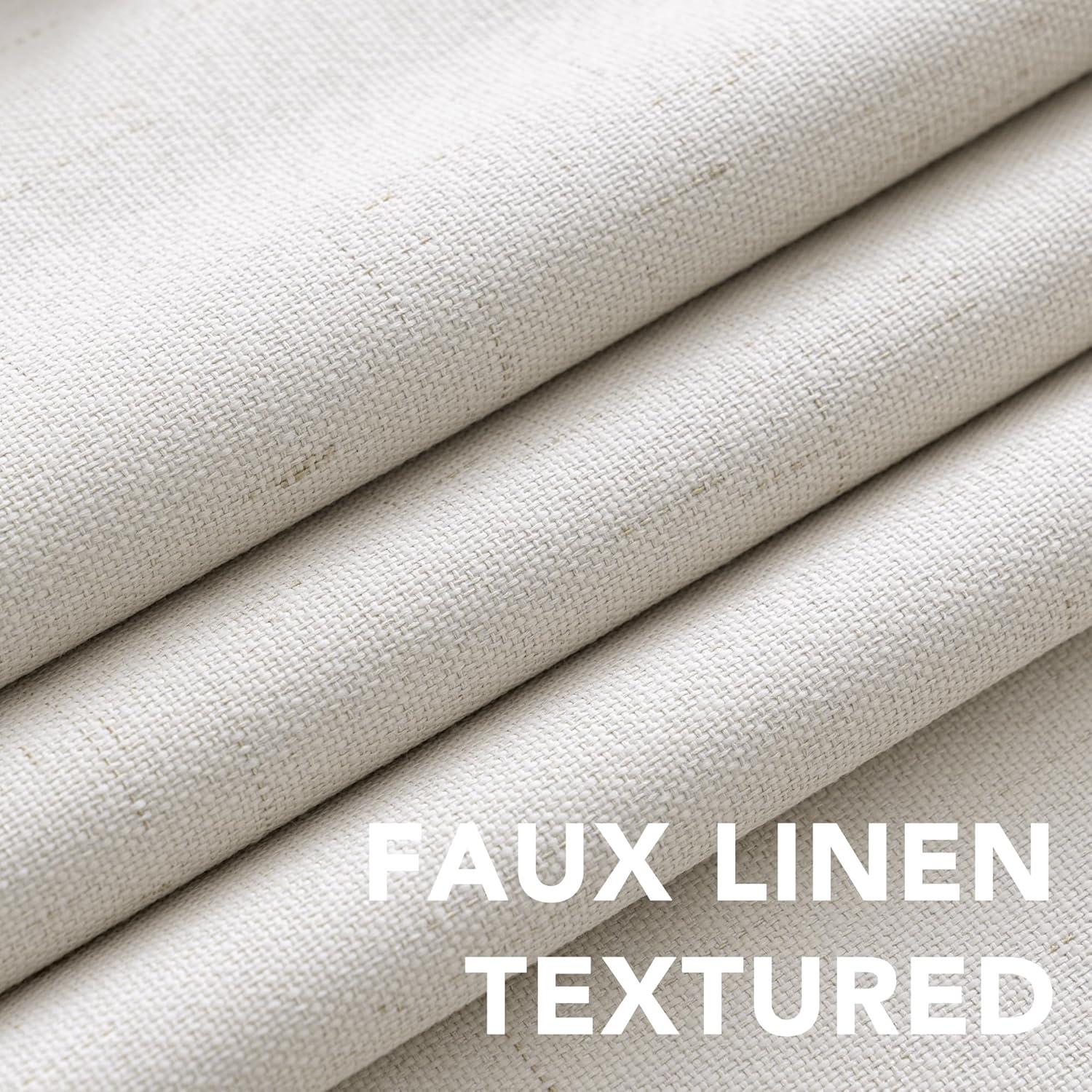
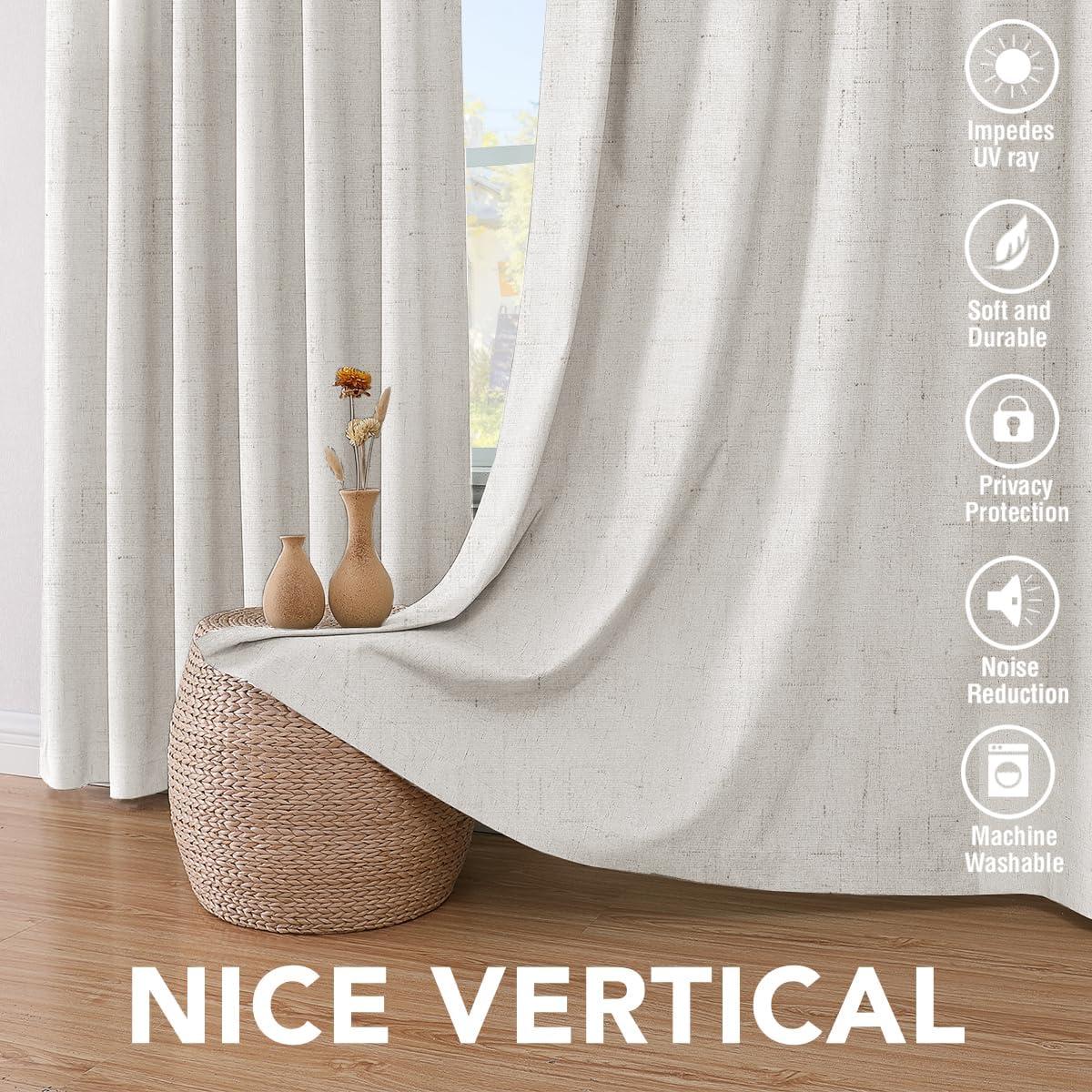
The drapes present a linen-like surface with a subtle slub and a soft, matte ivory tone that tends to diffuse incoming light rather than reflect it sharply. When hung, the fabric forms relaxed, vertical folds that read as gentle waves across the window: the eye is drawn to the rhythm of the pleats and the visible metal rings at the top, which introduce a hint of structure against the otherwise organic texture. Close inspection shows a fine, even weave and discreet hems; seams sit flush enough that stitching does not interrupt the curtain face. In certain lighting the backing’s brighter tone becomes perceptible at the panel edges or where folds part, creating a faint contrast that can brighten the window opening without adding gloss.
How these drapes interact with your room depends on surrounding finishes and layering.Consider these observable styling tendencies:
- Against warm woods: the ivory softens rich grains and can lessen visual heaviness.
- With cool metals: the matte linen look buffers starkness and brings a milder, textured backdrop.
- When layered: pairing the panels with a sheer creates a depth of translucency during daytime and a solid silhouette at night.
| Design element | Visual effect |
|---|---|
| Ivory hue | Warms light, reads neutral in most palettes |
| Linen-like slub | Adds tactile interest and hides minor wrinkles |
| Visible ring-top header | Creates regular pleats and an industrial-modern accent |
Fabric composition, construction, and blackout lining that make up your curtains
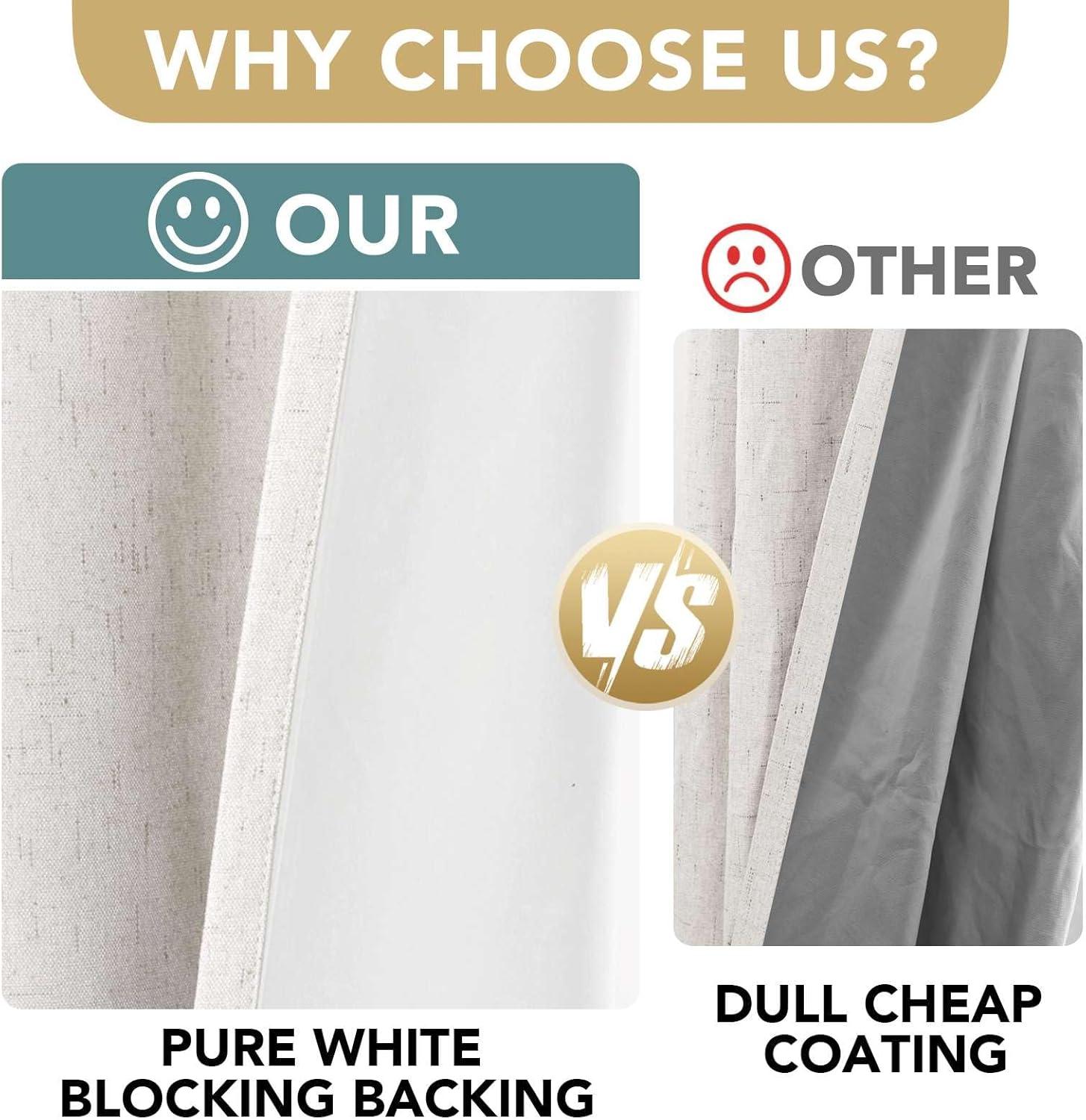
The panels are built from a faux-linen face layer and a separate blackout backing, so your curtains read as a two‑layer textile assembly rather than a single coated fabric. The visible layer is a textured, linen‑look weave made from 100% polyester, designed to mimic natural linen’s slub and surface variation. Behind that is a pure white, flocked blackout lining described as a 100% blackout layer; this backing is applied to block bright sunlight and ultraviolet radiation and to create an opaque appearance from the room side. The product literature also notes a Global Recycled Standard certification for the fabric and indicates the blackout system is vinyl‑free, a detail that affects weight and hand. Below are the primary material elements at a glance:
- Face fabric: 100% polyester,linen-like textured weave
- Blackout backing: white flocked lining,100% blackout construction
- Finishing: thread‑trimmed hems and a wrinkle‑controlled finish
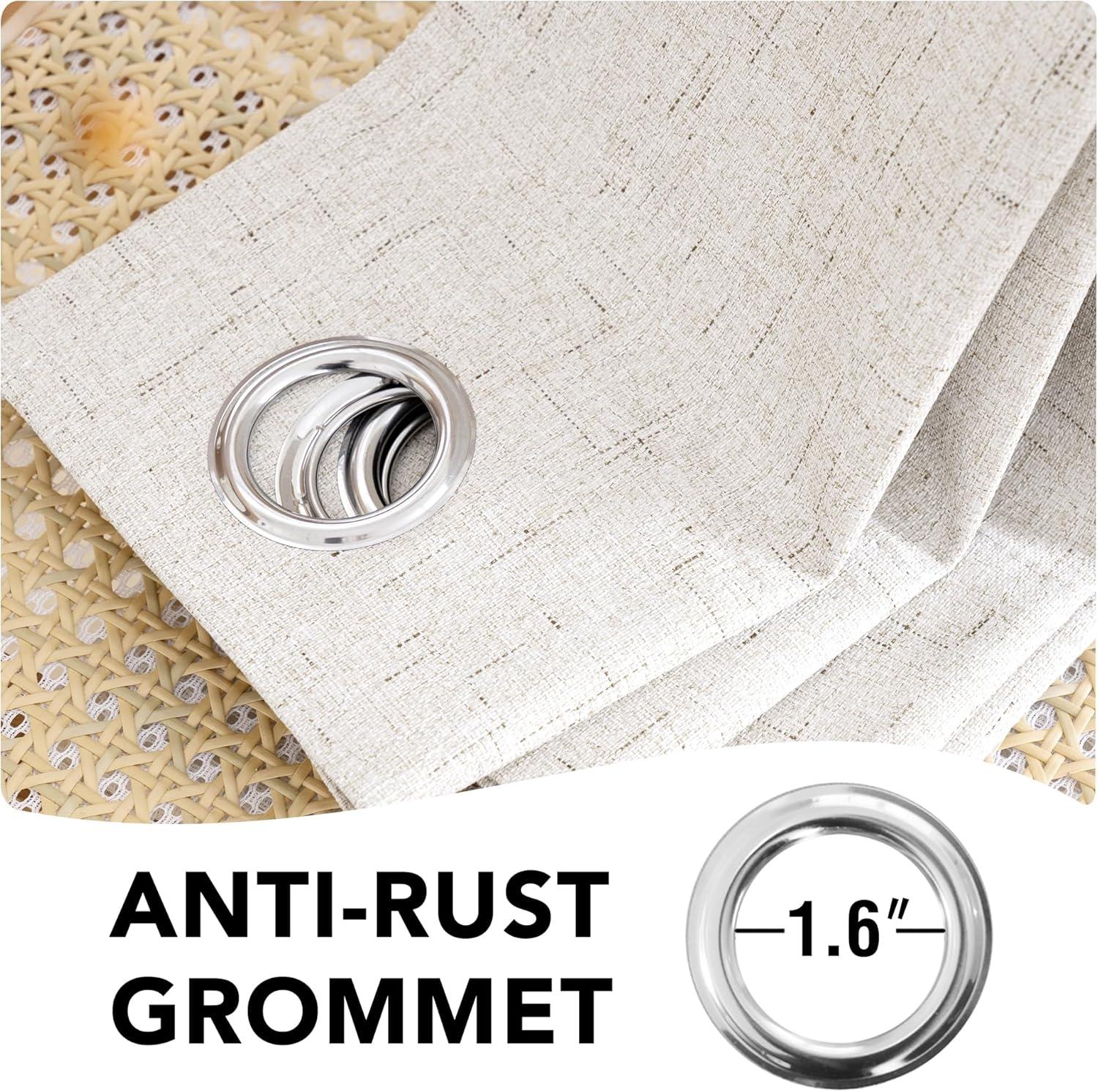
The construction emphasizes a sewn,layered approach where the flocked backing is bonded to or stitched with the face cloth so the panels drape with a relatively full hand and reduced translucence. Stitching and hem finishes are trimmed for a clean edge, and each panel includes corrosion-resistant metal grommets set into the top header to accommodate standard curtain rods.In practise this assembly tends to produce a heavier, more structured drape than a single lightweight curtain; the added backing both increases opacity and alters how the fabric hangs and interacts with light. The table below summarizes the components and their intended functions.
| Component | Material | Primary purpose |
|---|---|---|
| Face fabric | 100% polyester, faux‑linen weave | Room‑side texture and visual appearance |
| Blackout backing | White flocked lining, 100% blackout | Light and UV blockage; increases opacity |
| Finish & hardware | Thread‑trimmed hems; anti‑rust grommets | Clean edges, hanging and durability |
comfort factors and light control characteristics in your space
How daylight and artificial light behave with these drapes will shape how comfortable your room feels at different times of day. In practice, the lining creates a markedly darker interior when panels are drawn, which affects sleep, screen use and privacy in distinct ways. The curtains also alter sound and thermal sensation in subtle ways — the fabric body and backing tend to soften background noise and reduce convective chill near windows, so rooms can feel less drafty and slightly quieter when the panels are closed. Below are the primary comfort and light-control characteristics you can expect to notice in a lived-in space:
- Darkening: Significant reduction of incoming daylight, useful for sleep or media viewing.
- Glare reduction: Lower reflected light on screens and glossy surfaces, making daytime TV and computer use more comfortable.
- Privacy: Limited visibility from outside once panels are closed, particularly after dusk.
- Thermal feel: A tendency toward slightly cooler interiors in direct sun and a modest barrier against heat loss at night.
- Sound dampening: Noticeable muffling of high-frequency noises, with less effect on low-frequency sounds.
Light control in real rooms rarely equals a perfectly sealed, even blackout; small leaks appear at the edges, between panels, or around hardware, and the way you hang the panels changes the outcome. Grommet-mounted panels sit a bit off the wall where a slim band of light can enter at the top, while overlap at the center and generous side coverage reduce perimeter light. Movement of the fabric—flutter from drafts or frequent opening—also affects perceived comfort,since a still,closed panel blocks best and a shifting one can feel draftier.
| Typical Light Condition | Typical In‑Room Effect |
|---|---|
| Direct midday sun | Room becomes markedly darker; glare largely eliminated where panels cover the window |
| overcast daylight | ambient light reduced to a dim, even tone suitable for relaxed activities |
| Late afternoon/angle light | Strong reduction of streaks and glare, but thin bands of side light may remain |
| Night with interior lights on | High privacy; faint silhouettes may show if there are close exterior light sources |
Dimensions, fit, and hanging options for your windows
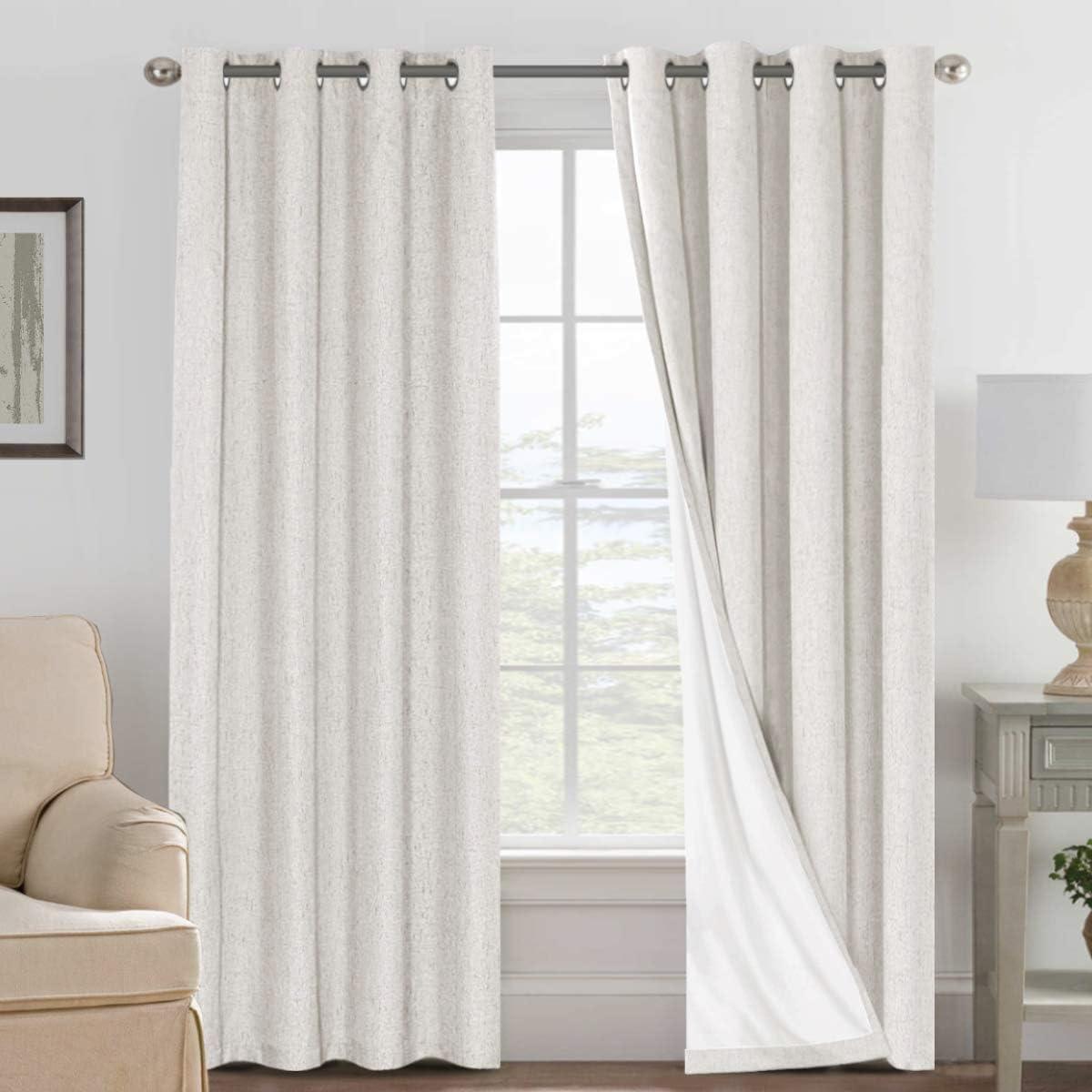
These panels arrive in a two-panel set; each panel measures 52″ wide by 96″ long, which gives a combined width of 104″ at full closure. The fabric is thread-trimmed and designed to lie relatively flat when hung, so the listed width reflects the finished measurement rather than an unhemmed cut. In practical terms the dimensions affect how much fabric gathers at the sides (stack-back) and how the curtain hangs over window trim or reaches the floor. Key measurements at a glance:
- Single panel: 52″W × 96″L
- Pair: 104″W × 96″L
- Grommet fit: accepts rods up to 1.5″ diameter
| Item | Measurement |
|---|---|
| Each panel | 52″ × 96″ |
| Pair combined | 104″ × 96″ |
| Recommended rod max diameter | 1.5″ |
The panels use an 8-grommet header per panel that slides directly onto a rod; the grommet construction creates evenly spaced folds rather than pleats and lets the panels move freely along the rod. Because the grommets accommodate rods up to 1.5″ in diameter, typical single curtain rods and many decorative rods are compatible, while clip-on rings or narrow café-style hardware will not work without modification. Other hanging considerations include:
- Stack-back — the paired width determines how much fabric remains beside the window when panels are drawn open; tighter gathers reduce visible window area.
- Mounting height — installing the rod higher above the frame will increase perceived drop and can change where the panels graze the floor.
- Layering — the grommet style can be combined with an inner sheer on a separate rod (double-rod setups) so the blackout panels run on the outer rod.
Usability features plus maintenance and care notes for your everyday use
The top-mounted metal grommets make installation and daily use straightforward: they slide smoothly along a rod and produce even folds as you open and close the panels. As the panels include a lined backing and a denser weave, they tend to hang with more weight than unlined drapery, which is useful for maintaining a neat drape but can require a sturdier rod or finials that allow free movement. If you adjust the stack-back (how far the fabric collects at the sides) you’ll notice differences in light spill at the edges, so take a moment during hanging to align the hems and overlap the panels if you want tighter coverage. For quick freshening between washes, a few firm shakes, a light vacuum with a brush attachment, or running a handheld steamer along the face will reduce dust and surface creases without affecting the lining in most cases.
Always follow the manufacturer’s care label and the basic safety notes: keep curtains away from open flames and other heat sources, and disconnect nearby electrical devices before cleaning. Typical care steps observed on the label include machine washing in cold water, using only non‑chlorine bleach when needed, tumble drying on low, and using a warm iron if necessary. The table below summarizes those settings for quick reference, and the short list that follows highlights routine maintenance tasks and mild limitations you may notice over time. Care at a glance:
- Dusting: Vacuum with a soft brush or shake out weekly to prevent surface buildup.
- Spot cleaning: Blot stains quickly with a mild detergent solution; avoid harsh scrubbing that can affect the backing.
- Drying considerations: The lining can retain more moisture than single‑layer curtains, so allow extra drying time to prevent mustiness.
| Action | Recommended Setting |
|---|---|
| Machine wash | Cold water, gentle cycle |
| Bleach | Only non‑chlorine bleach when needed |
| Tumble dry | Low heat |
| Ironing | Warm iron as needed; use low heat on the lining side |
Who these curtains suit and where they may be less suitable for your space
Usage patterns show these panels most frequently enough in spaces that benefit from strong light control and added privacy. Common contexts include sleeping areas and media rooms where daylight needs to be suppressed,rooms facing busy streets where privacy is a priority,and interior divisions that require a substantial,opaque drape rather than a sheer. In many cases the visual weight of the panels and their full light‑blocking backing make them a practical choice for larger windows and patio doors; they also tend to be chosen where a simpler,contemporary header is acceptable. Below are typical settings where these characteristics appear most often:
- Bedrooms and shift‑worker sleep spaces — frequent use for darkening and privacy.
- Home theaters and media rooms — where light suppression supports screen viewing.
- Napping areas and nurseries — daytime light control for rest periods.
- Street‑facing apartments or ground‑floor rooms — added visual privacy and reduced glare.
There are also scenarios where these panels tend to be a less natural fit. Rooms that rely on delicate, translucent layers to diffuse daylight — or very narrow or small windows where heavy panels visually overwhelm the opening — commonly see less harmony with this style. Conventional interiors that favor ornate headings or very lightweight finery sometimes contrast with the cleaner, contemporary drape profile and substantial backing. The table below summarizes common fits and mismatches as observed in typical installations.
| Typical fit | Potential mismatch |
|---|---|
| Large bedroom windows and patio doors | Very small or narrow windows where panels dominate the frame |
| Media rooms requiring darkening | Rooms that depend on layered sheers for soft light |
| Street‑facing spaces needing privacy | Highly ornate, traditional interiors preferring tailored headers |
How these curtains perform in everyday rooms and real life scenarios you might encounter
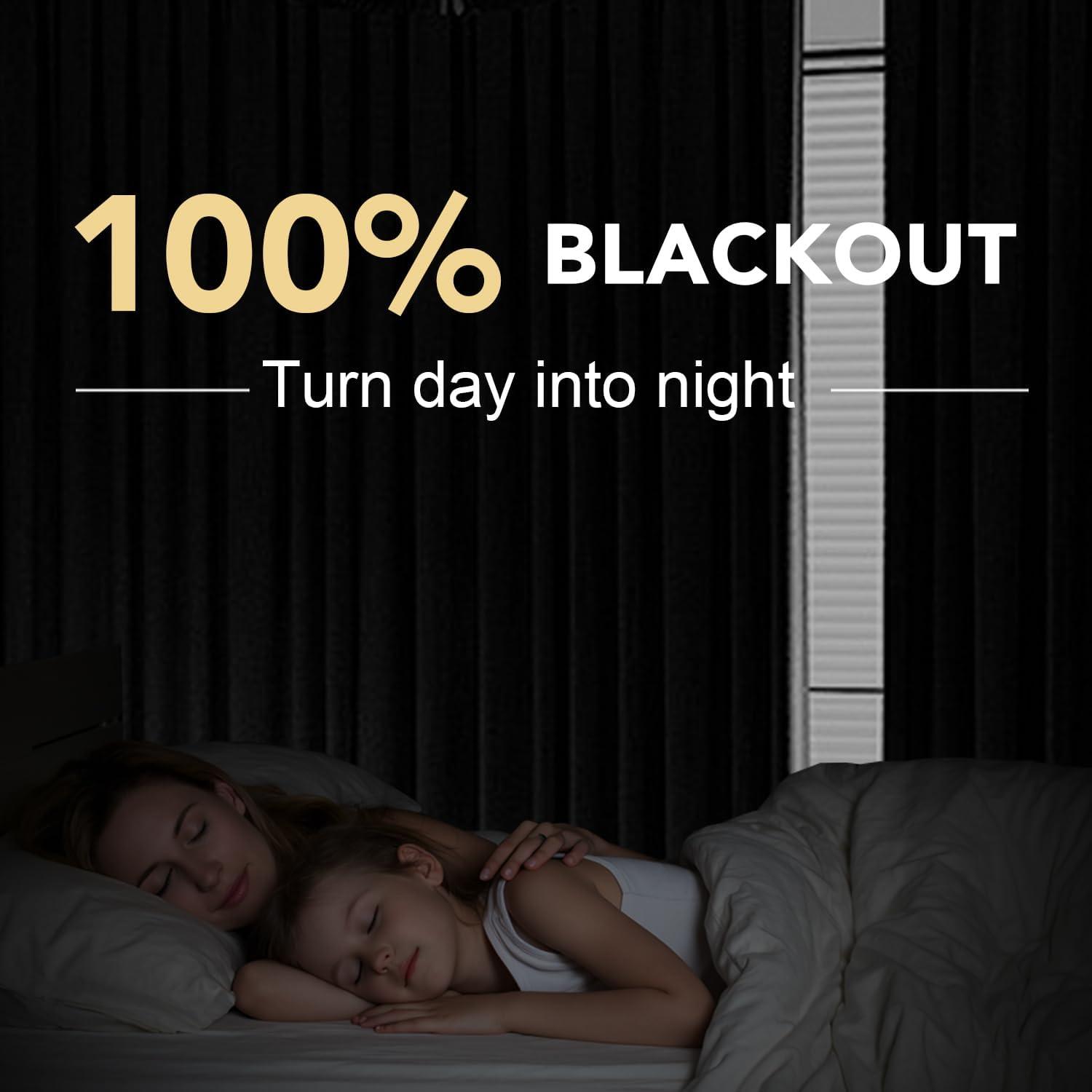
When you hang these curtains in everyday rooms you’ll notice how they interact with common household conditions. In a bedroom,they tend to transform a sunlit morning into a dimmer,more sleep-pleasant habitat, and in a nursery they can help darken nap times while still letting the room feel airy at the edges. In a home office the lining frequently enough reduces screen glare enough to ease eye strain during late-afternoon work, and in a living room they provide a quick way to increase privacy without making the space feel heavy.Around patio doors or drafty windows they can act as an extra barrier to drafts and street noise, though seams and edges may still admit some light and sound where the panels meet the frame. You may find the panels easier to open and close than fabric-only drapes because of the top mounting style, which affects daily use more than static qualities like texture or pattern.
Daily care and interaction also shape real-life performance. The panels respond predictably to routine laundering and handling—follow the supplied care instructions and avoid heat sources nearby—so their look and function hold up through regular washing and repositioning. The table below summarizes typical observations you might notice across rooms, and the short list highlights a few practical behaviors to expect during everyday use.
- Quick adjustments: Sliding and realignment are straightforward on most standard rods.
- Maintenance notes: Machine washing in cold water and tumble drying low tends to preserve the backing; steam or warm ironing can smooth wrinkles after hanging.
| Room / Scenario | Common effects observed |
|---|---|
| Bedroom (daytime) | Marked reduction in incoming daylight; edges may allow small light gaps |
| Living room (TV or glare control) | Lowered glare and increased privacy without darkening the entire room |
| Home office | Less screen reflection and a calmer light balance for video calls |
| Patio/doorway | Noticeable draft resistance; movement of panels can trap air |
Final Thoughts
In the room, the H.VERSAILTEX 100% Blackout Curtains Ivory,Linen Blackout Curtains 96 inch Curtains 2 Panel Set occupies it’s place with a quiet,vertical presence that alters the way the space reads. You’ll notice the linen-like texture and substantial weight that contribute to a sense of comfort, and the construction details — hems and grommets — that point toward everyday durability. Light control, fabric hand, and the steady presence on the window are the primary characteristics observed, presented here as neutral impressions rather than a verdict.
As an Amazon Associate I earn from qualifying purchases.