 goodworksfurniture Decoration and home design ideas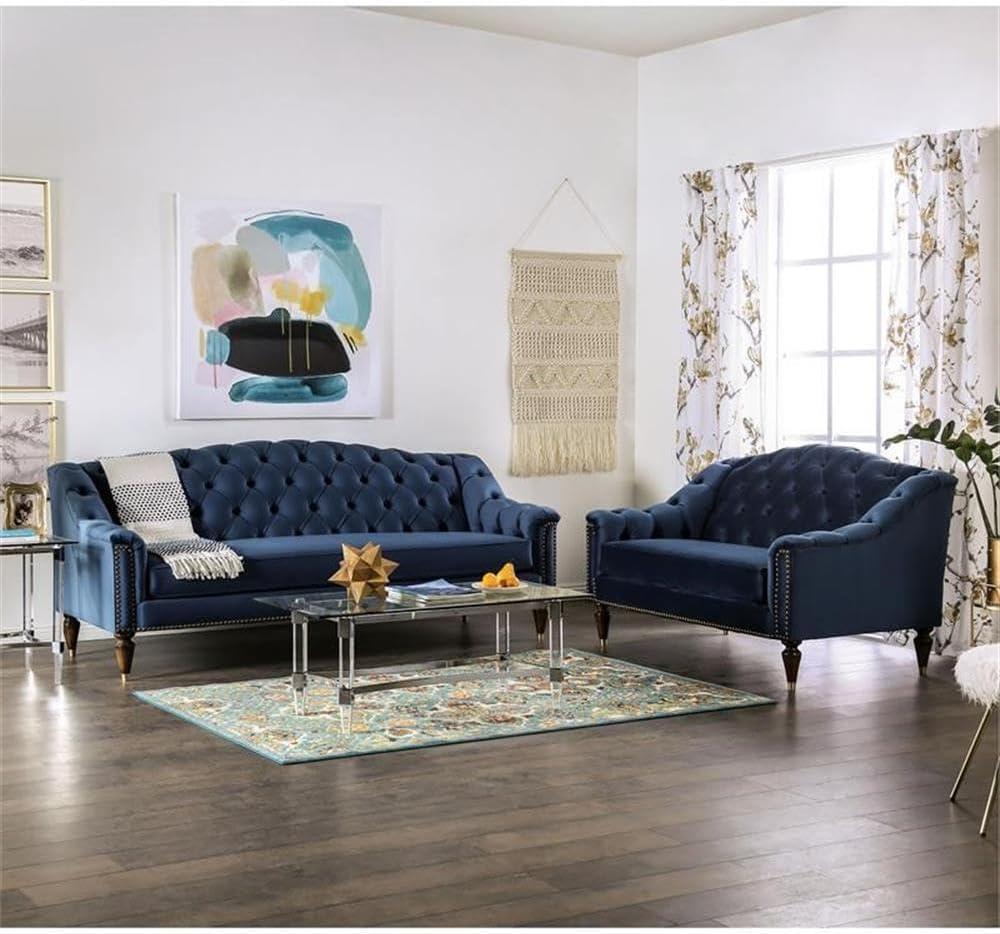
as you step into the room, the furniture of America Tidi Transitional Fabric Tufted 2-Piece Sofa Set in Blue reads as an immediate focal pair: a low, slightly curved back, rolled arms with button tufting, and a faint nailhead outline that sharpen the silhouette. Up close the velvet-like polyester is smooth and cool under your hand, while the cushions give a measured, even sink; the turned wooden legs and visible frame lend a solid, grounded stance. In terms of scale the sofa’s long horizontal sweep and the loveseat’s companion width create a clear footprint, and the 21″ seat height with 25″ depth shapes how you settle in. Those frist moments — sightline, surface texture, and the set’s physical mass in the room — are what you notice before anything else.
Overview for your space of the Furniture of America Tidi Transitional Fabric Tufted Two Piece Sofa Set in Blue
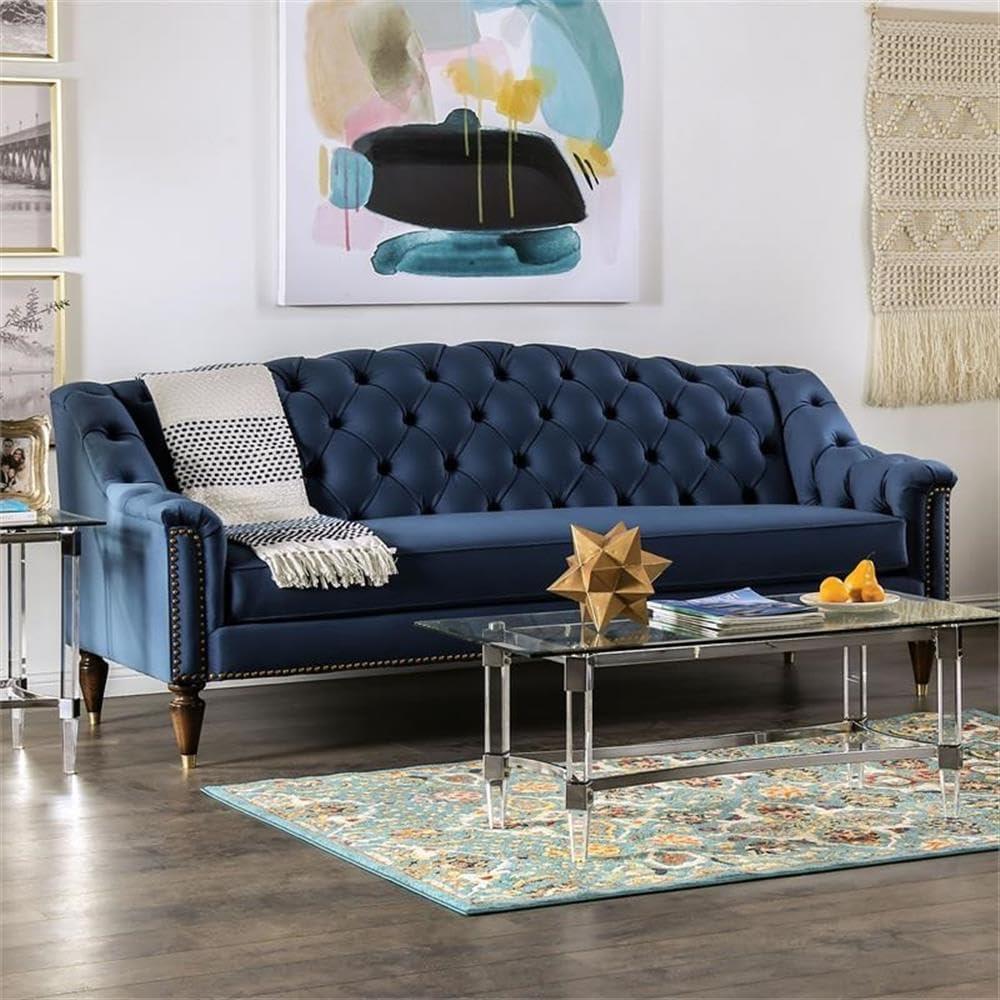
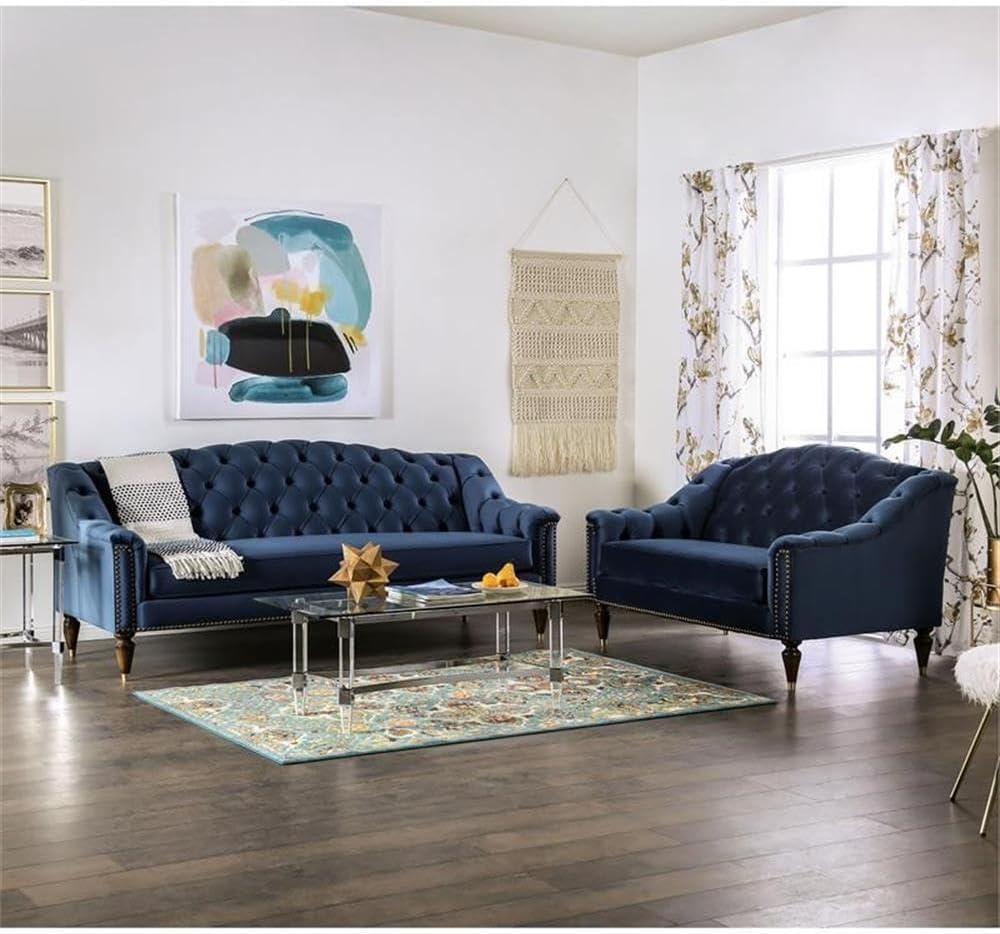
The two-piece configuration presents a noticeable visual anchor in most living areas, with the rounded backlines and tufted silhouette creating a continuous horizontal mass that tends to draw attention. The blue upholstery functions as a color block that can either blend into a cooler palette or serve as a focal tone against neutral walls; light levels and surrounding textures will change how saturated the color feels. Arrangement possibilities are varied and can be described in simple terms:
- Facing — forms an intimate conversation area centered around a coffee table or rug.
- L-shaped — uses the two pieces together to define a corner seating zone without permanent built-ins.
- Separated — places the loveseat opposite or adjacent to the sofa to delineate separate traffic paths or multitasking areas.
| Layout | Typical effect on space |
|---|---|
| Facing | creates a compact social core and concentrates activity in one spot |
| L-shaped | Maximizes seating while keeping one side open for circulation |
| Separated | Helps define multiple zones in an open-plan room |
Because the pieces sit on turned legs, the overall visual weight is somewhat lifted rather than fully grounded, which can help maintain a sense of openness under and around the furniture. The set’s decorative details introduce vertical texture and a formal rhythm that may make a low-ceilinged room feel more composed, while in larger rooms the two-piece format tends to read as part of a layered seating scheme rather than a lone centerpiece. In many layouts the mobility of two separate pieces allows for occasional reconfiguration to accommodate everyday movement or different social patterns.
View the full product listing and current configuration details
Design and visual details you will notice in the tufted transitional silhouette
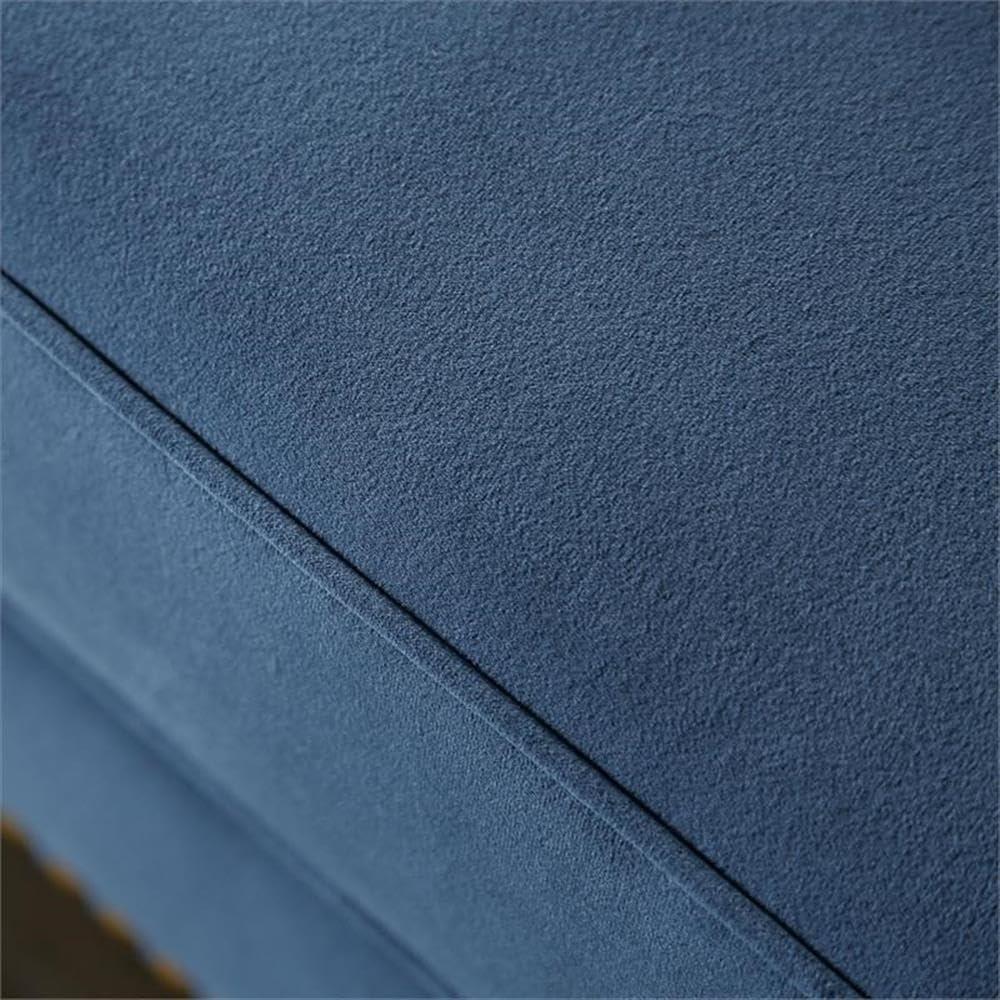
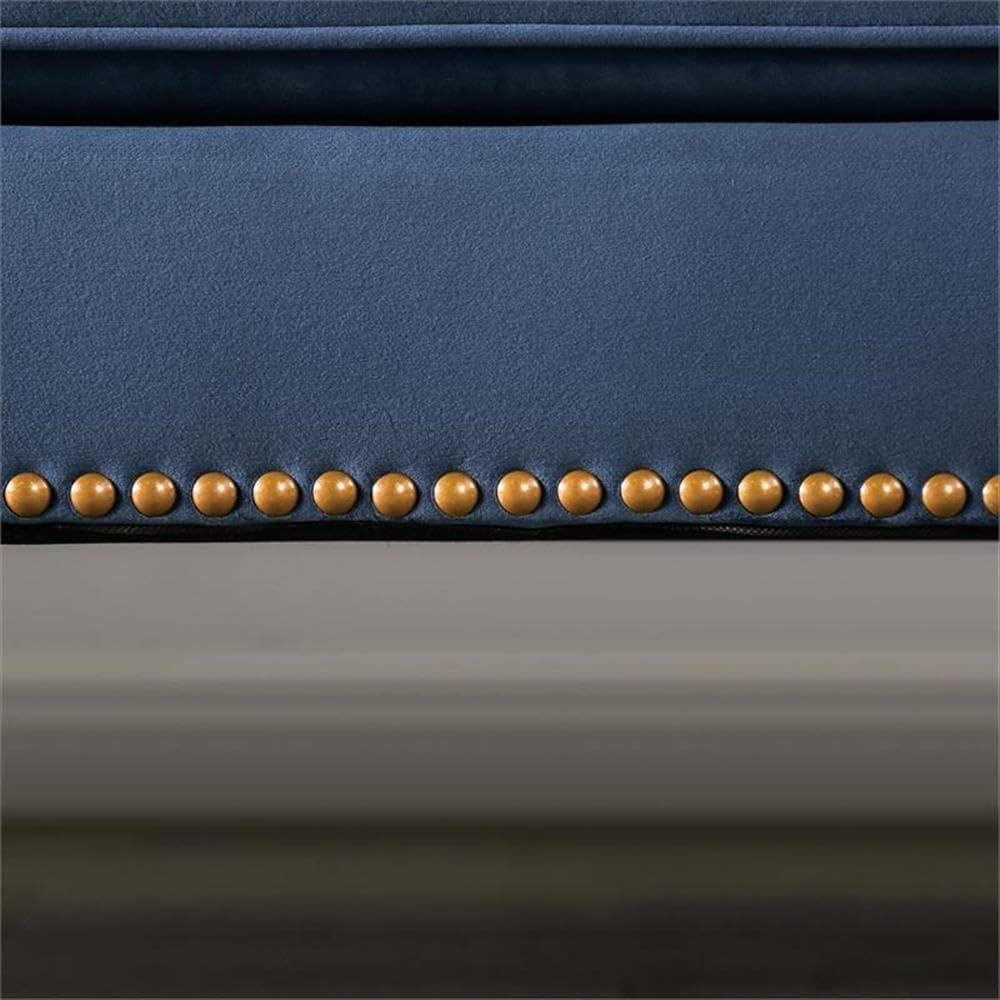
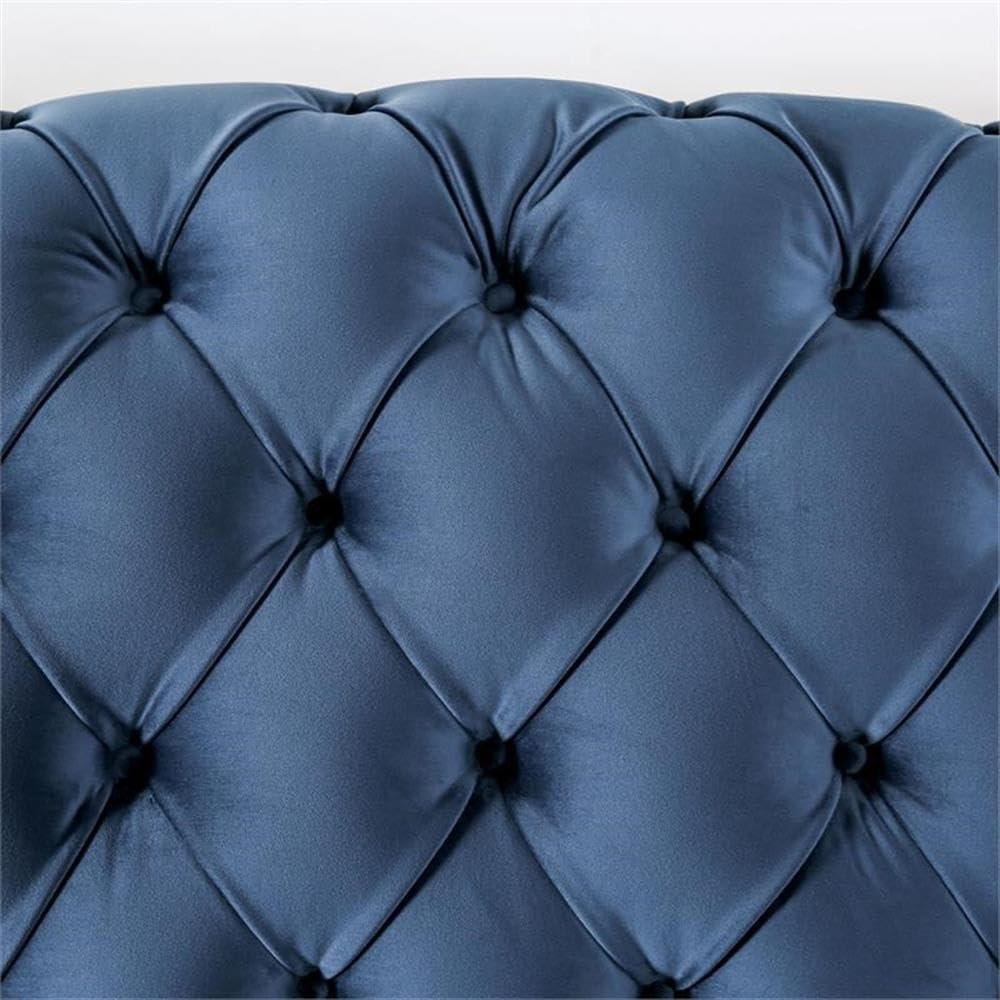
At a glance, the tufted transitional silhouette reads as a study in contrasts: structured tailoring softened by gentle curves. Button tufting organizes the back into a regular rhythm that creates pockets of shadow and depth, while the subtly curved backrest and rounded arms interrupt that grid with flowing lines. A row of nailhead trim traces the arm contours and adds a thin, metallic outline that separates upholstery from surrounding space. From certain angles the turned legs lift the profile and introduce a vertical punctuation that keeps the overall shape from feeling too heavy; under different lighting the fabric’s slight sheen makes the surface alternately matte or luminous, so the color and texture can shift as the day progresses.
Noticeable details you may pick up on include:
- Tufting pattern — regular spacing creates a visual cadence and emphasizes the sofa’s horizontal span.
- Armline — the curve gives a gentler silhouette than straight-square transitional pieces.
- Trim and legs — small accents that introduce contrast without changing the overall shape.
- Surface play — light and shadow across the upholstery alter perceived color depth.
| Design Element | What you’ll likely notice |
|---|---|
| Button tufting | Depth and texture; a grid that breaks up large expanses of fabric |
| Curved back and arms | Softer silhouette that reads as approachable rather than rigid |
| Nailhead trim | Defined edges and a subtle metallic accent |
| Turned legs | Visual lift and a hint of traditional detail |
You might find yourself smoothing a cushion or shifting a throw from time to time as the light changes—small, everyday interactions that make those design details more or less prominent in a living room setting.
Materials and construction you can inspect in the frame fabric and finish
You can see the basic makeup of the piece without special tools: the upholstery is a velvet-like polyester, and the structural members behind it are a mix of solid wood, MDF and wood veneer. Where the upholstery meets exposed wood (for example at the base or the turned legs) the veneer edges and stain are visible, so inspect for consistent grain matching and even request of finish. Lift the cushions or look under the seat skirt and you’ll notice how the fabric is attached — rows of staples, glued hems or fabric tape are common indicators of how neatly the cover has been applied. The blue finish on the visible wooden parts tends to show surface texture and sheen, so tilt it under different lights to judge color depth and whether the coating sits flush with carved details or around bolts and screw heads.
Things to check up close:
- Fabric nap and stitching: look for consistent pile direction, even tufting tension, and straight seam lines.
- Edge and underside work: examine staple patterns, taped seams, and any protective dust cover under the frame.
- Wood finish and joins: inspect leg attachments, veneer seams, and finish continuity around turned legs or trim.
| Component | Where to Inspect | What to Look For |
|---|---|---|
| Upholstery fabric | Back of cushions, under cushions, tufted areas | Nap direction, dye consistency, stitch tension |
| Frame materials | Under-seat, inside skirt, exposed leg mounts | Solid wood faces, MDF panels, veneer edges and glue lines |
| Finish and accents | Legs, trim, nailhead rows | Even coating, finish breaks, secure decorative attachment |
Comfort and seating elements you will experience from cushions and support
Cushion feel and contact. When you settle into the seating, the cushions register as padded rather than pillowy — there’s an immediate layer of softness from the fabric and top padding, followed by firmer resistance that keeps you from sinking all the way in. The tufted back creates defined contact points, so your upper back meets a sculpted surface instead of a loose, shapeless pillow; that shaping changes how the cushion wraps around your shoulders and can make small positional adjustments feel more noticeable. Over time the padding tends to compress a bit with regular use, and you may find yourself giving the seat a speedy pat or gentle fluff to restore some loft after prolonged sessions.
Support structure and seating behavior. The seating layout and back curve work together to create lateral and lower-back cues as you shift positions: the modest seat depth lets you perch comfortably or lean back without feeling swallowed, while the moderate seat height makes rising and settling into the sofa more straightforward. Visually and physically, the tufting and turned-legs translate into a stable, anchored feel rather than a springy or loose platform. What you’ll notice in everyday use includes:
- Initial surface softness followed by moderate rebound from the core padding
- Defined support from the tufted back that limits extreme sink-in
- Periodic need to reshape cushions for consistent evenness
| Seating measurement | Detail |
|---|---|
| Seat height | Approximately 21 inches (affects how your feet meet the floor) |
| Seat depth | approximately 25 inches (influences how far you can tuck or recline) |
Fit dimensions and placement information for your room
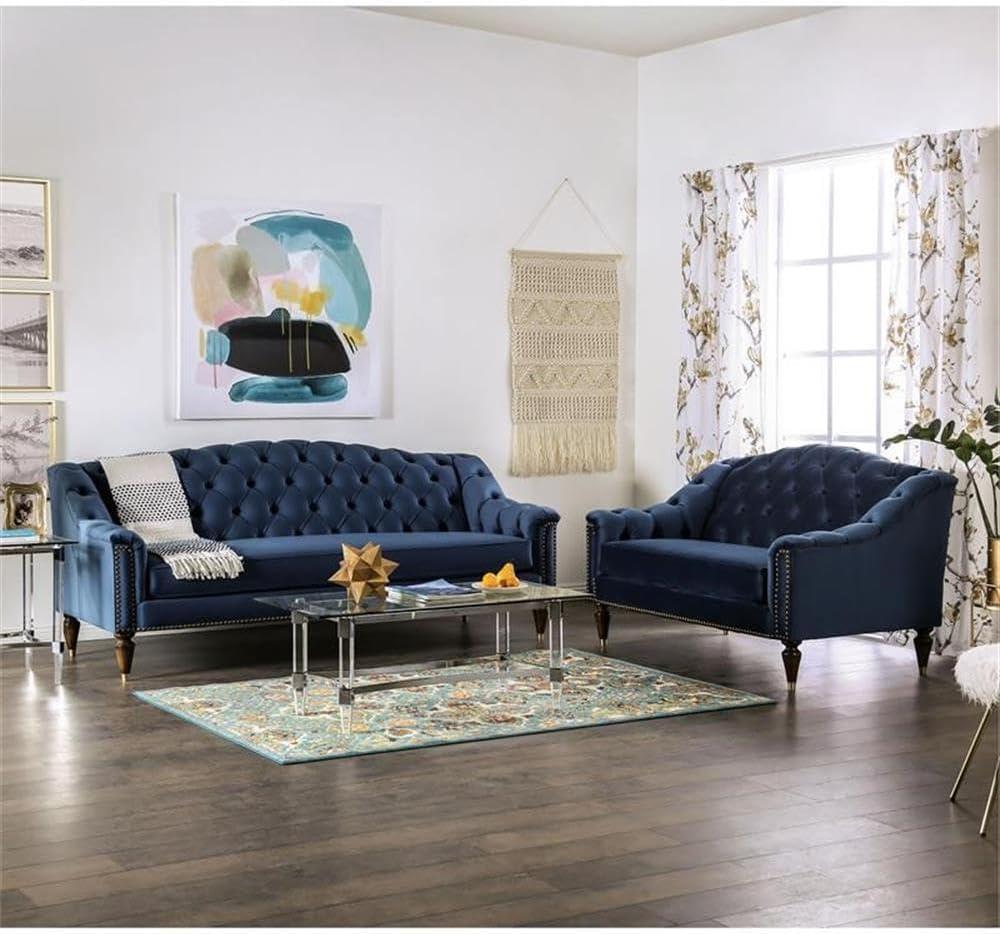
Clearance and circulation — Before you position the pieces, map out the room’s traffic lines and main focal point(s). Pay attention to the path from entryways to seating and between key pieces: typical walkways tend to feel comfortable when kept relatively unobstructed, and a little extra space makes casual adjustments (angling a loveseat, sliding a side table) easier. Consider these placement cues as you plan:
- maintain clear paths: leave room for people to pass without squeezing between furniture and walls.
- Seat-to-table spacing: allow adequate space between the front of seating and any coffee or side table so movement isn’t cramped.
- Rug and leg placement: decide whether to anchor the front legs on a rug or place the entire set fully on or off the rug—each choice changes perceived scale.
- Floor protection and stability: with turned legs and a ample combined weight, small pads or a rug under the feet often prevent scuffs and reduce noise when rearranging.
Also note that assembly and final positioning sometimes require shifting components through doorways or rotating parts in place, so having a few extra inches of maneuvering space near entrances can save effort.
typical layout considerations and delivery access — Use the quick reference table below to visualize common arrangements and the kind of room footprint they occupy; these are starting points rather than strict rules, as personal preferences and other furniture will change the outcome.
| Arrangement | Approx. room footprint | Placement notes |
|---|---|---|
| Sofa against wall, loveseat adjacent | Small to medium rooms (e.g.,10×12–12×15 ft) | Maximizes open floor space; leaves a single clear path across the room |
| Opposite-facing seating (conversation layout) | Medium rooms (e.g., 12×15–15×18 ft) | Creates a central social zone; allow space between pieces for a table and circulation |
| Floating pair in larger rooms | Large rooms (15×20 ft and up) | Works well with a rug to anchor the grouping and to create separate zones |
Beyond layout, check door and hallway widths before delivery; some maneuvering is often needed and parts may be moved in separately. allow a bit of wiggle room when you position the set — people commonly nudge pieces a few inches after living with them for a week to improve sightlines or traffic flow.
Everyday usability and care features for your routine living spaces
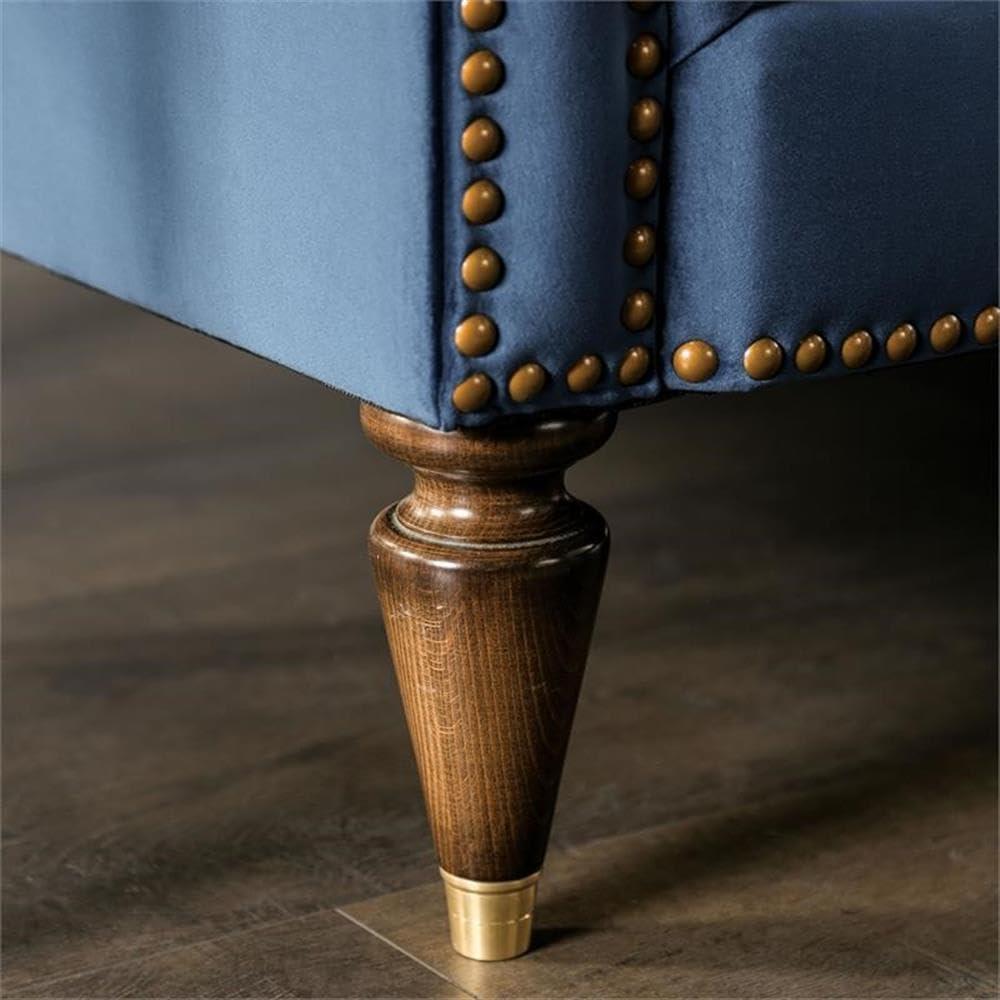
Daily use and quick‑clean habits. In everyday rooms this set behaves like most upholstered seating: cushions will compact a bit with regular use, and the stitched tufting and decorative trim tend to collect dust and crumbs in the creases. You may find yourself plumping seat and back cushions as a small,habitual gesture each morning to keep surfaces looking even. Quick actions that fit naturally into a routine include:
- Blotting spills right away rather than rubbing, which helps limit staining in the tuft lines.
- Using the vacuum’s upholstery attachment or a soft brush weekly to lift surface dust and pet hair.
- Running a lint roller across arms and backs for stray fur or fabrics that catch on decorative trim.
- Keeping small throws or arm protectors on high‑traffic spots to reduce daily wear where you sit most.
| Care task | Typical frequency |
|---|---|
| Surface vacuuming or brushing | Weekly to biweekly |
| Plumping and reshaping cushions | Daily to several times per week |
| Spot cleaning spills | As needed, promptly when possible |
| Professional deep clean or steam | Every 12–18 months in most households |
Maintenance, placement and small adjustments. How you situate the pieces in the room affects routine upkeep; placing them out of direct afternoon sun will lessen color shift over time, while leaving clearance beneath the legs makes floor cleaning easier. Little,informal habits — sliding a lightweight throw over the arm before a movie night,trimming pet nails more often if snagging occurs,or testing any cleaning product in an inconspicuous spot first — tend to keep daily wear from becoming a larger task. Periodically checking that legs and any visible fasteners remain snug can prevent wobble, and when you move the sofa or loveseat, lifting briefly instead of dragging reduces stress on feet and floor coverings. These are small, situational measures that usually fit easily into weekly or monthly home routines and can make upkeep feel less like a project and more like part of normal living.
Evaluative observations on suitability and expectation versus reality for your living spaces
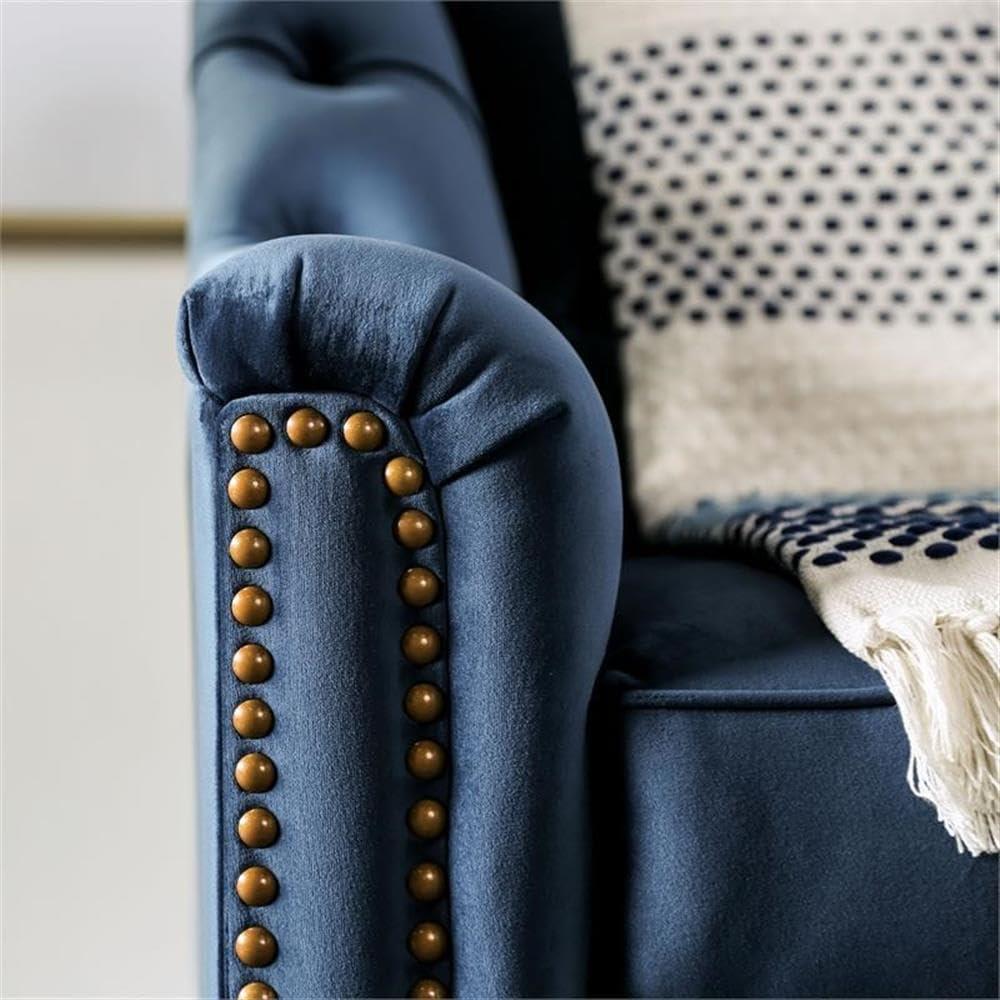
In practice the set often registers as a stronger visual anchor than catalogue shots imply, so rooms that were expected to feel airy can take on a more defined seating zone once the pieces are in place. The curved silhouette and tufted upholstery create texture that catches the eye from several angles; in tighter floorplans that attention shifts the room’s perceived balance and sometimes prompts small layout changes — moving a side table a few inches, angling a lamp, or adjusting traffic paths to maintain an open flow. Color saturation appears more pronounced under natural light in most daytime conditions, and the turned legs raise the profile enough to keep cleaning tools and low-height storage habits in mind without altering stated measurements.
Day-to-day observations tend to emphasize how the set performs within real household routines rather than against idealized expectations. Cushion fullness settles with normal use and seating posture patterns influence how the cushions compress over weeks,while the tufting and seams collect small debris in ways that correlate with pet and snack habits. The following situational tendencies were noted:
- Visual focus: the pair can establish a formal center even when placed with casual decor.
- Traffic impact: traffic lanes sometimes require subtle shifts to maintain comfortable circulation.
- Maintenance rhythm: routine quick cleanups are more apparent than occasional deep cleans.
| Living-space trait | Observed fit tendency |
|---|---|
| Open-plan living | Becomes a defined seating zone that frames nearby furniture arrangements |
| Compact rooms | Requires minor repositioning of accent pieces to keep walkways clear |
| High-traffic households | Detailing such as tufting reflects everyday use more quickly |
View full specifications and current configuration details on the product listing
Outro
You’ll notice the Furniture of America Tidi Transitional Fabric Tufted 2-Piece Sofa Set in Blue establishing a quiet focal point, its scale and tufted silhouette influencing seating arrangements and sightlines. in daily use the cushions show a balance of support and give, while the fabric and frame imply a level of durability suited to regular traffic. Your sense of comfort and the set’s fit in the room is shaped by proportions and routines rather than any single trait. Over time the pair settles into an everyday presence, reflecting wear patterns, maintenance rhythms, and the household’s rhythm.
As an Amazon Associate I earn from qualifying purchases.