 goodworksfurniture Decoration and home design ideas
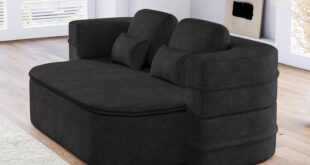
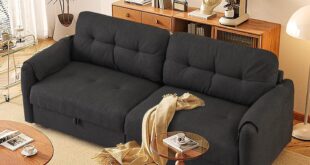
 You notice the velvet first — a soft nap that shifts under your palm and keeps faint traces where you’ve been sitting. The reversible Sectional Sofa Bed (listed as the Velvet sectional sofa bed with ottoman) reads larger in the room than the photos suggested: it spreads a low, planted silhouette but the gold-toned metal legs lift it enough to keep the space from feeling heavy. Tufting and nailhead trim catch the lamp light in small, sparkly notes while the ottoman slides into place with a reassuring weight, able to become an extension of the seat or a separate perch. Up close the cushions feel springy yet dense, and the seams where the sleeper folds are visible like a crease in a well-used blanket — very much a piece that announces itself quietly as part of everyday life.
A first look at the reversible L shaped velvet sectional bed and how it fits your room
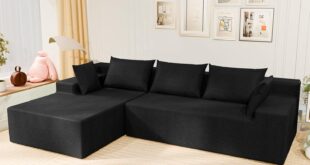
on first sight the reversible L-shaped velvet sectional bed reads as a room-defining piece rather than a background couch. The low, tufted back and the metal legs create a subtle lift, so the floor under and behind the unit stays visible and the room doesn’t feel visually crowded. The velvet surface changes with movement: fingerprints and the nap show where people have sat,cushions compress and the tufting softens along seams,and it’s common to see someone smoothing the fabric or nudging a cushion back into place within minutes of sitting.
As the chaise element can sit on either side, the sectional alters circulation more than a fixed sofa does. Sliding the ottoman to form a chaise nudges traffic around that side; placing it as a separate seat opens a small pathway between modules. when converted into sleeping position, the overall footprint feels deeper and the join between sections becomes a noticeable line that usually needs a moment of adjustment—pillows shifted or cushions re-laid—to create a flatter, continuous surface. Over the first few days of use the pieces tend to settle into thier positions, and small gaps or slight misalignments that appear at setup often soften with normal sitting and the occasional repositioning of the ottoman.
| Orientation | Typical observed effect |
|---|---|
| Corner placement | Anchors the room and leaves open central floor space; sightlines to the rest of the room are framed by the chaise |
| floating placement | Creates a defined seating zone but shifts traffic to one side; the legs and space beneath keep it from feeling heavy |
| against a wall | Compresses the profile and makes the tufting and nailhead trim more visible at eye level |
Minor trade-offs show up in everyday use: the velvet’s nap records recent activity, the modular joins require occasional nudging, and rearranging the reversible pieces can be a hands-on task. These are typical behaviors rather than fixed faults, and they tend to emerge as people live with the sectional over time.
View full specifications and options
What the L shape, movable ottoman and nailhead trim communicate as you enter the space

As you step into the room the L silhouette reads promptly as a defining shape: it pulls the eye toward the corner it occupies and sets a clear boundary for where activity happens. From your vantage at the threshold the sectional’s depth and the ottoman’s current position show where people tend to sit and stretch out — the ottoman can sit flush to create a continuous chaise or sit slightly apart and hint at separate seating moments. Small, lived-in signs are visible up close: the velvet gathers where someone has leaned back, tufted cushions show shallow hollows, and seams shift a touch when the ottoman is nudged into a new arrangement. Those movements make the piece feel less like fixed furniture and more like something that gets rearranged to fit the day’s rhythm.
The nailhead trim offers a different kind of cue the instant you look: a fine line of metallic accents that catch light as you cross the room, tracing the arm and base and emphasizing the sectional’s geometry. Your eye follows that metallic punctuation across the silhouette and reads the sofa as a composed, purposeful object rather than a loose cluster of seats. At the same time, the ottoman’s mobility communicates potential circulation — it can fill a gap, create a pause in the pathway, or open up more floor when slid aside — and in most layouts you’ll notice how those choices alter the way people enter, turn, or pause in the space. The overall impression is a mix of steady anchoring and everyday motion,with small gestures (smoothing a cushion,sliding the ottoman) revealing how the piece is actually used over time.
Up close with the velvet, frame and cushions — materials and construction you can inspect
When you get close, the velvet reads as a short, directional pile — running your hand across the seat changes the sheen and the color appears to shift a touch. The tufted buttons and the nailhead trim interrupt that nap with small, deliberate breaks; smoothing the cushions after someone sits often brings out faint crushed lines where the pile lies differently. Seams along the arms and back sit visibly over stitched channels, and you can see the stitching turn at each corner rather than disappear into a flap, so the joins are something you tend to notice when you lean in.
Flip a cushion or lift the ottoman top and the construction logic becomes clearer: a layer that compresses under your palm, a springy response beneath, and a framework holding everything in place. When you press the seat, the surface compresses into the foam, then meets a resilient push from the springs — that rhythm of give-and-return is an easy way to tell how the internal layers interact without taking anything apart. From below, metal brackets and bolts anchor the legs; cross-members and edge rails are visible where the upholstery folds under, and a few stamped components hint at manufactured-wood panels joined to solid rails.
| what you can see or feel | How it typically appears in use |
|---|---|
| Velvet pile | color shift with touch, faint directionality, smoothing reveals wear patterns |
| Cushion layer | Compresses under weight, rebounds at varying speeds, edges may need occasional reshaping |
| Support system | Sinuous spring response underneath; visible when cushions are lifted |
| Frame and attachments | Bolts and metal leg plates visible from underside; cross rails join panels at corners |
As you settle and adjust—shifting a cushion, smoothing the velvet, tucking the ottoman into place—you’ll notice how the pieces move against one another: slight creaks at fastened joints at first use, a little settling around stitched corners, and the velvet showing more obvious directional wear where hands and backs contact the most. Those are the kinds of construction details you can confirm with a few minutes of handling.
Sitting, sleeping and sizing: seating depth, mattress conversion and measurements for your layout
when you sit, the depth you use is noticeably less than the sofa’s overall footprint. The frame stretches back about 33.1″ from front to rear, but once the back cushions are in place you tend to occupy a shallower plane — roughly the mid‑20s in inches from the front edge to the point where the back cushion meets the frame, depending on how much the high‑density foam compresses after a few minutes of sitting. Your feet usually rest comfortably on the floor with the seat top about 17″ off the ground, and the armrests rise to roughly 24.8″ where you naturally prop an elbow or phone.
| Measured configuration | Dimensions (approx.) |
|---|---|
| Sofa overall (W × D × H) | 110.2″ × 33.1″ × 32.3″ |
| Sofa when opened into bed (W × D × H) | 110.2″ × 40.5″ × 17″ |
| ottoman (W × D × H) | 33.5″ × 24.8″ × 17″ |
| Seat height / Leg height | 17″ / 9.1″ |
Converting the seating into a sleeping surface changes the plane you lie on more than the height. The pulled‑out depth increases to about 40.5″, and the surface sits close to the same height as the seat top — around 17″ — so stepping onto the bed feels level with the cushions you were just sitting on. Where cushions meet, seams and a slight gap can form; you’ll find yourself smoothing fabric and nudging the ottoman or cushions to reduce those lines if you shift position at night. The ottoman, moved alongside an arm to create a chaise, effectively extends the usable depth by roughly the ottoman’s 24.8″, giving a combined leg‑rest area near 58″ from the front edge of the sofa.
In practice,you’ll notice a few small changes as the pieces are used: seams settle into place,foam rebounds slower in spots where you sit most,and the ottoman can be nudged left or right to alter the footprint. Those habitual adjustments — tucking a cushion, sliding the ottoman an inch — are part of settling the layout into your daily routine.
How this sectional lines up with your expectations and where it may not match your needs
Observed use tends to line up with the basic expectation of a plush, convertible seating piece: the velvet surface shows immediate softness under weight, and the cushions compress enough on first sit to feel welcoming while the underlying support keeps a subtle springiness.Over the course of a day, the fabric often shows footprints and light directional shading that smooths out with a few passes of the hand; cushions also settle into habitual positions, so a small amount of shifting or light creasing becomes part of normal wear.When the ottoman is moved to create a chaise or additional seating, seams and cushion edges occasionally form a narrow gap where the pieces meet, and the ottoman’s top can slide fractionally during active use rather than staying perfectly flush.
In extended use scenarios—lounging for a movie or sleeping on the unfolded surface—the sectional behaves like a modular assembly of cushions rather than a single continuous cushion, so pressure points and slight unevenness show where sections meet.The tufting and nailhead trim remain visually intact with regular use, though the tufting can accentuate indentations and the trim may catch on rough fabrics in day-to-day activity. The metal legs provide steady support on even flooring but will relay small differences in floor level into a faint wobble if placement isn’t adjusted. For a closer look at documented dimensions, materials, and available finishes, review the full specifications and color options here.
Everyday upkeep and moving notes to keep the upholstery and ottoman working in your home
On a day-to-day level you’ll notice habits forming: a swift pass of your hand to straighten the velvet nap, an absentminded push to center a cushion, or a gentle tuck at a seam after someone naps.The pile flattens in places people favor, and the seat cushions compress subtly over weeks; you’ll find yourself giving them a few firm pats or rotating them to even out impressions. Small fixes — smoothing the fabric along the arms, nudging the ottoman back into alignment, or straightening the nailhead trim if it looks off — are what keep the set looking as intended in ordinary use.
When you move sections around, the pieces respond in predictable ways. Lifting rather than dragging helps prevent scuffs on both floor and leg finish, and the ottoman slides differently depending on your flooring: it can shift easily on hard surfaces but may catch or resist slightly on carpet. Metal legs can make light tapping sounds when you nudge the frame; they also show scuffs more readily than the upholstery. Hardware connections tend to loosen a bit after the first few repositions, so you’ll find yourself tightening bolts or checking brackets after rearranging. Seams and tufting can shift when the pieces are folded or reoriented,so a quick visual check for puckering or misaligned tuft points is common after each move.
| Task | When | What to watch for |
|---|---|---|
| Light vacuuming with upholstery tool | Weekly or after pet/human traffic | Raised nap, lint build-up in tuft lines |
| Spot smoothing and fluffing | Daily to weekly, as needed | Cushion depressions, untucked fabric at seams |
| Check and tighten fasteners | After initial moves and monthly | Loose legs or squeaks when shifting |
| Move or reorient ottoman | Whenever changing layout | Floor resistance, alignment with sectional edges |
Small habits matter: you’ll instinctively avoid dragging the ottoman across rough thresholds, and you may slide a throw or protective pad under the legs when moving pieces to protect flooring. After guests or heavier use, you’ll likely find yourself re-tucking the fabric and checking the tufting to restore a uniform look. These little moments of upkeep — smoothing, nudging, and a periodic hardware check — are what keep the upholstery and ottoman functioning smoothly in everyday life.
How the Set Settles Into the room
Living with the Reversible Sectional Sofa Bed, Living Room Furniture sets, L-Shaped Couch, Modern Velvet Upholstered with Movable Ottoman and Nailhead Trim feels less like an event and more like a slow, quiet arrival into your days. Over time you notice it rearranging how the corner is used — a daytime perch for reading, an evening spot for a laptop, a brief landing place for laundry in the ordinary rush. The velvet gives where you sit, the ottoman migrates to its usual place, and small scuffs and softening cushions mark the surface in regular household rhythms. Gradually it becomes part of the room and stays.
As an Amazon Associate I earn from qualifying purchases.