 goodworksfurniture Decoration and home design ideas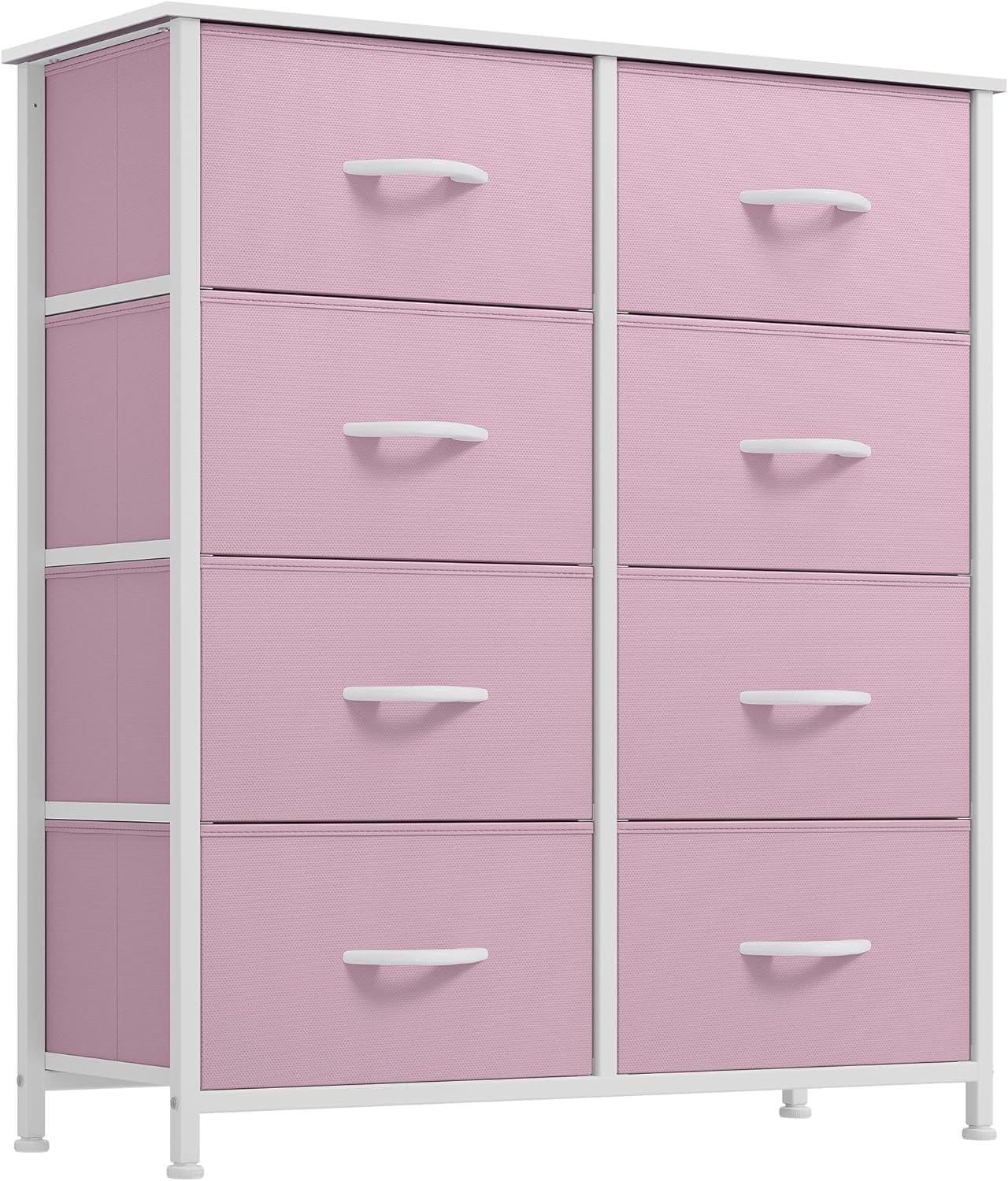
You set down the YITAHOME Fabric Dresser for Bedroom, Tall Storage Tower with 8 Drawers — call it the YITAHOME fabric dresser — adn its narrow, upright silhouette quietly changes the room’s lines. It reaches just under your shoulder, a white metal frame topped with a modest wooden surface and eight soft, black-gray fabric drawers that mute sound when you open them. Run your hand along the top and you catch the smooth, slightly warm grain; tug a drawer and the non-woven fabric gives with a faint rustle while the plastic pull feels solid under your fingers. From across the room it reads as a tidy vertical presence; up close the seams, folds and adjustable feet reveal the practical, assembled nature of the piece.
What greets you when you unpack the tall black fabric dresser

When you cut through the tape and lift the lid,the first things that meet your hands are layers of corrugated cardboard and a faint whiff of packing plastic. A wrapped panel — the top — sits flat on the pile, its protective film catching the light. Folded fabric drawers are stacked next to one another,creased where they were compressed for shipping; you can see a few cardboard inserts peeking from inside them. metal tubing and smaller frame pieces are bundled together, some with paper sleeves or a thin plastic wrap still clinging to the powder coat.
You’ll find a small clear bag of hardware and a printed instruction leaflet near the top; the leaflet often includes a QR code for the assembly video. The hardware bag holds tiny items you tip into a little pile on the table: screws, plastic feet, and the little handles. As you separate parts, you tend to smooth the folded drawers with your palms, pop open the drawer bottoms into place, and press the plastic handles into their slots — the handles feel stiff at first, and the fabric keeps a few transit creases that relax after a little tugging. the unpacking feels like a sequence of unfolding and sorting: protective films peeled, components lined up, and the pieces set in a rough assembly order on the floor.
| what you find | how it appears |
|---|---|
| Top panel | Wrapped in protective film, flat and stacked |
| Fabric drawers | Folded flat with visible creases and cardboard inserts |
| Frame pieces | Bundled, sometimes sleeved or lightly wrapped |
| Hardware & instructions | Small bag of fasteners and feet; leaflet with assembly steps and QR code |
The fabric, frame, and stitching up close and what they reveal about its construction for your use
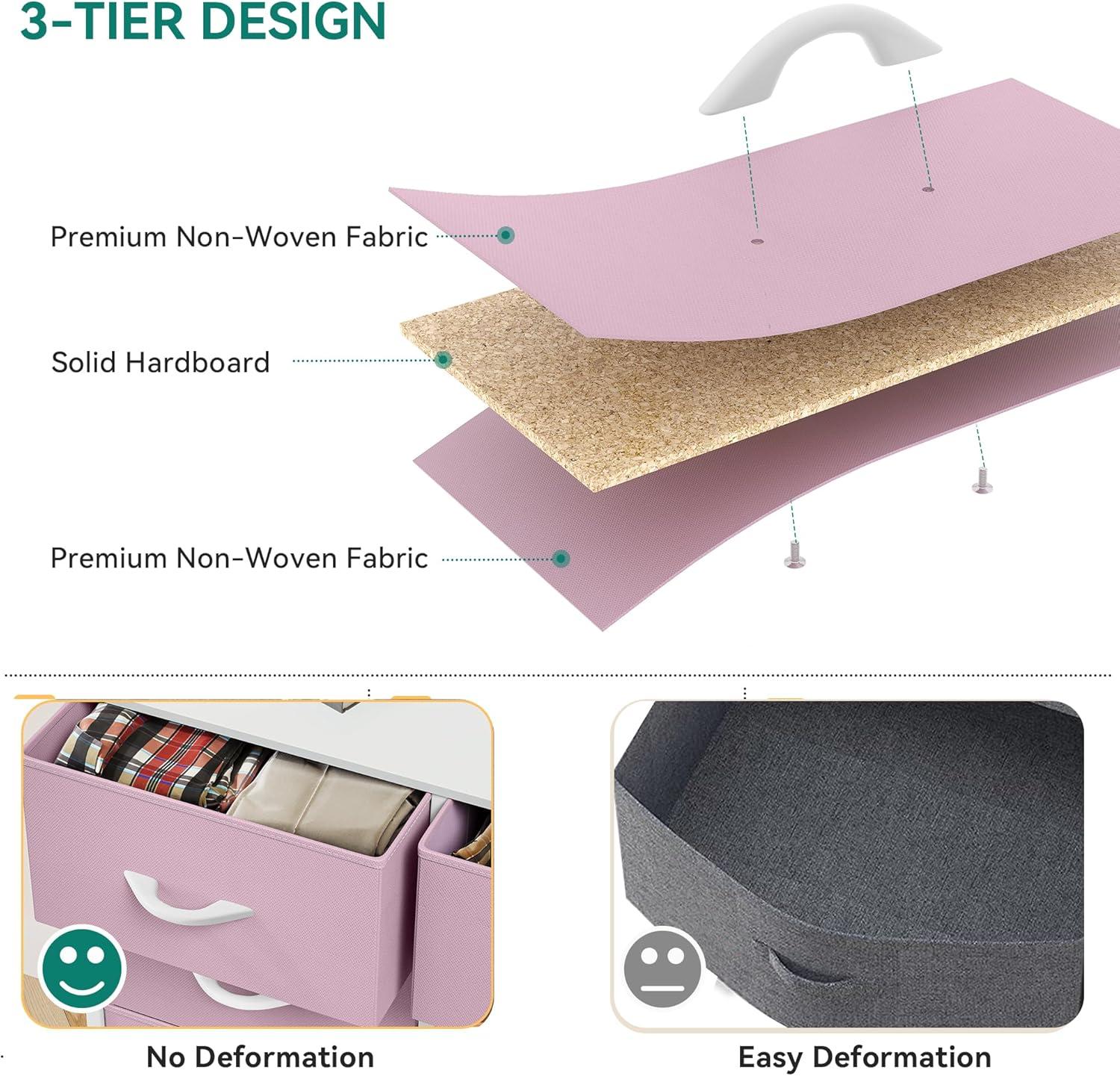
At arm’s reach, the drawer faces show the soft give of a textile that bends along fold lines and then settles into a flatter plane.The surface takes light unevenly,with a faint nap that darkens slightly where fingers smooth it repeatedly. When a drawer is pulled out and held open, the panels bow inward a little under load, and faint creases appear along the corners where the material folds—an expected behavior of foldable panels rather than rigid boxes.
The metal skeleton gives more audible clues. Small tool marks and discrete weld beads are visible at the frame joins when viewed from below, and the powder coat (or painted) finish tends to show a matteness that softens reflections rather than a glossy mirror. The feet are fitted with plastic caps; they compress a bit when the unit is nudged and can tilt in place before settling, which reveals how the frame transfers point loads to the floor.
Stitching and attachment details provide the clearest evidence of how the drawers are assembled. Seams that run along the drawer tops and handles show consistent stitch spacing, while stress points—corners and handle mounts—often have extra rows or bar-tack patterns.Handle attachments rely on a combination of webbing and plastic fasteners; under repeated pulls, the fabric around those fastenings tends to flatten, and the thread here carries most of the short-term strain.
| Component | Visible clues | What that suggests about construction |
|---|---|---|
| Fabric panels | Surface nap,corner creases,slight sag under load | Panels are flexible and folded rather than molded,relying on internal structure to keep shape |
| Frame | Weld beads,matte finish,compressible plastic feet | Metal frame is joined at discrete points and distributes load through feet rather than a continuous base |
| Stitching & attachments | Even stitch length,reinforced stitching at handles,visible webbing ends | Seams are machine-sewn with reinforcement where repeated stress is expected |
Taken together,these up-close details read like a manual: folding lines and creases show where the form will change with use,welds and feet reveal how weight is carried,and reinforced stitches indicate the designers’ attention to repeated motions. Small, everyday interactions—smoothing a drawer front, tugging a handle, nudging the unit to align it—tend to expose these construction characteristics more quickly than a glance from across the room.
Where it fits in your bedroom closet or living area and how its proportions sit next to your other pieces
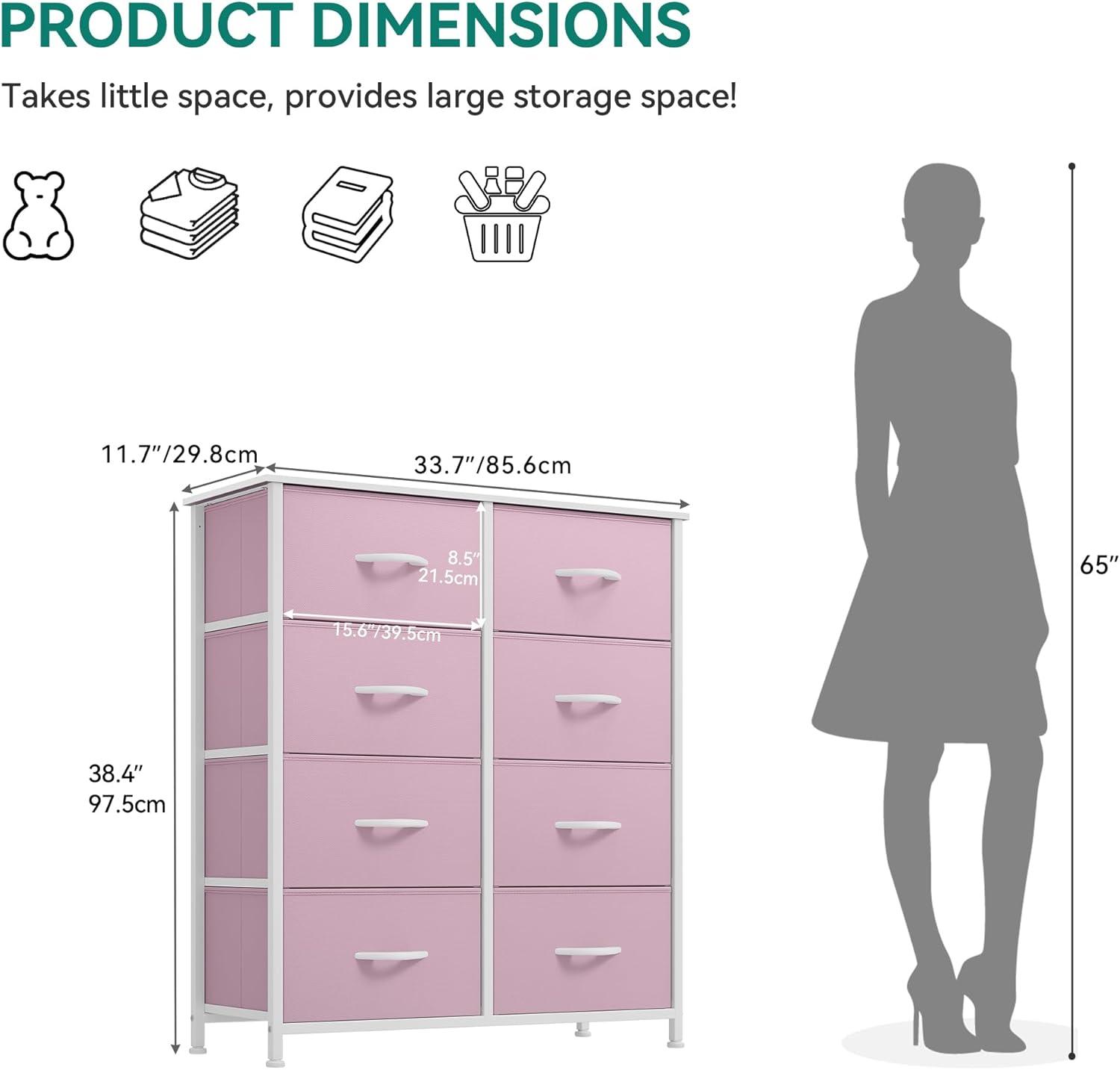
Placed against a wall or slid into a closet run, the piece reads as a tall, narrow column rather than a low, horizontal chest. Next to a bedside table it creates a clear vertical counterpoint, while beside a wardrobe it tends to tuck in and keep sightlines open; in shallower closet spaces the drawer fronts will frequently work close to hanging garments, so sleeves and linens often brush the outer fabric when pulled.
In a living area it sits like a compact storage stack — the wooden top sits at a mid-height relative to consoles and shorter shelving, and the soft drawer faces mute hard edges that would or else catch the eye.Users commonly find themselves shifting the unit a touch when opening lower drawers or smoothing the fabric after repeated pulls; on slightly uneven floors the adjustable feet are used to reduce rocking,which changes how flush it appears next to sofas or other dressers. for some rooms the overall impression is of a slim, vertical organizer that preserves horizontal surface and floor space while introducing a subtle layered texture.
| Placement | How it sits next to other pieces |
|---|---|
| Closet | Narrow column tucked into runs; drawer fronts may meet hanging garments |
| Bedroom (beside nightstand) | Creates a taller vertical element; top surface rises above low tables |
| Living area | Reads as compact storage; soft fabric fronts soften nearby hard furniture lines |
View full specifications and size or color options
How the eight drawers move and how your items sit inside them
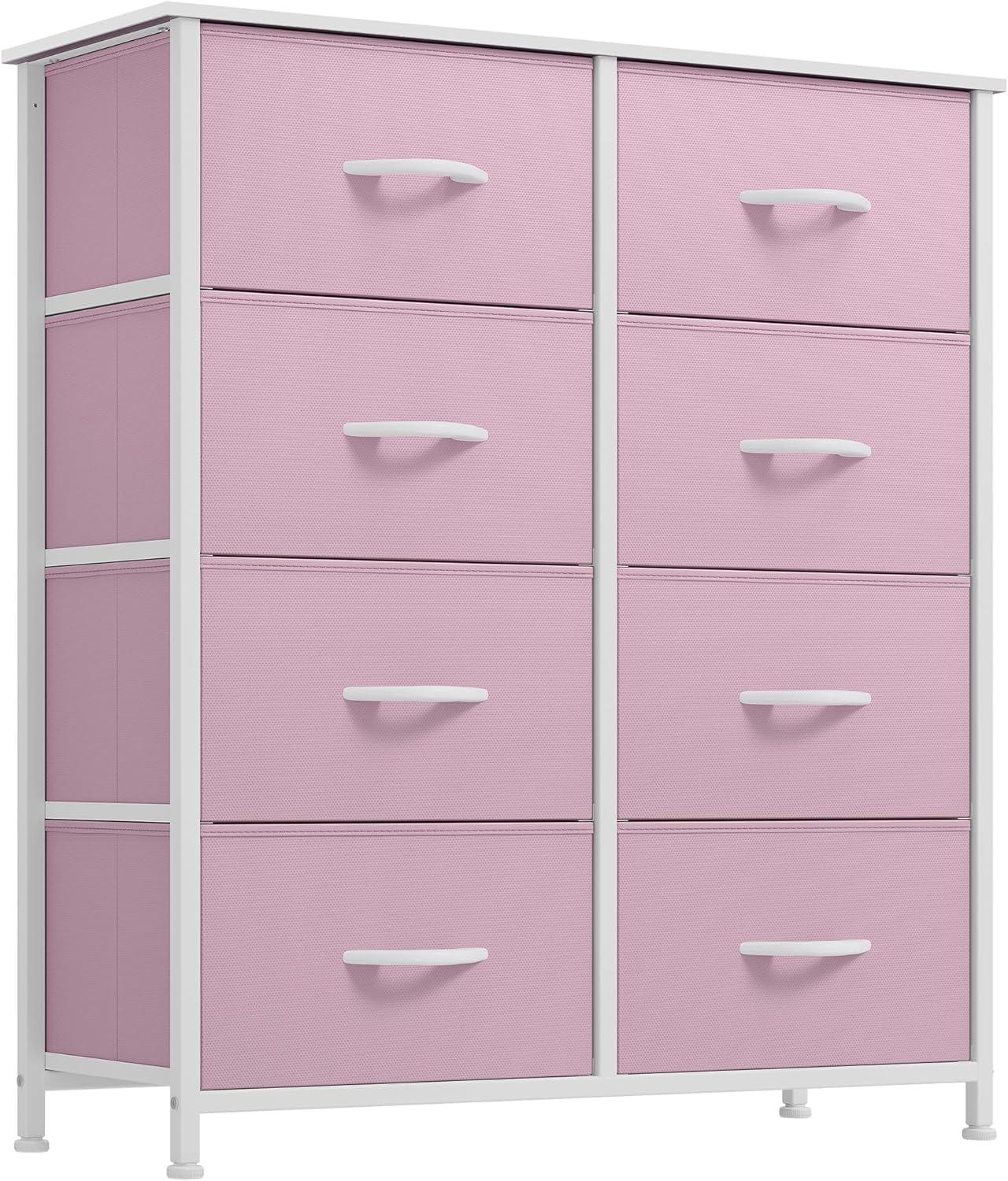
When you slide a drawer open, the fabric front gives first and then the box follows. The handle offers a short, tactile pull; the drawer moves with a soft, fabric-on-frame glide rather than a rigid track. There can be a slight catch at the start of the motion — especially if the drawer is packed — and the front can dip a little as the weight shifts forward. Pull far enough and the drawer clears the frame so you can lift it out; when you do, the sides fold inward and contents tend to slump toward the lowest corner unless they’ve been packed snugly.
Inside each compartment, soft items conform to the drawer’s rectangular shape and frequently enough adopt a gentle slope toward the opening after repeated use. Neatly folded stacks keep their edges,but the topmost pieces can spread or settle with a speedy nudge as you slide the drawer back. Small, loose things sometimes slide to the back or wedge into a seam; bulkier or heavier pieces push the fabric sides outward and make the front feel less taut.In daily use you might find yourself smoothing a shirt or nudging a pile back into place — little habits that happen without much thought.
| Typical load | How the drawer moves | How items sit inside |
|---|---|---|
| Empty or lightly filled | Short, smooth pull; front stays flat | Items lie flat and hold shape |
| Moderate fill | Soft glide with a slight dip at the start | Stacks keep form but edges soften toward the front |
| Heavily filled or bulky items | More resistance; front can tilt and base may bulge | Contents press the sides outward and can slump |
How it measures up to your expectations and the practical limits you notice
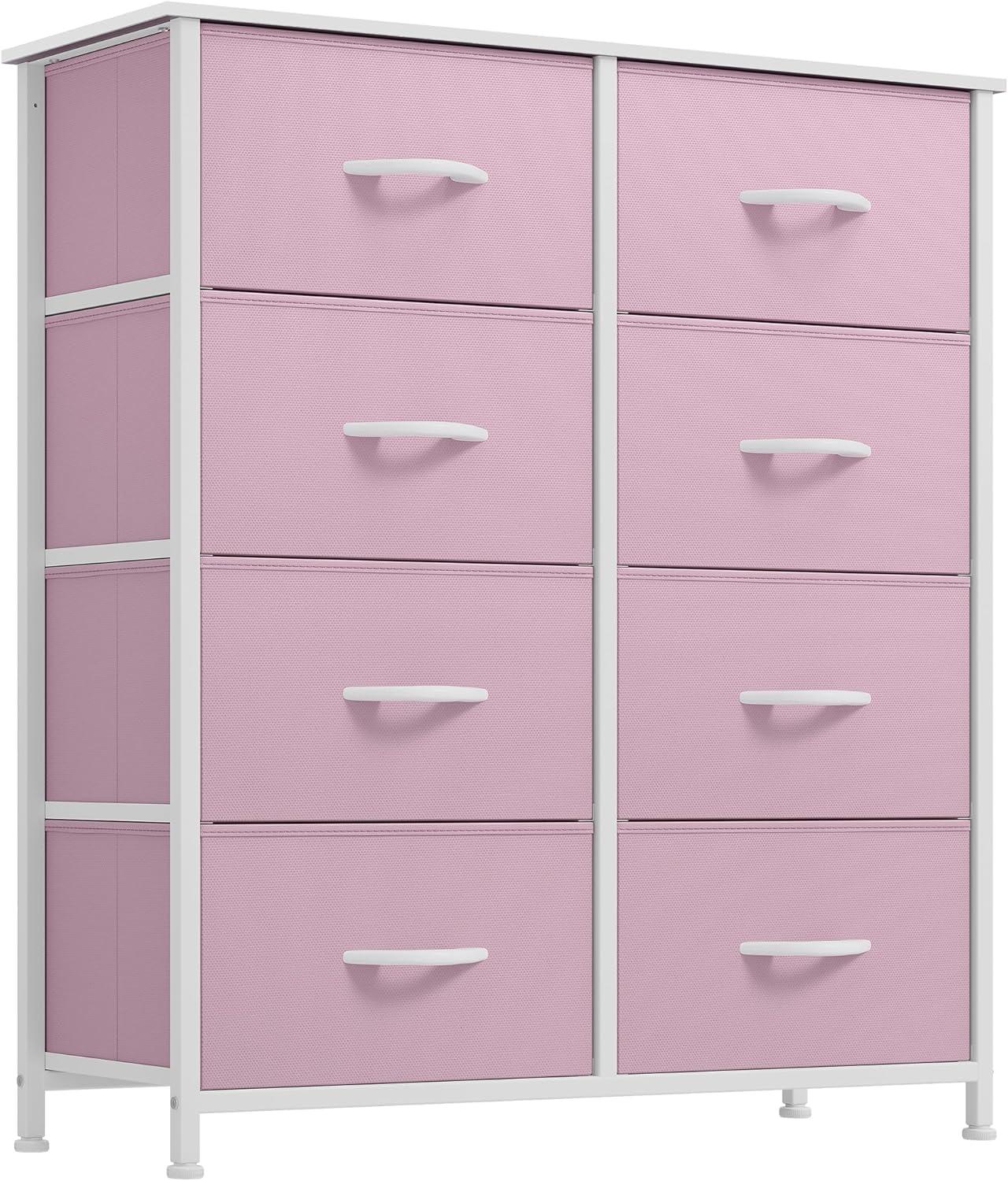
In day-to-day use the unit generally matches the basic expectations of a compact, multi-drawer storage piece: drawers stack neatly, the top surface remains steady under light loads, and the fabric panels settle into place after items are arranged.Drawers tend to glide with a soft shuffle rather than a smooth engineered slide; when several drawers are opened or pushed shut in sequence, the front faces can shift slightly and occasionally need a small nudge to realign. Over time the removable fabric drawers show a gradual softening of shape after repeated filling and emptying, which changes how full they appear on the shelf line.
Practical limits become evident through common use patterns. Heavier or oddly shaped contents cause the drawer fronts to bow a little and may make adjacent drawers sit unevenly. The metal frame holds its form, but the foldable drawer structure can lose tautness after frequent heavy loading, and the plastic pulls flex a bit under steady force. On uneven floors the adjustable feet protect surfaces but don’t fully mask wobble without occasional repositioning. Small habits—smoothing creases, nudging a drawer back into alignment—tend to recur, especially in higher-traffic spots where drawers are opened multiple times a day.
| Typical item | Observed fit in everyday use |
|---|---|
| Folded shirts | Stack neatly with minimal bulging |
| Chunky sweaters or bedding | Compress and cause drawer fronts to look rounded |
| Footwear or boxes | Fits, but can create uneven drawer alignment |
| Heavier household items | Drawers tend to sag slightly; frame remains stable |
View full specifications and available color options
A few weeks of living with it what you observe about upkeep, fabric patina, and drawer alignment
After a few weeks of everyday use you notice upkeep is mostly low-effort but not invisible. Dust settles along the top edge and at the seams of the fabric fronts, so you find yourself running a damp cloth across those spots every few days. Small scuffs where hands frequently touch the front panels begin to take on a slightly darker sheen; rubbing them lightly with a damp cloth lifts most marks but a faint change in surface texture remains where contact is constant. You also catch yourself smoothing the drawer faces now and then — a half-second habit when you walk past — as the fabric can crease a little where items inside press against the front.
Drawer alignment shifts a little with repeated opening and heavier loads. In the first week everything sits square; by the second, one or two drawers can sit a touch lower on their track after being pulled out and pushed back quickly, so you nudge them up with a fingertip or press the frame gently. the plastic handles make opening easy, and the slight misalignment tends to correct when drawers are emptied and reloaded more evenly. For context, these were small, incremental changes rather than dramatic failures, and maintenance mostly looks like occasional smoothing of fabric, wiping scuffs, and minor nudges to keep fronts flush.
| Week | Fabric Patina / Upkeep | Drawer Alignment |
|---|---|---|
| Week 1 | Fresh surface; occasional dusting, no visible sheen | All drawers square and even |
| Week 2 | Light sheen on high-touch areas; routine damp-cloth cleaning | Minor low-side on one drawer after heavy use; easily nudged |
| Week 3+ | Patina more noticeable where hands rest; creases at seams from repeated contact | Alignment tends to stabilize after even reloading; occasional adjustments |
How It Lives in the Space
Over time you notice the YITAHOME Fabric Dresser for Bedroom, Tall Storage Tower with 8 Drawers, Black Dresser & Chest of Drawers settling into the corner, less a focal point than a place things return to. In daily routines it quietly reshapes how you move through that side of the room, its drawers catching shirts, chargers, and the small rituals of getting dressed or tucking things away. You feel the fabric soften where you touch it and you see the top pick up faint marks from cups and papers, evidence of ordinary use as the room is used. After a while it stays, part of the room’s rhythms.
As an Amazon Associate I earn from qualifying purchases.