 goodworksfurniture Decoration and home design ideas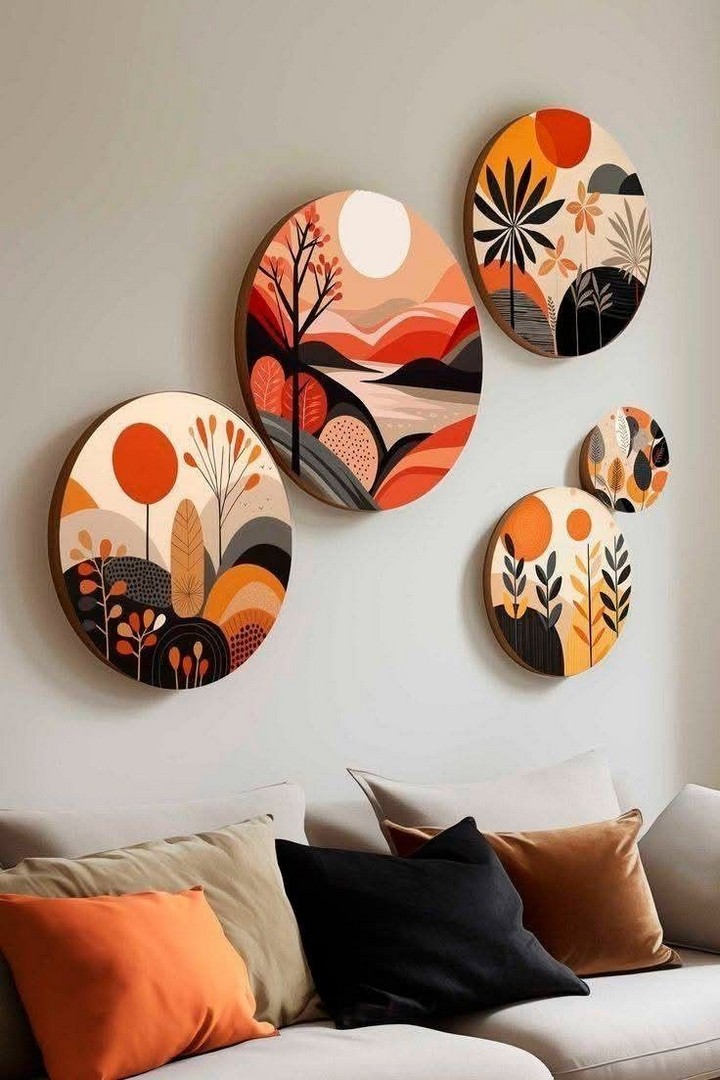
Revitalizing your home decor with custom artwork can be both affordable and straightforward. Utilizing a 36-inch round canvas presents a flexible and striking platform for do-it-yourself art, inviting you to express your imagination effortlessly. Whether you’re just starting out or a seasoned creator, working with circular canvases offers an accessible route to make distinctive, gallery-quality wall pieces.
Embracing circle canvas painting has become a popular movement in modern DIY artistry, providing limitless creative opportunities framed within a perfect circle. This format encourages artists to break free from traditional rectangular constraints, inspiring designs that harmonize with the canvas’s natural curvature for fluid and organic compositions.
In this detailed article, you’ll find 36 straightforward DIY ideas for circle canvas painting, comprehensive how-tos, expert tips, and strategies to enhance your artistic workflow and achieve impressive results. Step into the unique world of circular canvas art and ignite your next creative venture!
1. Intricate Mandala Creations
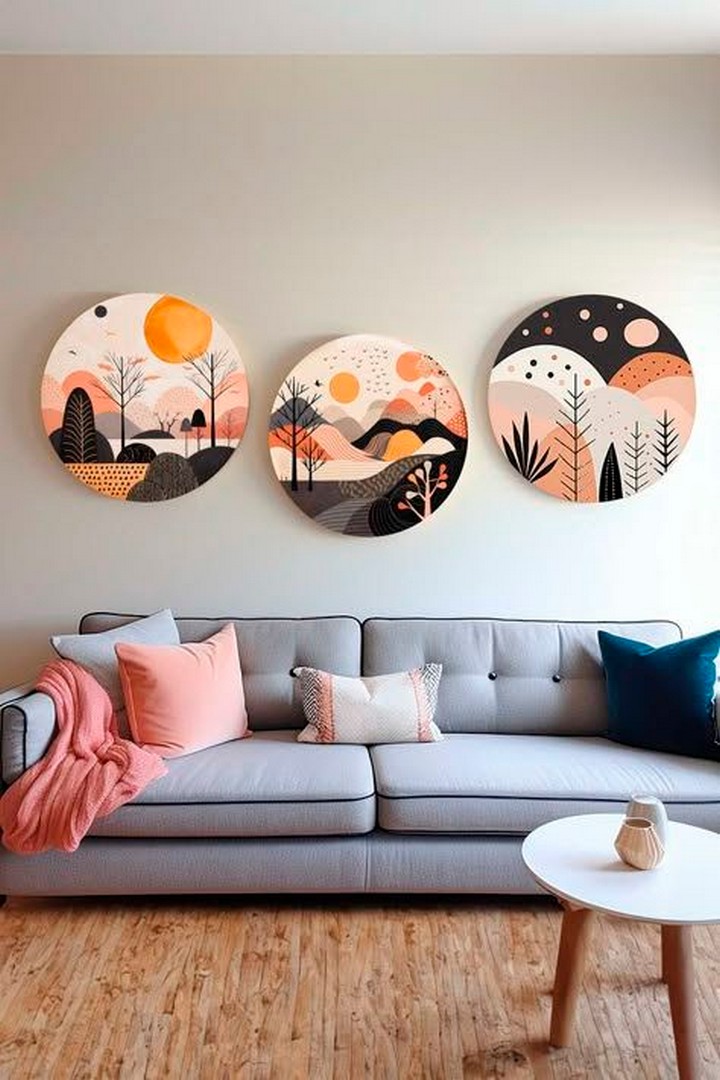
Begin from the center and expand outward in symmetrical layers, designing elaborate mandalas using shimmer-infused paints or fine-tipped brushes to render delicate details that shimmer under lighting.
2. Radiant Color Spectrum Wheels
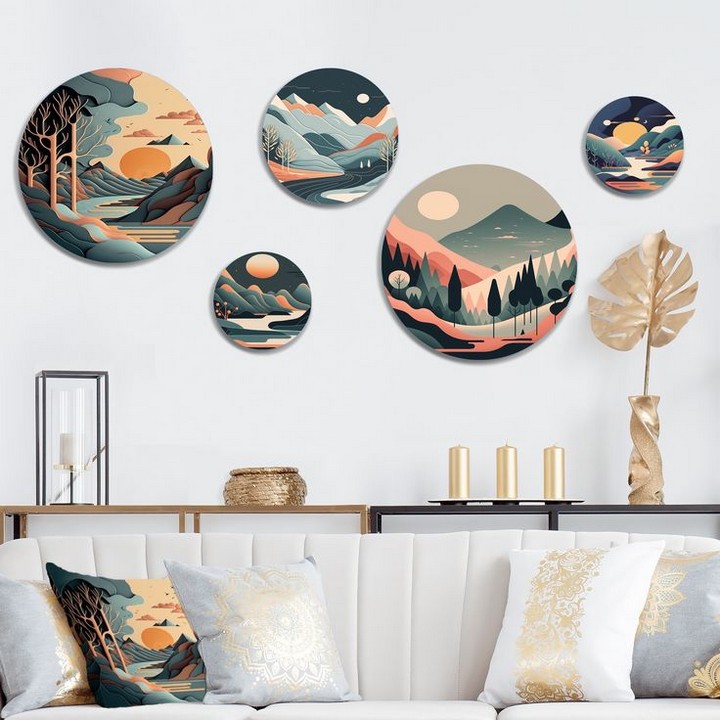
Craft vibrant gradient wheels that seamlessly blend hues, offering a striking visual that also serves as a practical exercise in color harmony and theory.
3. Layered Rainbow Rings
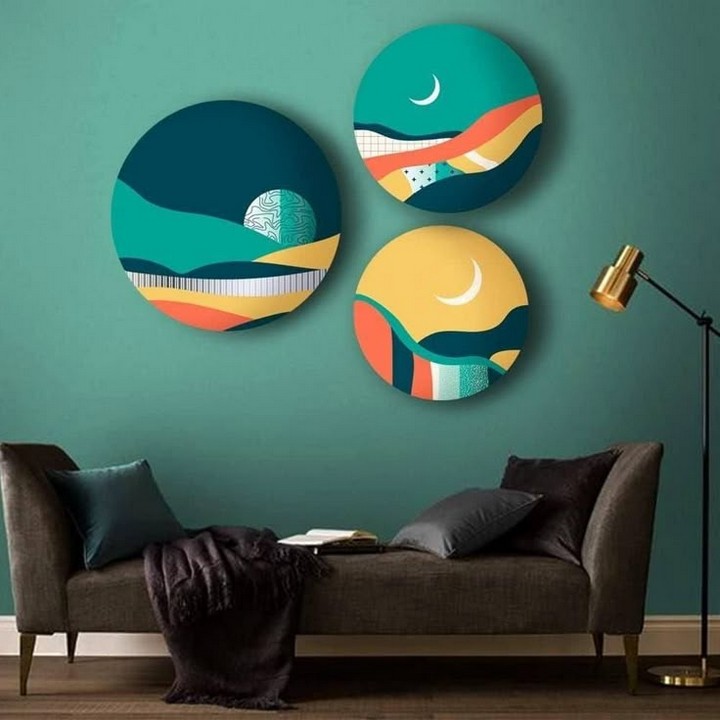
Build depth by painting concentric circles in rainbow shades, adjusting sizes and saturation to symbolically represent various emotions or life stages.
4. Cosmic Spiral Nebulas
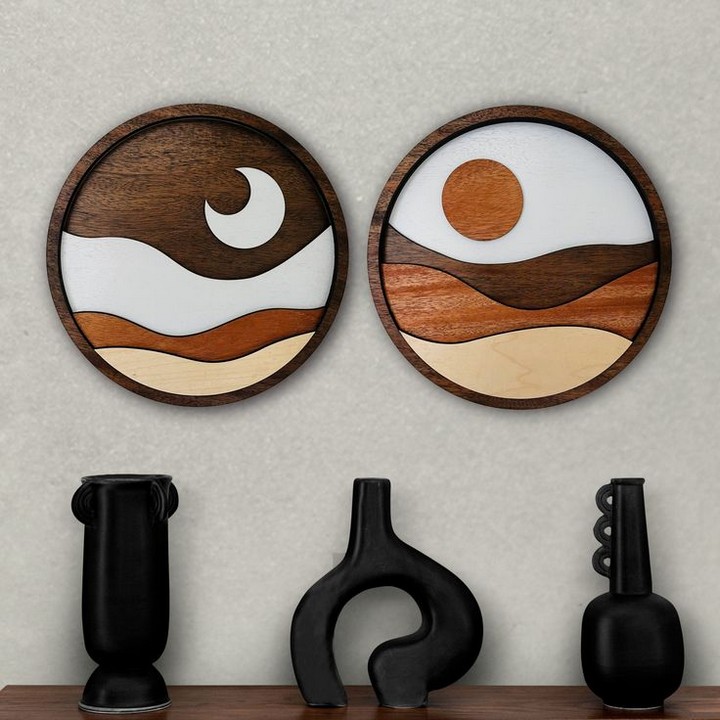
Create swirling space patterns with hues of rich purples, deep blues, and shimmering silvers, dotted with tiny white flecks to emulate stars within a galaxy.
5. Dynamic Geometric Compositions
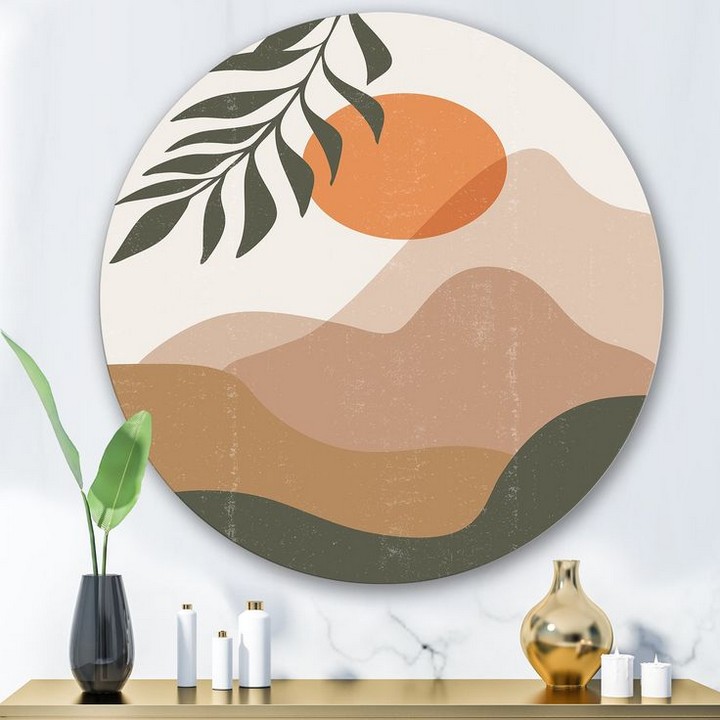
Experiment by placing triangles, diamonds, and polygons inside the circular boundary, leveraging contrast in colors to produce engaging tension and rhythm.
6. Fluid Ombre Transitions
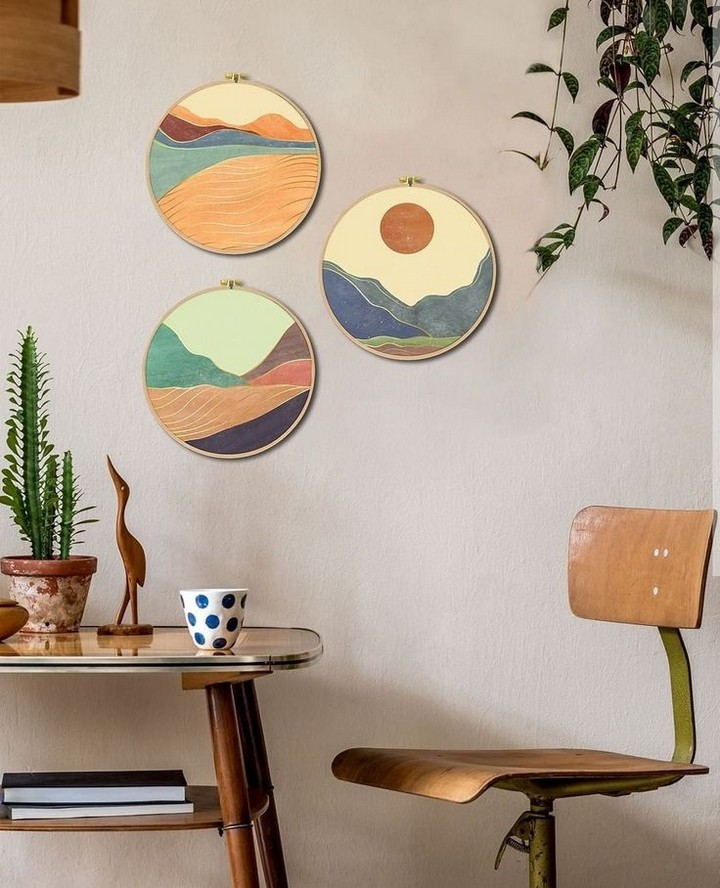
Refine your blending ability by creating gentle gradients that shift effortlessly from dark to light or from warm to cool tones across the entire circular surface.
7. Realistic Tree Growth Rings
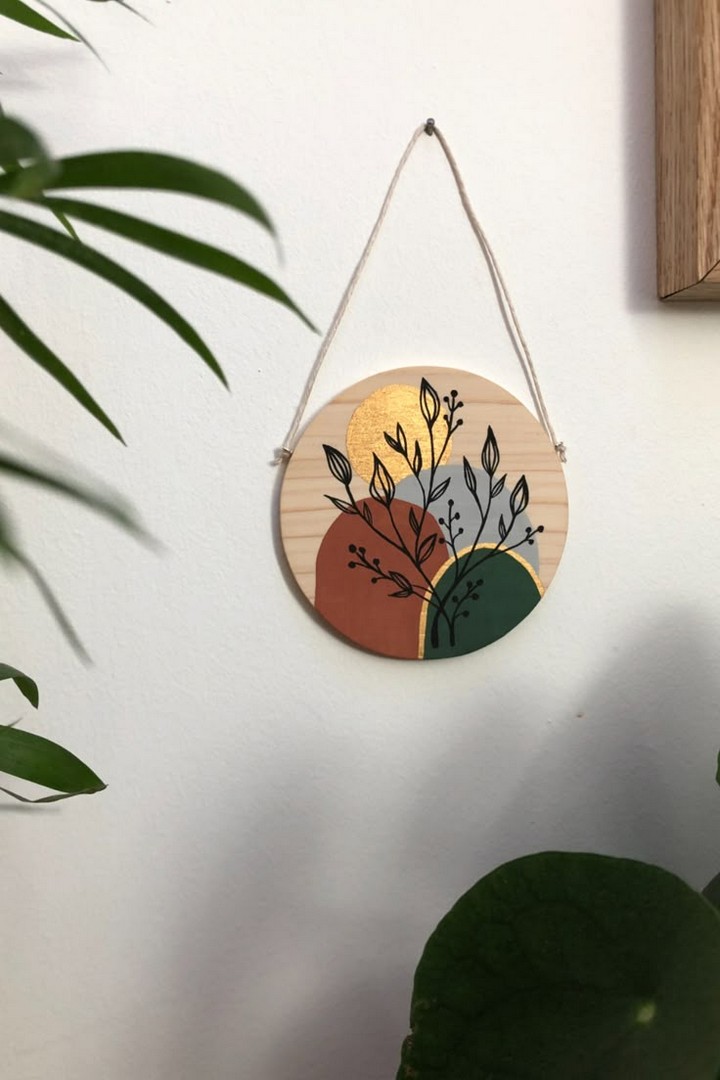
Celebrate the natural beauty of tree rings by painting detailed concentric patterns with earthy browns and muted greens reflecting nature’s signatures.
8. Vibrant Sunburst Effects
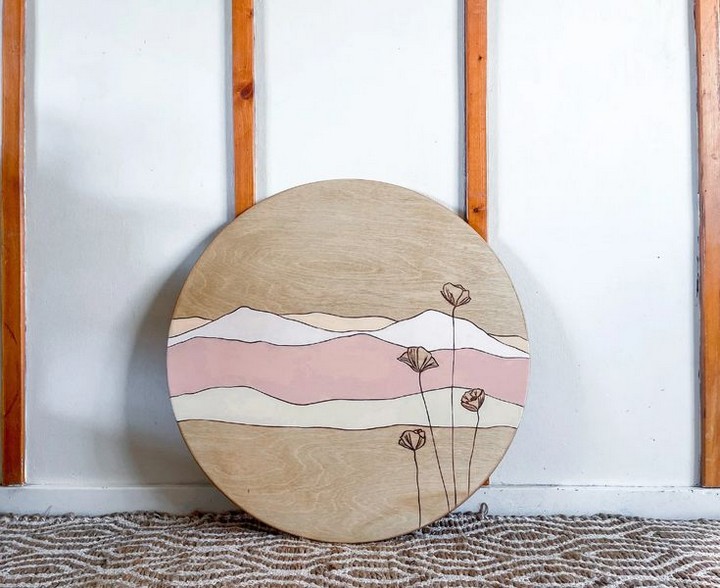
Design energetic sunburst visuals with radiating beams using fiery yellows, oranges, and reds, generating a bold focal point full of life.
9. Lunar Cycle Illustrations
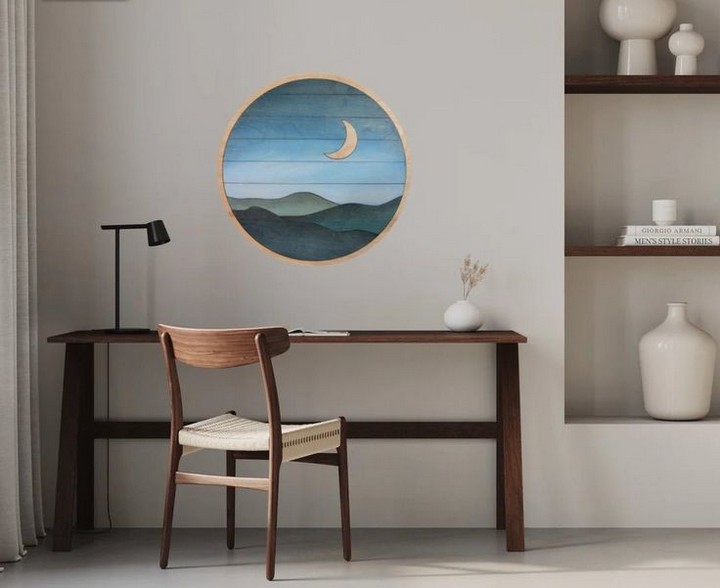
Depict the moon’s phases arranged around the circle’s edge, illustrating the progression of lunar changes in a compact yet visually appealing manner.
10. Macro Floral Focus
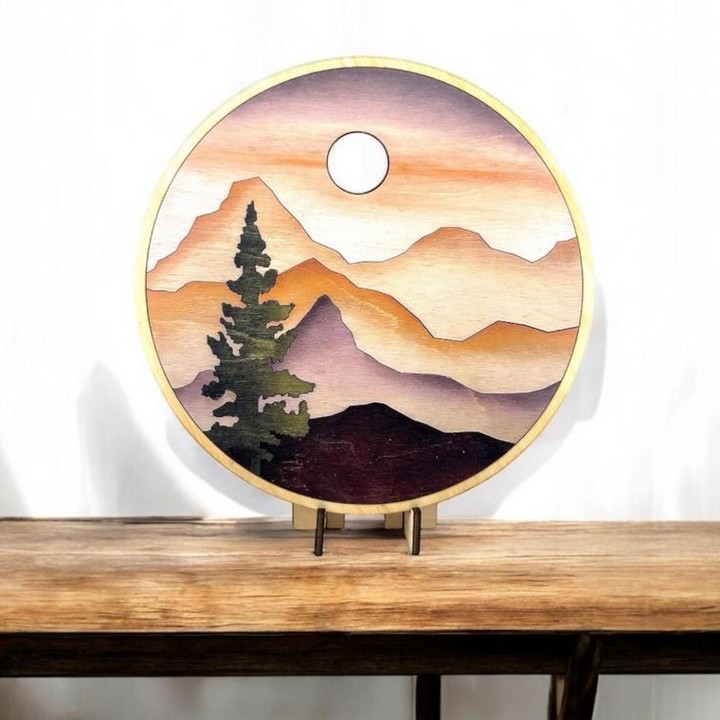
Zoom in on flower centers, capturing the intricate circular patterns in blooms like dahlias, zinnias, or asters for an intimate natural study.
Mastering Color Harmony and Selection
Grasping how colors interact will elevate your circular canvas artwork. Pairing complementary colors heightens vibrancy and contrast, ideal for energetic scenes, while analogous palettes foster calm and unity—perfect for tranquil or contemplative works.
Warm tones such as reds, golds, and oranges tend to advance, adding energy and intimacy, whereas cool blues, teals, and lavenders recede, adding spaciousness and tranquility. Neutral hues like greys and beiges provide sophisticated backdrops that showcase texture and design.
Consider the emotional resonance of colors: soft blue hues encourage relaxation, lush greens invoke growth and freshness, and bold reds stimulate excitement and passion.
Contrast in temperature within your painting creates visual intrigue: placing warm highlights beside cool shadows or contrasting cool details with warm backgrounds adds dimension and draws the viewer in.
Expert Techniques for Polished Artwork
Glazing layers transparent paints over dry bases, crafting a glowing depth unattainable with solid paint alone—excellent for subtle light and atmosphere.
Scumbling involves lightly dragging semi-opaque paint over dried layers, offering vintage textures and soft blends directly on the canvas surface.
Wet-on-wet blending keeps paints workable for smooth gradients, perfect for skies or gentle backgrounds—work swiftly with clean brushes to merge hues elegantly.
Dry brush methods, using brushes with minimal paint, add rustic or tactile textures, emulating rough surfaces, fur, or leaves by softly sweeping the bristles over the canvas.
Composition Approaches Tailored to Circles
Center-dominant arrangements focus viewer attention on a main element, enveloped by supporting details radiating symmetrically—ideal for floral or celestial themes.
Designs drawing the eye inward from bold perimeter elements create visual momentum and excitement, guiding engagement throughout the piece.
Spiral layouts mimic natural flows following the canvas’s curve, fostering a harmonious and organic visual rhythm.
Dividing the circle into segments enables multiple complementary scenes within one canvas—great for depicting seasons or phases in a cohesive narrative.
Elevating Presentation and Display
When displaying round paintings, consider grouping multiple pieces in uneven clusters to promote dynamic balance and flow. Odd numbers resonate more naturally with viewers’ perception of space.
Place artworks at eye level for comfortable interaction, or slightly higher to impart grandeur and prominence within a room.
Optimized lighting from multiple sources accentuates textural nuances and color depth while minimizing glare—soft, diffused lighting often works best.
Select frames that either subtly border the artwork or boldly complement its style: thin frames keep focus on the art itself, while floating frames lend a modern, gallery-inspired appeal.
Overcoming Common Obstacles
Achieving uniform paint coverage on circular canvases requires careful sectional planning. Work patiently from the center outward or in defined zones to avoid streaks and uneven layers.
Balance your composition around the center point, distributing visual weight evenly to prevent skewed or lopsided impressions that can disrupt harmony.
Pay special attention to edges—paint just beyond the border to avoid unpainted rims, then remove excess while still wet to maintain clean finishes.
Prepare sufficient quantities of mixed colors prior to starting gradients or repetitive elements to ensure color consistency and avoid patchiness.
Growing a Diverse Circle Canvas Collection
Capture your works in high-resolution photos under consistent lighting and neutral backdrops to assemble a professional portfolio perfect for online platforms or client presentations.
Experiment with varying diameters to explore how scale influences viewer impact—smaller round canvases suit intimate spaces and gifts, while larger pieces command visual attention as centerpieces.
Develop distinct visual signatures through recurring palette choices, motifs, or brushwork that make your art immediately recognizable.
Consider crafting series that link multiple canvases thematically or conceptually, offering broader narratives through color shifts, seasonal variations, or evolving abstract themes.
Sharing Your Artistic Expertise
Hosting painting workshops centered on circular canvases attracts hobbyists eager to explore creative outlets and unwind. Structure sessions around clear themes, supplying all tools and step-by-step guidance.
Sharing tutorials and project insights through online channels encourages community building and increases your reach. Engage actively with niche hashtags and art groups.
Collaborate with other artists on community art projects or fundraisers featuring circle canvas art to amplify collective creativity and social impact.
Mentorship programs pairing veterans with new painters foster growth and forge long-lasting connections while enriching the artistic community.
The circular canvas offers boundless creative avenues within its harmonious geometry—a shape that has inspired artists for centuries. These 36 ideas serve as a launchpad, inviting exploration of novel techniques, colors, and compositions that celebrate the charm and challenges of the round format.
Transforming an empty circle into a compelling work of art brings more than just decoration: every brushstroke nurtures confidence, every color choice refines skill, and finished pieces add beauty and personality to any living space.
Excited to embark on your circle canvas journey? Which project from this collection resonates with your artistic aspirations? Share your thoughts below and spread this inspiration to fellow creatives ready to embrace the magic of circular art!
Enjoy your artistic adventure! 🎨✨
To enhance your creative process, explore supplies like 36-inch round canvases, high-quality acrylic paints, and professional paintbrush sets from Amazon for reliable materials that support your artistic vision.
As an Amazon Associate I earn from qualifying purchases.