 goodworksfurniture Decoration and home design ideas
 Are you torn between choosing a round or rectangular coffee table for your living area? Perhaps concerns about sharp corners around young children or tight walkways around conventional rectangular tables are giving you pause. Understanding the distinctive qualities of round coffee tables can help you select a centerpiece that perfectly aligns with your room’s layout and daily needs.
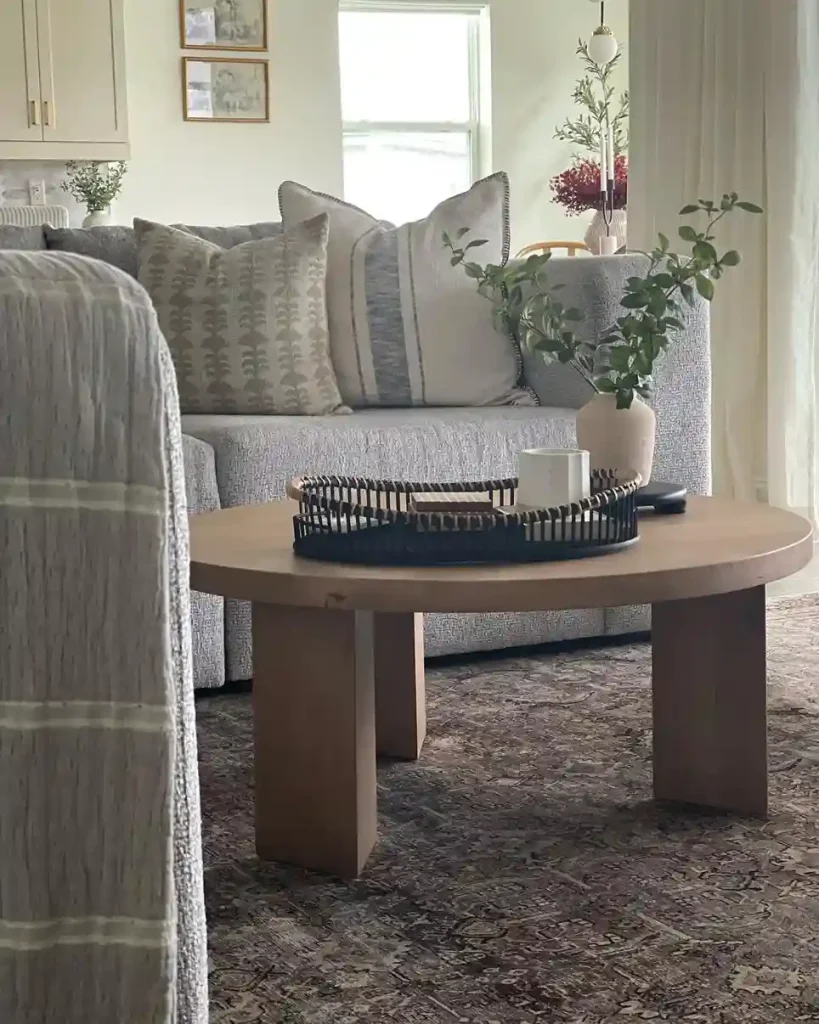
Round coffee tables offer unique functional and stylistic benefits that often surpass their rectangular counterparts, creating inviting focal points that merge form with practicality.
With their smooth contours, round tables foster a warm ambiance, encouraging lively conversations and safer movement in busy living spaces. Their cornerless design is a boon for households with toddlers or pets, promoting a flow that feels more open and less obstructed than traditional shapes.
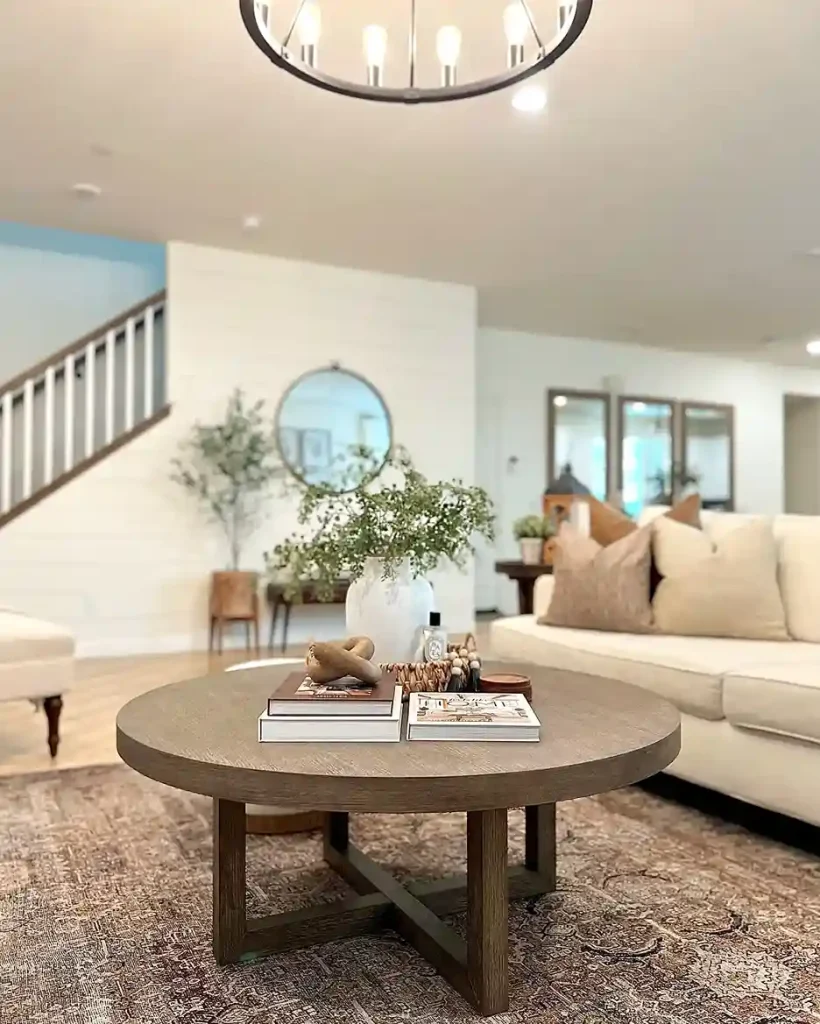
Whether you are outfitting a snug urban flat, crafting a kid-friendly family lounge, or aiming to inject style with a statement piece, round coffee tables merit close attention. Let’s delve into how to choose, style, and optimize these beautiful tables within your home setting.
Why Opt for a Round Coffee Table?
Smoother Movement in Busy Rooms
One of the foremost advantages of round coffee tables is their ability to enhance the flow of foot traffic. By removing sharp angles, they allow easy movement from any approach, reducing the risk of bumps or awkward sidesteps often caused by rectangular table corners.
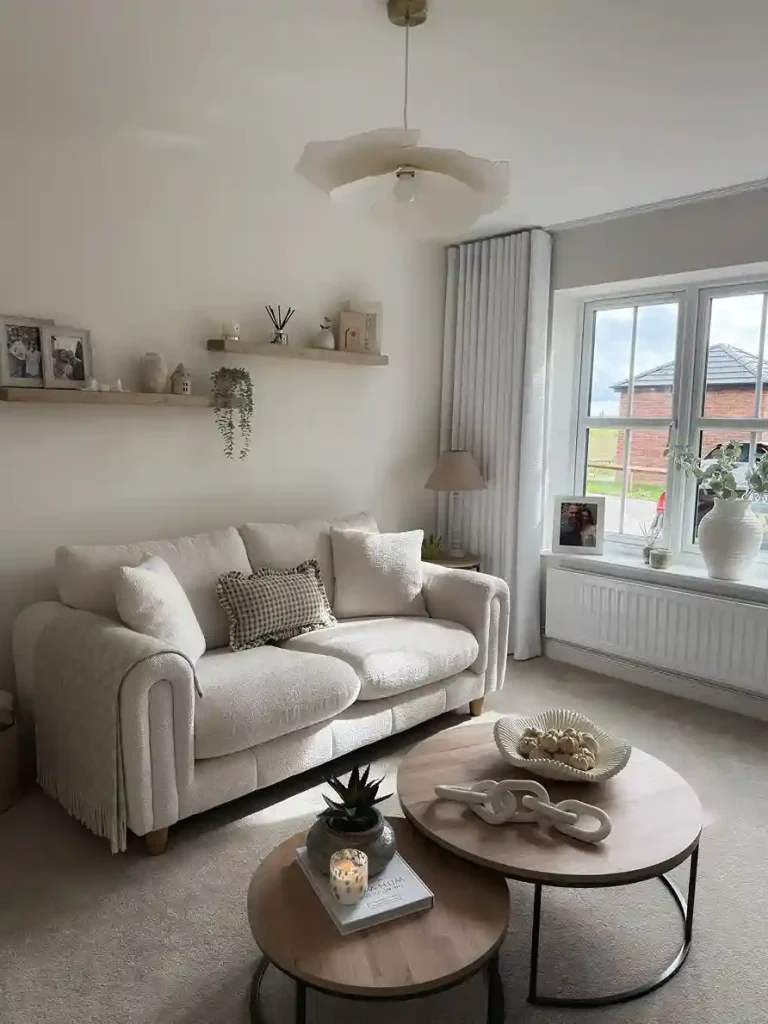
In smaller living areas where space is scarce, this feature dramatically improves how furniture fits together, promoting versatile arrangement possibilities without compromising accessibility.
Safer for Children and Pets
Parents and pet owners particularly benefit from the gentle rounded edges, which significantly decrease injury risks associated with sharp corners—common causes of bruises and cuts during energetic play.
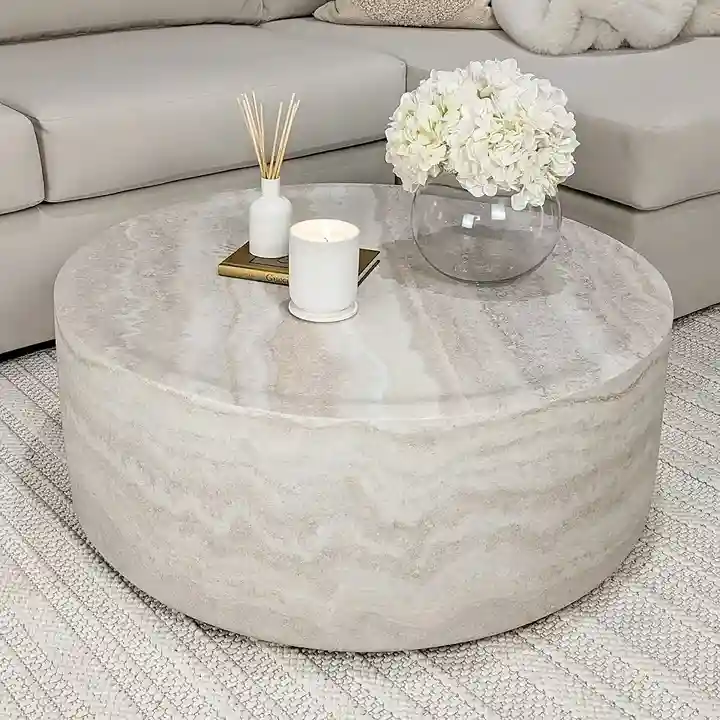
This safer contour gives families confidence to create lively, welcoming spaces where children and pets can roam freely with less worry over accidents.
Encourages Engaged Conversations
Unlike rectangular tables that often create hierarchical seating arrangements with head positions, round tables invite everyone to sit equally around the table, fostering inclusivity and natural interaction.
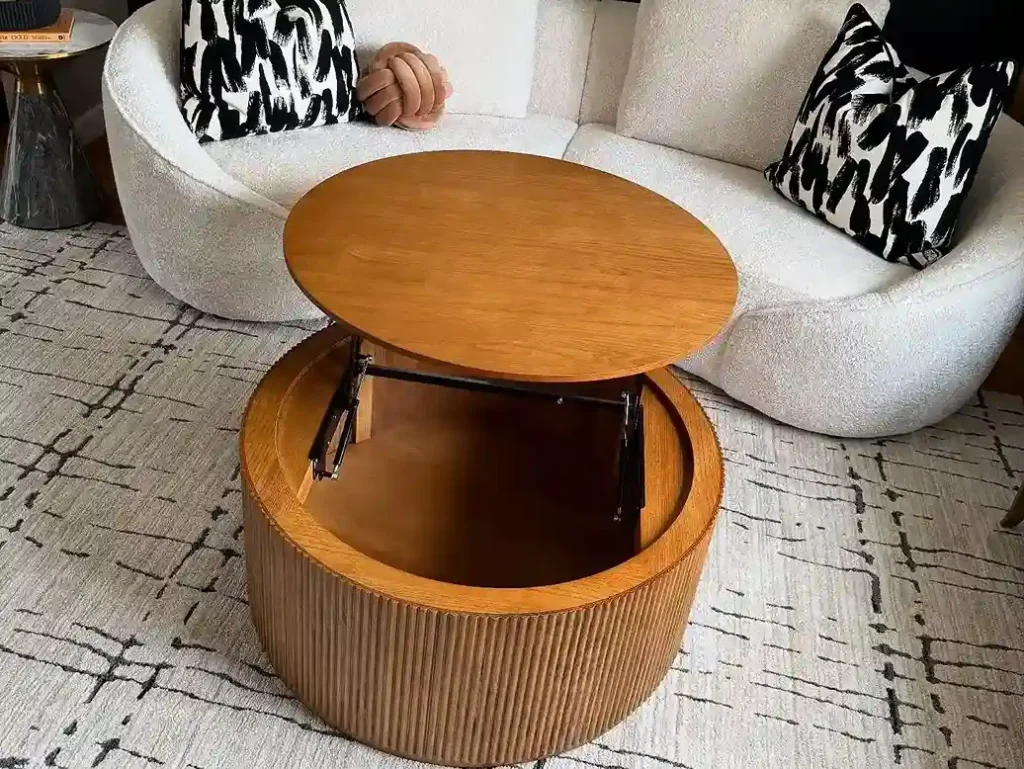
This configuration is ideal for intimate gatherings, making guests feel more connected and conversations flow effortlessly.
Balances Angular Room Designs
Rooms dominated by sharp-lined furniture and geometric shapes benefit greatly from the introduction of round tables. Their organic curves break up symmetry and hard edges, producing visual balance and a softer atmosphere.
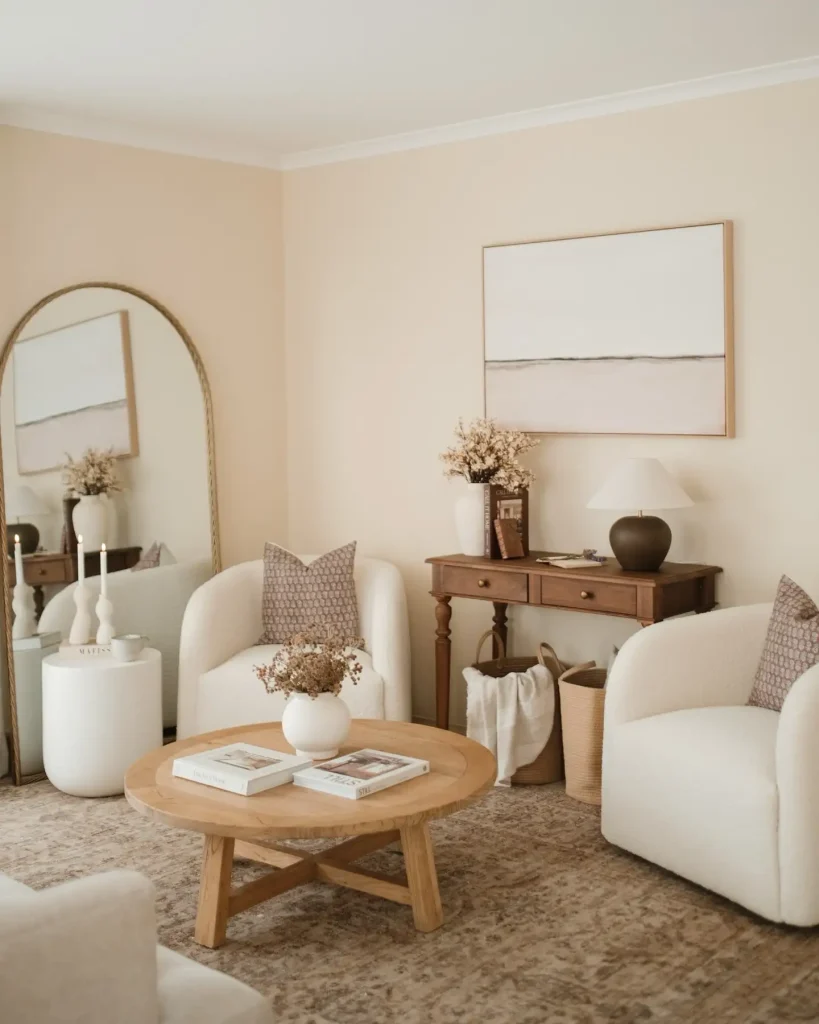
This contrast enriches room aesthetics, giving spaces a curated, intentional feel rather than an overly rigid appearance.
Optimizes Space in Compact Areas
Without protruding corners, round coffee tables are uniquely suited to fitting snug rooms, utilizing every inch effectively and allowing furniture to sit closer to walls without obstructing walk paths.
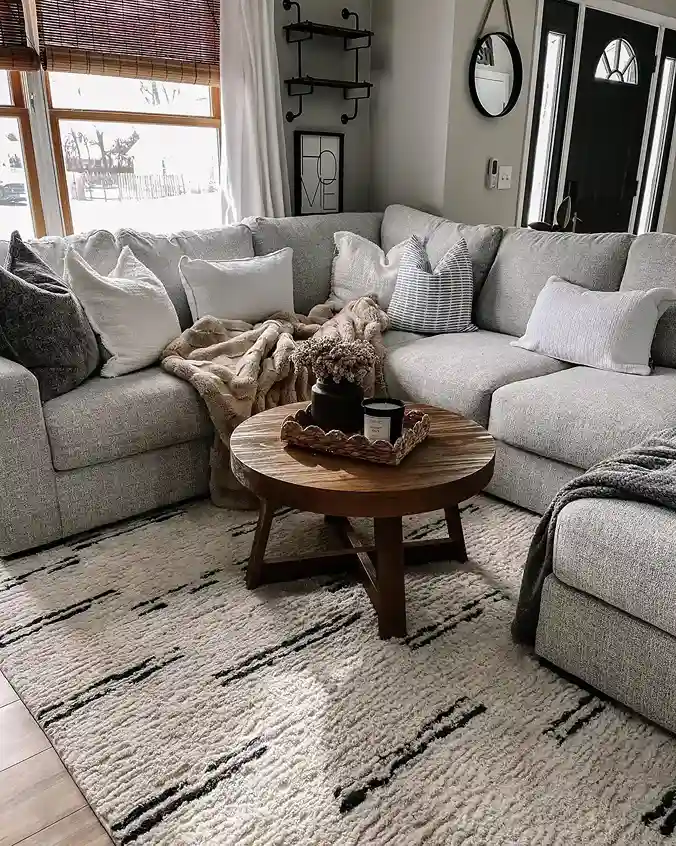
For apartments or compact homes, this space-efficiency is often the deciding factor in creating functional yet stylish living environments.
Determining the Ideal Size
Accurate Space Assessment
Begin by measuring the distance between your primary seating pieces. It’s recommended to maintain a walkway clearance of approximately 14 to 18 inches between the coffee table edge and sofas or chairs, ensuring ease of access and legroom.
For example, subtract between 28 to 36 inches from the total distance across your seating area to identify the largest suitable table diameter. This ensures the table neither overcrowds the space nor leaves significant gaps.
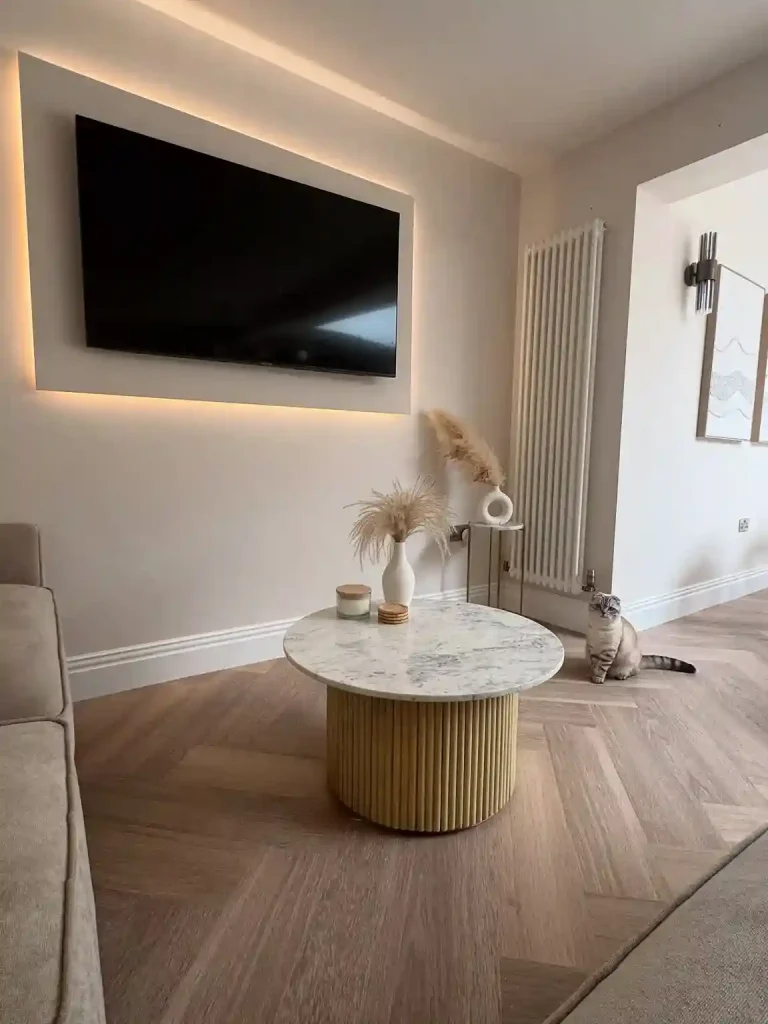
Common Diameter Ranges
For smaller spaces, consider round coffee tables about 30 to 36 inches in diameter. Medium-sized tables measuring between 36 and 42 inches suit average living areas with sofas and accent chairs.
Oversized tables, above 42 inches in diameter, work best in expansive rooms or with large sectional sofas, providing balanced scale and visual impact without becoming overwhelming.
Appropriate Height
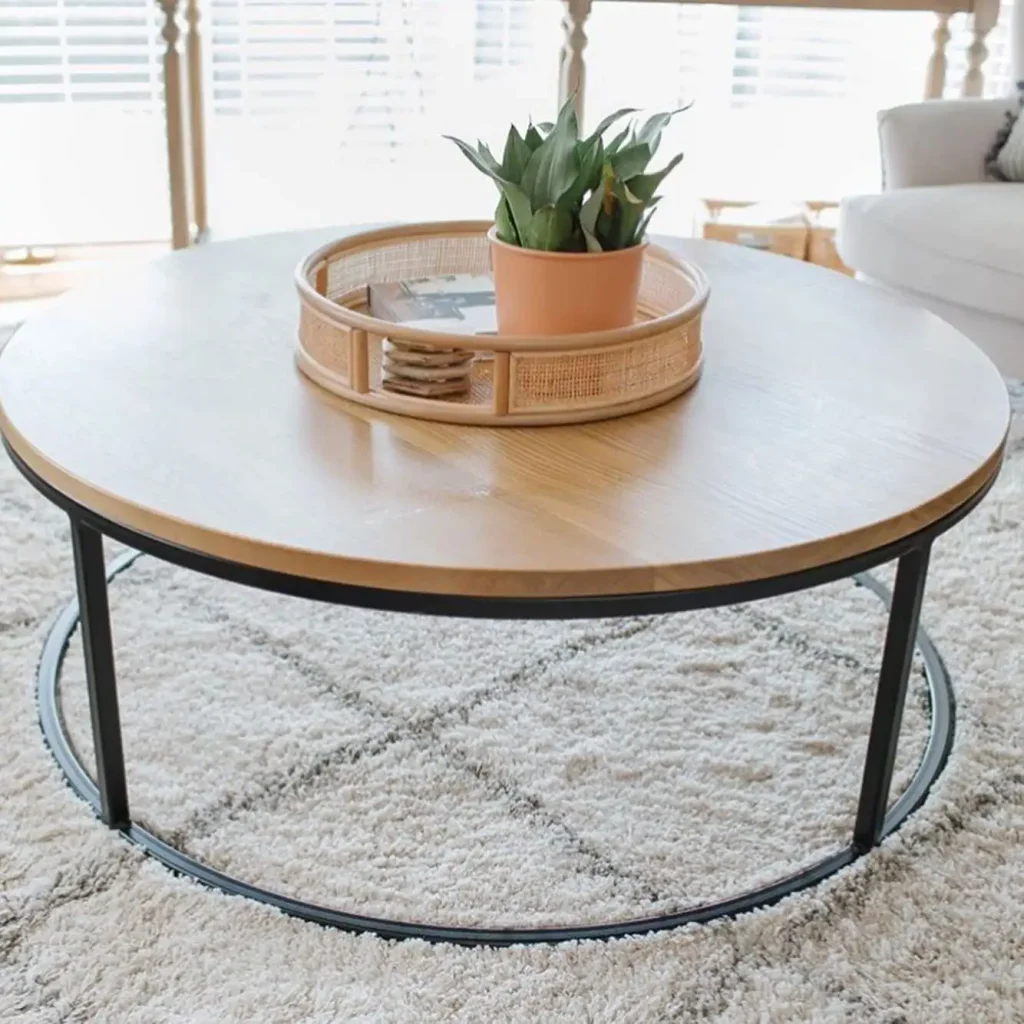
Typically, coffee tables should align with the seat height of your sofa or be just slightly lower, commonly around 16 to 18 inches. This allows for easy access when sitting without stretching.
Taller tables, approximately 20-22 inches, pair well with higher-seated furniture styles, such as certain English armchairs, while lower tables fit well with modern or minimalist pieces. Reflect on whether you’ll mainly use the table for casual decor, serving food, or other functions when picking height.
Exploring Materials and Design Variations
Classic Wood Options
Wooden round coffee tables offer a warm, timeless appeal through natural grain and texture. Options span from oak and walnut to teak and reclaimed timbers, each lending diverse tones and character.
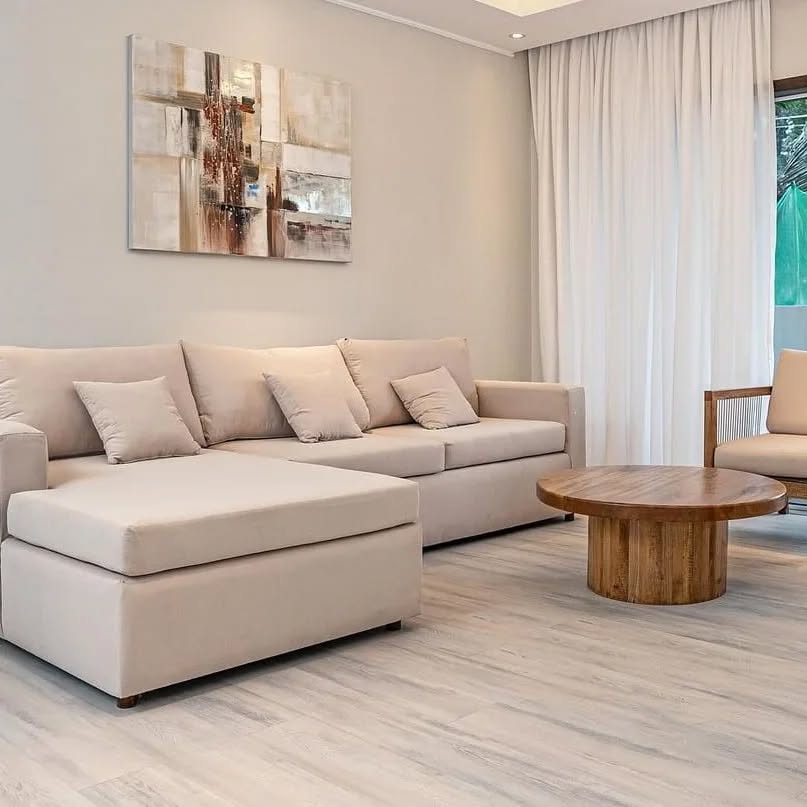
Light woods bring brightness and ventilation to casual spaces, while darker varieties impart sophisticated richness to elevated interiors.
Glass-Top Tables for Visual Lightness
Glass surfaces lend a sense of openness to small rooms by allowing uninterrupted sightlines and reflecting ambient light. Tempered glass guarantees safety while requiring routine cleaning to remain immaculate.
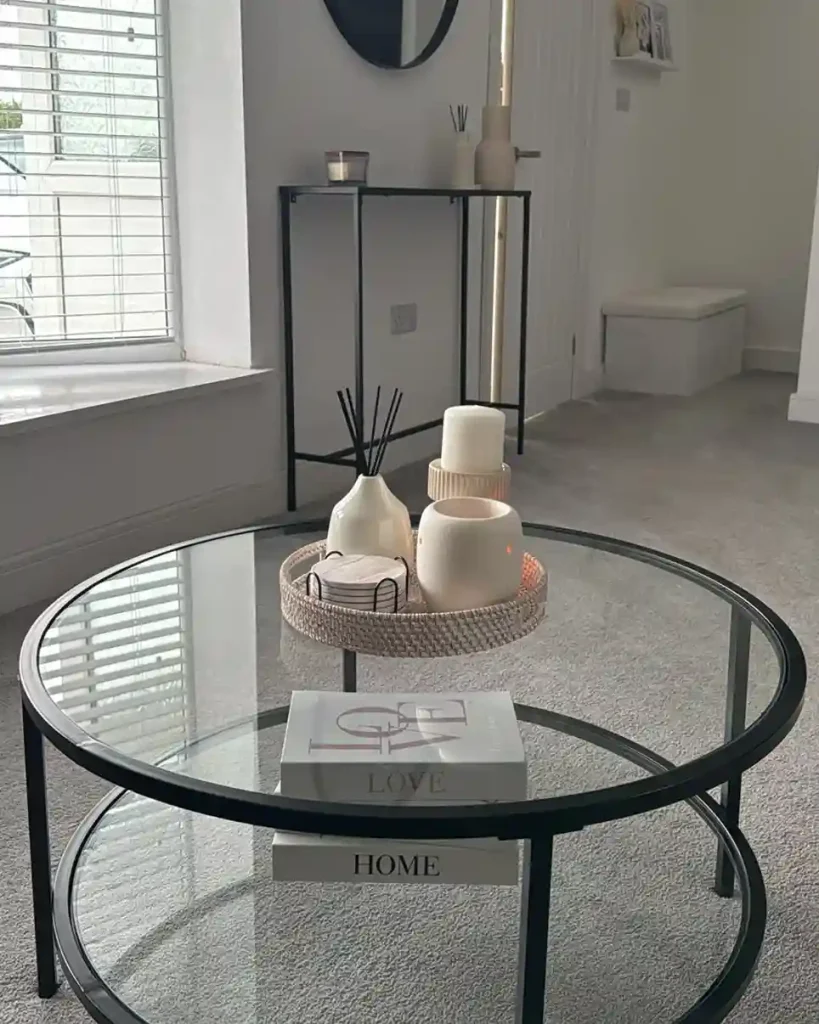
Pair glass tops with metal, wood, or acrylic legs for styles ranging from ultra-modern to eclectic.
Elegant Marble and Stone
Marble or stone tables elevate any space with natural veining and enduring resilience. Their luxurious presence works best in zones that can accommodate their weight and visual heft.
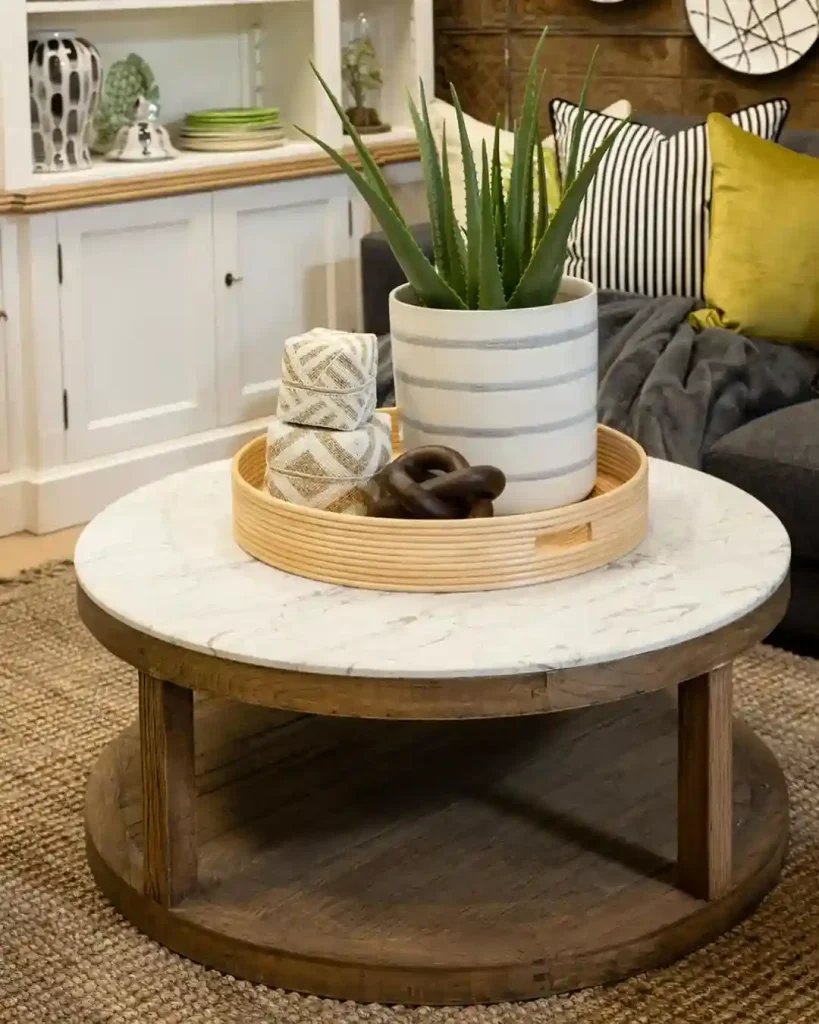
Routine sealing protects against staining, and faux marble alternatives offer similar aesthetics with less upkeep and cost.
Modern Metal and Industrial
Tables featuring metals like brass, copper, stainless steel, or powder-coated finishes complement urban, industrial, and contemporary schemes. Mixing metal bases with reclaimed wood tops adds textural contrast and warmth.
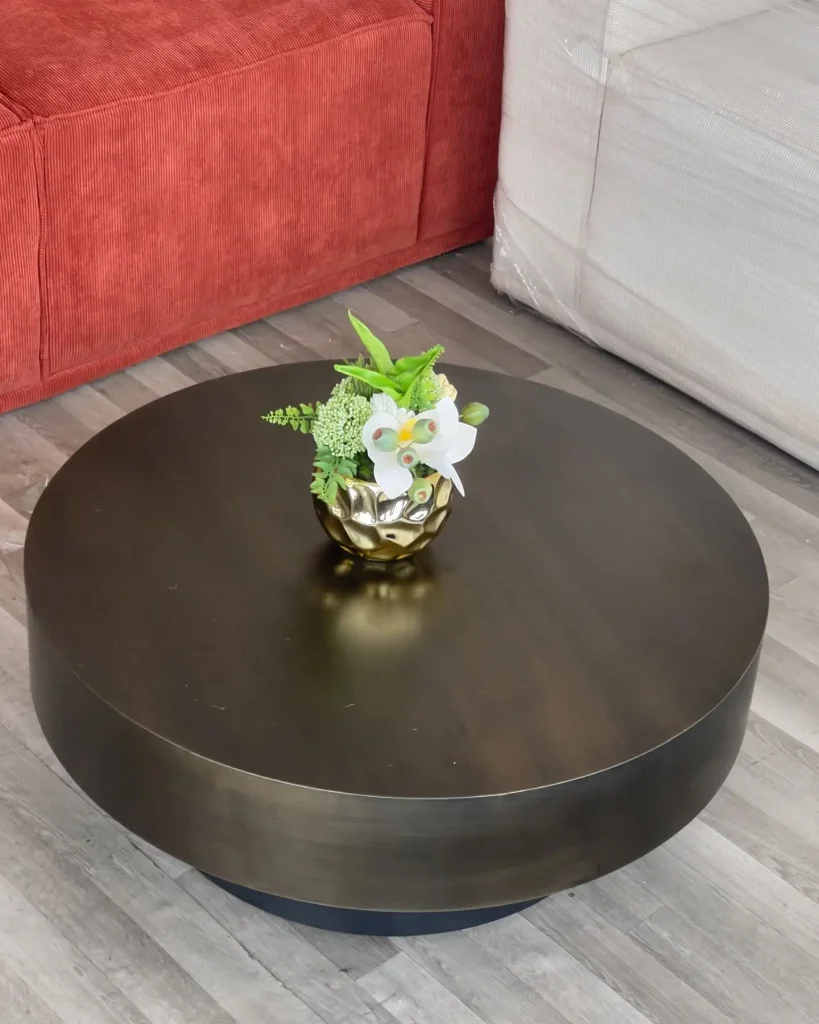
These designs endure style cycles well, making them long-term staples in evolving interiors.
Upholstered Ottoman Alternatives
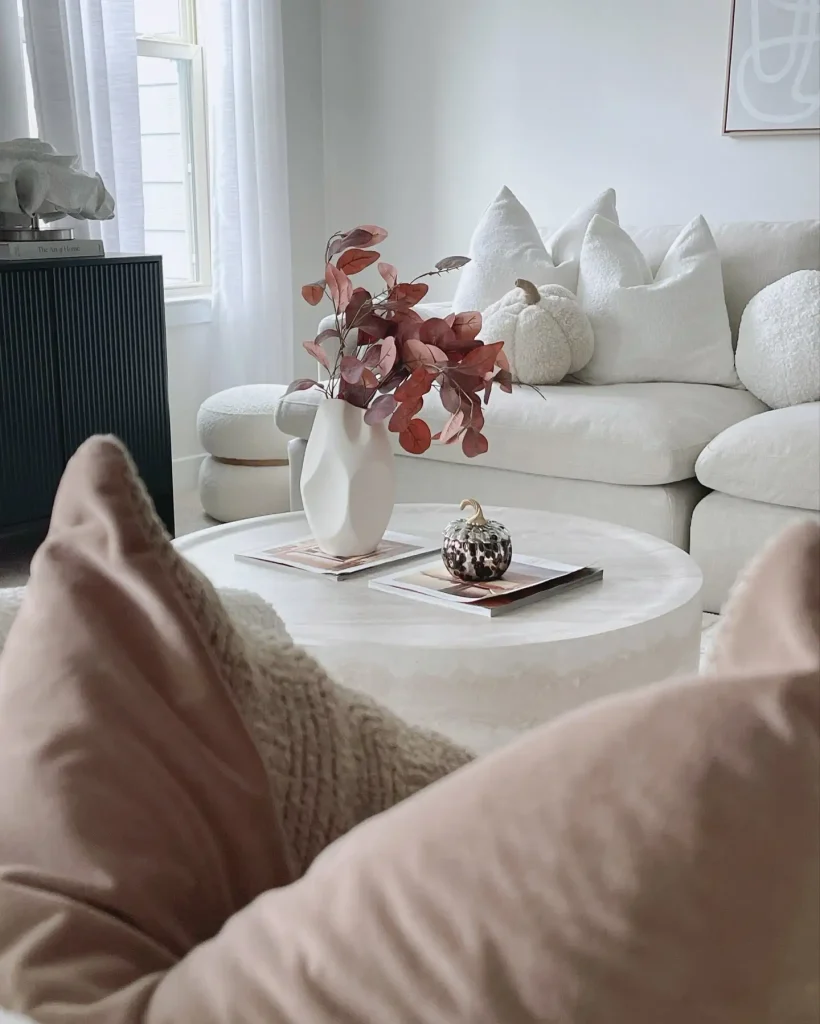
Soft, cushioned ottoman tables offer flexible functionality as both coffee tables and extra seating. Their plush surfaces eliminate injury risks entirely and add inviting comfort to family rooms.
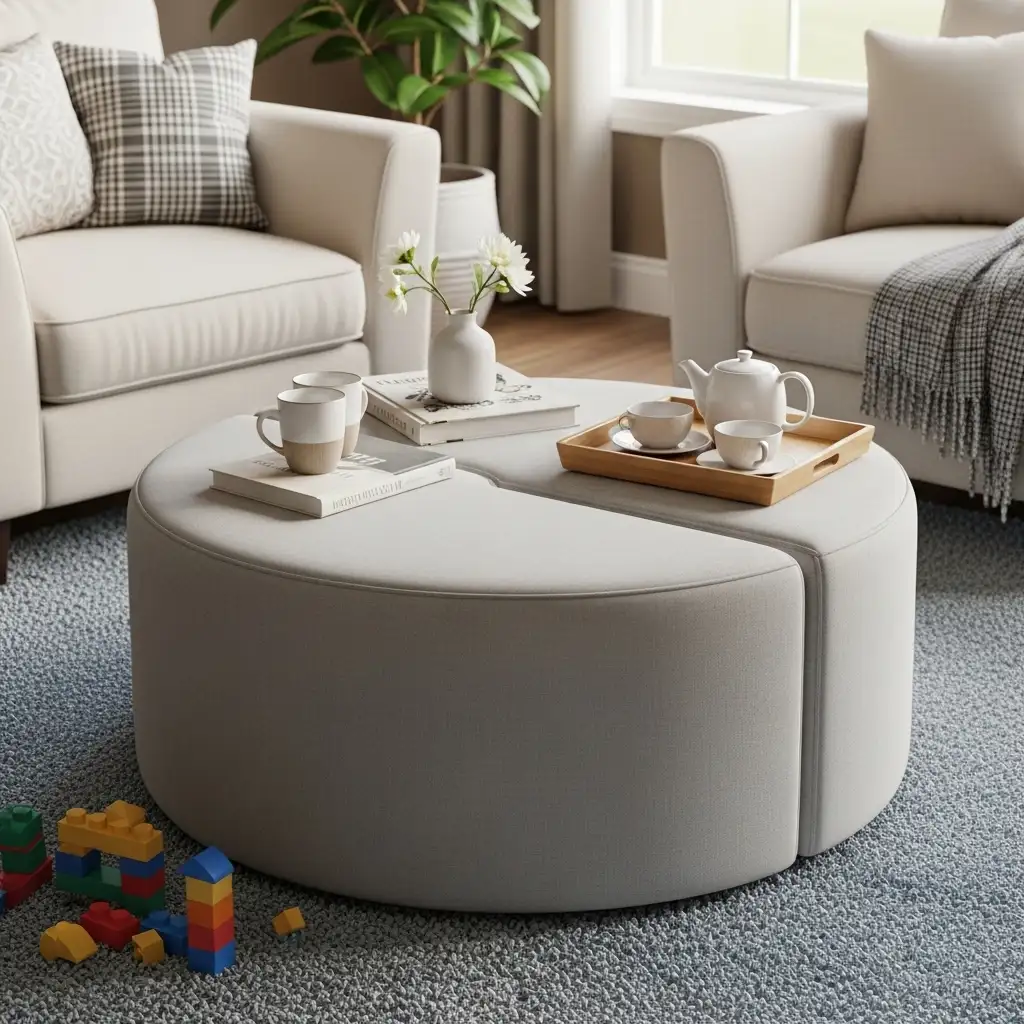
Removable trays provide firm platforms for drinks and decor. A wide range of fabrics and leather hides expand style versatility from rustic charm to modern sophistication.
Styling Tips for Round Coffee Tables
Applying the Rule of Three
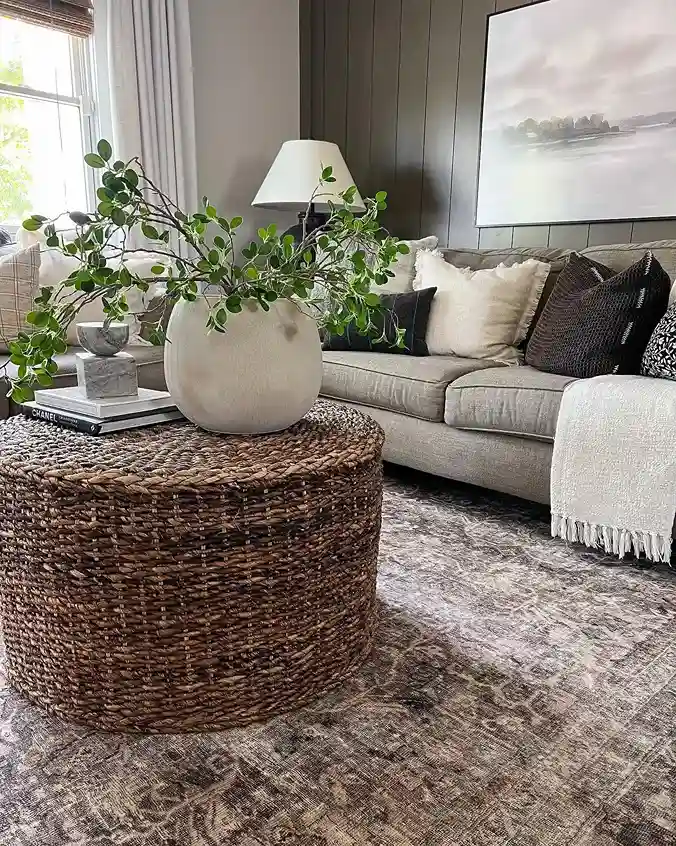
Arrange objects in groups of three with varying heights—such as a tall vase, medium stack of books, and a small decorative bowl—to create a dynamic yet balanced look. This approach animates flat surfaces and guides the eye fluidly across your table.
Utilizing Decorative Trays
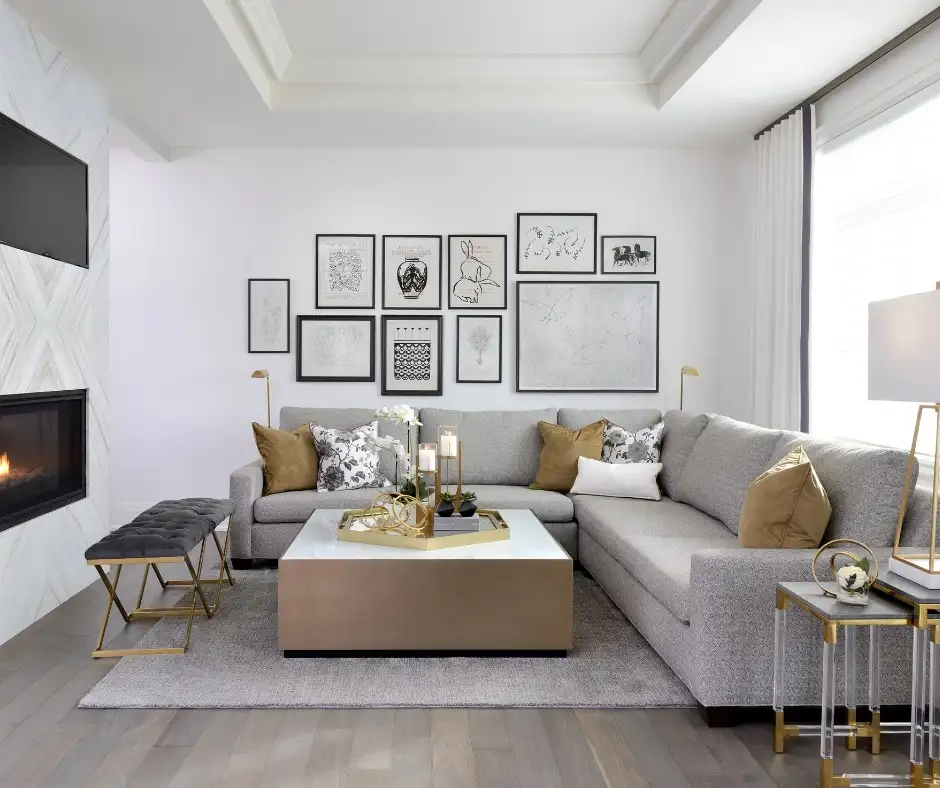
Trays not only gather smaller decor pieces like candles or coasters into neat zones but also provide functional surfaces for drinks and snacks. Materials such as wood, metal, or lacquered finishes add texture and anchor the table composition visually.
Personalized Book Stacks
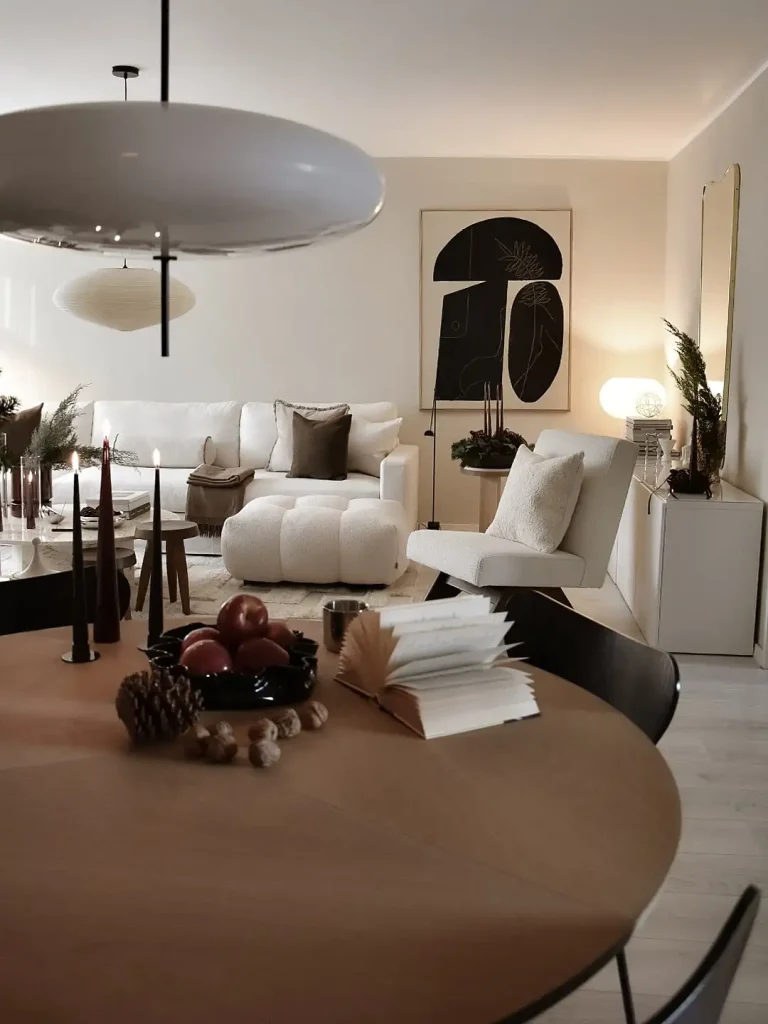
Curate stacks of coffee table books that reflect your passions—like travel, photography, or interior design—to inject color and spark conversation. Top stacks with subtle accessories such as small plants or candles for a polished finish.
Incorporating Nature
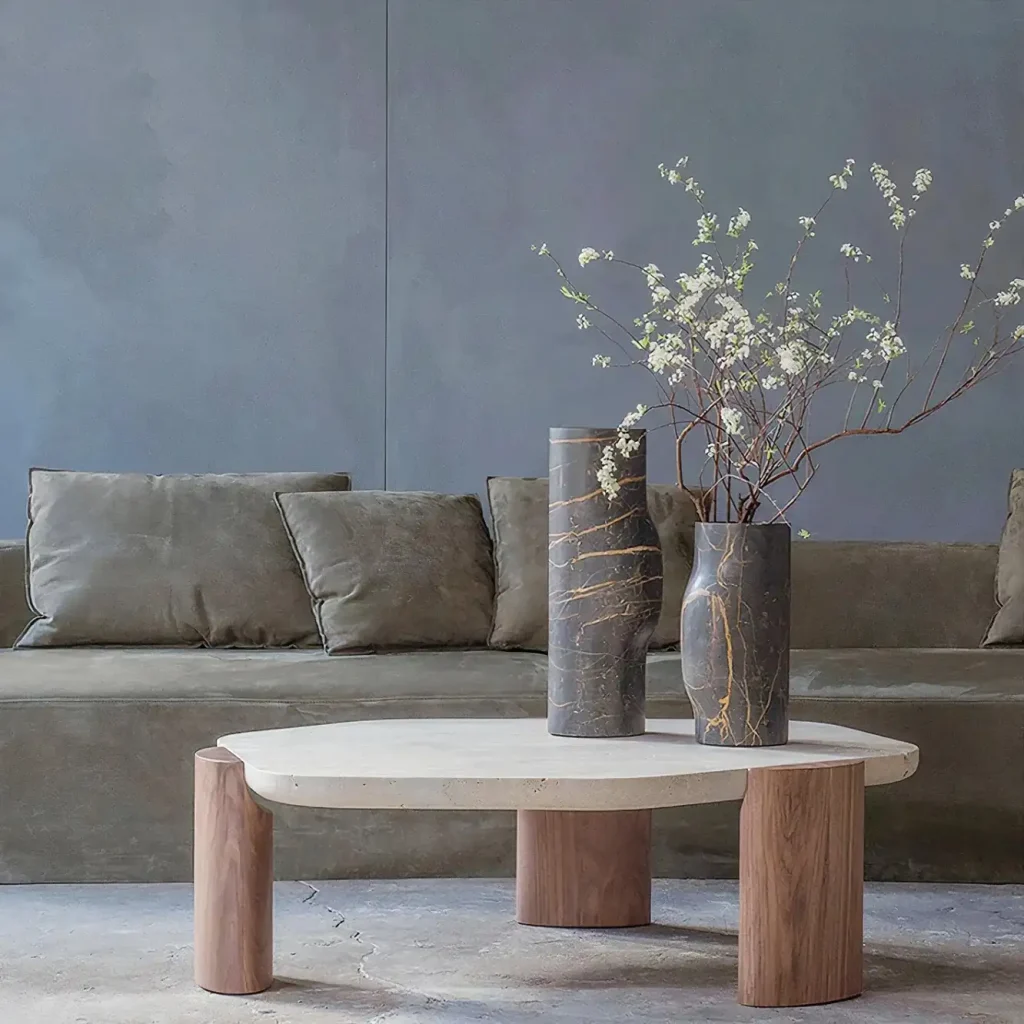
Add vitality with natural accents like fresh florals, succulents, wooden bowls, or stone artifacts. These elements bring warmth and texture while connecting your interior to the outdoors. Change plants seasonally or display collected objects that tell a story.
Integrating Round Tables in Various Room Layouts
Perfect Pairing With Sectionals
Round tables effortlessly complement sectional sofas by softening angular seating configurations and providing accessible surfaces from all sides. Placing the table at sectional junctions creates inviting communal zones.
Centered Among Facing Sofas
Positioning a round table between two opposing sofas establishes symmetry and balance, making it an excellent setup for spaces centered around conversation and entertaining. Ensure sufficient clearance—14 to 18 inches—to prevent cramped legs and allow smooth passage.
Optimized for Compact Apartment Living
Compact dwellings benefit from round tables’ streamlined form, which preserves open walkways and diminishes visual clutter. Opt for diameters between 30 and 36 inches. Nested tables or multifunctional ottomans add adaptability when space is at a premium.
Defining Zones in Open Floor Plans
In open-concept living areas, round coffee tables serve to subtly distinguish seating clusters without erecting barriers. Larger diameter tables can anchor generous spaces, providing cohesive focus points that harmonize with surrounding zones.
Maintaining Your Round Coffee Table
Wood Care Essentials
Protect wood surfaces by always using coasters to prevent water marks and heat damage. Clean with mild wood cleaners or damp cloths, avoiding abrasive products that may strip finishes. Periodically apply polish or wax to maintain moisture and sheen, and keep tables away from direct sunlight and vents to prevent warping or fading.
Glass Cleaning Tips
Maintain glass table tops with quality glass cleaner and a soft microfiber cloth to remove smudges and streaks. Use coasters to prevent scratches and avoid placing heavy or sharp objects on the surface to protect its integrity.
Stone and Marble Upkeep
Stone surfaces require sealing to shield them from staining substances like wine and coffee. Employ pH-neutral cleaners formulated for stone, and wipe spills immediately to prevent etching or discoloration. While maintenance demands are higher, attentive care preserves their exquisite appearance and durability.
Budgeting for Your Perfect Table
Prices for round coffee tables vary widely, with budget-friendly models starting near $100 and high-end designer pieces exceeding $3,000. Solid wood and natural stone command premium prices due to material value and craftsmanship, whereas glass, metal, and laminate options often offer more affordable style. Assessing durability and timeless appeal alongside cost can help ensure your investment delivers lasting satisfaction.
Top Retailers for Round Coffee Tables
Leading furniture stores such as West Elm, Crate & Barrel, and Pottery Barn showcase thoughtfully curated selections combining quality and design. For budget-conscious shoppers, outlets like IKEA, Target, and Wayfair provide attractive alternatives. Vintage enthusiasts might explore estate sales or online marketplaces for unique finds, while custom-built tables enable perfect bespoke fit and style—though, often at a premium. Browse Amazon’s offerings here for diverse round coffee tables suited to varied tastes and budgets.
Common Queries About Round Coffee Tables
Is a round coffee table better than a rectangular one?
Both shapes bring distinctive strengths depending on room shape, household dynamics, and visual preference. Round tables promote safe circulation, encourage interaction, and create softer lines, while rectangular tables often provide more usable surface area and complement elongated spaces. Your choice should align with your lifestyle and design goals rather than a universal “best.”
What diameter should a round coffee table have?
Measure the distance between seating furniture, subtracting 28-36 inches for walk space, to determine the optimal diameter. Most setups accommodate tables between 36 and 42 inches comfortably, but smaller or larger sizes may suit specific room layouts.
How do I decorate a round coffee table?
Use the rule of three by combining objects of different heights and textures, anchor smaller items on trays for organization, stack meaningful books, and add natural touches like plants or flowers. Vary your arrangements seasonally to keep your table fresh and inviting.
Can you use a round rug under a round coffee table?
Absolutely. Round rugs accentuate circular furniture, creating harmonious layers and emphasizing curves. Aim for a rug that extends at least 18-24 inches beyond the table’s edge to accommodate chair legs and foot traffic. Alternatively, mixing rug shapes can add visual intrigue depending on your room’s overall design.
Final Thoughts: Embracing the Versatility of Round Coffee Tables
Round coffee tables stand out not only as stylish centerpieces but also as thoughtful solutions enhancing safety, functionality, and aesthetics in a wide range of interiors. They harmonize with various furniture styles and room sizes, offering a unique balance of form and practicality.
Whether you gravitate toward classic wooden craftsmanship, sleek glass modernism, opulent stone, or cozy upholstered ottomans, the round table’s inherent benefits—improved flow, inclusive interaction, and softened lines—remain consistent. Keep your lifestyle and space dimensions in mind to select a piece that beautifully complements and supports your daily living.
Ready to elevate your living space? Dive into our curated guides, including innovative console table behind couch ideas, versatile living room and dining room combos, chic grey couch decor, rich dark brown living room designs, and comprehensive living room décor inspiration. Your ideal round coffee table awaits to combine beauty and function in perfect harmony, welcoming countless cozy moments and gatherings.
As an Amazon Associate I earn from qualifying purchases.