 goodworksfurniture Decoration and home design ideas
 The ceiling of your living room is a valuable design element that often goes unnoticed. While walls receive art and floors boast chic rugs, ceilings tend to remain bare—yet they occupy the same area and play a vital role in shaping the ambiance of your space.
With some careful thought, a well-designed ceiling can elevate your living room from ordinary to spectacular, creating an inviting atmosphere that captivates visitors and enhances everyday living.
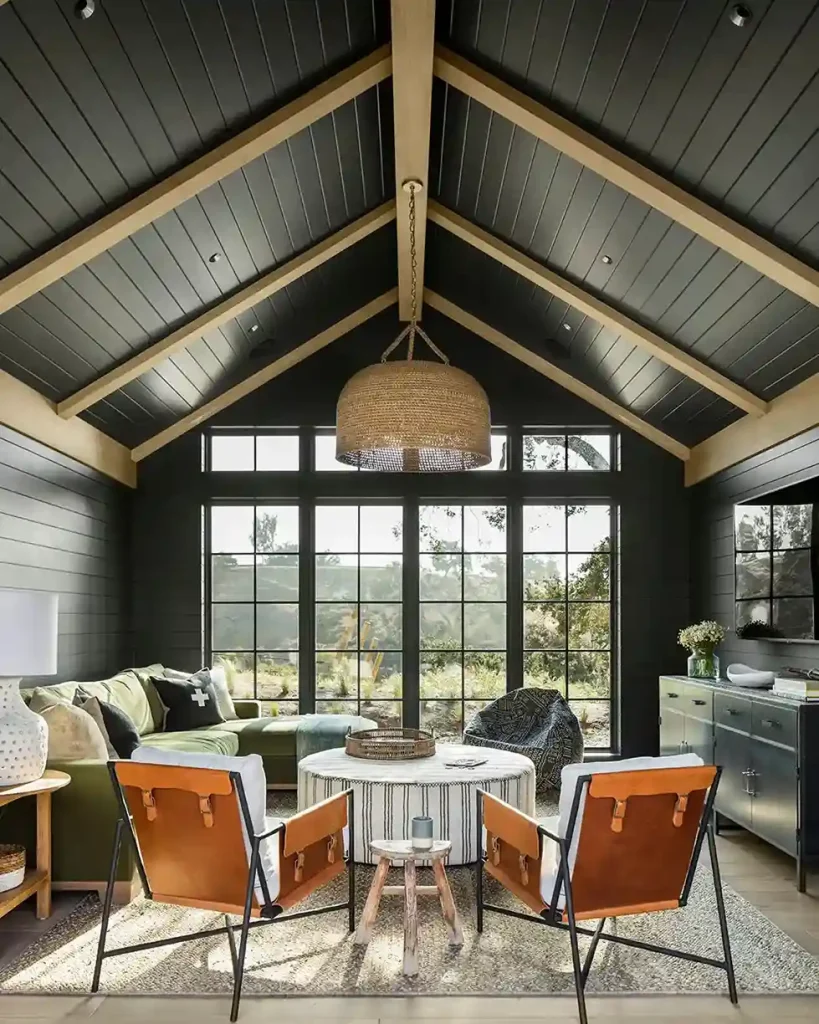
The living area offers a unique opportunity for bold ceiling designs since it’s a shared space where you can experiment more freely than in private rooms like bedrooms. Regardless of whether your ceilings are the standard eight feet or soaring, extended heights, carefully selected ceiling treatments can establish mood, define different zones, and add architectural interest to your home.
Unlocking the Potential of Your Living Room Ceiling
Start by evaluating your ceiling’s characteristics. The height plays a crucial role in determining suitable design options. For instance, eight-foot ceilings work best with methods that create an illusion of spaciousness, such as light paint shades, vertical lines, or restrained adornments that maintain openness.
If your ceiling falls between nine and ten feet, you have more freedom to experiment with various styles. Ceilings exceeding ten feet can handle ambitious choices like hefty wooden beams, intricate coffering, or striking colors without feeling confining.
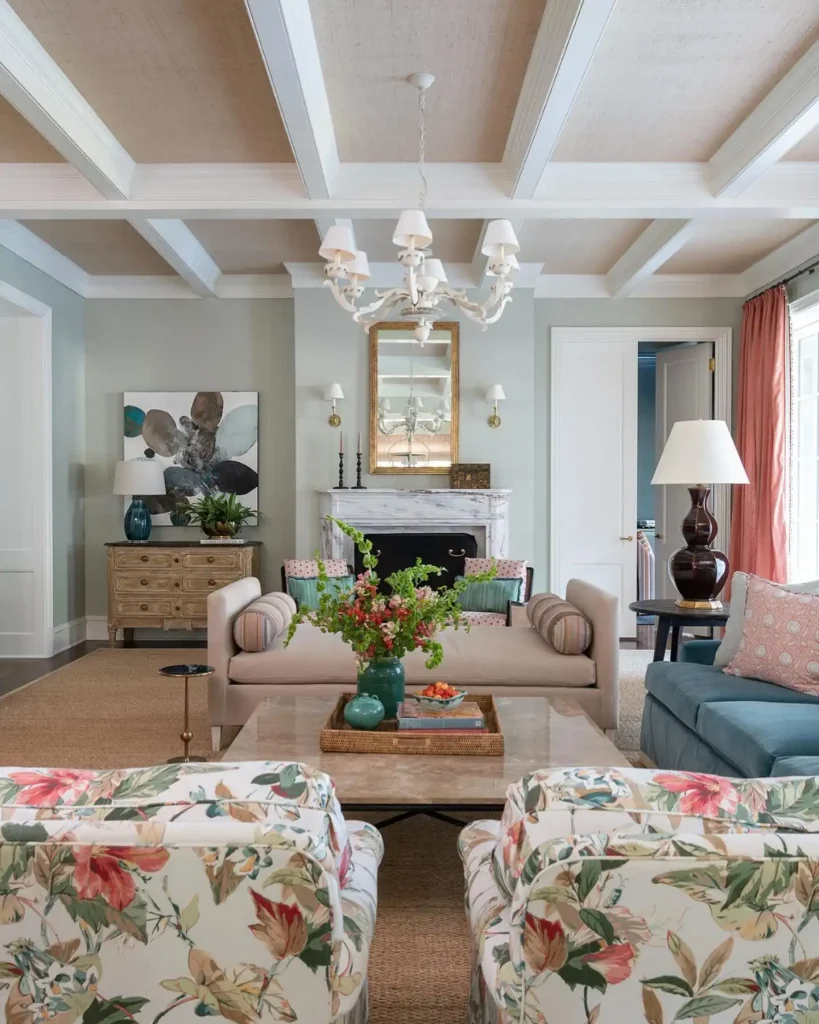
Natural lighting conditions also influence your ceiling design. Rooms awash with daylight can absorb deeper color palettes that might overwhelm dimmer spaces. In the evening, lighting design gains importance—your ceiling should complement the illumination strategy, enhancing rather than battling light sources.
Exploring the Impact of Color on Ceilings
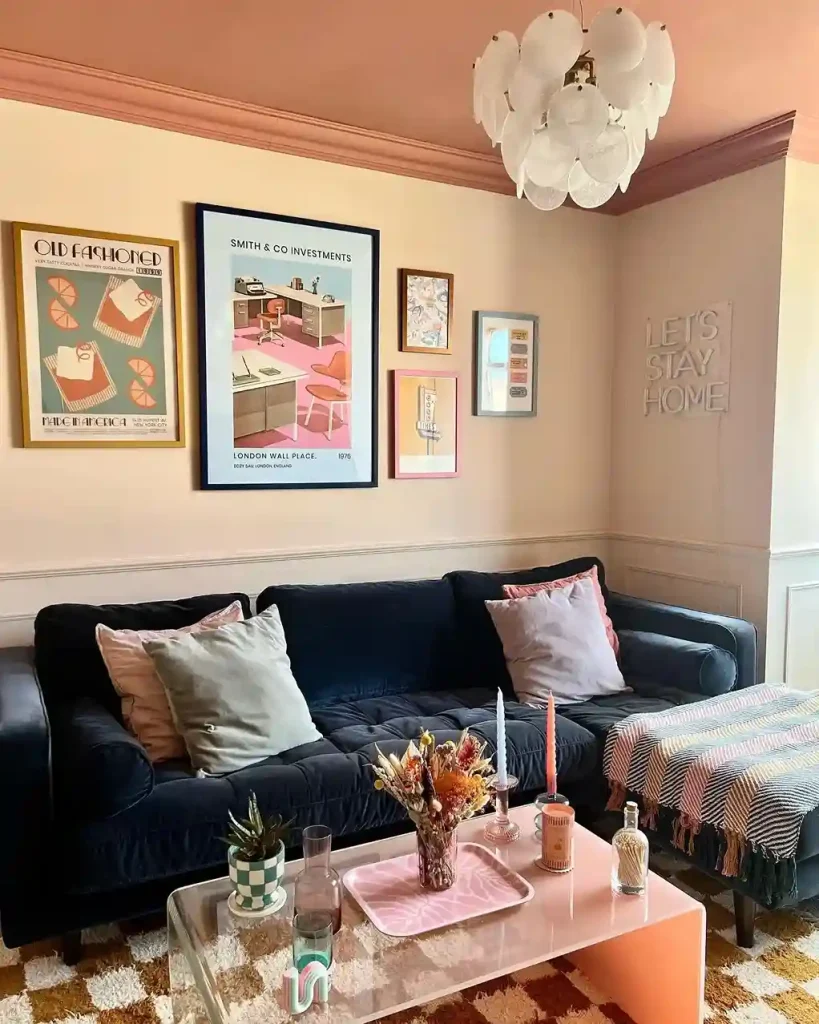
Painting is the simplest way to reimagine your ceiling, yet many opt for plain white without exploring alternatives. Thoughtful ceiling coloring can shift the atmosphere dramatically.
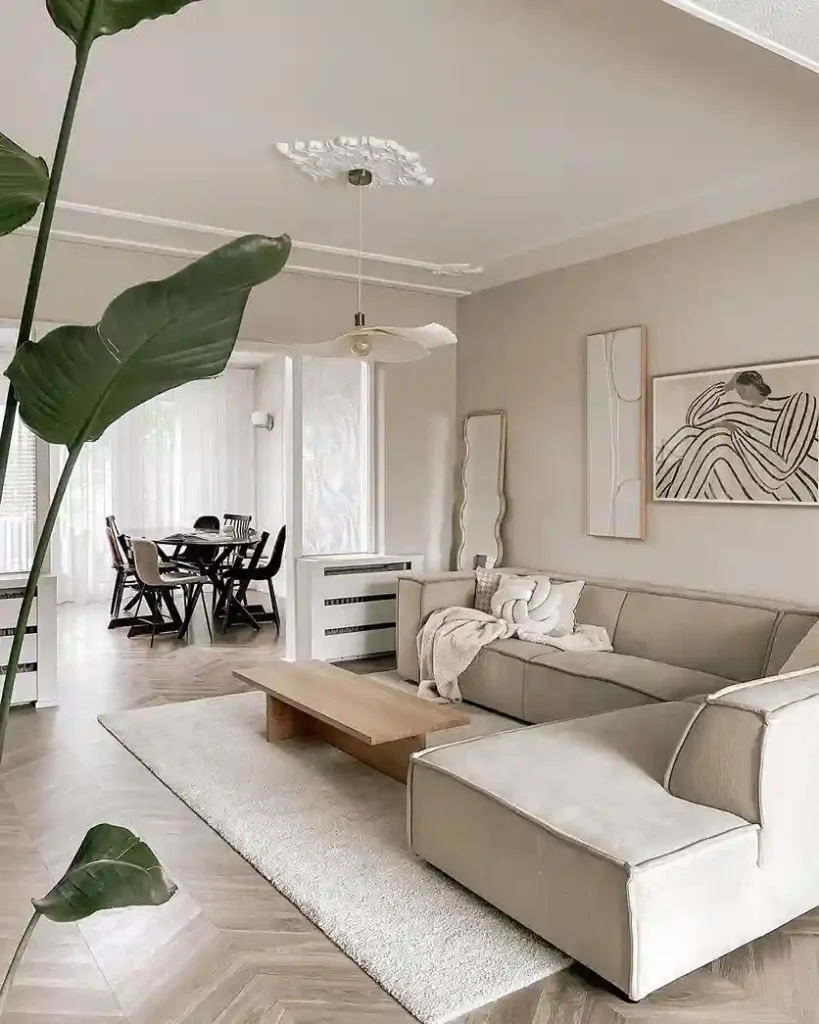
Seamless Wall-to-Ceiling Flow: Applying the same color on both walls and ceiling blurs boundaries, making rooms feel more expansive and harmonious. This strategy is especially effective in cozy living rooms where expanding visual space is a priority.
Create Drama with Deep Tones: Dark hues such as charcoal, midnight blue, or black on the ceiling craft moody, refined environments akin to art galleries. These choices foster intimacy and provide stunning contrast for light furnishings and artworks, instantly lifting the aesthetic to a sophisticated level.
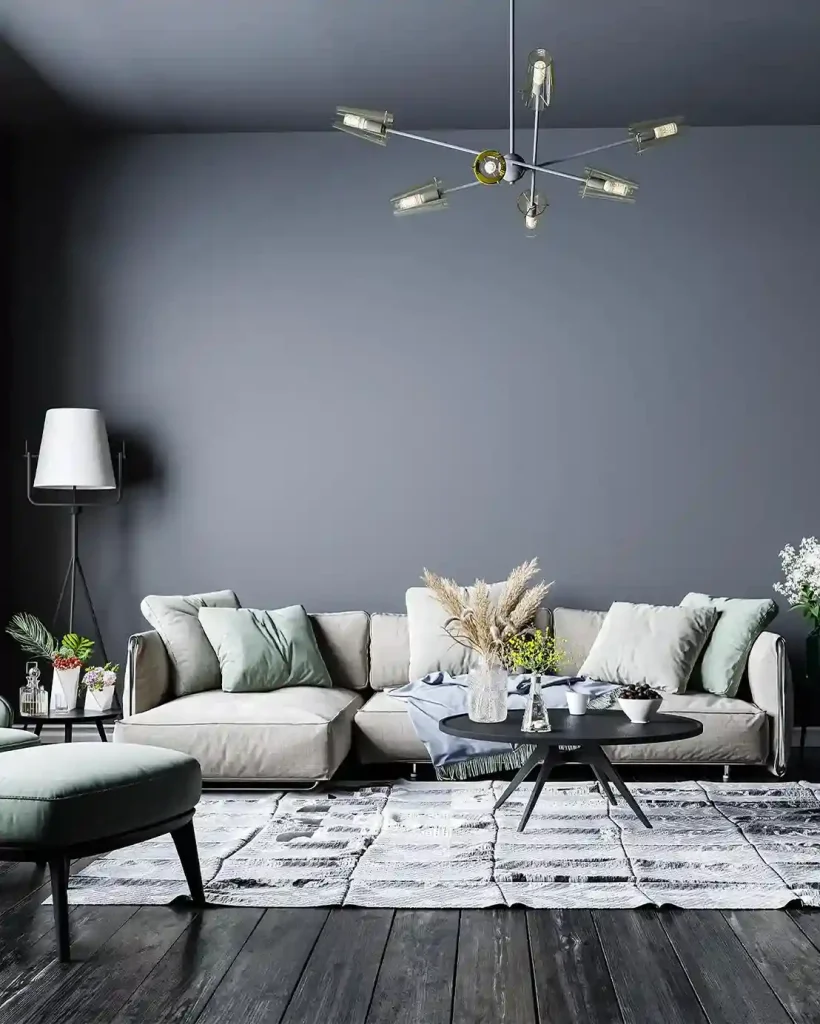
Opt for Gentle Neutrals: Soft taupes, warm grays, or creamy off-whites provide a welcoming touch, avoiding the starkness of bright white. These tones adapt well to various decor schemes, adding understated warmth overhead.
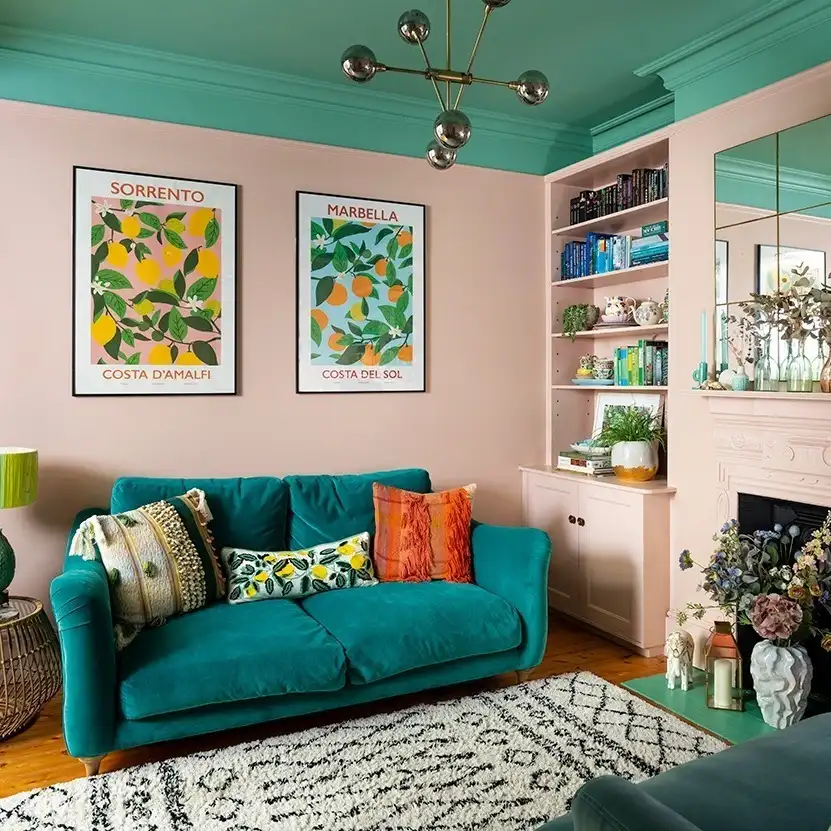
Introduce an Accent Hue: Use ceiling paint to highlight a secondary shade found in your room’s textiles or artwork. This surprising tactic adds layers of visual intrigue without detracting from your walls or furniture.
Architectural Details that Enhance Ceilings
The Charm of Wooden Beams
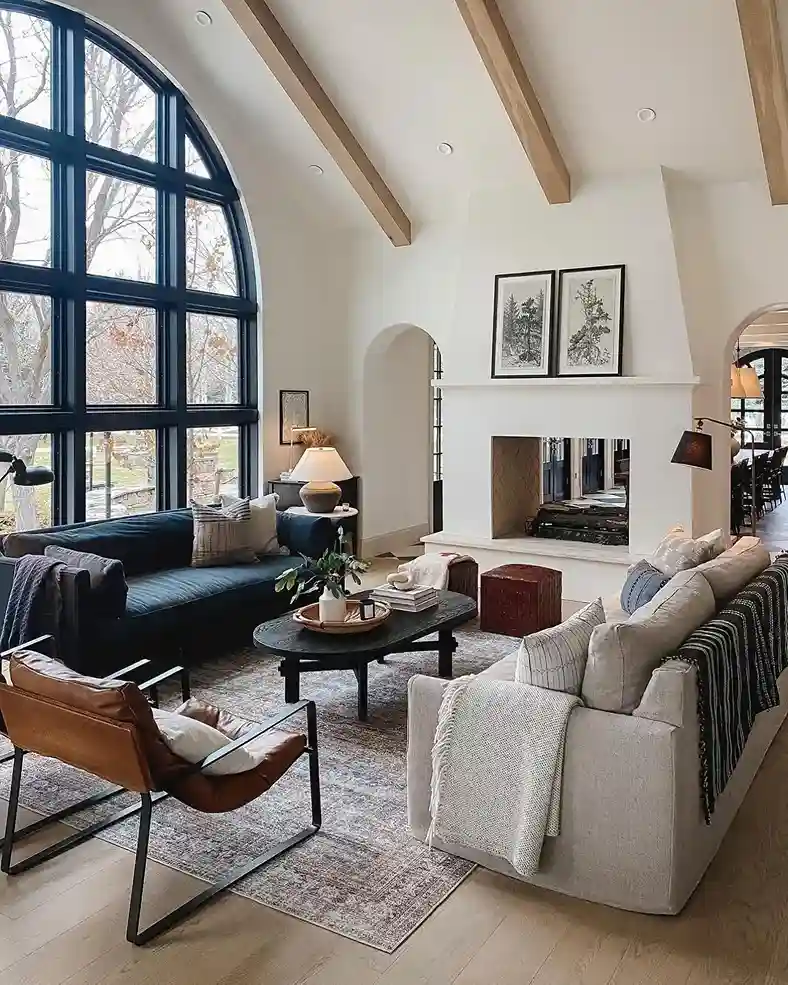
Exposed beams continue to be a defining element in living room ceiling designs. Authentic beams in heritage or remodeled homes add unique character, while modern faux beams offer the same aesthetic with less structural demand.
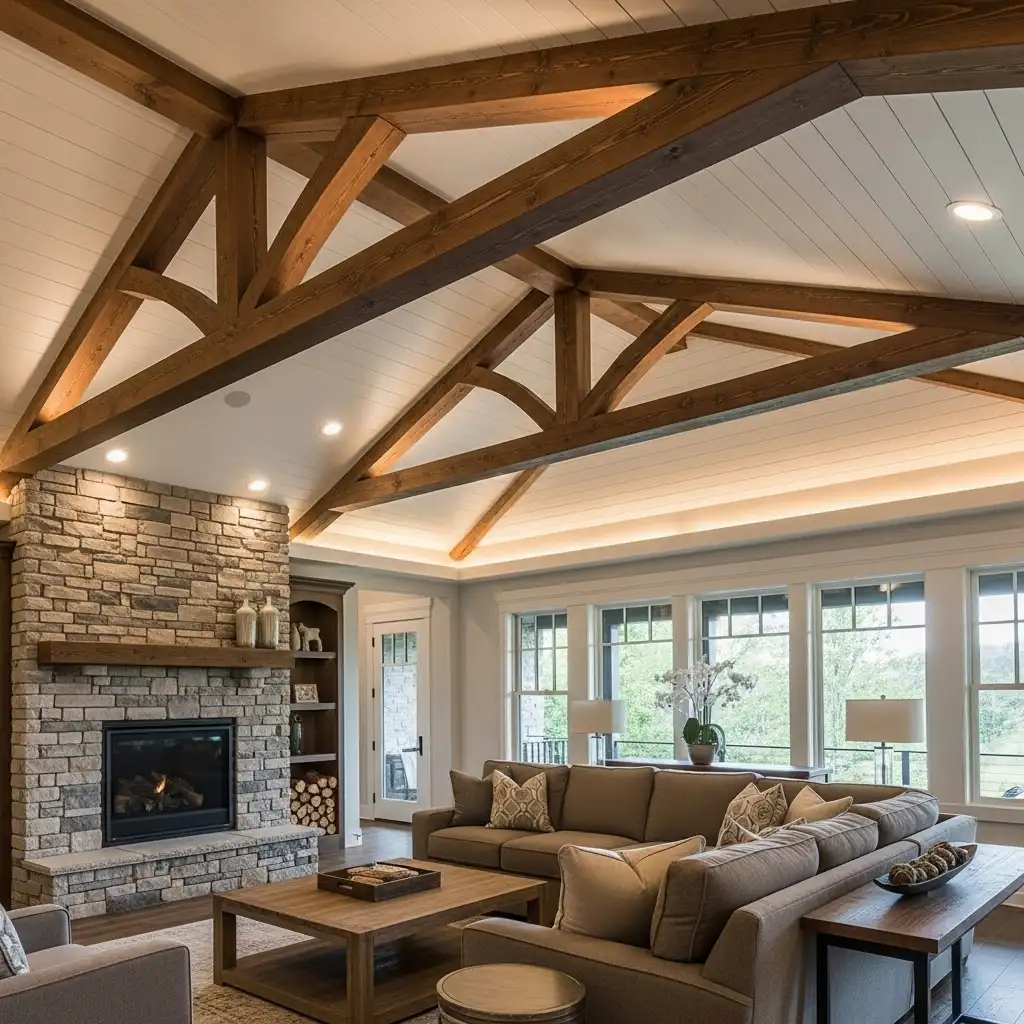
Beam layouts can range from simple parallel lines to grids forming boxed panels or targeted placements emphasizing seating areas. Wood finishes can contrast strikingly with painted ceilings or blend softly by matching colors. Attention to beam size relative to room dimensions prevents visual imbalance—oversized beams crowd small spaces, while tiny beams lose impact in expansive rooms.
Vaulted ceilings especially benefit from beams, which accentuate soaring angles. Even in standard ceiling heights, well-planned beams significantly enhance architectural depth. For more ideas, explore our detailed guide on living room ceiling beams.
Timeless Appeal of Coffered Ceilings
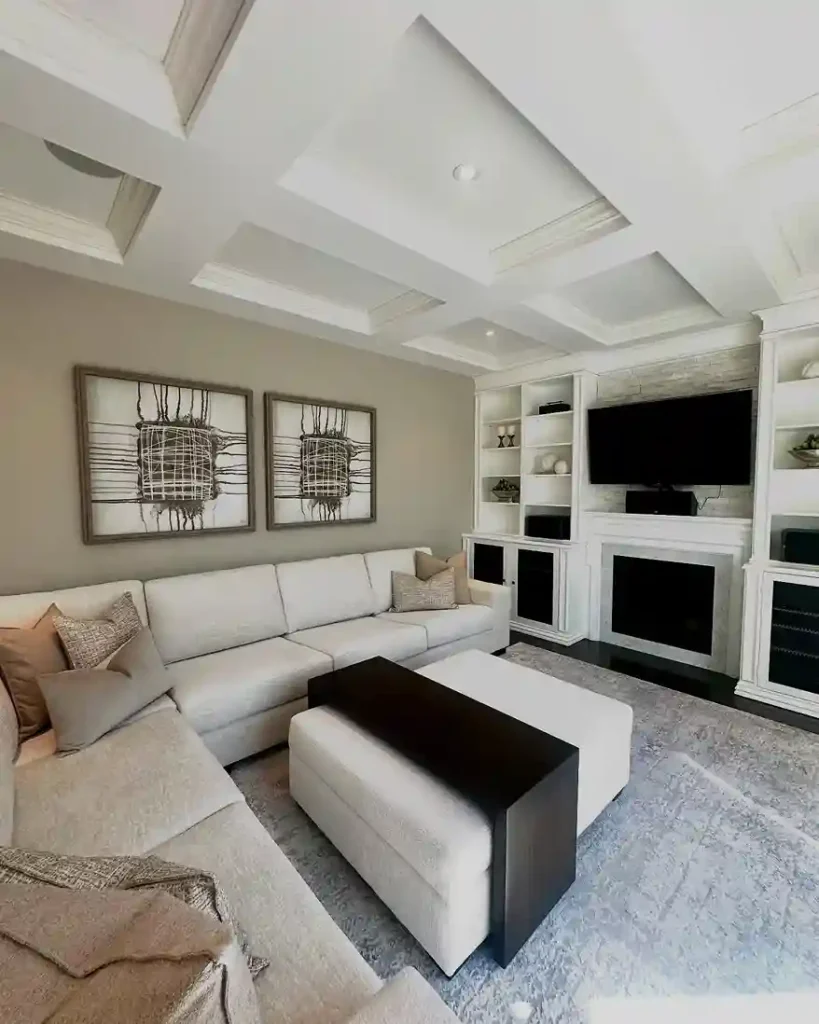
Coffered ceilings add luxurious depth through a grid of recessed panels framed by beams. This traditional style can blend with both classic and contemporary interiors depending on execution. Deep, ornate panels evoke formal elegance, while shallower, minimalist coffers compliment modern designs.
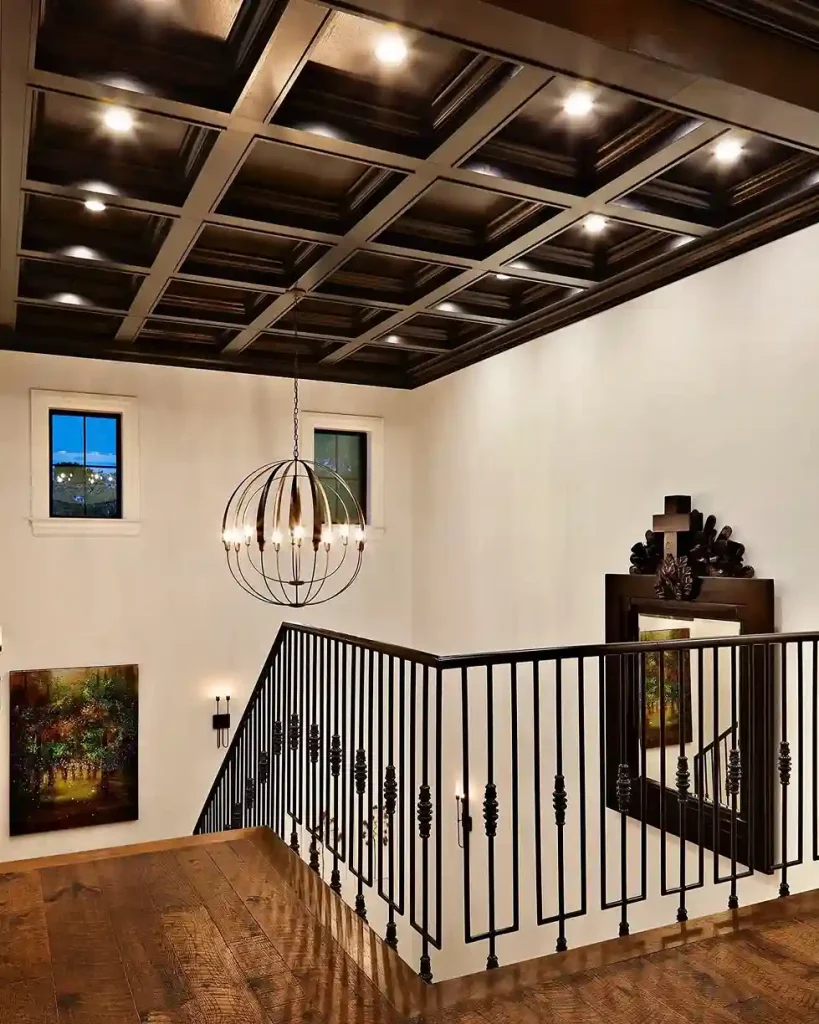
Choose coffer sizes and spacing in proportion to your living area—larger rooms support grand coffers, smaller rooms require subtle scaling. Contrast beams and panels with different hues for striking outlines or keep a monochromatic palette for refined subtlety. Integrate recessed lighting within panels to create a soft, evenly diffused glow.
Subtle Sophistication of Tray Ceilings
Tray ceilings offer an understated architectural feature by raising the perimeter and recessing the center section. Ideal for defining spaces within open floor plans, they provide zones for statement lighting while the raised border invites cove lighting installation for ambient effects.
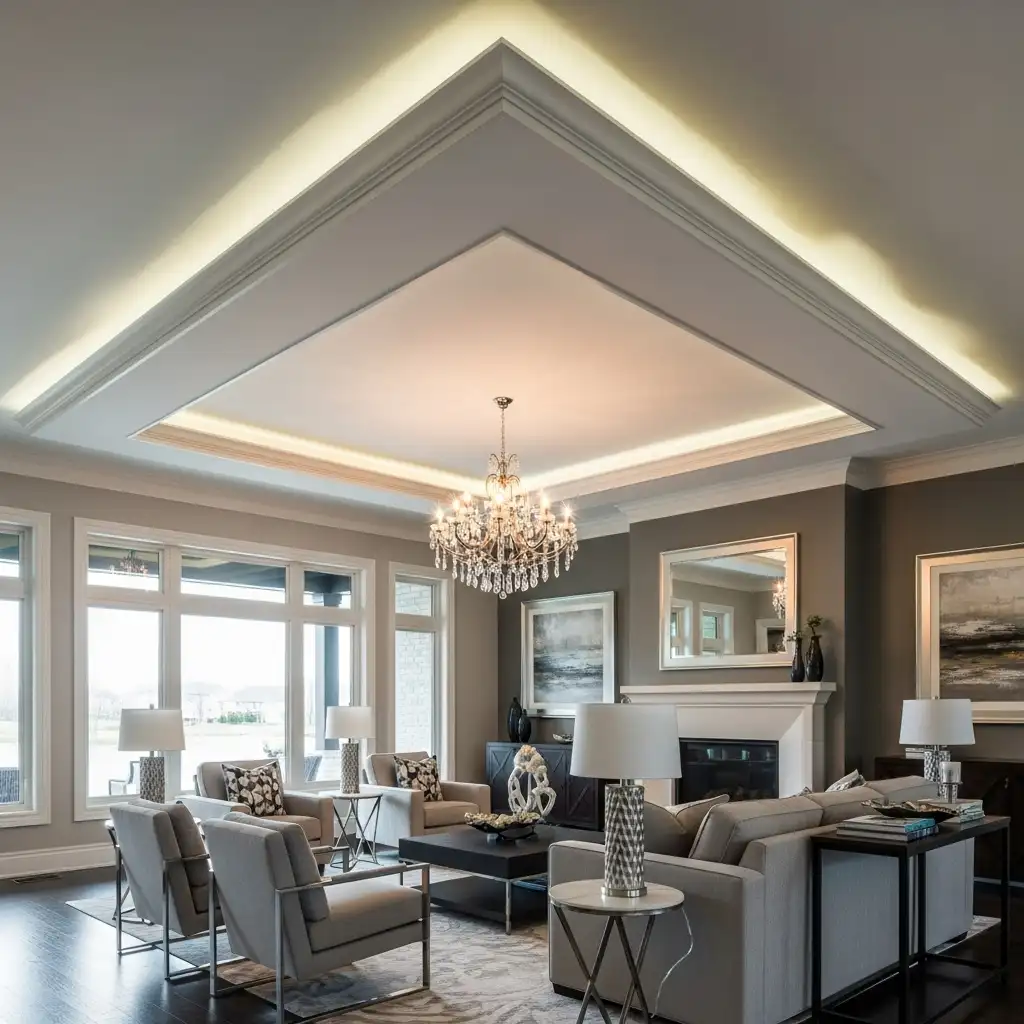
Use different colors or wallpaper inside the recessed section to elevate luxury. Layered crown molding accentuates depth. Tray designs suit ceilings starting at eight feet but become more dramatic as height increases.
Adding Texture and Material Depth to Ceilings
Warmth of Wooden Ceilings
Wood adds inviting warmth and texture, grounding the living room atmosphere. Options like shiplap create a relaxed vibe perfect for rustic or coastal aesthetics, while tongue-and-groove planks offer polish for traditional or lodge-inspired interiors.
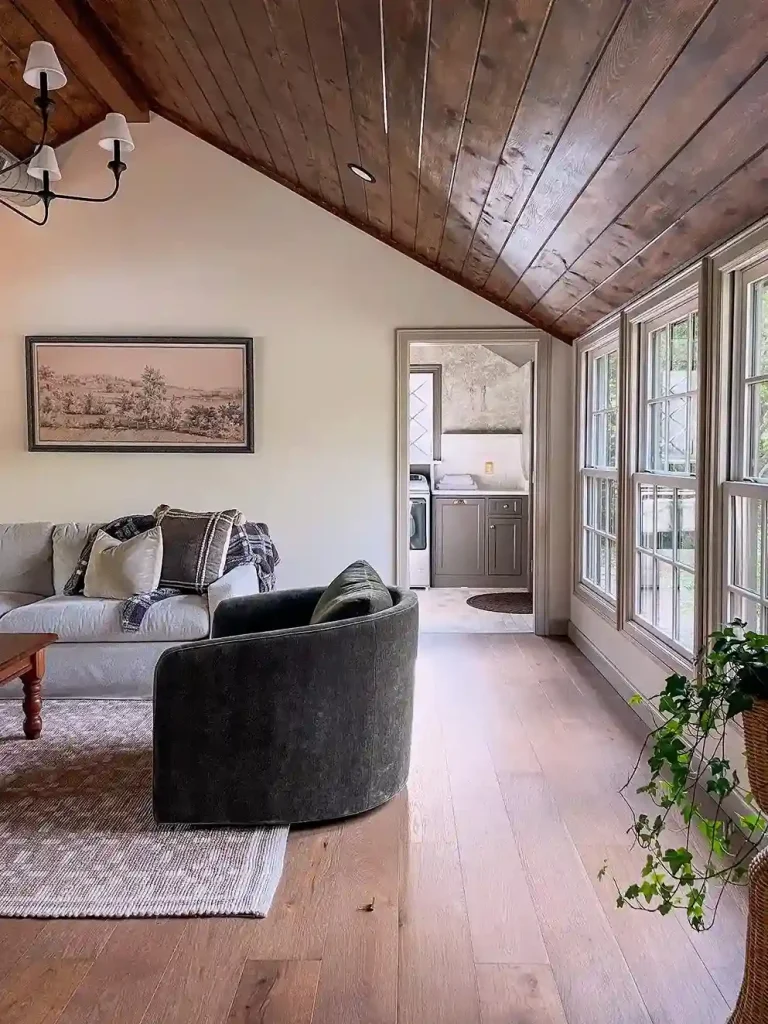
The orientation of planks influences spatial perception: longitudinal planks extend the room, while width-wise ones widen it. Diagonal or herringbone layouts introduce dynamic patterns but require skillful installation. Whitewashed woods evoke light, breezy feelings, contrasted by rich stained finishes that create cozy enclaves.
For shopping ideas, check wood ceiling planks on Amazon.
Industrial Chic with Metal Ceilings
Pressed tin ceiling tiles deliver vintage charm or modern industrial flair to your living space. First widespread in historic commercial buildings, these decorative metal ceilings are enjoying a resurgence. Perfect for eclectic or loft-style homes, they add ornamental texture that’s both resilient and fireproof.
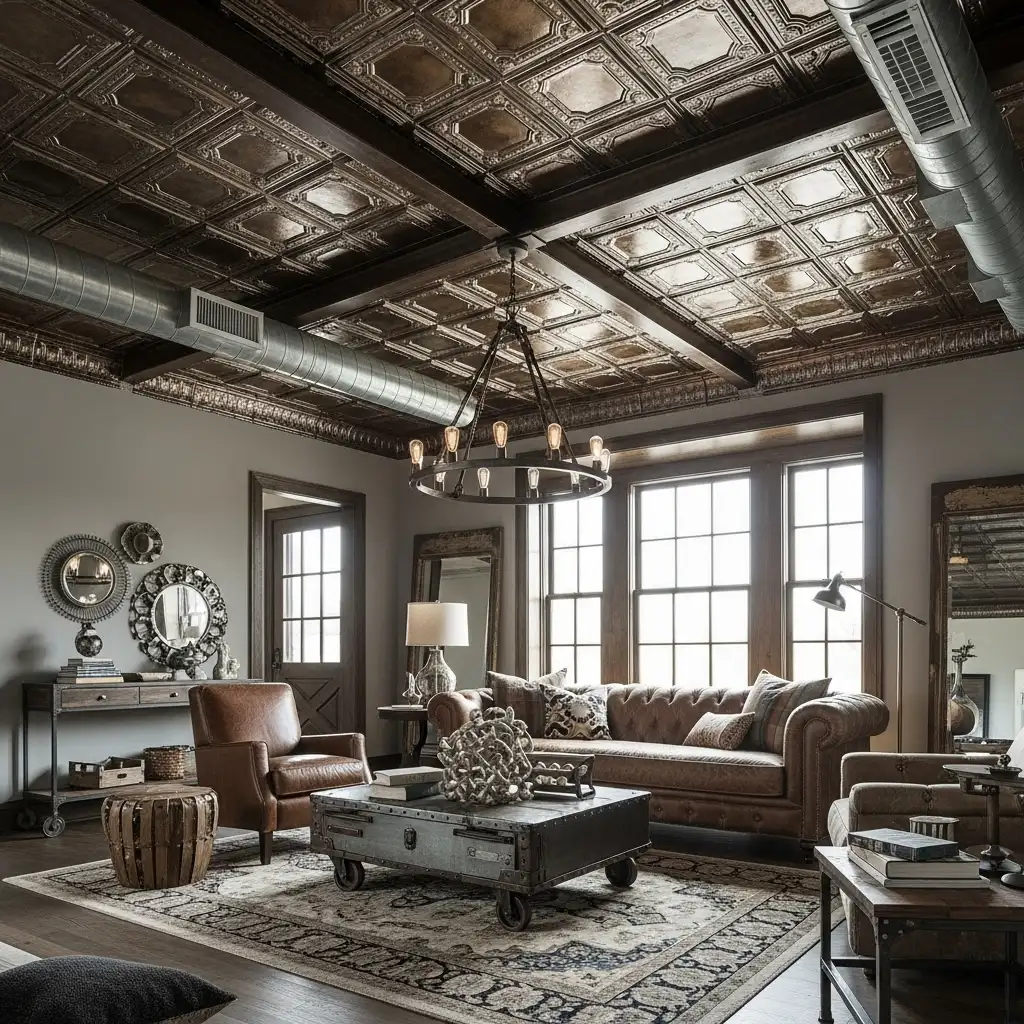
Metal finishes range widely—from raw steel and oxidized copper to vibrant painted options. Installation over existing ceilings can often be done without extensive remodeling, making it a feasible DIY upgrade.
Explore selection options at pressed metal ceiling tiles on Amazon.
Seamless Fusion of Lighting and Ceiling Design
Lighting and ceiling architecture go hand in hand. Recessed lighting offers unobtrusive, evenly distributed brightness ideal for contemporary spaces. Placement should coordinate with ceiling features—lights between beams or integrated into coffers deliver the best effect.
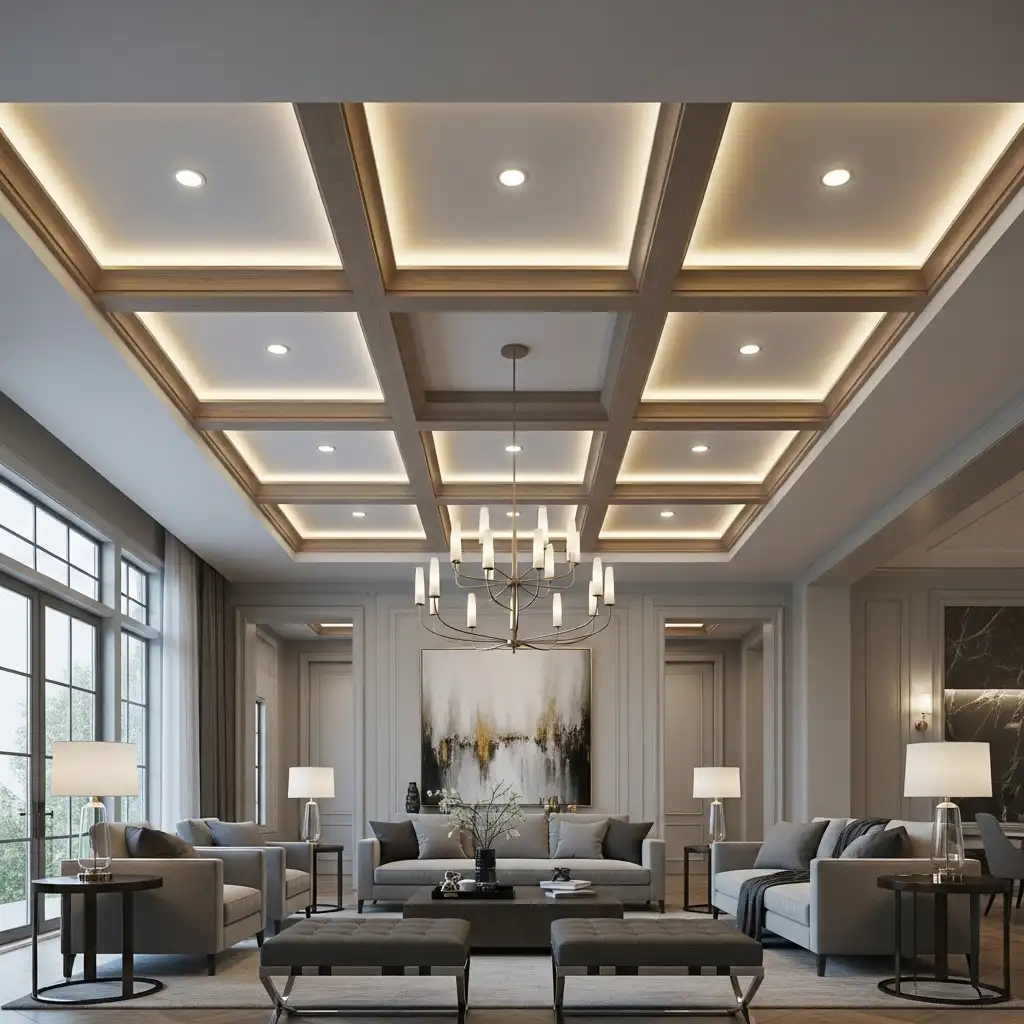
Iconic chandeliers or artistic pendant lamps also serve as ceiling focal points. In spaces with elaborate ceiling treatments, minimalist flush mounts may better preserve architectural emphasis.
Cove lighting, hidden along crown moldings or within tray ceiling recesses, creates warm, indirect illumination that highlights overhead details while fostering inviting atmospheres perfect for social gatherings.
Defining Functional Zones Through Ceiling Design
Open-plan homes can benefit enormously from ceiling variations that delineate different areas without physical barriers. For example, living room ceilings might feature rustic wood beams, while adjacent dining zones remain smooth and painted. Alternatively, keep consistent materials but shift plank directions or patterns at transitions.
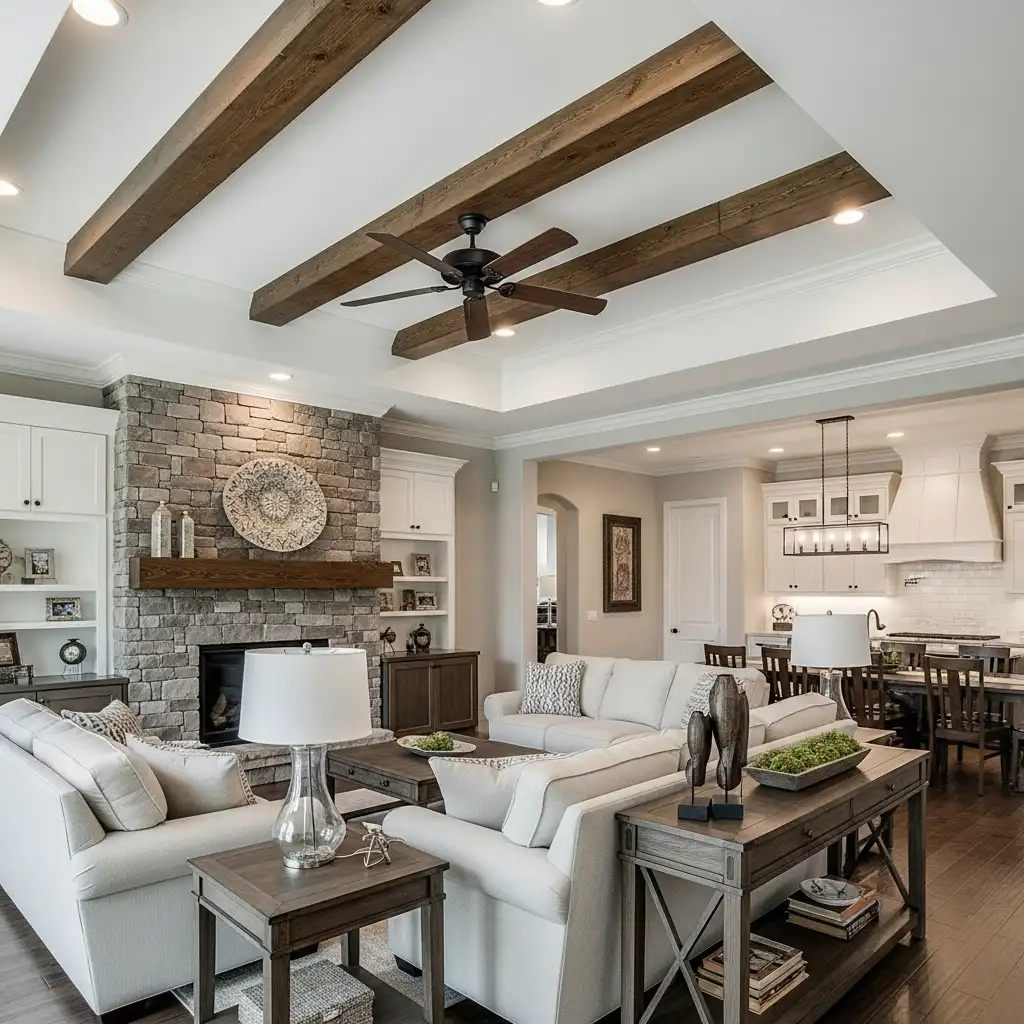
Varying ceiling heights such as dropped soffits or elevated central panels subtly mark boundaries, maintaining openness while organizing the spatial experience intuitively.
Realistic Factors to Keep in Mind
Your budget heavily guides ceiling design possibilities. While paint is an economical way to refresh your ceiling, complex coffered or beam installations involve higher costs and labor. Also, keep in mind that ceilings aren’t redecorated as often as walls, so opt for designs with lasting appeal.
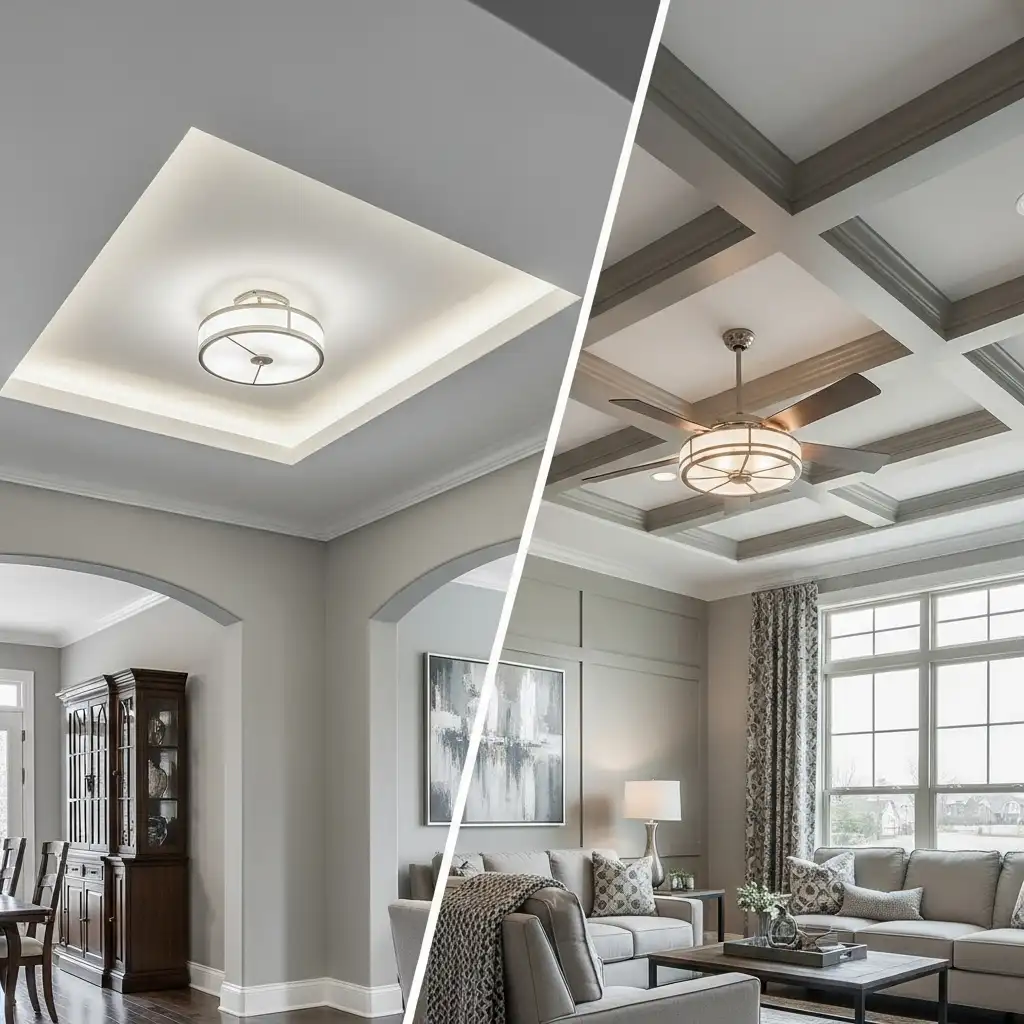
Existing ceiling conditions impact your approach. Repair or cover damaged or textured surfaces before applying decorative finishes. Materials like ceiling tiles or drywall can create a clean slate. If you have popcorn ceilings, removal or concealment should precede any new design treatment.
In Summary
The ceiling offers a crucial canvas for elevating your living room’s style and atmosphere. From bold pigments to structural beams to rustic wood and metallic textures, myriad options suit diverse aesthetics and budgets. Unlock this overlooked design asset to craft a living room that makes a striking impression not just on the walls, but all the way up.
Q: Which ceiling design techniques make a living room appear more spacious?
Using the same paint color on ceilings and walls helps create a continuous visual flow that enlarges the perceived size of the room. Light hues such as soft whites, gentle grays, and pale neutrals amplify light reflection and airiness. For smaller areas, avoid heavy design elements like dark beams or elaborate coffers, which can visually crowd the space. Opt for recessed lighting to maintain clear sightlines, and use vertical decor accents on walls to draw the eye upward, fostering a sense of height and openness. Simple, clean ceiling designs are most effective in compact living rooms.
Q: Are exposed ceiling beams still stylish in living rooms?
Absolutely. Exposed beams are timeless when integrated thoughtfully. The key is choosing a beam style that complements your interior design. For rustic or country decor, natural wooden beams work beautifully. Sleek painted beams suit contemporary spaces, while dark-stained beams enhance traditional schemes. Avoid overly distressed faux beams that can look artificial and outdated. Well-executed beam ceilings add distinctive architectural interest and elevate home value, transcending fleeting trends.
Q: What is the investment range for installing a coffered ceiling in a living room?
Costs vary widely depending on the project’s scale and whether you hire professional installers. DIY coffered ceilings using lightweight materials typically cost between $5 and $10 per square foot. Professionally installed basic coffered designs range from $15 to $30 per square foot, while intricate custom coffers with deep panels and ornate molding can exceed $30 to $50 per square foot. For an average-size living room, professional installation commonly falls between $4,500 and $9,000.
Q: Is it feasible to add ceiling beams in an 8-foot high room?
It is possible, but careful attention to beam scale and placement is essential. Select shallow beams, approximately 4–6 inches deep, instead of bulkier 8–12 inch profiles to preserve ceiling height. Rather than covering the entire ceiling, position beams strategically to frame areas like seating zones. Painting beams the same shade as the ceiling produces subtle texture without lowering perceived height. Alternatively, decorative painted or faux beams provide interest without adding depth. For ceilings below 8 feet, it’s often better to skip beams altogether, as they may encroach on functional space.
As an Amazon Associate I earn from qualifying purchases.