Chesterfield Sofa Velvet Couch Set for your apartment nook

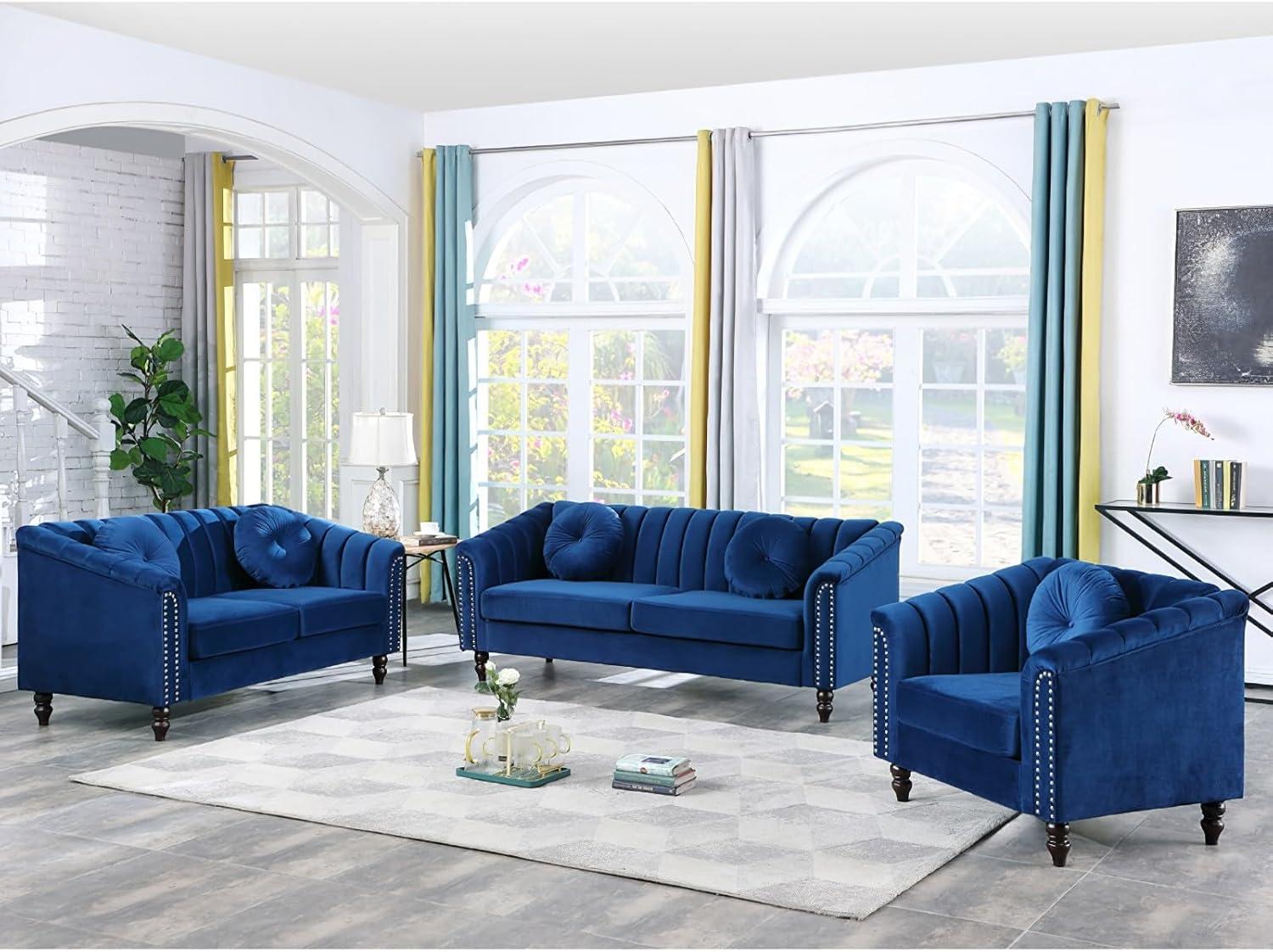
You notice it before you sit: the blue velvet of the Chesterfield Sofa Velvet Couch Set anchors the room wiht a low,considerable silhouette that feels deliberate rather than decorative. Slide a palm over the seat and the nap shifts under your fingers—cool, slightly velvety, with a fast spring-back that keeps the cushions from collapsing. In the light the nailhead piping and subtle tufting trace a formal outline, while the slim wooden feet lift the mass just enough to show the floor beneath. As a three‑piece grouping it reads as a single presence, shaping sightlines and the way you move around the living area.
A first look in your living room with the blue Chesterfield three piece set on arrival
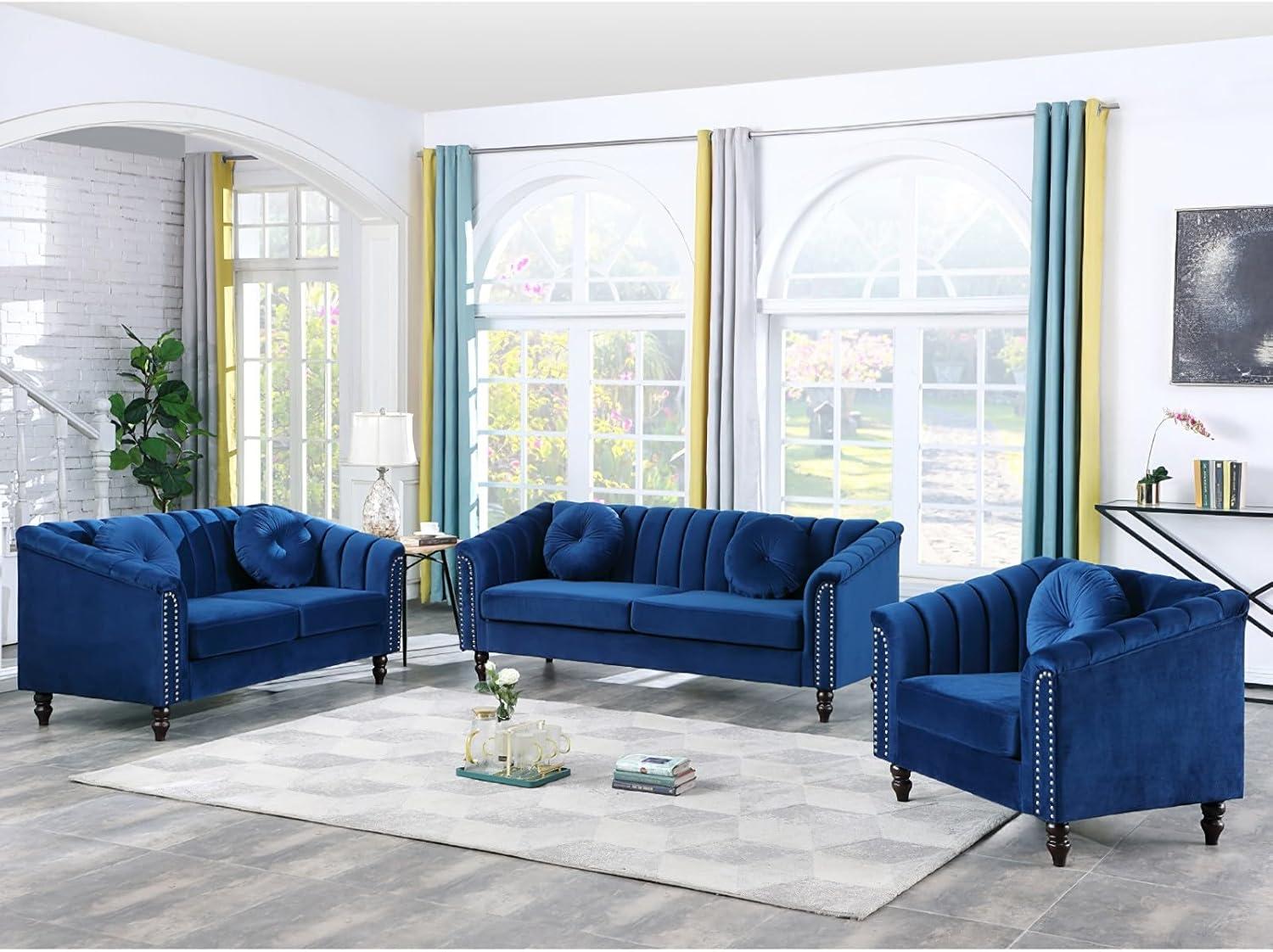
When the three pieces first land in your living room they immediately alter how light and movement read across the space. In daylight the blue velvet catches highlights along the rounded arms and in the buttoned tufting, then looks deeper where shadows settle between the cushions; under softer evening light the same surfaces appear more matte and the seams take on a different emphasis. The low wooden feet lift each piece just enough so the floor shows through, and the group reads as a compact cluster whether you push the loveseat closer to the window or angle the larger sofa toward the TV.
You’ll find yourself doing small, unconscious things right away — smoothing a cushion, nudging a throw pillow back into place, running a hand over the nap and watching the color shift. Seats give a little under your weight and the tufting relaxes where you sit, leaving faint creases that settle with a few minutes of use. fabric impressions and fingerprints are more visible when you brush the velvet, and the loose pillows tend to slump inward until you plump them up a couple times. These are the kinds of immediate behaviors that mark the first hours of living with the set, as surfaces and stuffing reshape to normal household patterns.
The velvet, button tufting and frame details that define its character
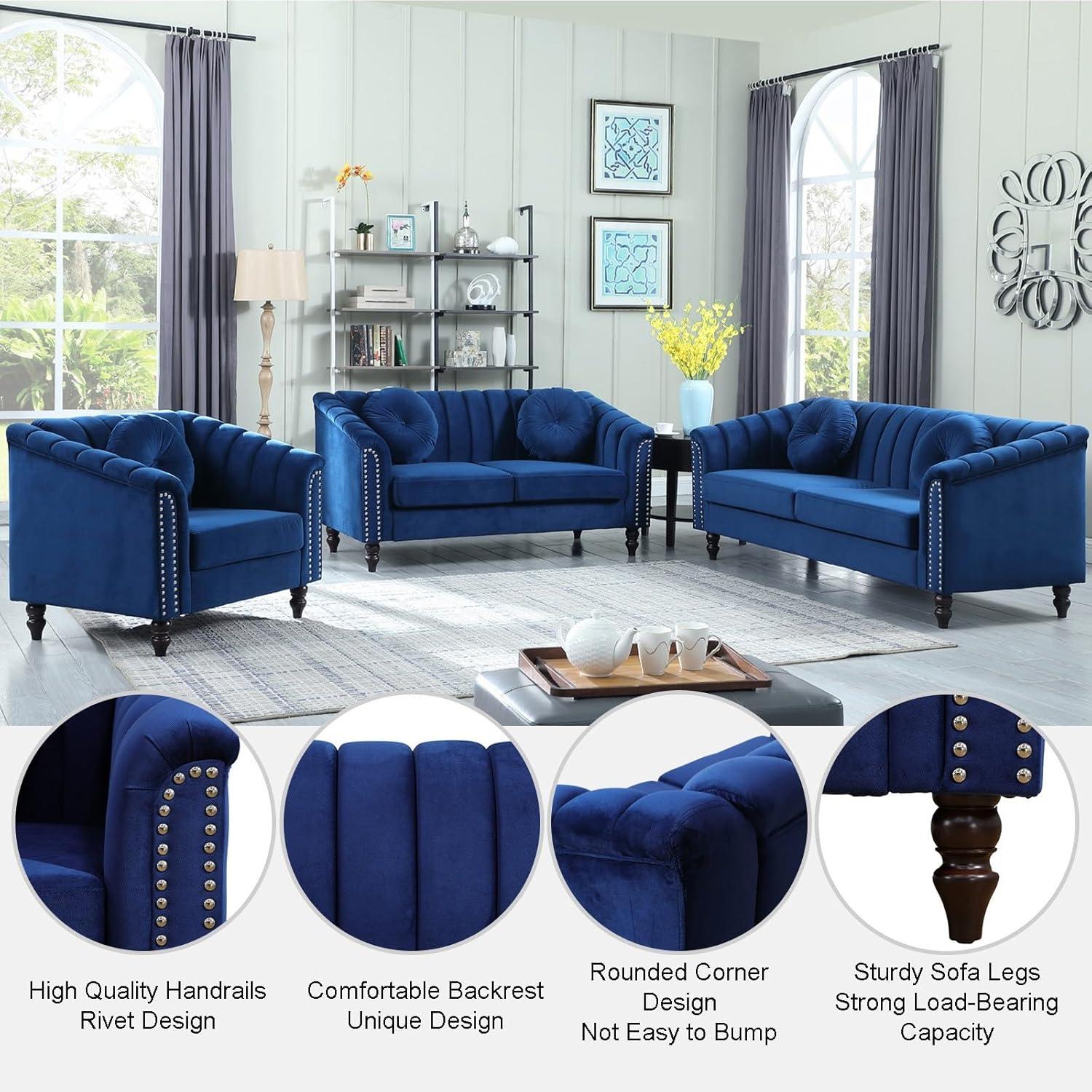
When you touch the upholstery, the velvet answers with a soft, directional nap that changes as you move. Light skims across the pile, so areas you’ve smoothed moments ago pick up a slightly different sheen than sections you haven’t disturbed. It’s common to find yourself running a hand along an arm or backrest to even out the nap; those small,unconscious swipes leave temporary marks until the fabric settles again. Over time and with repeated use the velvet tends to show the paths of frequent movement more readily than less-used surfaces.
The button tufting reads like a map of compression and rebound. Press into a cushion and the buttons sink into shallow hollows, causing the surrounding fabric to fold into tight pleats that hold position for a beat before the filling re-expands.As you shift from sitting upright to leaning back, the tufted pockets open and close, briefly catching crumbs or dust in their seams. You’ll notice the buttons themselves remain anchored while the fabric between them relaxes and tightens with each small adjustment.
The frame details are most apparent in moments of contact.When you set your elbow on an armrest you feel a firm line beneath the upholstery where the structure runs; smoothing the fabric reveals crisp seam work and the edge piping that keeps the silhouette defined. Legs and base stay visually prominent, grounding the piece as you perch or rise. Small habits — nudging a cushion,tucking a corner,straightening a seam — make the construction and trim read as much by touch as by sight.
| element | What you notice during use |
|---|---|
| Velvet | Directional sheen shifts with touch; fingerprints and nap paths appear where hands rest or cushions are smoothed |
| Button tufting | Buttons anchor hollows; pleats form and relax as you sit, briefly catching small debris in seams |
| Frame & trim | seams and piping define edges you can feel; the under-structure shows through when leaning or adjusting position |
What you notice when you sink into the seats and lean on the arms
When you settle in, the first thing you notice is the way the cushions catch you — a gentle give followed by a slow, supportive rebound. The velvet brushes against your legs as you lower yourself and small ripples run along the seat as the fill compresses and redistributes. Your thighs feel supported across a broad surface rather than perched on a narrow edge; the front lip yields slightly under weight, then pushes back as you shift. As you sink, seams and piping soften into the contour of your body and you instinctively smooth a wrinkle or two with your hand.
Leaning your arm on the upholstered sides changes the balance of the seat. The armrest compresses under forearm pressure, creating a shallow cradle that tends to hold your elbow in place while the shoulder and back adjust. The fabric nap offers a faint drag when you slide your arm along it, and small creases form where your sleeve contacts the seam. If you push harder, the cushion below the arm dips a little and the whole seat settles deeper; when you rise again you can feel the foam spring back, usually with a brief hesitation before things flatten out.
| moment | What you feel |
|---|---|
| Initial sink | Velvet slide, slow give, wide thigh support, subtle rebound |
| Arm lean | shallow cradle on armrest, fabric nap friction, minor seat settlement |
How the three pieces occupy your floor plan and the measurements you’ll want to check
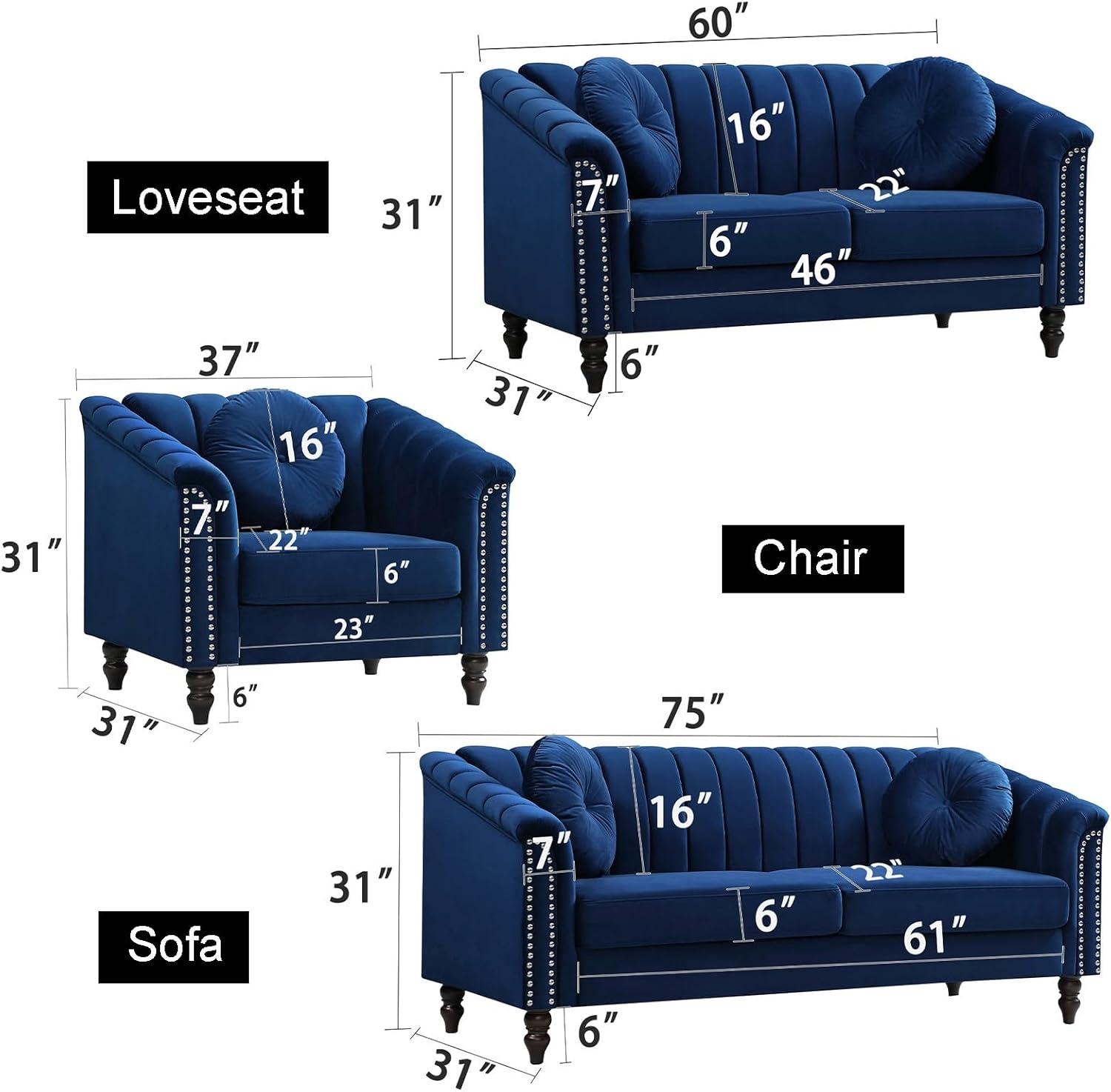
When set up in a living room, the three pieces most often form a compact cluster rather than sprawling footprints: each seat shares the same front-to-back dimension, so the depth the group claims from wall to aisle is noticeably consistent. Because the depth is constant at about 31 inches, the visible profile from the side stays predictable even as cushions are shifted or pillows are smoothed; those small adjustments can make the edge of the seat feel a few inches closer or farther from other furniture. Arms, seam lines and the occasional tuck of a cushion will change the perceived width of an individual piece in everyday use, so the lateral space each piece occupies can look slightly different across moments.
boxes arrive split for easier handling, and that packing size tends to influence how people move the pieces into tight layouts—narrow doorways and short hallways often dictate whether a piece is nudged into position along a wall or brought in and rotated into a conversational grouping. once assembled,the set usually sits with a modest clearance beneath the base; that clearance and the pre-installed feet subtly affect how close the backs sit to the wall and how much room remains for a low table or foot traffic around the seating.
| Measurement to note | What to observe in the room |
|---|---|
| Door and hallway width | Split-box width is about 22.5 inches; a 25‑inch doorway generally allows easier entry without bending or disassembly. |
| Room depth from wall | Since each piece shares a depth of roughly 31 inches, note how that sits with a coffee table and circulation space; cushions and pillows can make the perceived depth vary slightly. |
| Lateral span of an arrangement | Combined width depends on which pieces are paired and how closely they’re set; arm profiles and how cushions are positioned will change the visible span by a few inches over time. |
| Walkway clearance | Paths between and behind pieces tend to narrow in tighter rooms; in many households these clearances hover in the mid-teens to low-twenties of inches when furniture is arranged for conversation. |
How this set matches your expectations and where constraints might show up in your home

In everyday use the set tends to behave like a ready-made seating group: the pieces slide into place with little fuss, cushions settle into familiar creases after the first week of sitting, and the backrests encourage a slightly reclined posture that people frequently enough adapt to without thinking. The velvet shows shifts in sheen where hands and laps make repeated contact, and pockets of flattened nap are smoothed out by the habitual action of patting or brushing the fabric. because the components arrive separately, maneuvering them into a room often requires less contortion than moving a single large sofa, and the pre-attached feet mean there is little fiddling before the pieces feel finished and usable.
Constraints tend to appear in how the set interacts with room routines and traffic. On hard floors, the furniture sometimes drifts a few inches during busy evenings and may prompt the unconscious habit of nudging or readjusting the feet; in narrow arrangements the configuration can limit clear pathways, so household movement patterns shift around the seating. High-contact spots—seat edges and armrests—show the most obvious nap change and occasional seam shifting as people settle,and the split-packaging produces several pieces of shipping material to fold away after setup. The tilt in the backrests alters how people position themselves during long sessions, which can change the way cushions compress over time rather than remain uniformly shaped.
| Home situation | Observed behavior |
|---|---|
| Narrow hallways or tight corners | Pieces typically pass through more easily than a single bulky sofa; some minor maneuvering is still required |
| High-traffic living rooms | Seats show faster nap changes and require frequent smoothing; furniture can shift slightly on smooth floors |
| Compact layouts | Arrangement can redirect foot traffic and limit placement of additional small tables |
View full specifications and available color and size options
The delivery,assembly and everyday care details you encounter up close
what arrives at your door
When the delivery shows up,you’ll first notice the split-packaging approach: several long,rectangular boxes rather than one oversized crate. The smallest carton is narrow enough to be angled through tighter doorways, and the outer cardboard tends to bear the usual handling scuffs and tape lines. Inside, pieces are mostly snug in foam and plastic; cushions and accent pillows are wrapped separately, so you’ll pull out soft shapes before the larger frame sections. In tighter stairwells you’ll find yourself shifting boxes one at a time, and occasional creases in the fabric surface are visible until the upholstery relaxes with use.
| on arrival | Typical observation |
|---|---|
| Number of boxes | Multiple cartons, including at least one narrow box around the low‑20‑inch mark |
| Packing protection | Foam corners, plastic sheeting, small hardware packet |
| Immediate handling | Pieces lift individually; larger sections may need a second pair of hands in tight spaces |
Putting it together
As you start assembly, the process reads like a few physical detours: sliding frame parts together, aligning metal brackets, and seating cushions into place. Fasteners come grouped in a single bag and the feet are easy to locate—some arrive already attached, others require a quick twist or two. The sections mate with a little give; you’ll nudge them until brackets click or sit flush, then walk around to straighten seams. Cushions compress and settle as soon as you sit; you’ll notice slight shifts in tufting and button placement that ask for a few casual tugs and smoothing by hand. Most people find the sequence unfolds in short bursts rather than one long continuous task.
Everyday handling and upkeep you’ll see
In daily use the surface of the fabric shows motion: your handprints or a brief sit change the pile direction and produce subtle light‑and‑dark patches that vanish when brushed with your palm. Loose debris and pet hair cling more in some spots than others and tend to collect where cushions meet; quick passes with an upholstery attachment remove the bulk, while a soft brushing along the nap evens the sheen.Cushions regain shape after standing, though you may periodically shift or plump them to keep edges aligned. When spills or dampness occur, the quick visual change is noticeable—the pile flattens and then softens as it dries and is smoothed back into place.
You’ll develop small habits without thinking: nudging seams back into line after someone slides across a cushion, smoothing the nap before guests arrive, or tucking pillow corners back into place.Over weeks the fabric’s surface and the cushions’ rebound produce a lived‑in look that moves with your routine rather than staying static.
How the Set settles into the Room
Living with the piece,you notice over time how the blue velvet softens and the cushions take on the gentle give of everyday use as the room is used. The Chesterfield Sofa Velvet Couch Set,3 piece Living Room Sets Furniture,contemporary Home Couches Chairs Loveseats Sofas (blue,3PCS Set) becomes part of the flow in daily routines,nudging where you sit,where books pile,how paths through the room shift. Edges pick up faint scuffs, the seats develop a familiar sink, and small rituals — a throw draped here, a mug left there — quietly map themselves onto its surfaces. After months it simply stays.
As an Amazon Associate I earn from qualifying purchases.