 goodworksfurniture Decoration and home design ideas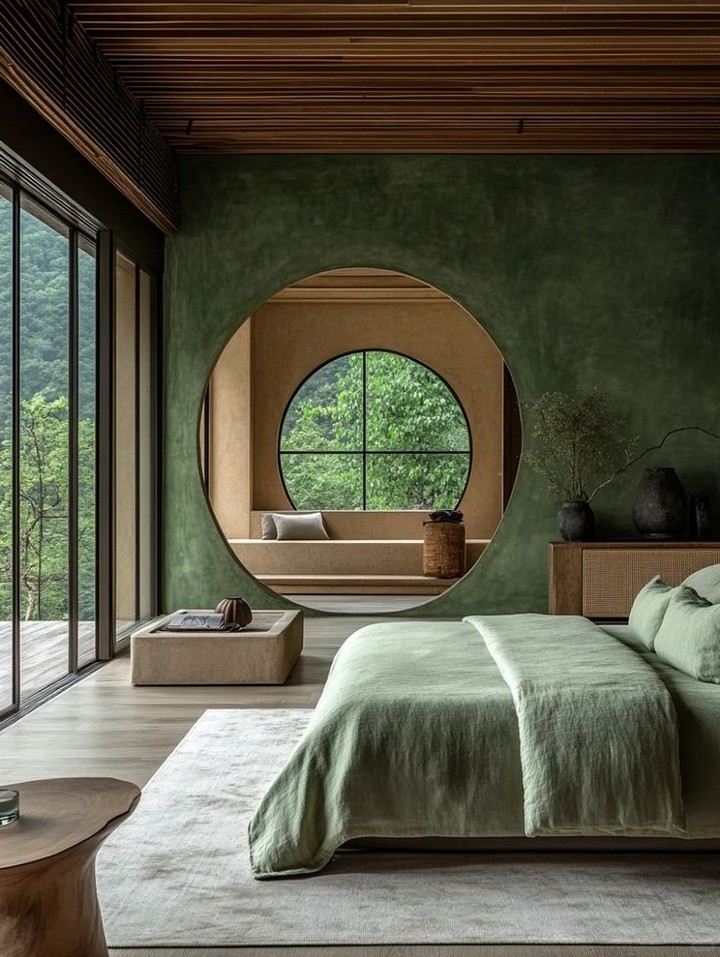
Chinese design has fascinated global audiences for centuries, celebrated for its exquisite blend of beauty, utility, and deep-rooted philosophical meaning. Among the many hues utilized in traditional Chinese interiors, green holds a special place, signifying growth, unity, and equilibrium, while inviting the vitality of nature indoors.
In the context of Chinese culture, green transcends mere aesthetic choice; it embodies concepts of rejuvenation, energy, and wealth, grounded in longstanding philosophical ideas and feng shui principles. Incorporating green elements inspired by Chinese tradition into your decor fosters environments that feel both rooted in history and refreshingly vibrant.
This in-depth exploration presents 34 sophisticated styles of green Chinese decor—from delicate highlights to commanding features—that can elevate your living spaces with Eastern elegance. Whether embarking on a full-scale renovation or subtly infusing cultural accents into your current home, these ideas will guide you in crafting serene atmospheres that celebrate Chinese design ethos while reflecting your unique taste.
Jade: The Emblematic Chinese Green
1. Carved Jade-Inspired Wall Features
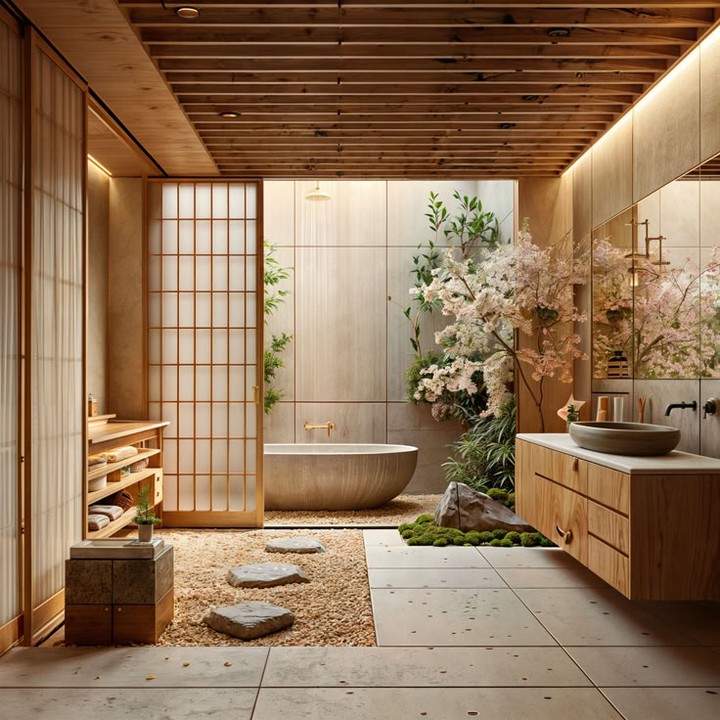
Jade holds a revered status in Chinese heritage, treasured for millennia as a symbol of purity and grace. Introducing wall panels with jade-like carvings or finishes—depicting iconic themes such as dragons, phoenixes, or auspicious cloud swirls—instantly anchors a room with cultural depth and visual intrigue.
While traditional designs showcase detailed relief work, contemporary styles might opt for jade-colored glass or lacquer surfaces to achieve a sleek, modern look. Proper lighting accentuates these panels, casting intricate shadows that add dimension and allure to any setting.
2. Celadon Porcelain Masterpieces
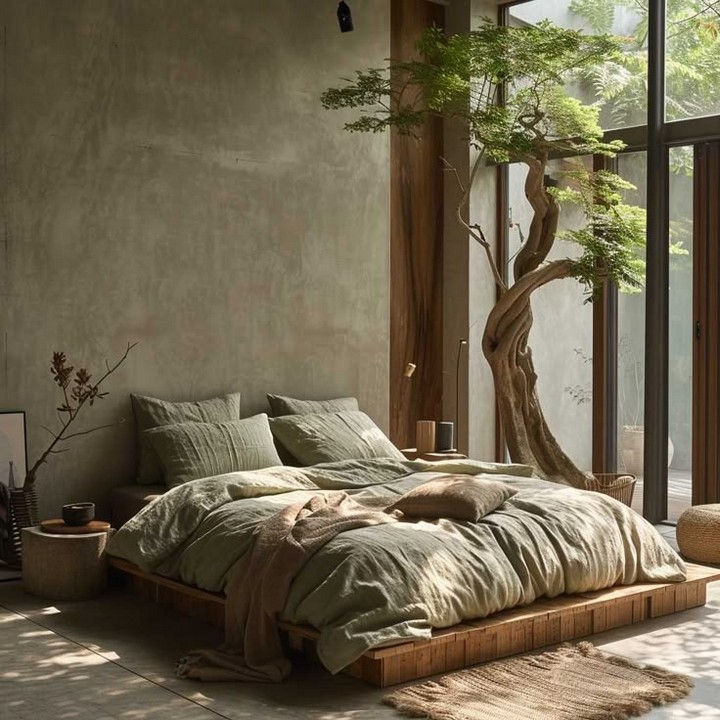
The soft glow of celadon-glazed ceramics holds a distinguished place in Chinese artistry. These jade-green porcelain pieces, with their subtly translucent glaze, imbue any shelf or tabletop with refined grace.
From traditional reproductions inspired by classic Song Dynasty wares to modern ceramic designs preserving these hues, arranging these items in auspicious sets enhances their appeal—echoing Chinese customs and elegant presentation.
3. Jade-Hued Furniture Embellishments
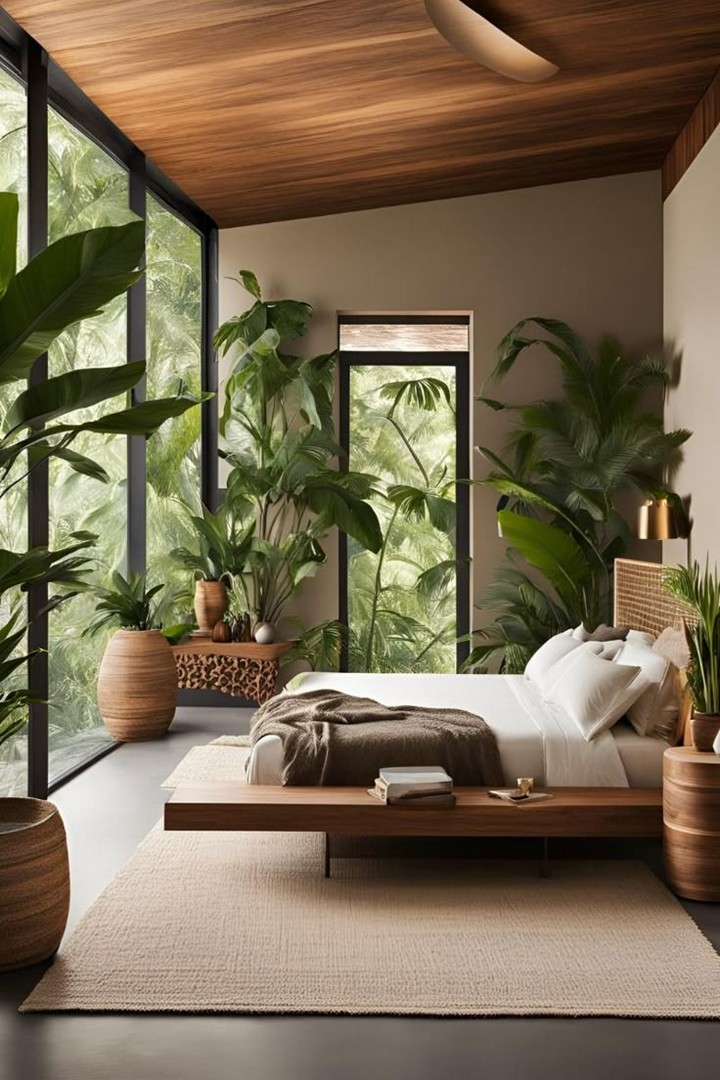
Incorporating jade-colored stones or inlays into wooden furniture delivers sumptuous accents that blend tradition with artistry. Imagine sideboards with jade medallions or drawer knobs adorned with jade elements.
The interplay of rich timber and cool green stones exemplifies the harmony prized in Chinese aesthetics, creating statement pieces that are perfect for entryways or formal zones where their craftsmanship commands attention.
4. Jade-Toned Folding Screens
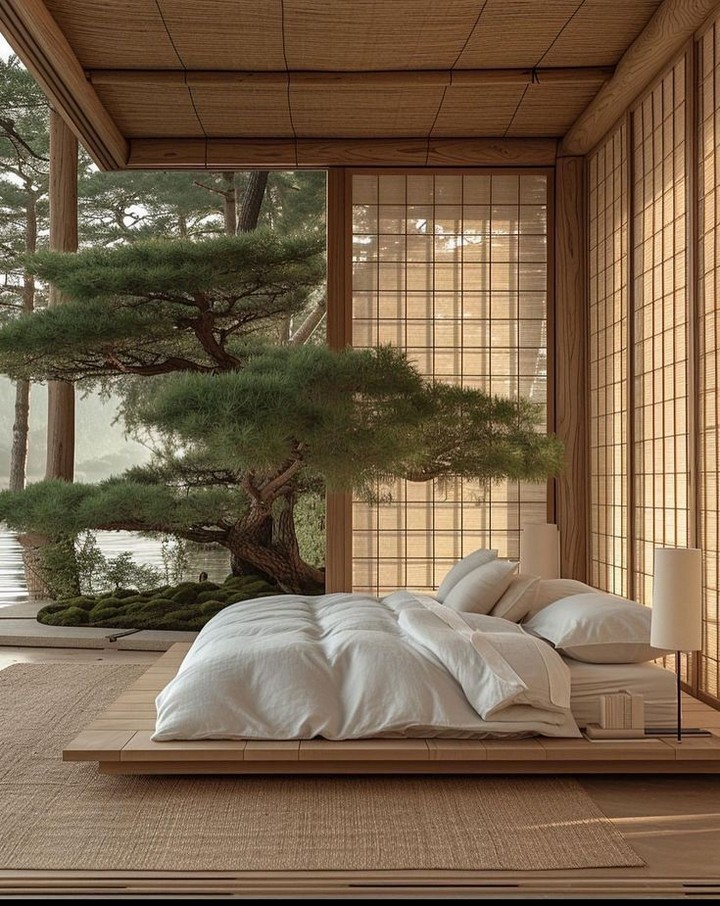
Elegant room dividers bear significant cultural symbolism in Chinese interiors, shaping energy and privacy within large spaces. Jade-green screens framed in delicately carved wood recall traditional designs, adding both architectural charm and a cultural narrative.
Modern twists feature panels of jade-tinted glass or fabric with gentle Chinese patterns, serving versatile roles like defining intimate corners, concealing storage, or enhancing roomzoning with subtle sophistication.
Emerald: Vibrant Characters of Chinese Style
5. Emerald Lacquered Artifacts
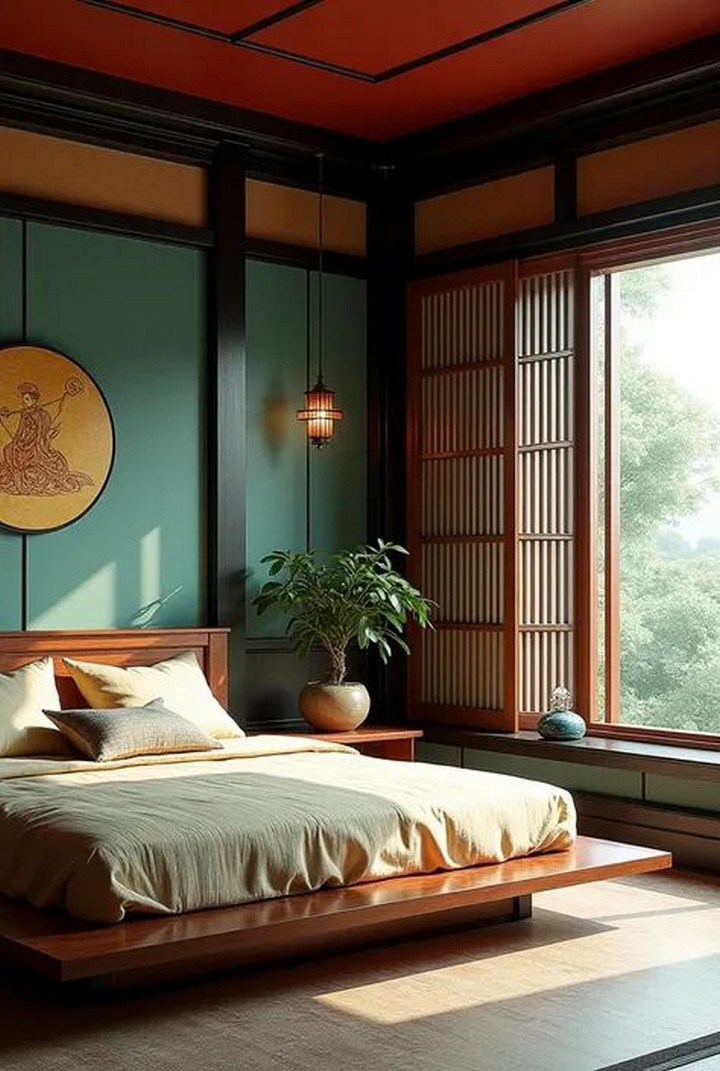
Lacquerware, a hallmark of Chinese craftsmanship, offers richly glossy finishes that mature beautifully with time. Emerald-toned lacquer embellishes furniture and decorative containers, infusing rooms with dynamic brilliance and historic artistry.
Traditional creations often combine gold leaf patterns against the emerald backdrop, while sleek, contemporary pieces highlight simplified forms, elegantly blending the old and new within your home.
6. Luxurious Emerald Silk Accents
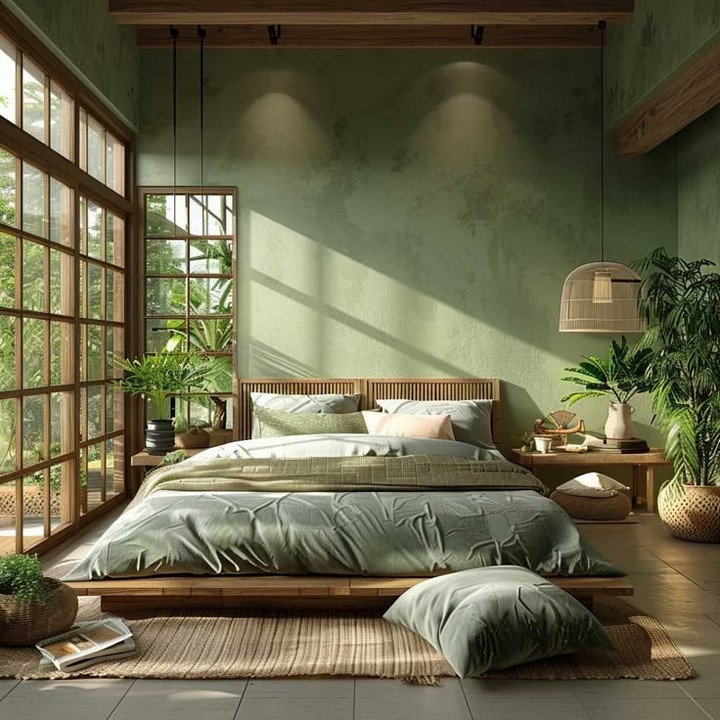
With its origins deeply entwined with Chinese history, silk continues to symbolize elegance. Emerald silk items such as embroidered cushions, elegant table runners with gold stitching, or framed silk artwork enrich interiors through their iridescent shimmer and cultural significance.
To maximize impact, pair these textiles with neutral surroundings, allowing their luminous qualities to become focal points without competition from other patterns.
7. Cloisonné Enamelworks in Emerald Tones
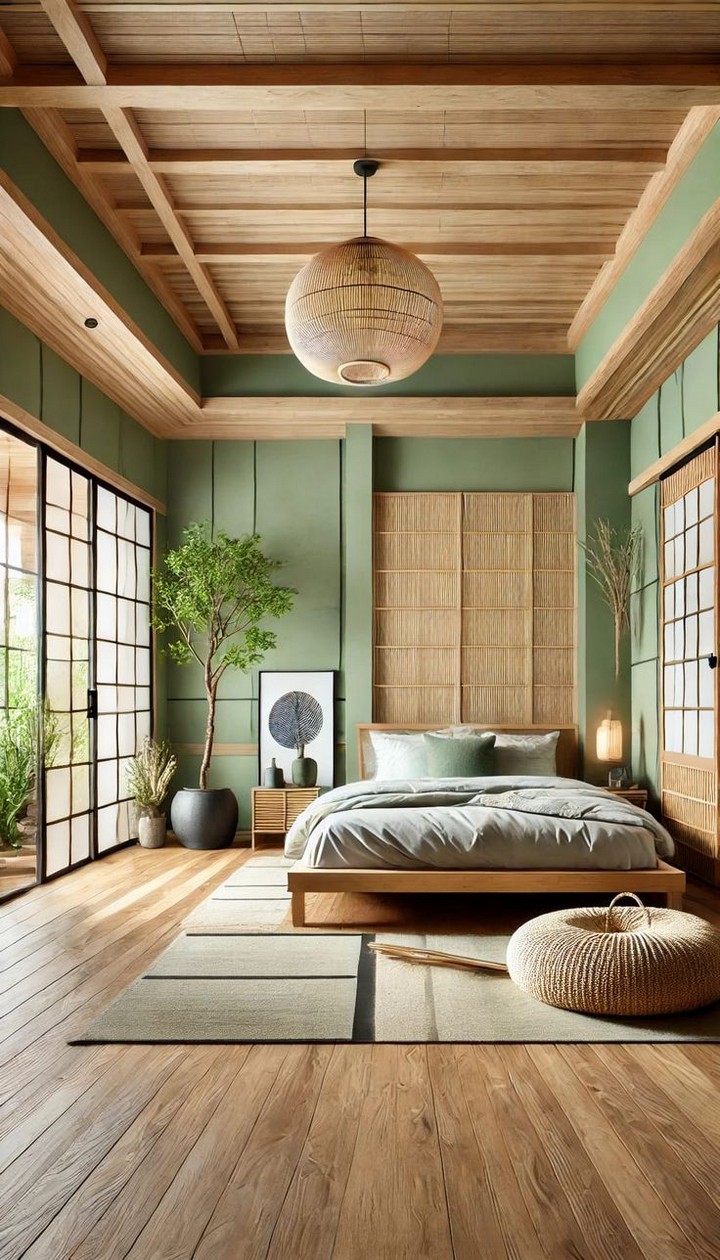
Cloisonné, characterized by intricate metal partitions filled with vibrant enamel, remains one of the most iconic Chinese decorative arts. Pieces featuring rich emerald hues—from vases to ornamental boxes—offer a blend of texture and vivid coloration.
Optimal placement allows natural or artificial light to highlight their three-dimensional enamel surfaces, enhancing the depth and luminosity of emerald shades within your space.
8. Emerald Dragon Iconography
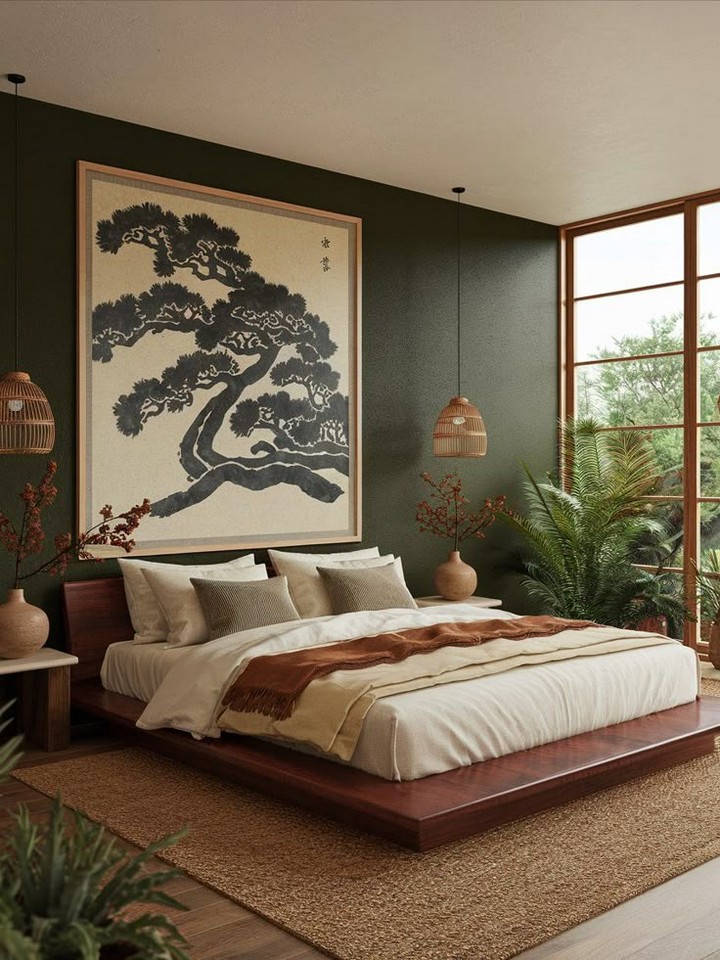
In Chinese lore, the dragon stands as a potent emblem of power and good fortune. Renderings in emerald green—carved, cast, or embroidered—imbue spaces with auspicious energy and striking artistry.
Classic depictions show dragons pursuing pearls amid clouds, while modern designs may abstract these forms for subtler interpretations. Thoughtful placement engages feng shui principles, activating vibrant energy flows.
Sage and Celadon: Subtle Grace in Design
9. Curated Celadon Pottery Mix
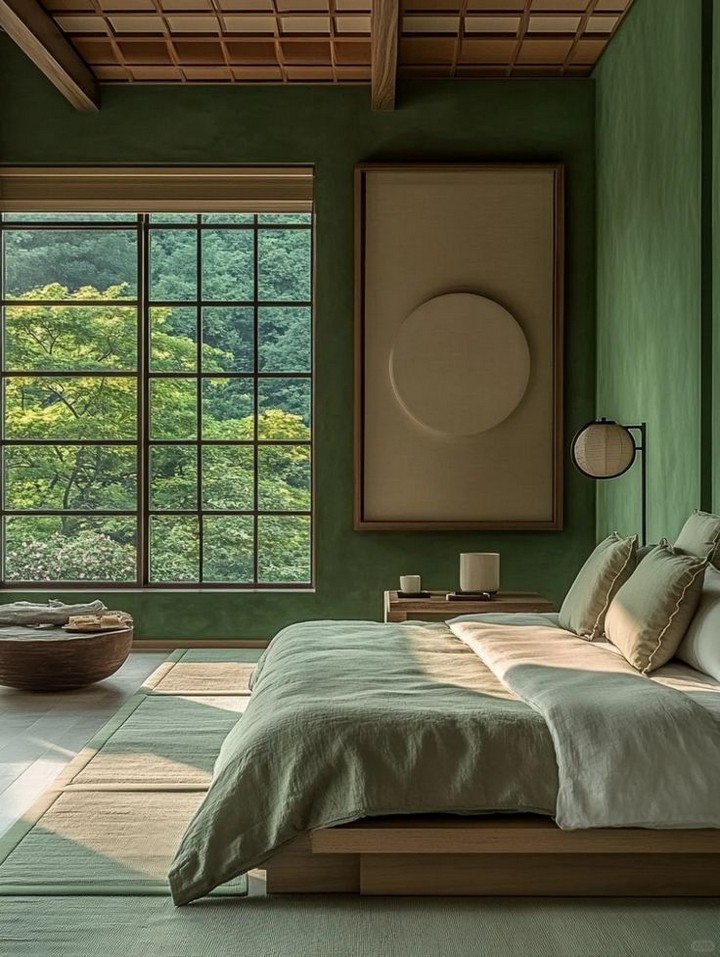
Beyond renowned jade items, celadon pottery spans a spectrum of green-glazed ceramics featuring delicate tonal shifts and finishes. Combining vintage finds with modern pieces curated in varying sizes and shapes creates layered displays with refined complexity.
Emphasize classical crackle glazing, synonymous with celadon tradition, to bring tactile interest. Arrange these ceramics asymmetrically to respect Chinese exhibition customs and stimulate dynamic viewing.
10. Sage Silk Wall Coverings
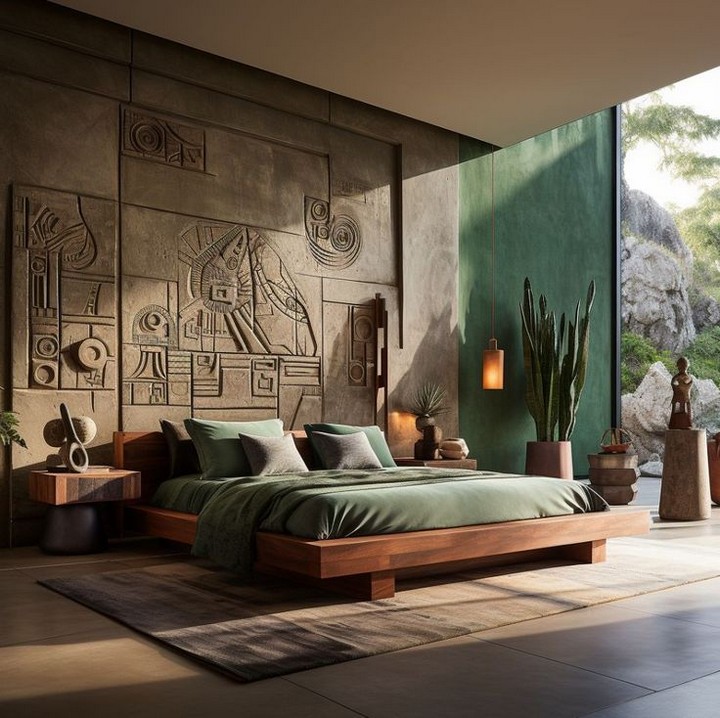
Luxuriant silk wall coverings in calming sage tones elevate room atmospheres through their light-reflective quality. Traditional panels often paint nature-inspired scenes of birds, blossoms, and mountains, while modern versions may feature subtle textures for understated luxury.
Ideal for bedrooms or formal dining areas, these coverings avoid high-traffic zones to preserve their delicate beauty and brilliance throughout the day.
11. Bamboo in Soothing Sage Hues
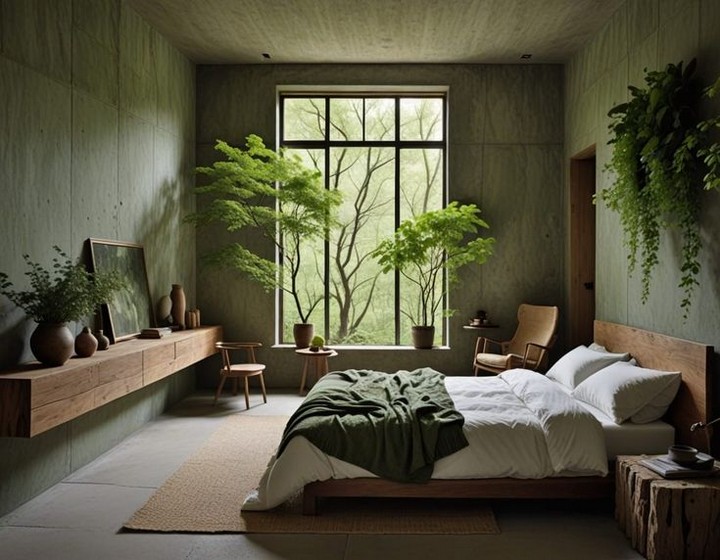
Bamboo, a cornerstone of Chinese design for centuries due to its resilience and sustainable growth, gains a fresh persona when embraced in sage tones. Use this hue in bamboo blinds, framed art, or statement furniture pieces to weave organic warmth into interiors.
These elements grant spaces natural textures and cultural authenticity, tethering your decor both to nature and tradition.
12. Combining Celadon with White Porcelain
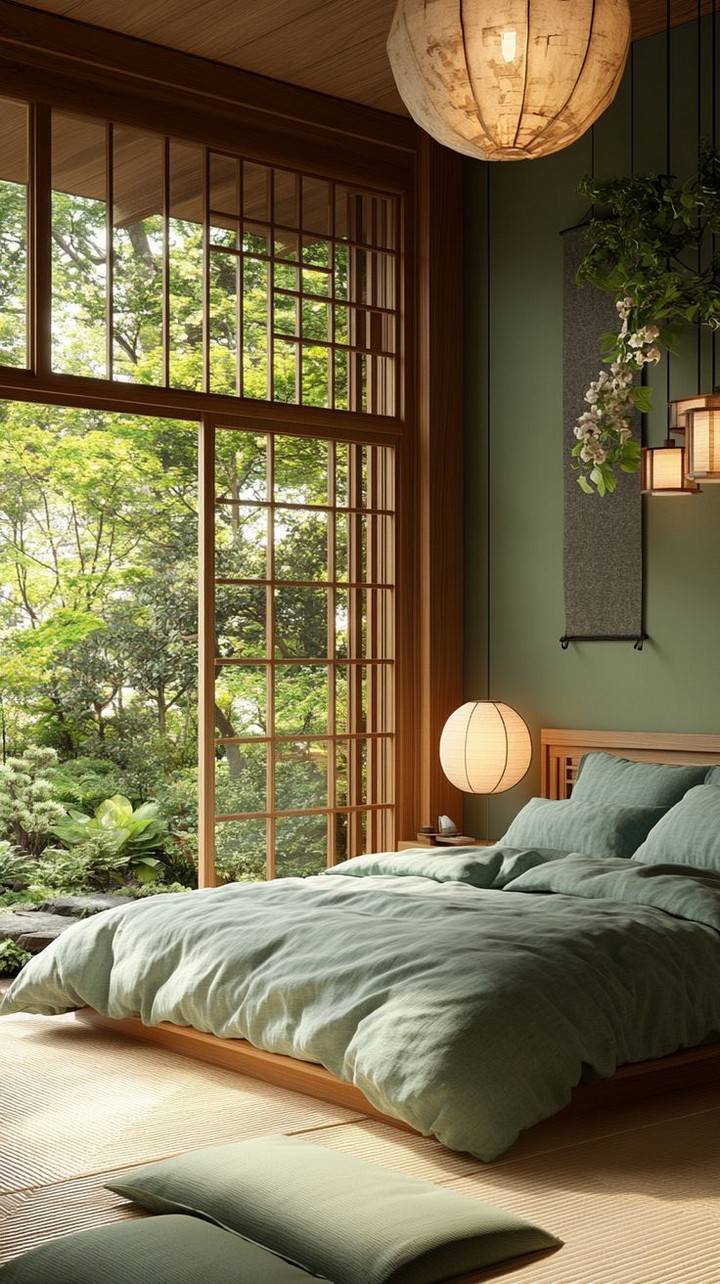
The visual interplay of luminous celadon greens alongside pristine white porcelain crafts timeless aesthetic duos. Curate arrangements blending white vessels adorned with celadon details or vice versa to create meaningful yet balanced displays.
Traditional motifs—especially floral or auspicious symbols rendered in raised celadon—offer rich texture. Honor Chinese tradition by grouping items asymmetrically to enhance visual rhythm.
Tea Green: A Natural Connection
13. Soft Tea-Dyed Fabrics
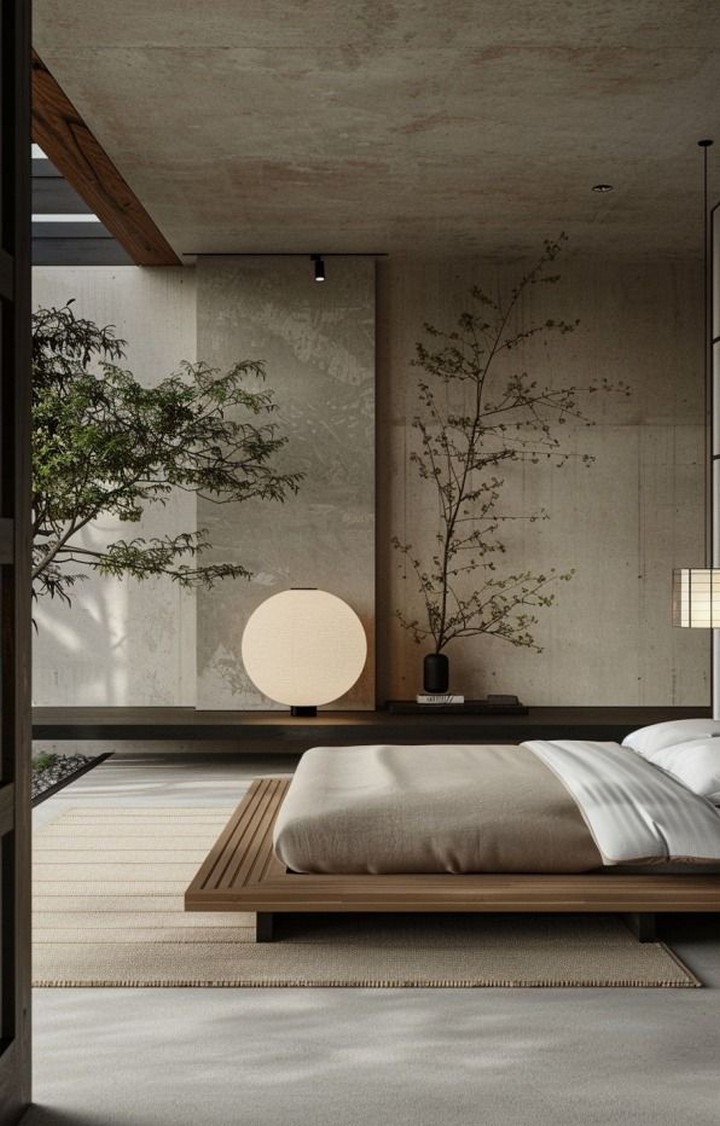
Tea dyeing imparts gentle green hues to textiles, echoing China’s time-honored tea heritage. Incorporate tea-dyed linens for curtains, bedding, or tablecloths to softly infuse your interiors with warm, earthy greens.
These handcrafted fabrics harmonize perfectly with wood furnishings and organic elements, their subtle variations enhancing sensory appeal without overwhelming adjoining decor.
Explore tea-dyed fabrics on Amazon
14. Dedicated Tea Ceremony Corners
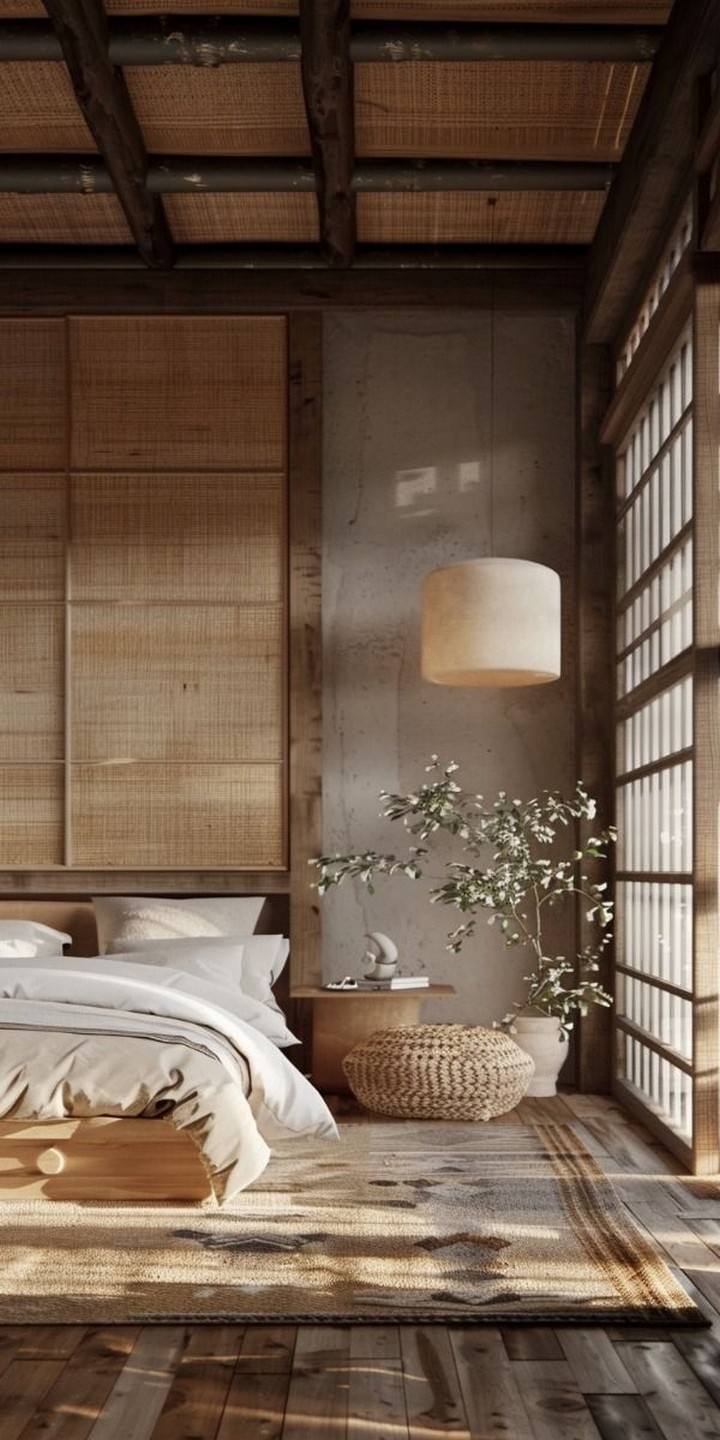
Establishing a serene space devoted to the Chinese tea ceremony combines utility with aesthetic poise. Use low tables paired with tea green cushions and select pottery tea sets to craft peaceful retreat zones honoring this cultural practice.
Situate near soft natural lighting to enhance the sensory experience. Maintain simplicity in decor, embracing the philosophy that the empty space holds equal significance to its contents.
15. Botanical Art Celebrating Tea
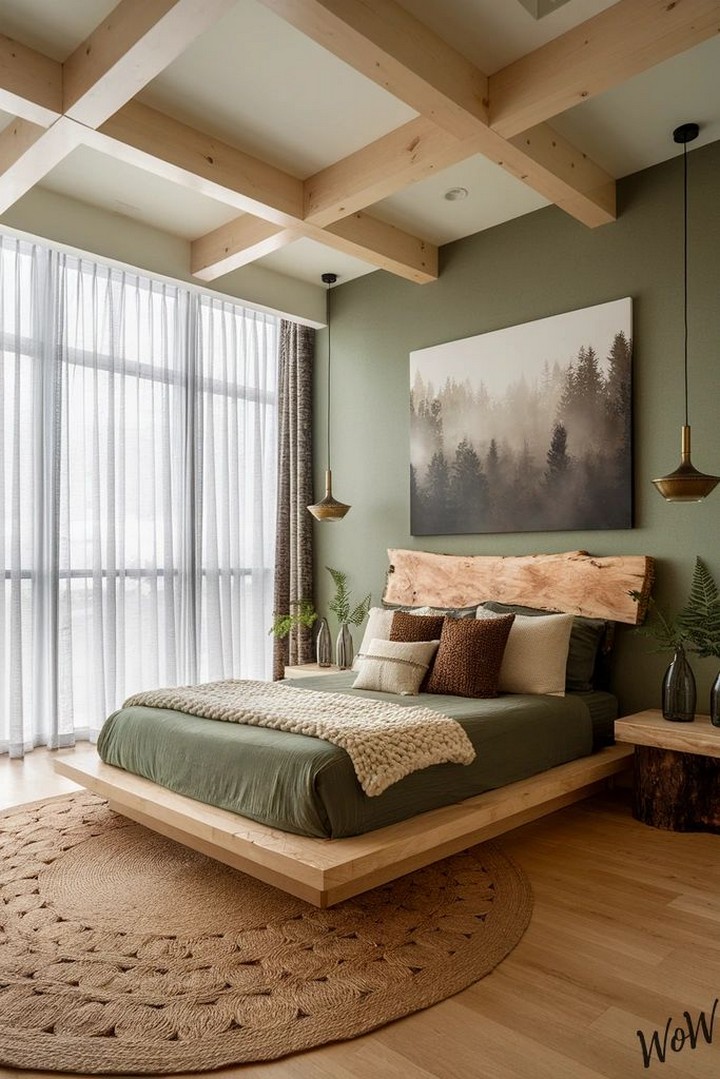
Illustrations portraying tea plants—whether antique drawings or modern artwork—highlight the botanical heritage tied to Chinese culture. Display these with minimal framing to focus attention on detailed renderings.
Complement the visual narratives with tea-related artifacts arranged on nearby shelves, weaving cohesive stories of tradition and nature.
16. Tea Green Meditation Nooks
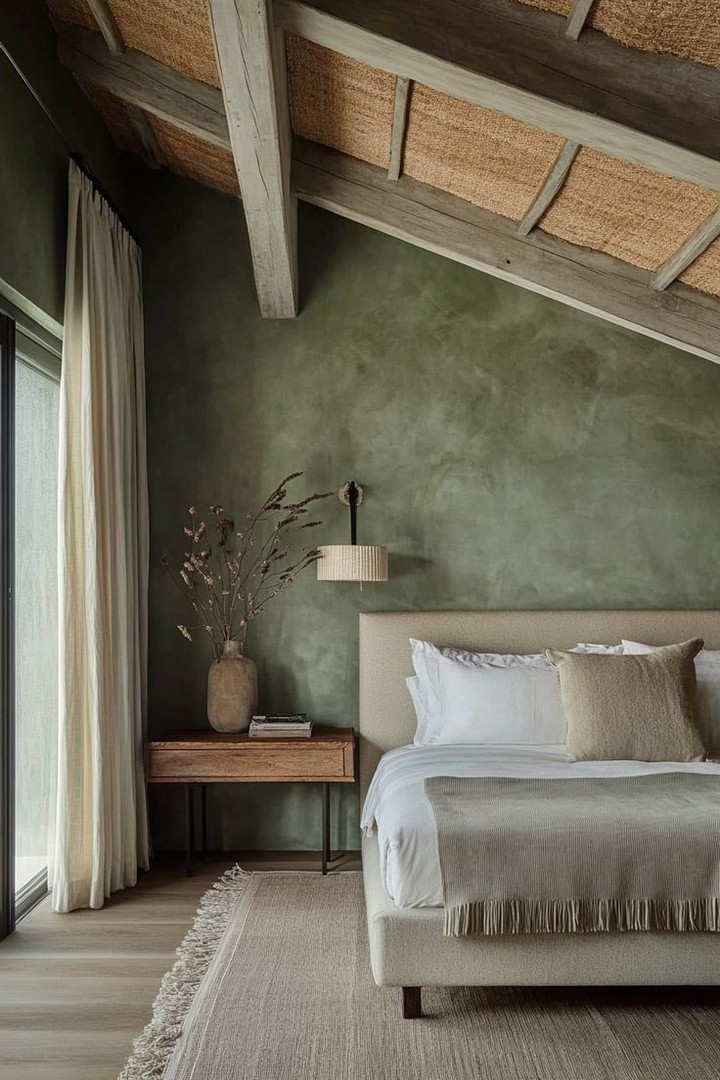
Meditative spaces are vital to Chinese interior tradition, promoting mindfulness and tranquility. A corner outfitted with tea green floor cushions, a simple low table, and minimalist objects—such as a polished stone or small potted plant—encapsulates this ethos.
By demarcating this calm area visually with green tones, you signal a retreat from daily bustle toward contemplation and restoration.
Forest and Pine Greens: Embracing the Outdoors
17. Scholar’s Garden Inspirations
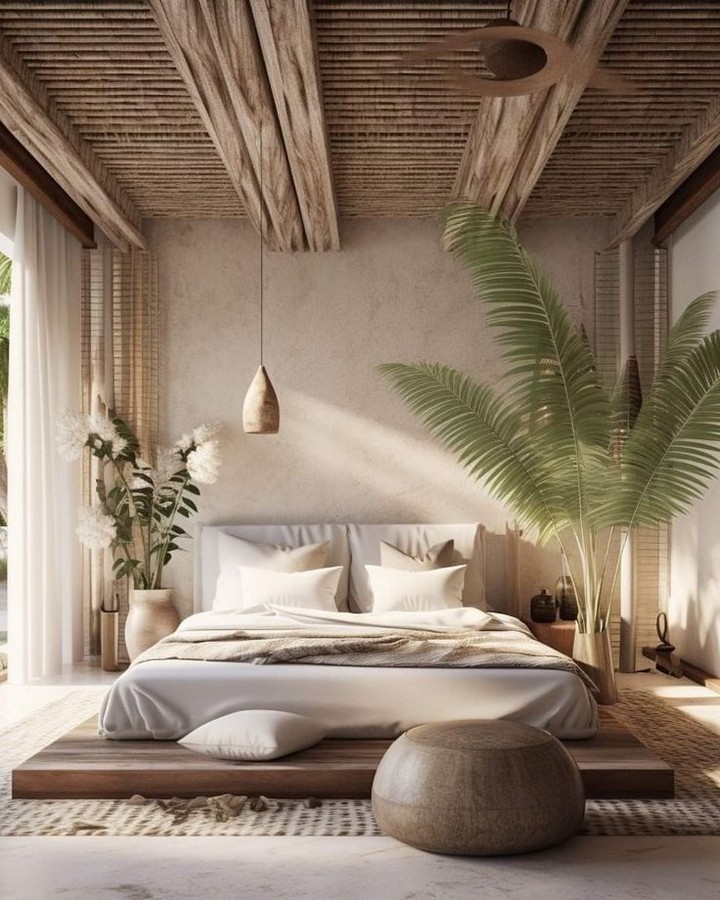
Drawing from the revered Chinese scholar’s garden tradition—a balanced interplay of architecture, plants, water, and stone—introduce forest green architectural accents such as moon gates, pavilion-inspired woodwork, or intricately carved panels.
Even small interiors can echo these philosophies with select screens, miniature indoor landscapes, or photographic art that captures the serenity of these historic spaces.
18. Pine Tree Symbolism in Art
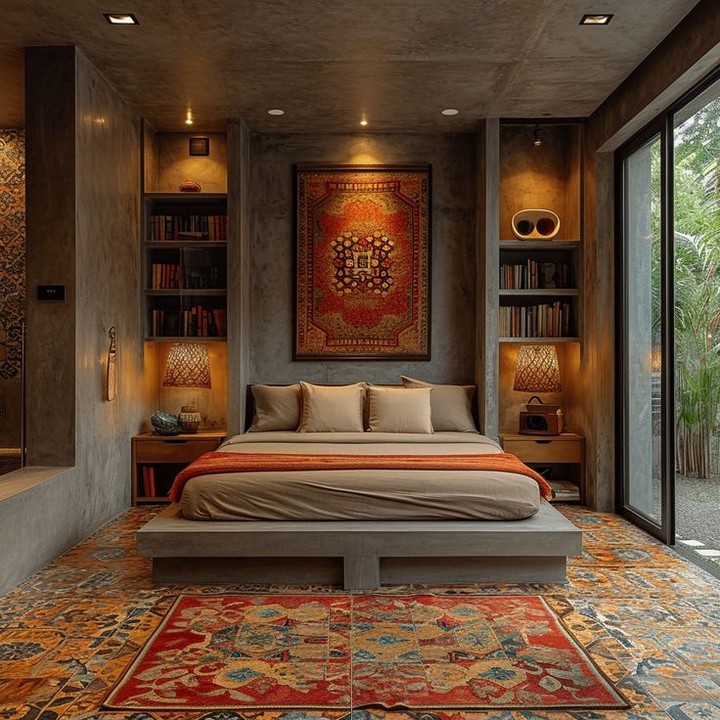
The enduring pine tree stands for longevity and resilience within Chinese iconography. Artwork reflecting pine themes—including brush paintings, woodblock prints, and contemporary pieces—combines auspicious symbolism with soothing forest greens.
Classic Chinese landscape paintings often display pine trees gripping rocky cliffs, anchoring philosophical messages of endurance into your decor.
19. Pine Wood Furniture with Classic Craftsmanship
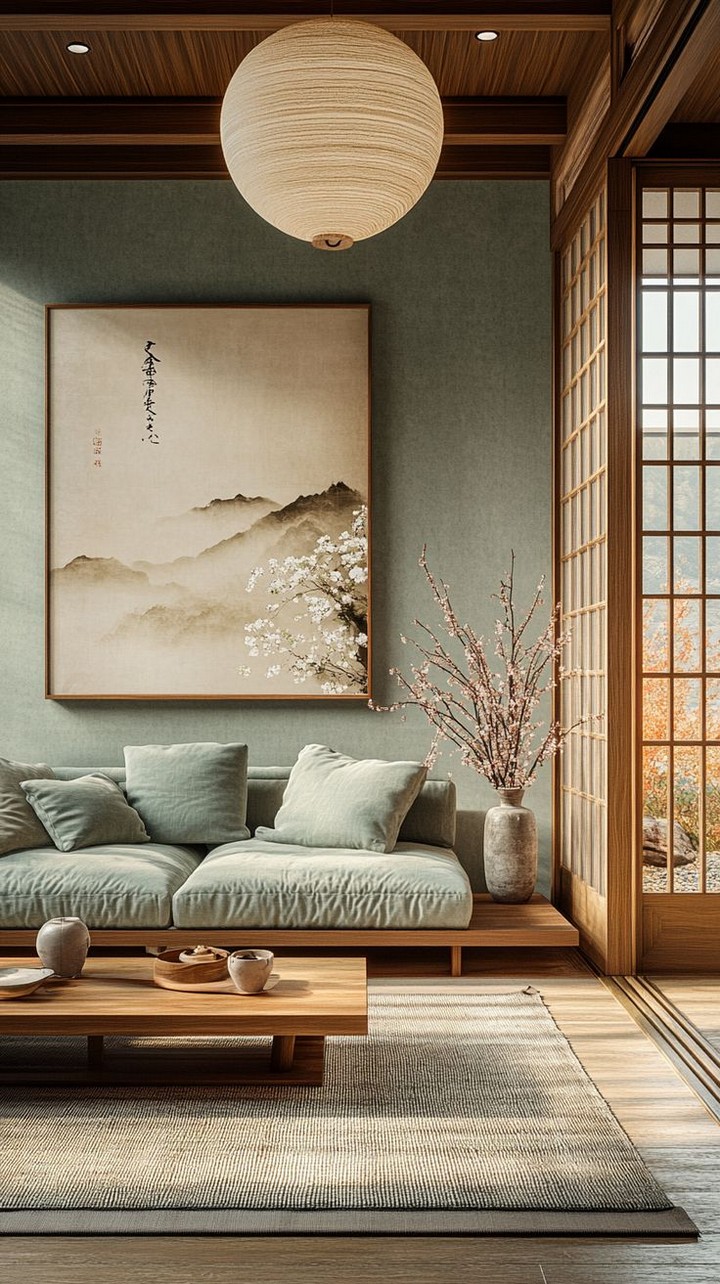
Furniture crafted from pine wood, highlighting its subtle green undertones and assembled through traditional joinery—avoiding nails or screws—exemplifies Chinese woodworking mastery. These pieces often carry carved cloud motifs or geometric latticework, providing both aesthetic and symbolic richness.
Place such substantial furnishings where they can be admired for their artistry and function, thus grounding your space with authentic heritage.
20. Incorporating Natural Stone with Green Tones
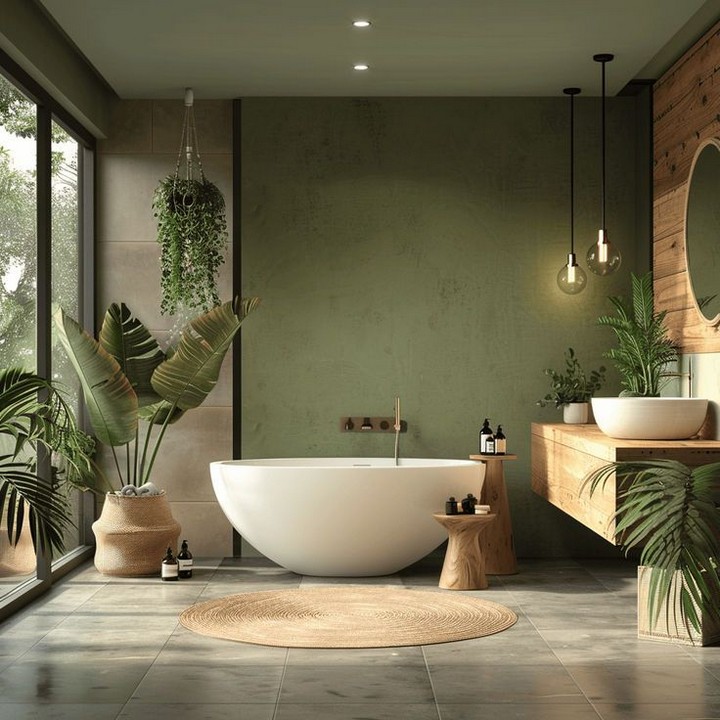
Traditional Chinese garden design elevates stones to sculptural art. Integrate green-hued stones—such as serpentine vessels, jade plants, or scholar’s rocks—to echo this legacy indoors.
Elevate these natural elements on wooden stands to emphasize their beauty and importance, creating tactile contrasts between polished and rugged surfaces that invite reflection.
Mint and Seafoam: Contemporary Refresh
21. Mint Green Chinoiserie Flourishes
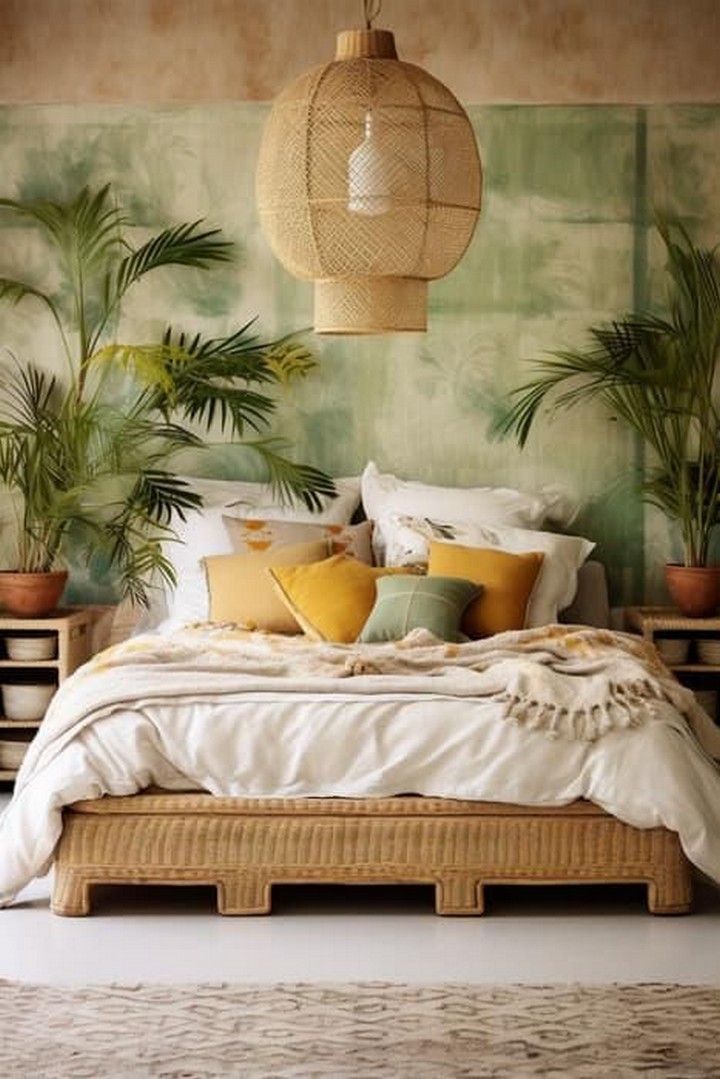
Chinoiserie, a Western reimagining of Chinese decorative style, infuses design with playful mint-green patterns. From wallpapers to fabrics and accessories, this approach offers a lighthearted cultural nod, featuring pagodas, exotic wildlife, and stylized landscapes with whimsical charm.
This style introduces fresh, feminine energy to spaces desiring soft cultural references without strict historical accuracy.
22. Seafoam-Infused Lacquered Furnishings
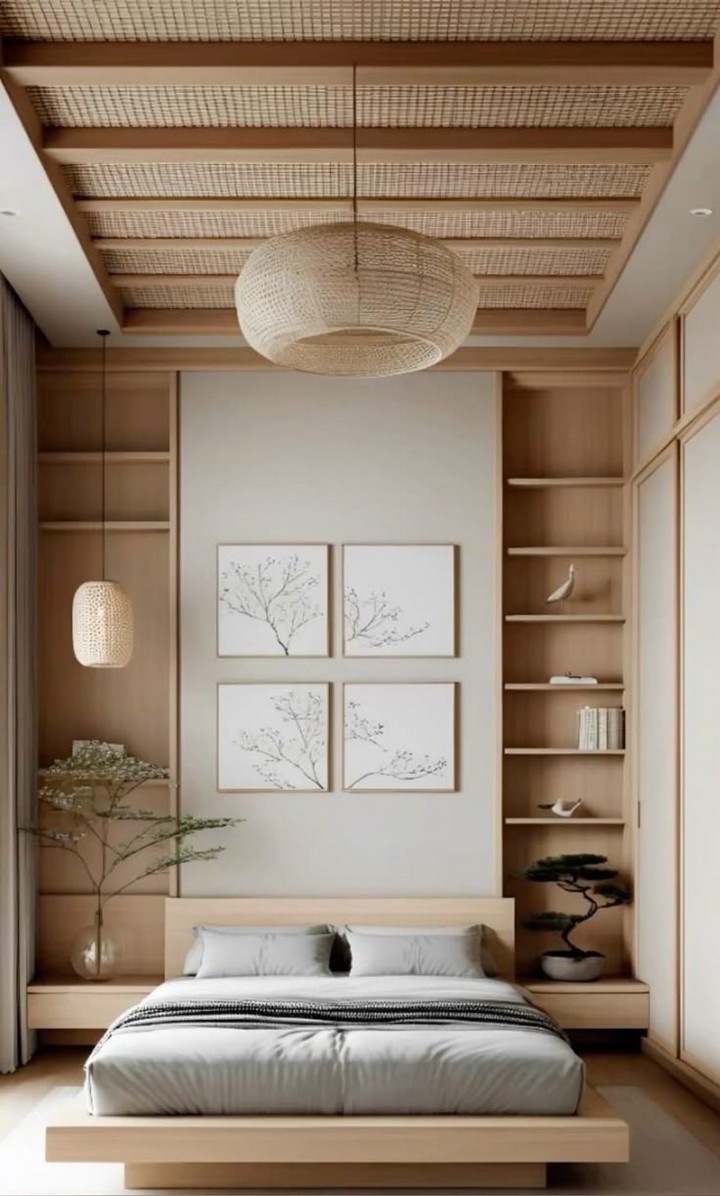
Reworking classic Chinese lacquer techniques within seafoam green finishes gives rise to furnishings that mix heritage with modern aesthetics. Whether side tables, trays, or decorative boxes, these pieces brighten interiors with their reflective surfaces and lively hues.
Ideal for transitional spaces, they harmonize traditional motifs with contemporary simplicity.
23. Mint and Gold Leaf Combinations
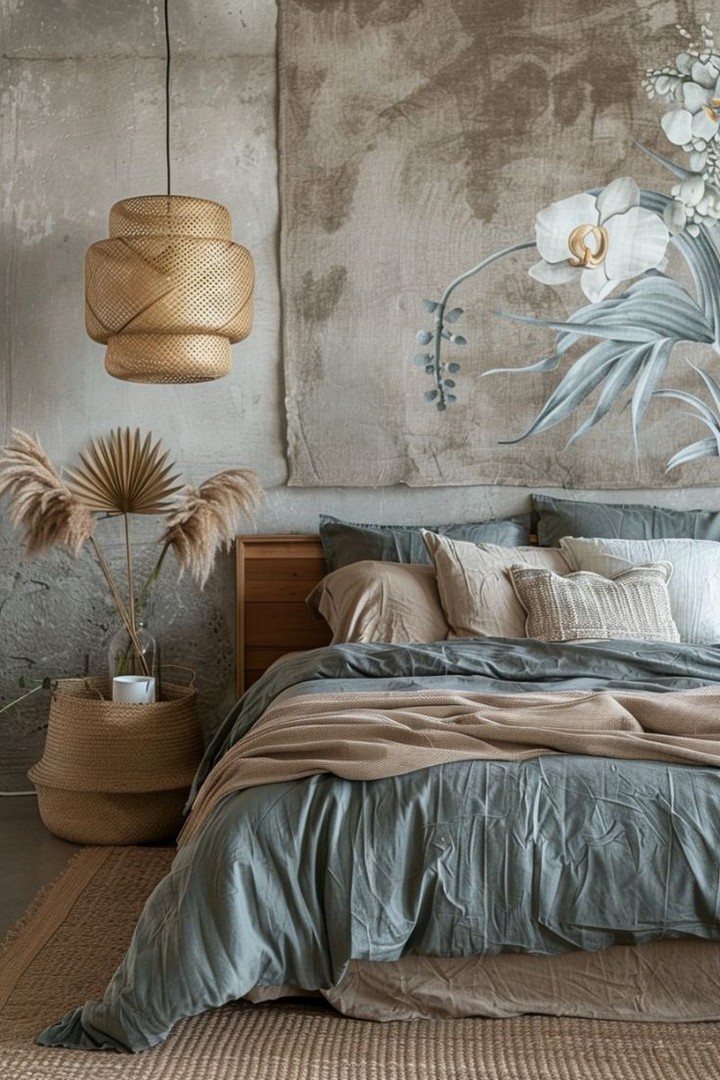
Mint green paired with gold leaf echoes imperial Chinese palettes, revitalized for contemporary interiors. Decorative accents like picture frames, small furniture, or ornamental objects utilize this duo to convey understated opulence.
Natural lighting enhances these hues, revealing nuanced shifts throughout the day for spaces that feel perpetually alive.
24. Contemporary Watercolor Artworks in Soft Greens
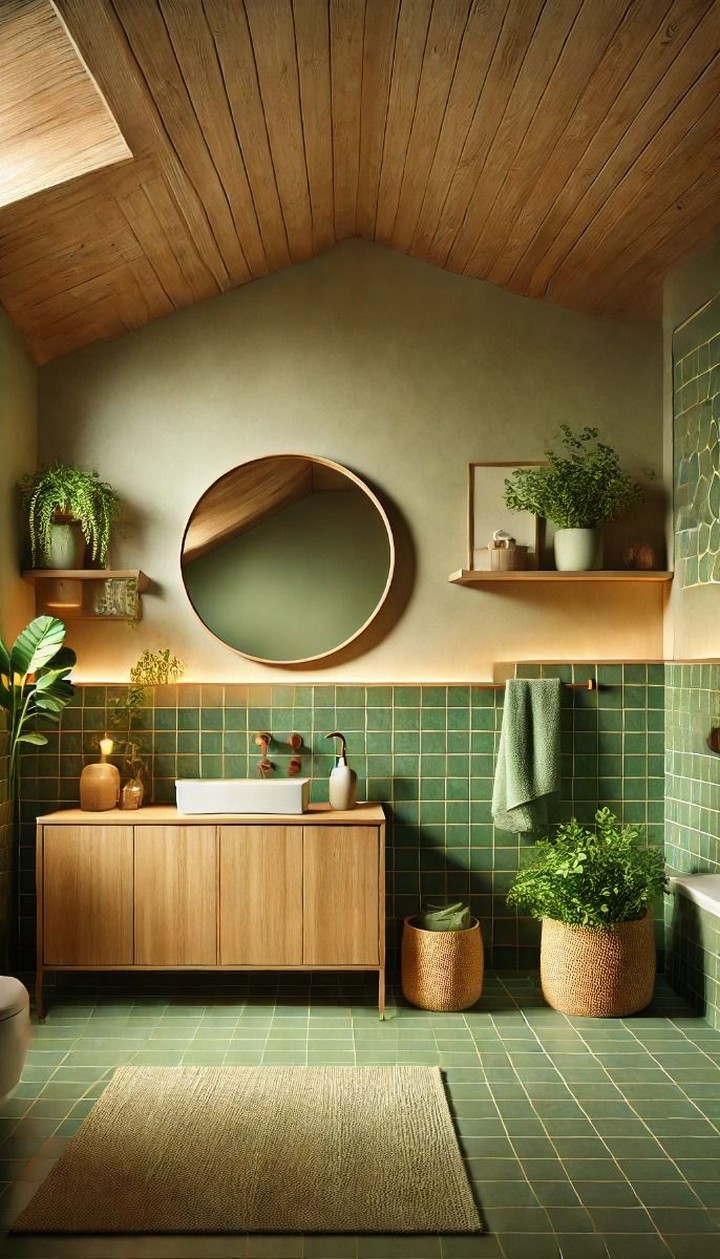
Modern artists employing classical Chinese brush techniques often explore mint and seafoam palettes, marrying spontaneity with current aesthetics. These artworks serve as connective tissues between traditional decorative features and modern furnishing styles.
Opt for minimalist framing to let these expressive pieces command presence and ample breathing room within your walls.
Olive and Moss: Deep Earth Tones for Sophistication
25. Olive Silk Embroidered Panels
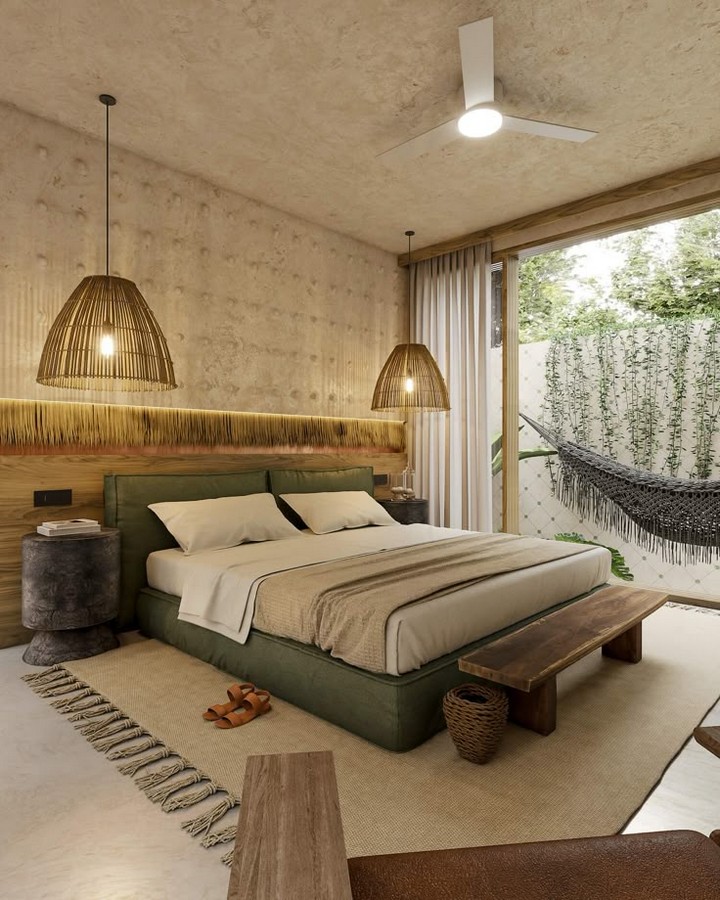
Chinese embroidery reaches exquisite heights with olive-toned silk works depicting nature themes, intricate landscapes, or symbolic imagery like bats denoting luck or pomegranates symbolizing abundance. Showcase these treasures under protective glass to preserve their hues and textures.
26. Moss Green Ceramic Garden Stools
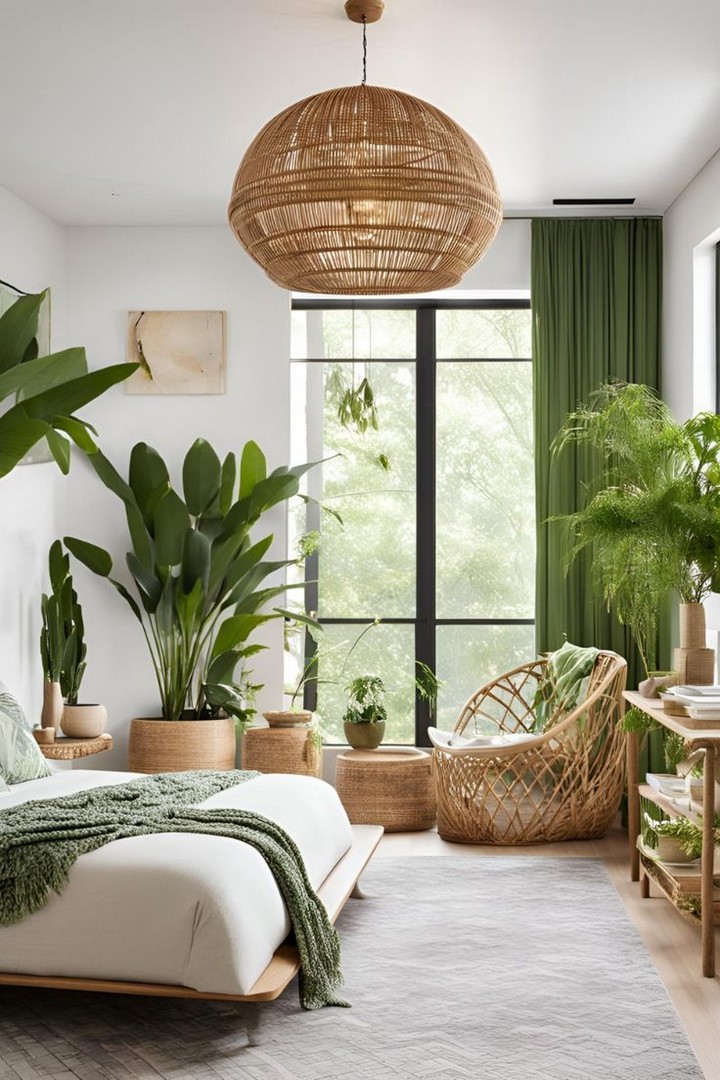
Globally cherished, moss green ceramic garden stools blend utility with ornamental beauty, functioning as side tables, seating options, or sculptural accents. Traditional perforated designs in classic drum and barrel styles imbue interiors with multi-functional charm.
Place between seating arrangements to maximize both form and function.
27. Bronze Vessels with Green Patina
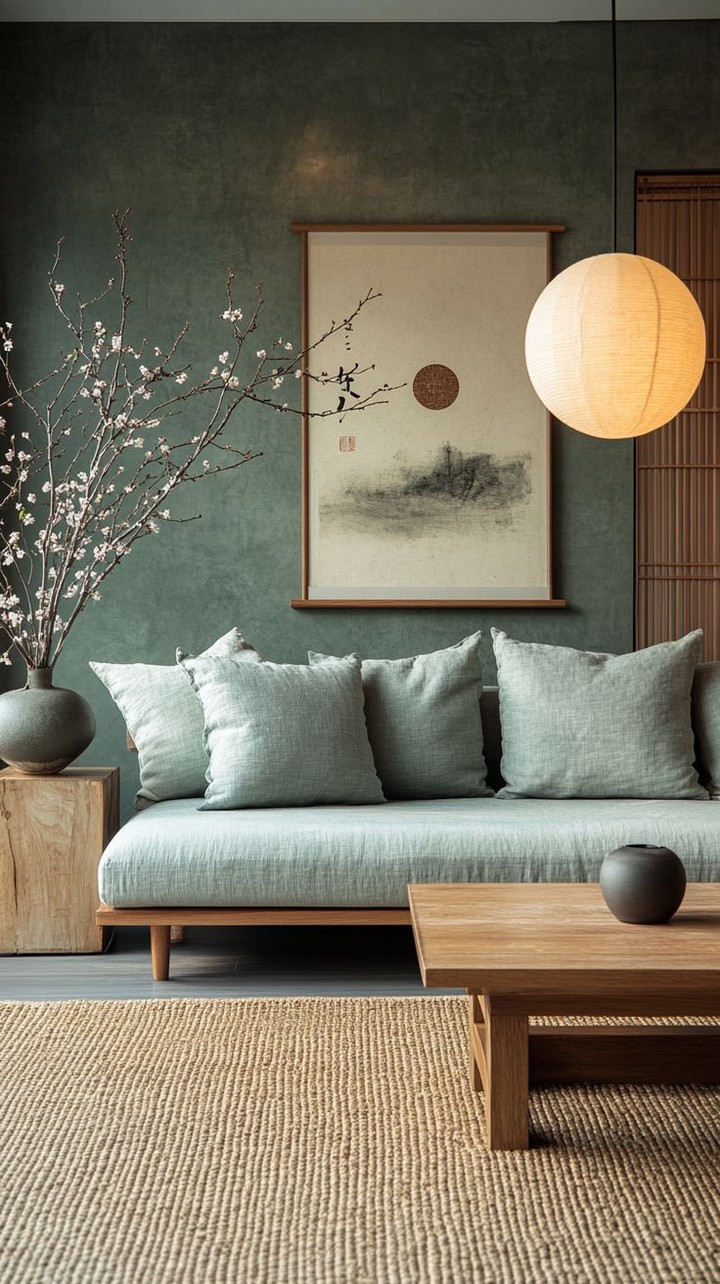
The verdigris patina adorning ancient and replicated bronze artifacts recalls the artistry of China’s early bronze age. Whether antique ritualistic vessels or modern patinated sculptures, these elements enrich interiors with historical resonance and textured green hues.
Display these artifacts thoughtfully, allowing ample visual space to appreciate their significance and beauty.
28. Olive-Tinted Wooden Sculptures
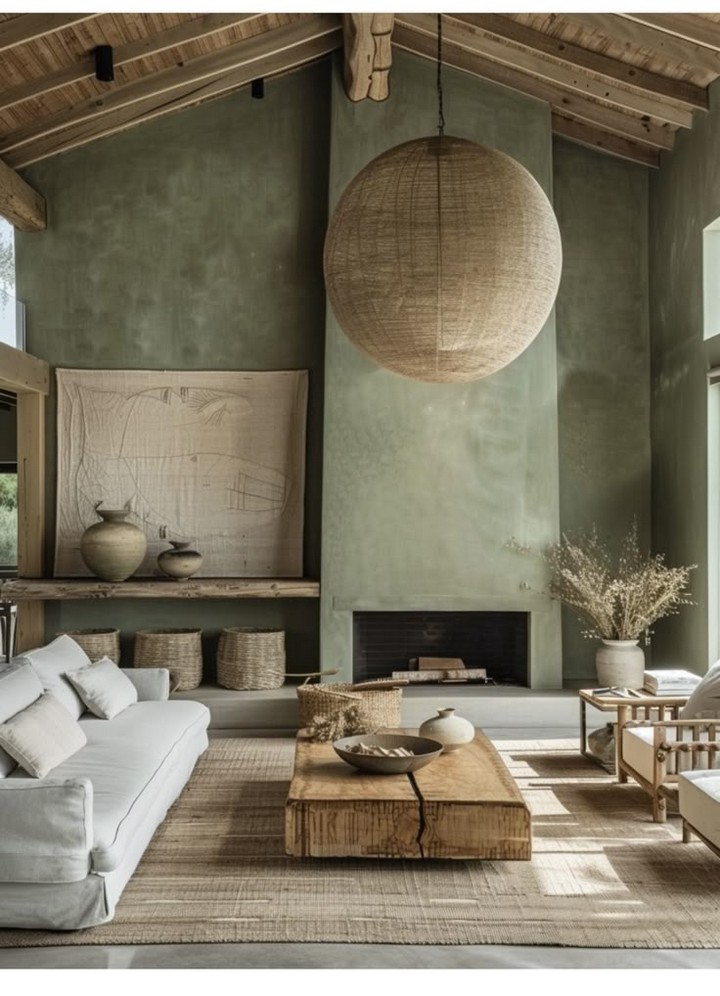
Wooden carvings finished with olive stains evoke traditional Chinese artistry while adding grounded warmth indoors. Figures of religious or mythological importance serve as captivating focal points or connectors amid varied furnishings.
Their rich tones cultivate tactile and visual diversity within your curated collections.
Malachite and Teal: Striking Visual Drama
29. Malachite-Patterned Tables
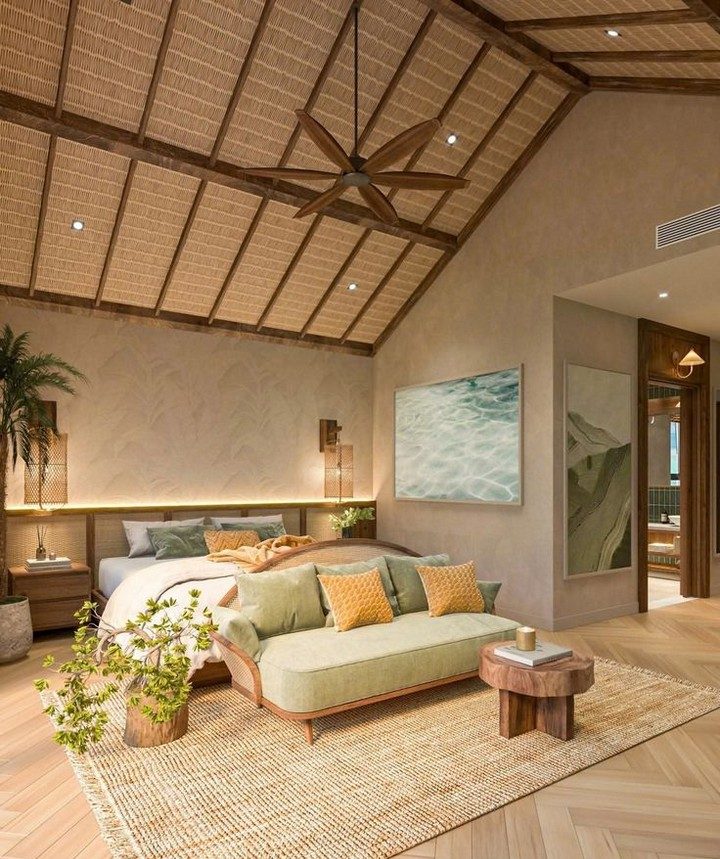
Though genuine malachite is rare, artistic reproductions of its swirling deep green and black patterns create commanding table surfaces and decorative boxes. These elements serve as vibrant focal points when allowed adequate breathing room, harmonizing best with minimal surrounding designs.
30. Teal Cloisonné Collections
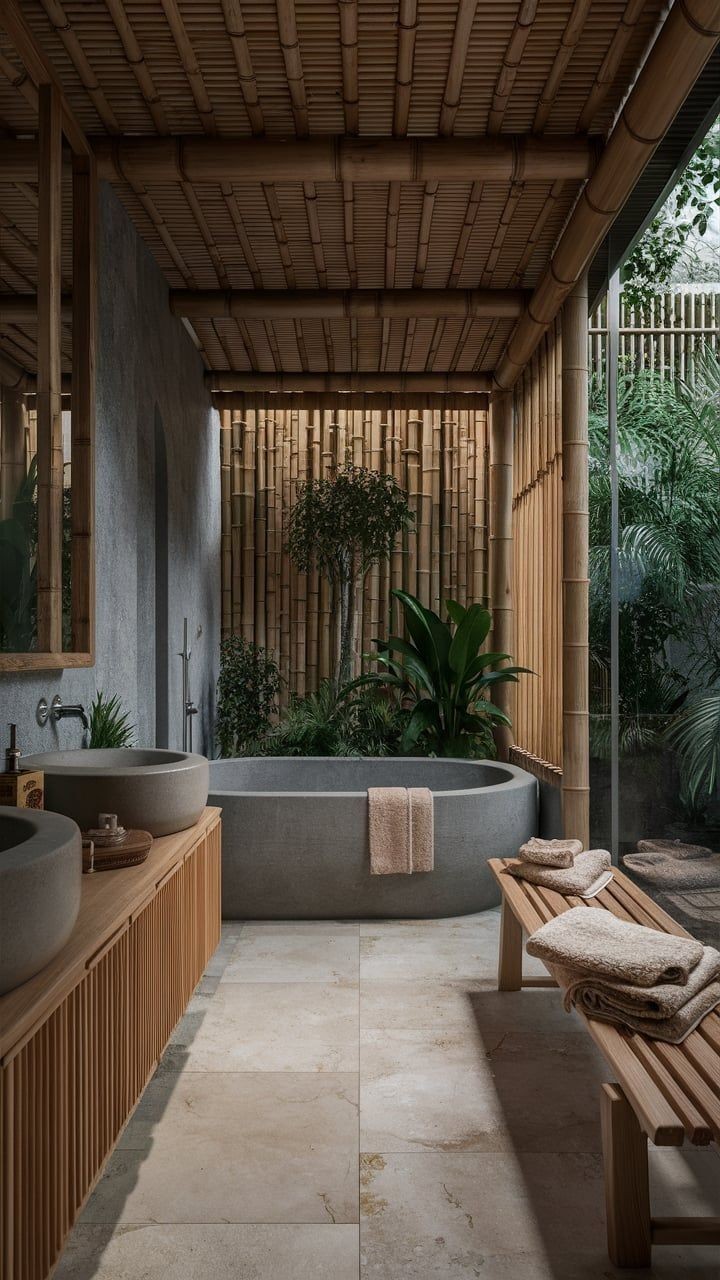
While traditional cloisonné favors deep blues, teal hues breathe new life into this craft, generating diverse decorative items from imposing vases to petite adornments rich with cultural texture.
Display them where lighting enhances the interplay of metal frameworks and vibrant color segments, elevating both the tactile and visual allure of each piece.
31. Deep Green Temple Jars
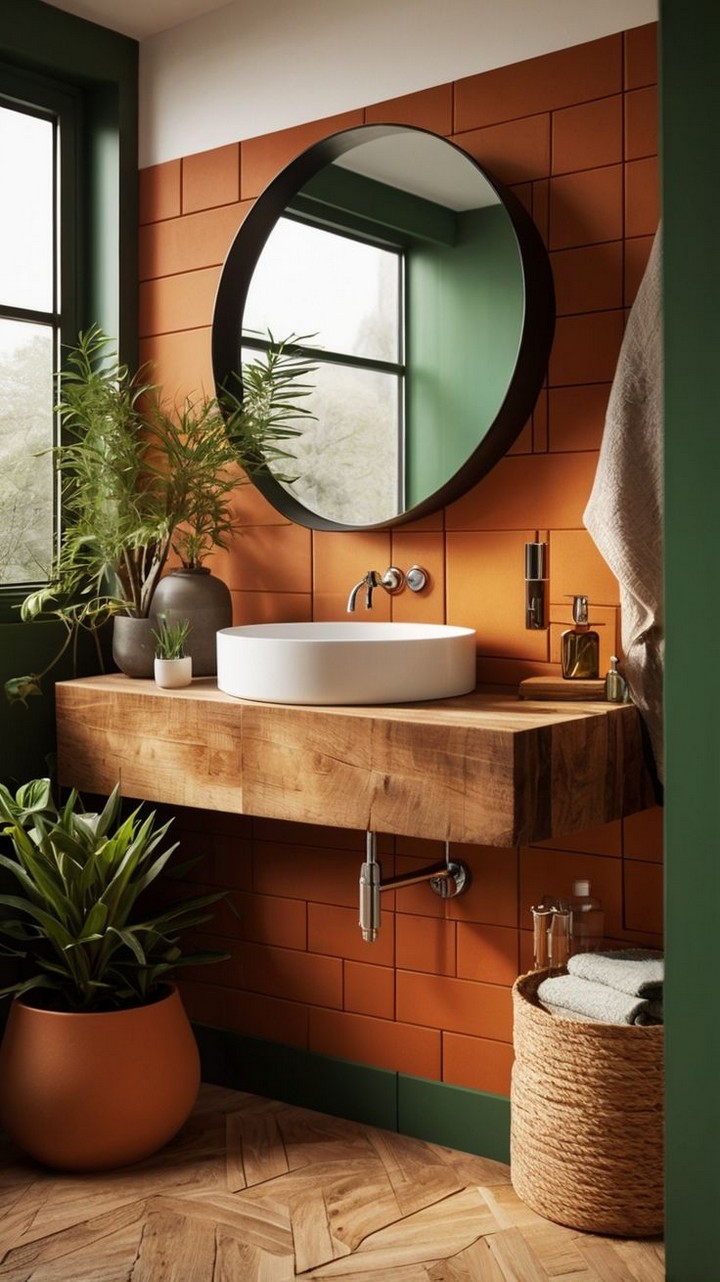
Iconic temple jars, recognized by their domed lids and rounded forms, make striking statements in lush deep green shades. Featuring hand-painted landscapes or mythological scenes, they serve as bold anchors on consoles, mantels, or dining surfaces.
Position asymmetrically for visual intrigue, avoiding conventional pairs to preserve dynamic balance.
32. Teal-Hued Chinese Export Porcelain
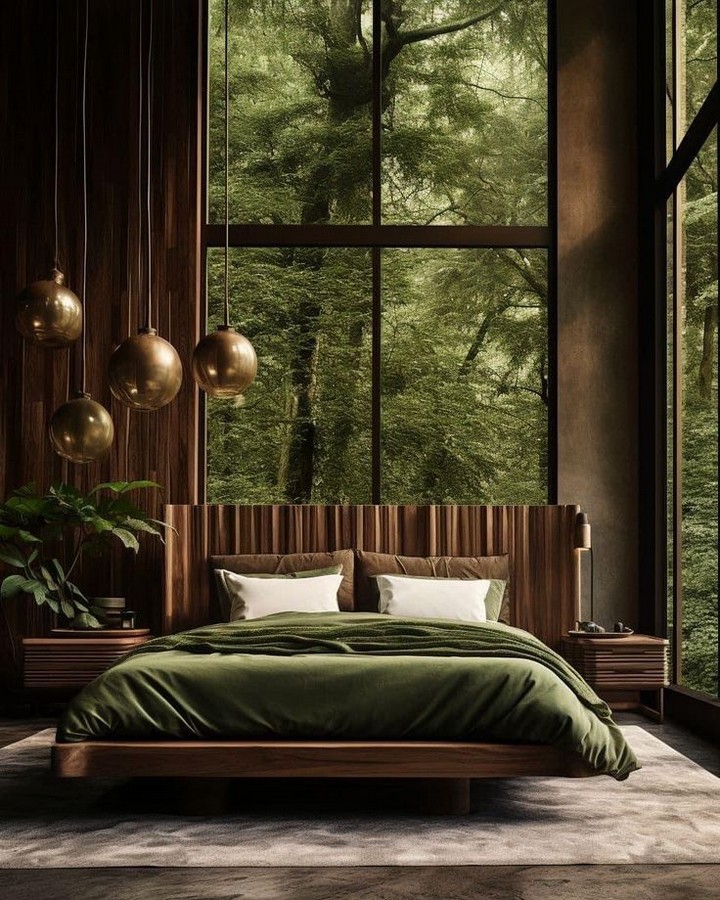
Porcelain created historically for international markets blends Eastern craftsmanship with Western preferences. Teal-colored pieces showcase exquisite brushwork with floral or bird motifs, perfect for illuminated cabinet displays or elegant table presentations.
Discover Chinese porcelain on Amazon
Modern Green Fusion in Chinese Decor
33. Contemporary Abstract Brush Painting
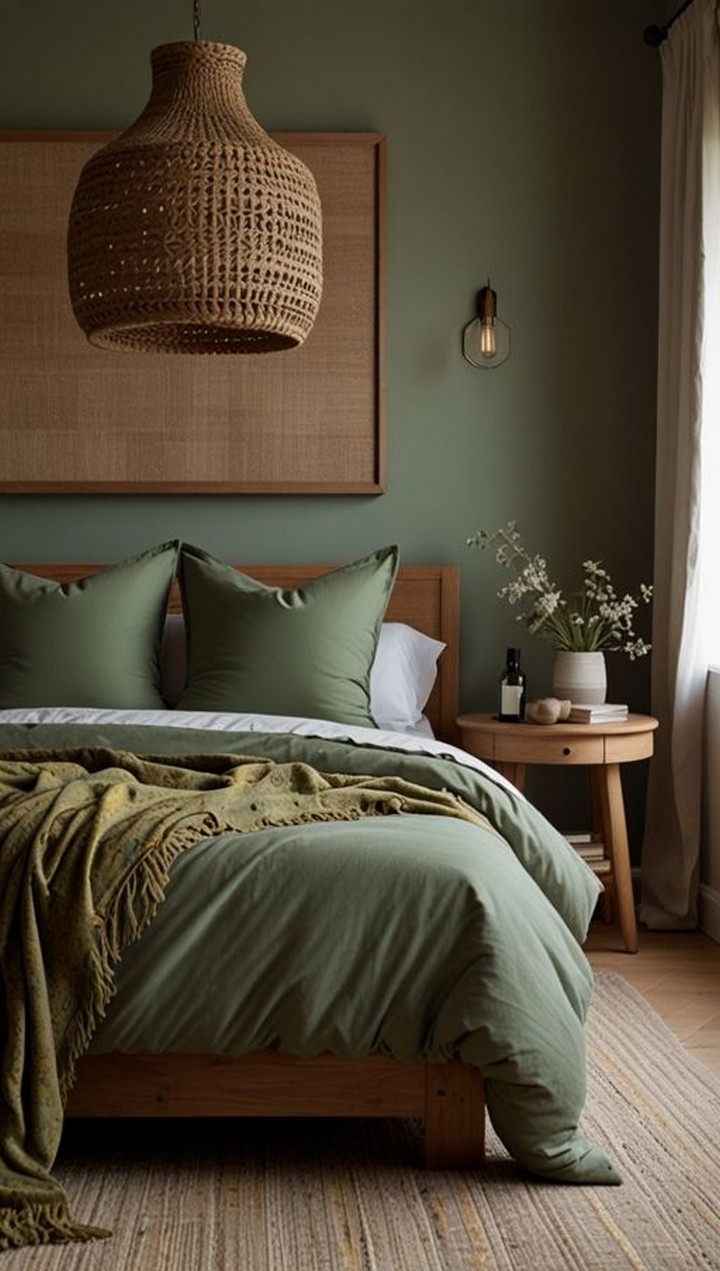
Utilizing age-old Chinese brush techniques to produce abstract art in a spectrum of green shades creates contemporary works steeped in tradition. These pieces capture the artist’s vitality and traditional “breath resonance” while complementing modern interiors.
Such artworks effectively bridge classical motifs and modern design contexts, seamlessly integrating into eclectic spaces.
34. Reinvented Jade Bi Disk Motifs
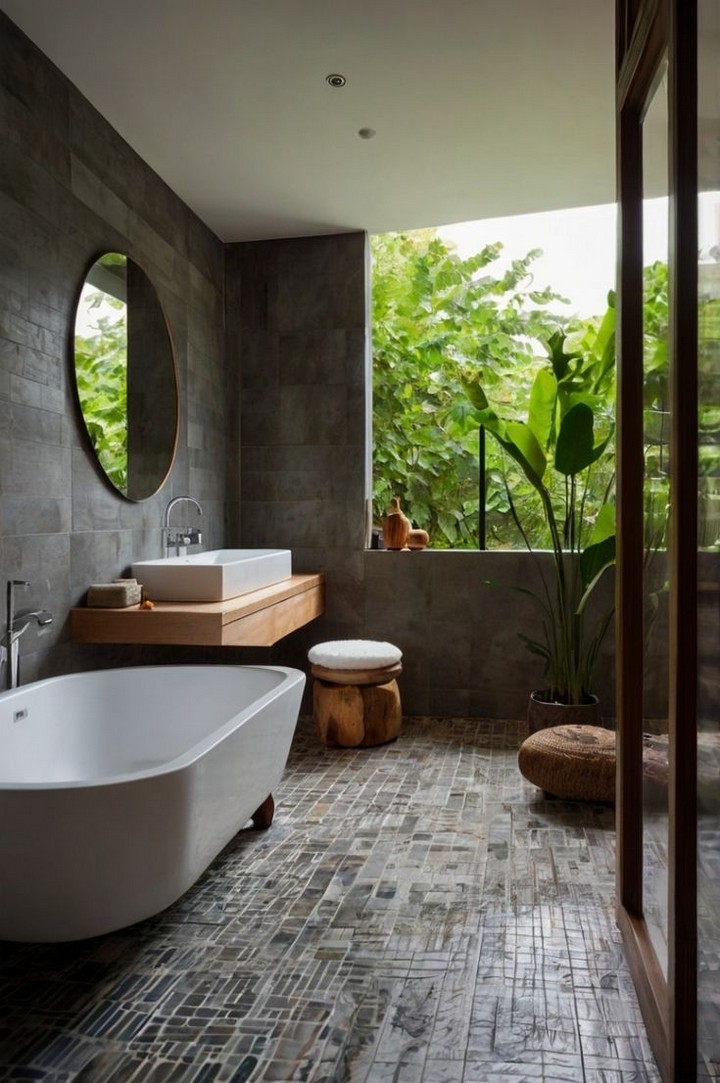
The circular jade bi disc, a symbol with origins in Neolithic China, lends itself to modern reinterpretations crafted from authentic jade or materials mimicking its green hues. Installed as wall art, sculptural clusters, or lighting fixtures, these elements honor heritage while offering fresh design statements.
Incorporating Green Chinese Elegance into Your Home
The rich tapestry of green in Chinese décor offers a wellspring of inspiration for contemporary interior schemes, whether you aspire to immerse fully in Chinese aesthetics or simply infuse thoughtful cultural details into your existing space. From the subtle to the striking, the 34 ideas presented celebrate green as a conduit to cultural legacy, philosophical insight, and enduring beauty.
Green in Chinese design elegantly bridges nature and craftsmanship, symbolism and visual enchantment. Integrating these elements with intention allows you to craft spaces that resonate aesthetically and spiritually, drawing on millennia of artistic wisdom.
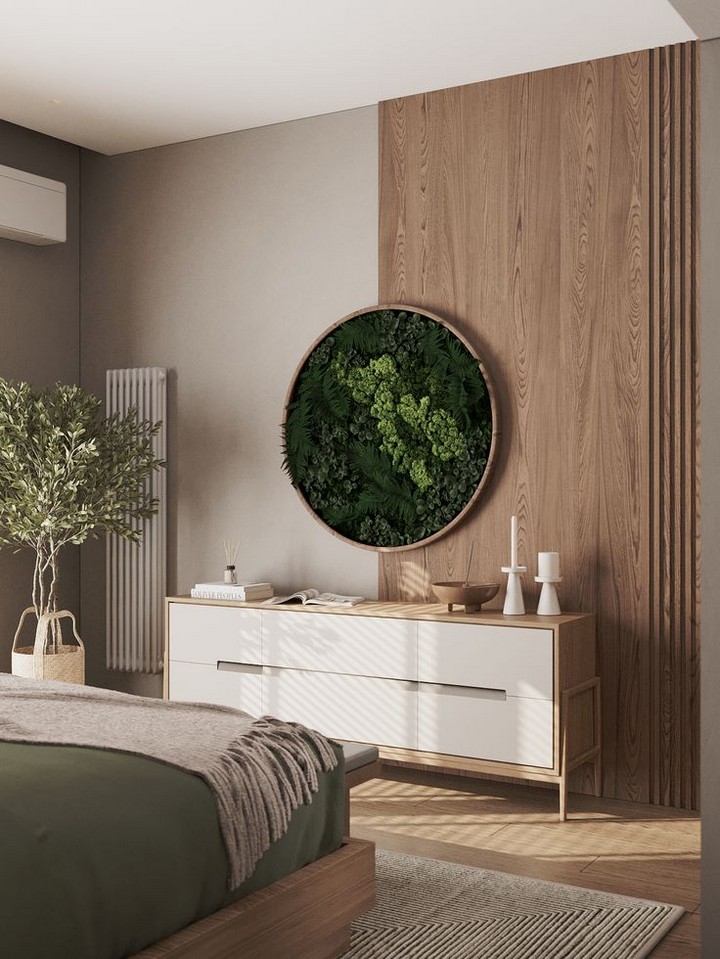
As you explore green Chinese decor, reflect on which facets align most closely with your values—the philosophical depth, artisan skill, symbolic narratives, or pure visual harmony. The most compelling spaces are those that marry personal meaning with traditional design language.
We welcome stories and insights into how these green-inspired Chinese accents have transformed your environments. Infuse your home with elements that honor heritage while evoking vitality and warmth. 福 (Fú – “Good fortune”) on your design voyage! 🏮🎋
As an Amazon Associate I earn from qualifying purchases.