Hotel black nightstand holding the bedroom corner steady

Under the bedside lamp the smooth black finish soaks up the glow, giving the pair a visual weight that feels larger then their compact footprint.Sold on the listing simply as “Bedside Cabinet Set of 2 Black Bedside Table Nightstand for Hotel” (no obvious brand on the packaging), the two arrived to flank the bed at mattress height, holding a lamp and a book without fuss. Reach out and the engineered-wood top is cool under your palm, the iron legs lift the form just enough to show the floor, and the drawers glide with a steady, everyday rythm.
On first sight you notice what the black bedside cabinet set brings to a hotel room
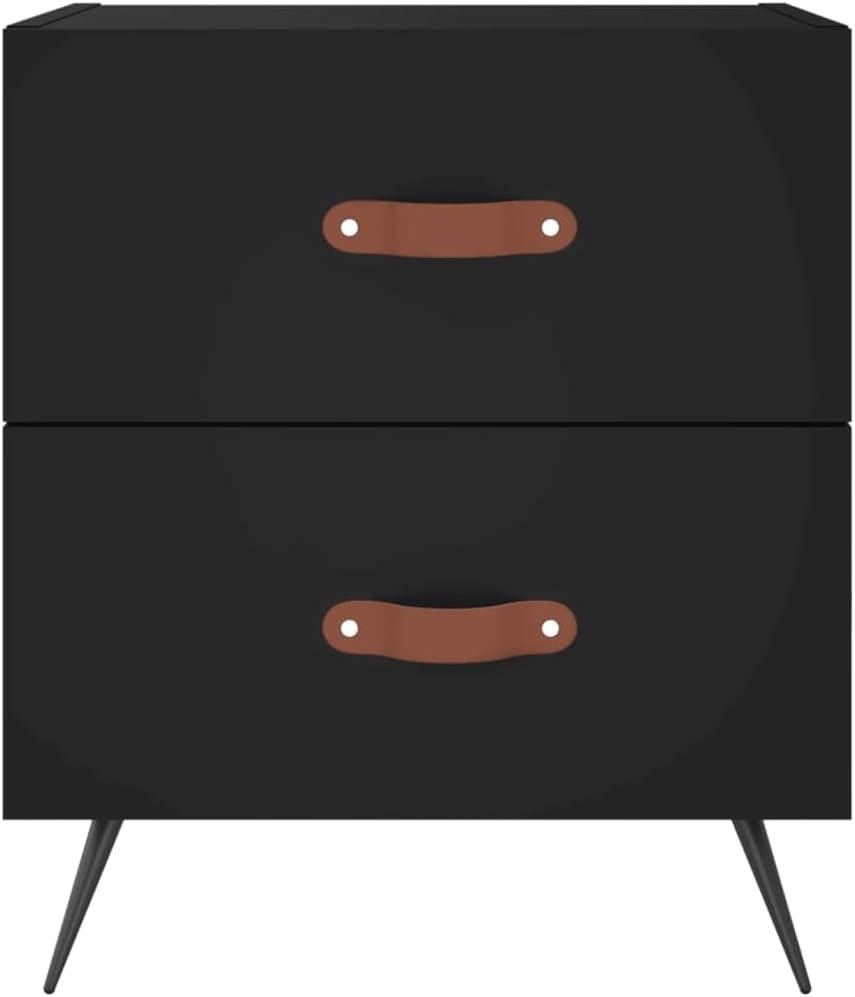
On first sight you notice how the black bedside cabinet set immediately organizes the visual field around the bed. Their dark planes cut a clear silhouette against lighter bedding and walls, so your eye is drawn to the bed area and the small vignette beside it. The pair reads as a intentional element rather than a scatter of furniture—drawer fronts present uninterrupted surfaces, the low raised legs let a strip of floor show beneath, and the top surfaces catch the bedside lamp so light pools and creates shallow shadows along the edges.
As you move around the room the surfaces reveal small, lived details: smudges and dust can show up more readily under hotel lighting, and you’ll find yourself smoothing a spot or nudging a phone or glass to a corner. The cabinets tend to frame routines—the place where a book is set down, a charger is dropped in, a hand brushes the edge—so that the first impression is both about visual anchoring and the little traces of use that collect there.
Up close you can pick out the lines, finishes and hardware that shape its appearance
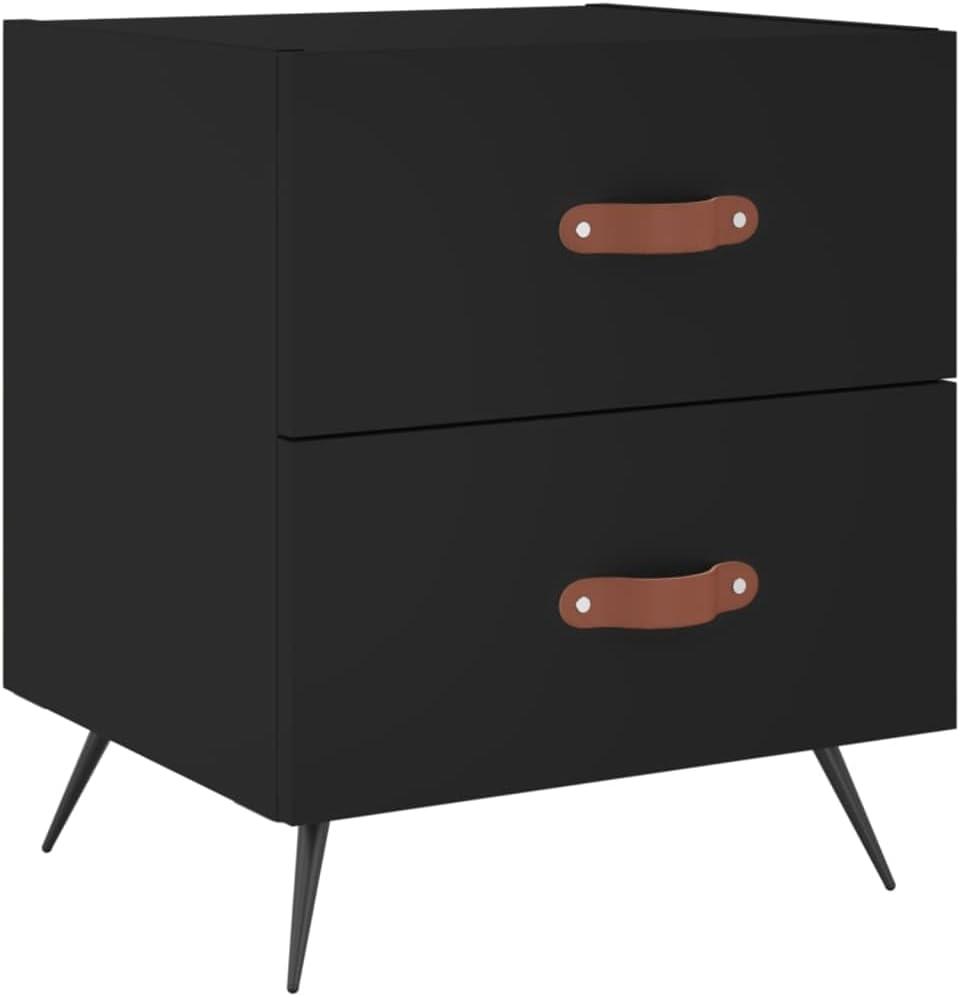
When you crouch down to inspect one of the cabinets, the silhouette reads as a series of deliberate planes meeting at narrow seams. The drawer fronts line up in a steady rhythm; if you run your fingers along the gap between them you’ll notice the spacing is even,and the edges are slightly rounded rather than razor-sharp. Light skims the top and then breaks along the edges, so from a few feet away the piece looks uniform, but up close the lines that define each panel and joint become more distinct.
The finish is where those lines take on texture.Under close scrutiny the black surface shows a low sheen that catches smudges and dust in different ways depending on the angle—fingerprints tend to show more on the horizontal surfaces, while the vertical faces hold a smoother, more consistent look. Hardware details reveal themselves as you open a drawer or lean in: small metal fittings, the heads of screws where the legs attach, and the runners tucked inside the cavity. Pulling a drawer out exposes the way those elements meet the engineered panels; you may find light play at the joins and a faint give where parts meet after repeated use, which is visible rather than imagined as you nudge a drawer closed or brush along a corner.
How their proportions sit beside your bed and fit into typical room layouts

Place one at either side of the bed and you’ll notice how compact their shape keeps the bedside zone uncluttered. The top surface sits at a level that lets a lamp and a small stack of books feel proportionate rather than oversized, and the vertical face of the drawers presents a tidy, uninterrupted plane when viewed from the foot of the bed. Because the legs lift the body slightly off the floor, the overall impression is lighter than a solid-block nightstand, which affects how much visual space the pair occupies in a room.
When you open a drawer while seated on the mattress, the drawer face and handle arrive within easy reach; in tighter layouts that same practicality can translate into narrower clearance between bed and cabinet, so you’ll find yourself nudging pillows or shifting a bedside lamp now and then. Two cabinets flanking the bed create a balanced axis across the headboard, but in smaller rooms that balance often comes with reduced walkway width—doors or drawers may need a bit more room to swing freely. In wider bedrooms the same pair can read as deliberately modest,leaving generous negative space that changes how other furniture sits around them.
| Typical layout | How it sits beside your bed |
|---|---|
| Low platform or mattress close to floor | The cabinet reads slightly taller in relation to the bed, giving the bedside surface a more prominent role for nightly items. |
| Standard bed height | The top aligns with arm reach when seated, making drawer access and tabletop use feel immediate and routine. |
| Narrow room or tight walkway | The pair tightens the circulation path; doors and open drawers can overlap typical movement zones, so positions may shift with daily use. |
Small adjustments tend to happen as you live with them—smoothing a lampshade after brushing past it, nudging a cabinet a few inches to improve flow—so the way they sit in your room will subtly settle over time rather than feel fixed the moment you unpack them.
The ways you use the drawers, top surfaces and cable openings during a guest stay
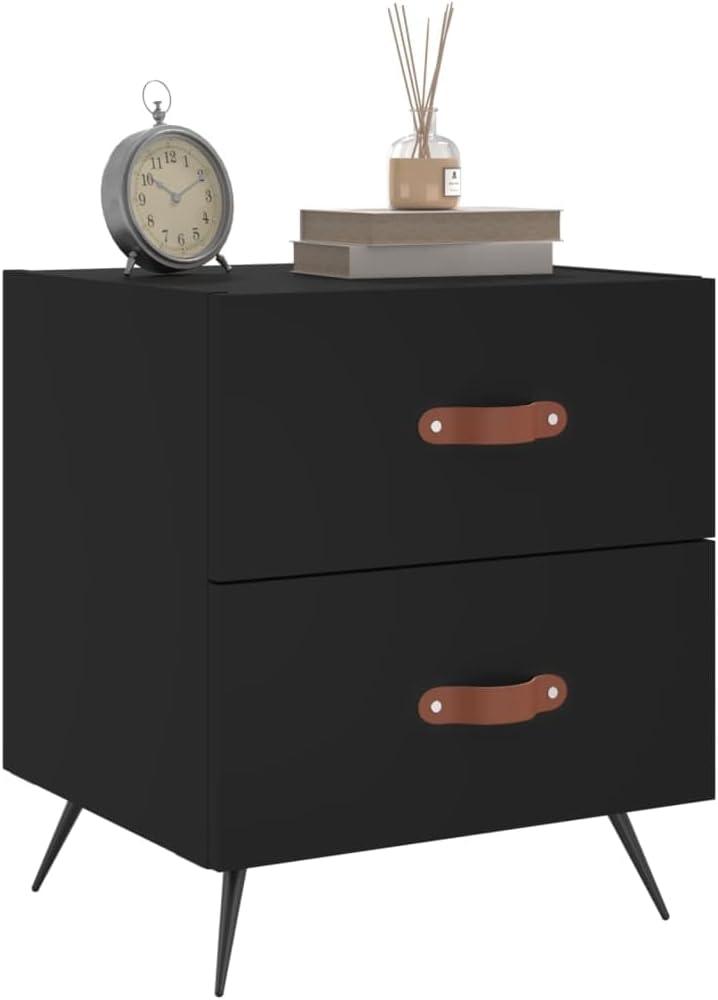
When a guest arrives you quickly turn the top surface into a short-term staging area. You’ll set down a phone, a glass of water, perhaps a bedside lamp or a small welcome note; the surface ends up as the place where things land between pockets and the bed. Habit usually dictates how you arrange it — sliding a book nearer to the edge for night reading, nudging a coaster into place, or shifting a lamp an inch so a charger reaches the opening at the back. The surface can feel crowded by evening, and you often make small adjustments rather than clear everything away.
The drawers become a go-to for anything you don’t want left visible. You tend to drop spare chargers, paperback books, sleepwear, or a toiletry bag into the lower drawer and use the top drawer for smaller items like an eye mask, prescription bottle, or a pair of socks.Mid-stay, items move between surface and drawer — the phone becomes a bedside item by day and a drawer-stashed object by night. You mostly slide them quietly,though sometimes you find yourself pausing to rearrange contents so the drawer closes more smoothly.
Cable openings get used the way holes in any bedside surface do: as a channel for charging and for keeping plugs out of sight. You thread phone,smartwatch,or lamp cords through the gap so devices sit on the surface while their cables disappear toward the wall. When several devices charge at once the opening can feel snug and cords bunch up; that often causes you to shift chargers or rotate objects on the tabletop. for some nights you end up tucking a loose cable into a drawer or between the base and leg to keep it from catching on bedding.
| Area | Typical items | Usual behavior |
|---|---|---|
| Top surface | Phone, water glass, bedside lamp, book | Staging area; frequent small adjustments |
| Drawers | Chargers, sleepwear, toiletries, small valuables | out-of-sight storage; items shuffled mid-stay |
| Cable openings | Phone and smartwatch cables, lamp cords | Routing point; can get tight with multiple cords |
Where the set is suitable for your hotel needs, how it matches or departs from your expectations, and the practical limitations you may encounter
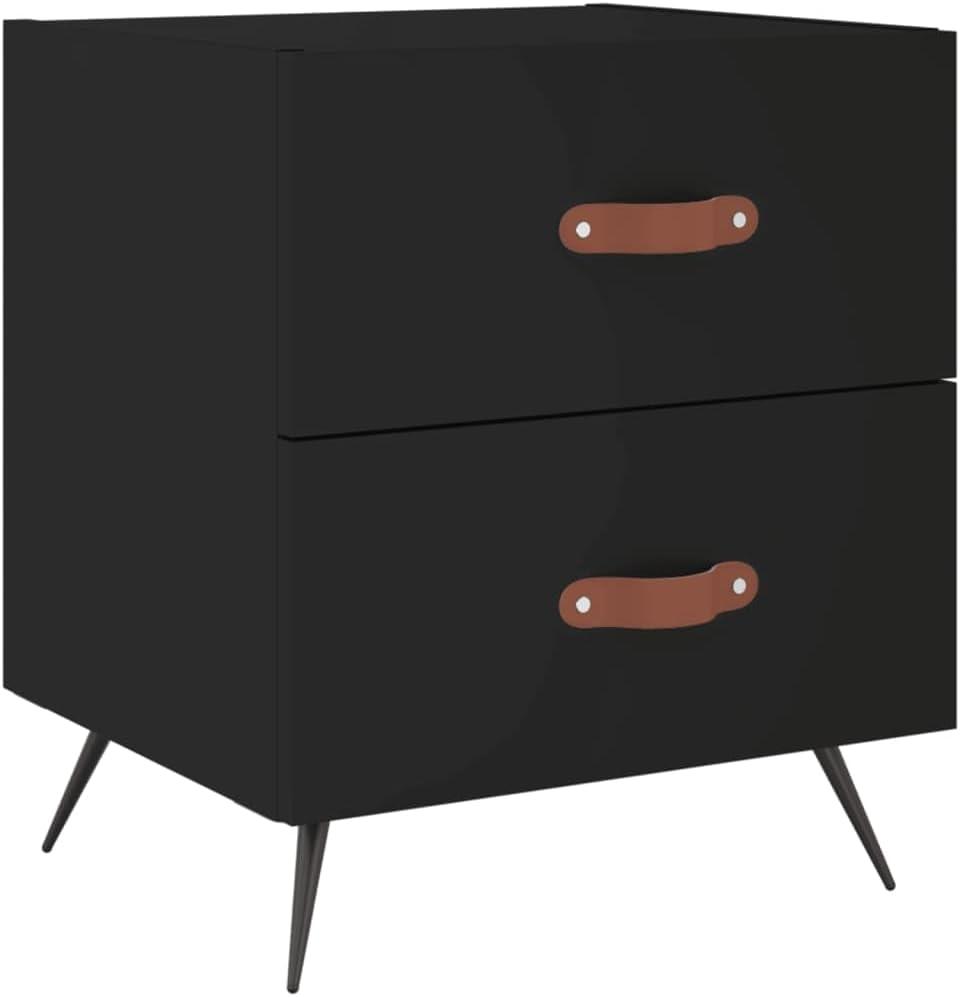
In day-to-day hotel use, the pair generally delivers the compact storage and surface area that are commonly expected for bedside furniture. Drawers tend to accommodate chargers, books and small personal items without forcing staff to rearrange belongings; the top panel frequently enough carries a lamp, alarm clock and a guest’s phone together without looking crowded. Under inspection, the smooth black finish can show fingerprints and light abrasions more readily than textured or laminated surfaces, which departs from any expectation of an impervious, low-maintenance look. Placed against a wall on typical room flooring the units normally feel steady, though slight rocking has been observed on some softer carpets.
Practical limitations appear through repeated turnovers and everyday handling. the absence of integrated cable routing means cords commonly run across the tabletop and down the back unless housekeeping adapts their routines; drawer interiors sit deep enough for most small items but not for bulkier travel bags to lie flat. Over time, routine opening and closing tends to reveal the need for minor hardware retightening or drawer alignment, and cleaning with sprays can leave streaks that become visible under strong corridor or daylight. Short leg clearance limits what can be stored beneath and makes passing some cleaning tools or automated devices underneath awkward in most rooms.
| Expectation | Typical In-Room Reality |
|---|---|
| Neat, unobtrusive bedside surface | Works for lamp and phone; cables usually visible |
| Durable finish | Shows fingerprints and light scuffs with frequent use |
| Low maintenance | Requires occasional hardware adjustment and careful cleaning |
View full specifications and color options
How you would maintain the finish and the cleaning routines common in hotel housekeeping
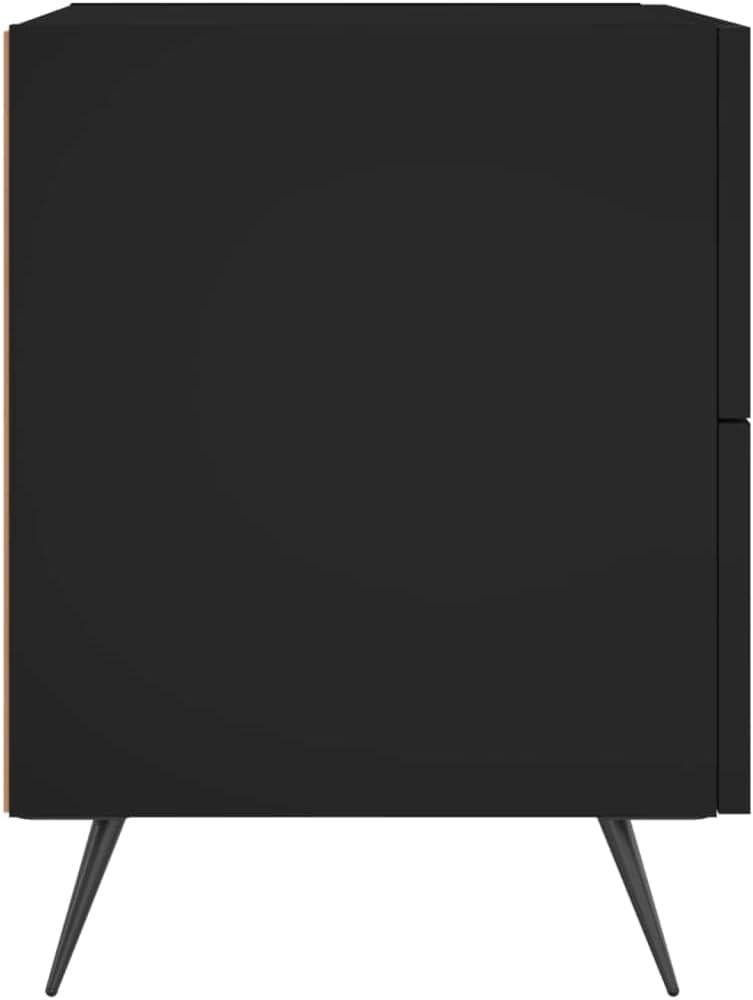
You’ll notice the smooth dark surface picks up dust, fingerprints and the faint rings from cups more readily than lighter finishes, so a few short motions become part of the rhythm of care. In everyday use you’ll pass a microfiber cloth across the top and drawer faces to lift dust; small smudges often come up with a barely dampened cloth and immediate drying, while crumbs and loose debris tend to collect along the drawer seams and in corners and get brushed out as you open and close the drawers. Over time the finish can show light scuffs in places you touch most, and the occasional gentle buffing during deeper cleaning rounds brings back some of the original sheen without heavy abrasion.
| Task | Common hotel cadence | Typical technique observed |
|---|---|---|
| surface dusting | Daily or between stays | Dry microfiber wipe, sweeping motions |
| Spot cleaning (smudges, spills) | As noticed | Light damp cloth, immediate dry |
| Drawer interiors and seams | Weekly or turnaround clean | Brush out debris, speedy vacuum, wipe inside |
| Restore sheen | Monthly or periodic | Soft cloth buffing or mild polish used sparingly |
In practice you’ll fall into small habits: a fingertip test for sticky spots, a quick pass with a cloth before guests arrive, and a closer look at edges during deeper rounds. Strong solvents and rough scouring tend to be avoided as they can dull the surface; rather, cleaning stays fairly light and frequent, with more thorough attention given only occasionally when the finish looks tired. The result is a steady, low-effort routine that keeps surfaces looking consistent from day to day.

How the Set Settles Into the Room
Over time the bedside Cabinet Set of 2 Black Bedside Table Nightstand for Hotel slips into the backdrop of daily life, and you find yourself noticing its presence more in routine gestures than at first glance. It quietly shapes small pockets of space — where a book is left, the habitual reach for a glass, the ease of sliding a lamp on — and the comfort of those movements becomes ordinary in daily routines. Tiny surface marks and the soft dulling of edges appear where things are placed, making it feel lived-in as the room is used. It stays.
As an Amazon Associate I earn from qualifying purchases.