LINSY HOME 111″ U-Shaped Sofa – roomy enough for your family

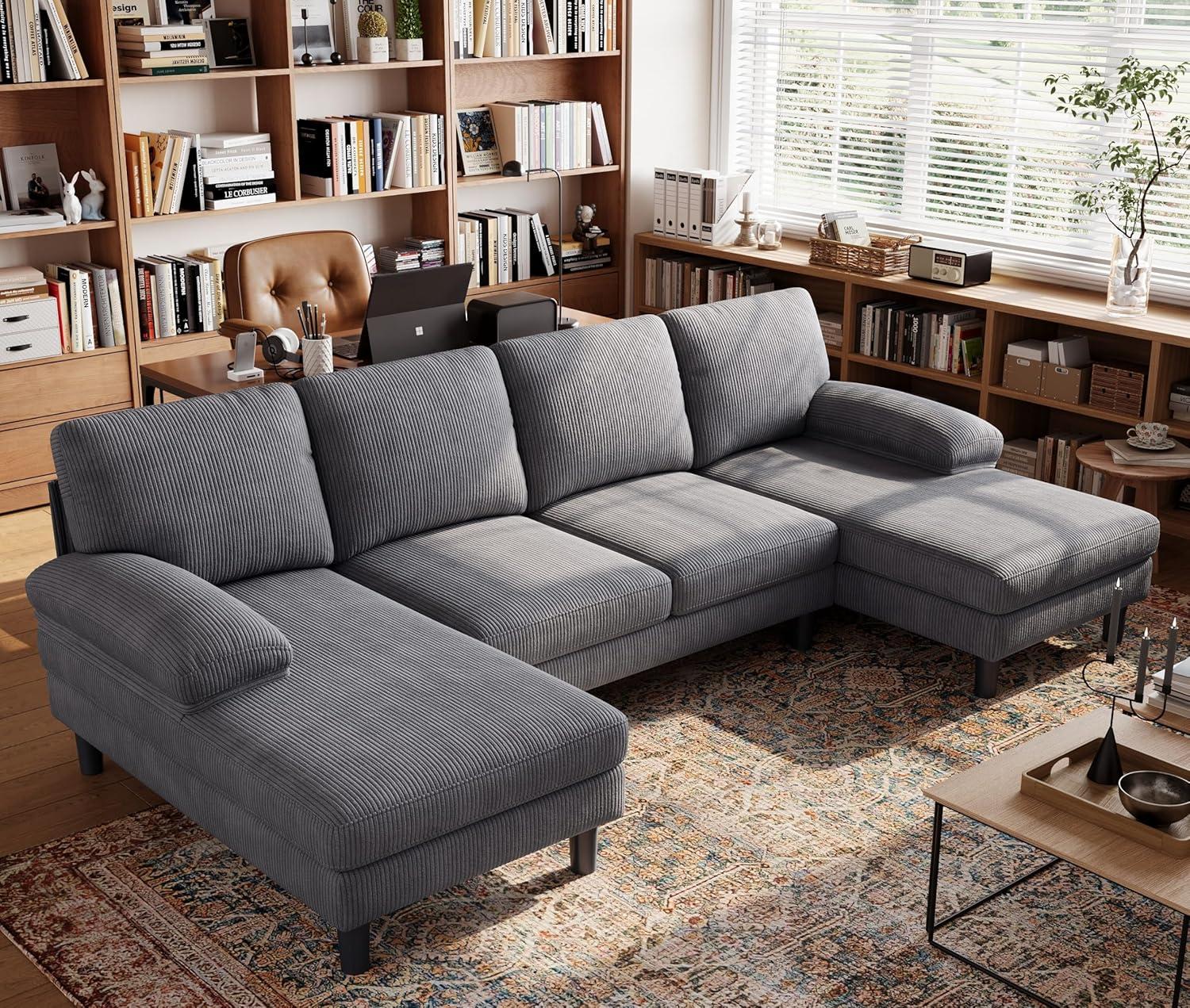
Late-afternoon light pools along one flank and the LINSY HOME Sectional Couch — a 111-inch U-shaped corduroy sofa — quietly anchors the room. You notice the visual weight first: broad, low lines and twin chaises that push the seating into the center of the floor.Slide your hand over the fabric and the fine ribs of the corduroy register under your palm, a textured warmth that softens the sofa’s scale. The cushions sit deep and slightly forgiving at the edges, while the armrests flatten in a way that changes how you imagine lingering there. It reads as a quietly substantial presence—lived-in from the first glance.
Your first look at the LINSY HOME corduroy U shaped sofa in grey
When you first see the sofa, the grey corduroy reads as quiet and textured rather than flat; light skims across the ribs and the shade shifts from a cooler stone to a slightly warmer grey where the fabric gathers.Running a hand along the back or seat, the plush ribs leave a soft impression that smooths out with a fingertip. From across the room the silhouette looks substantial without being fussy; the arm surfaces present as broad,almost table-like,and the cushions sit with a rounded top that invites an idle adjustment or two.
Up close, seams and stitching become part of the visual rhythm—small folds form where people settle and the corduroy shows gentle creasing at contact points. You’ll probably find yourself straightening cushions or brushing the nap to even out the color after someone has been sitting; cushions compress and then bounce back in a way that feels gradual rather than immediate. In different light the grey can read warmer or cooler, and the fabric’s ribs catch highlights and shadow differently depending on angle and movement.
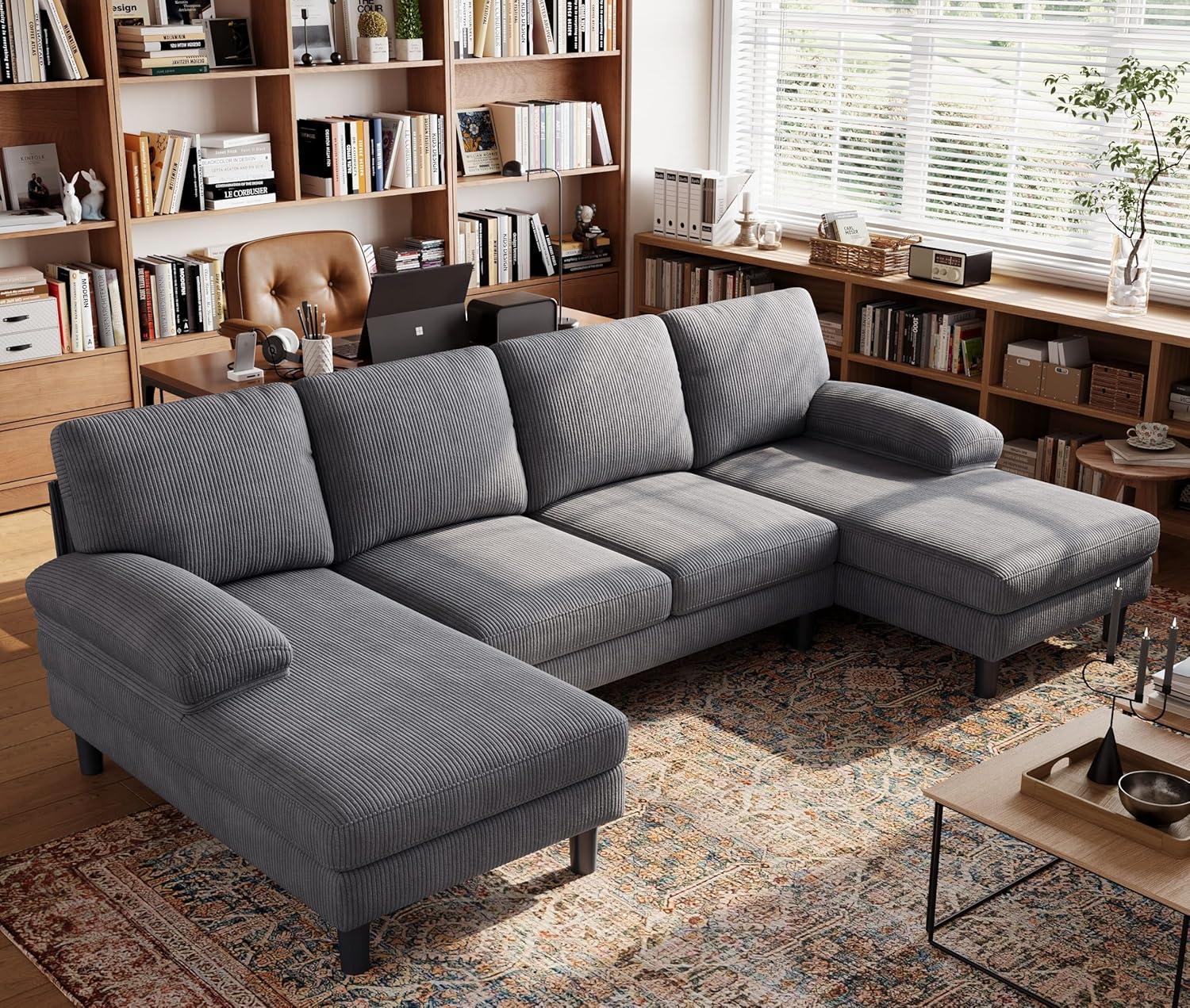
How the form and tailoring occupy your living area
The U-shaped silhouette arrives in a room as an organizing element: its continuous run of seating carves out a central zone and makes the surrounding floor feel subsidiary. From most vantage points the sectional’s edges—where cushions meet chaises and arms—act like visual borders that route movement around the piece rather than through it. When people settle in, the mass becomes more porous; cushions slump, seams soften and the overall outline loses a little of its initial crispness, but the sectional still reads as a single, contained area rather than a scattered collection of seats.
Tailoring details show up in everyday use. Stitching lines and the fabric’s texture pick up light differently as cushions are smoothed or shifted,creating short-lived highlights along seat joins and arm creases. Armrests that fold down into flatter planes alter the sectional’s profile and momentarily extend usable surface into the room, while the paired chaises push seating farther along the perimeter and change where passage lines form. Small habits—nudging a cushion back,tucking a throw,smoothing a worn channel—are common responses to the way the tailoring settles over time.
| Observed effect | How it plays out in the living area |
|---|---|
| Continuous U-shape | Creates a defined gathering zone and channels foot traffic around the outside |
| Prominent seams and ridged fabric | Produce changing highlights and subtle lineation as people sit and move cushions |
| Sleepable arm surfaces and double chaises | Temporarily extend usable horizontal planes and shift circulation paths during use |
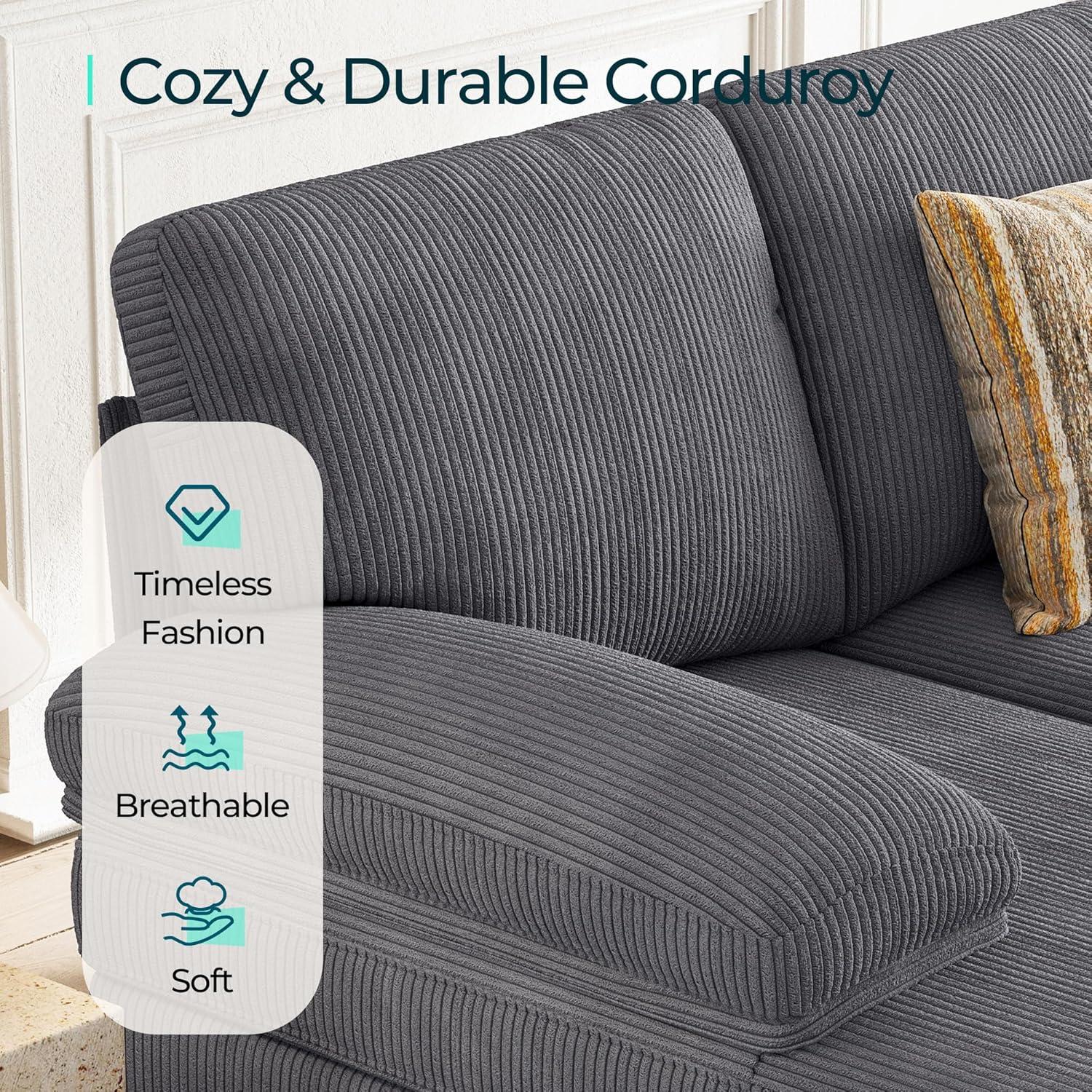
what you see when you inspect the fabric, cushions, and frame up close
When you lean in, the fabricS ribbed nap is the first thing that registers — the tiny ridges catch light differently as you run your hand along them, and the color shifts a touch depending on the direction. Close up you can see where the pile has flattened from repeated smoothing near the armrests and chaise edges; those areas look slightly darker and the ribs sit lower until you brush them back.Seams and topstitching are visible without peering: the thread follows the cushion edges in neat lines, but you’ll notice small puckers where the cover tucks around corners or where panels meet. Tiny lint or crumbs tend to collect in the channels between ribs, and your fingertips often leave short-lived marks that fade as the nap settles again.
Pulling a cushion forward or smoothing it reveals more detail. the outer cover stretches a little as you adjust it, showing faint creases radiating from the seam lines, and the surface gives under pressure before springing partly back; over time that give leaves shallow hollows where people sit most. peek beneath the cushions and you’ll find the upholstery backing, staple rows, and the hardware that holds the sections together — exposed screw heads at the joints, metal brackets tucked into corners, and short wooden rails where panels connect. The feet sit on small glides that lift the base off the floor by a hair,and labels or stamps from assembly are often visible on the underside if you tilt a chaise forward. these are the sort of small, everyday marks and construction details that become obvious when you’re adjusting cushions or checking the frame for fit against a wall.
| Area | What you see up close |
|---|---|
| Fabric surface | Directional ribs with subtle light/dark shifts, flattened nap at high-contact spots, crumbs in channels |
| Cushion edges | Visible topstitching, slight corner bulging, shallow indentations from use, occasional concealed fastenings at seams |
| Frame & underside | Stapled upholstery backing, screw heads and brackets at joins, wooden rails and small plastic glides on feet |
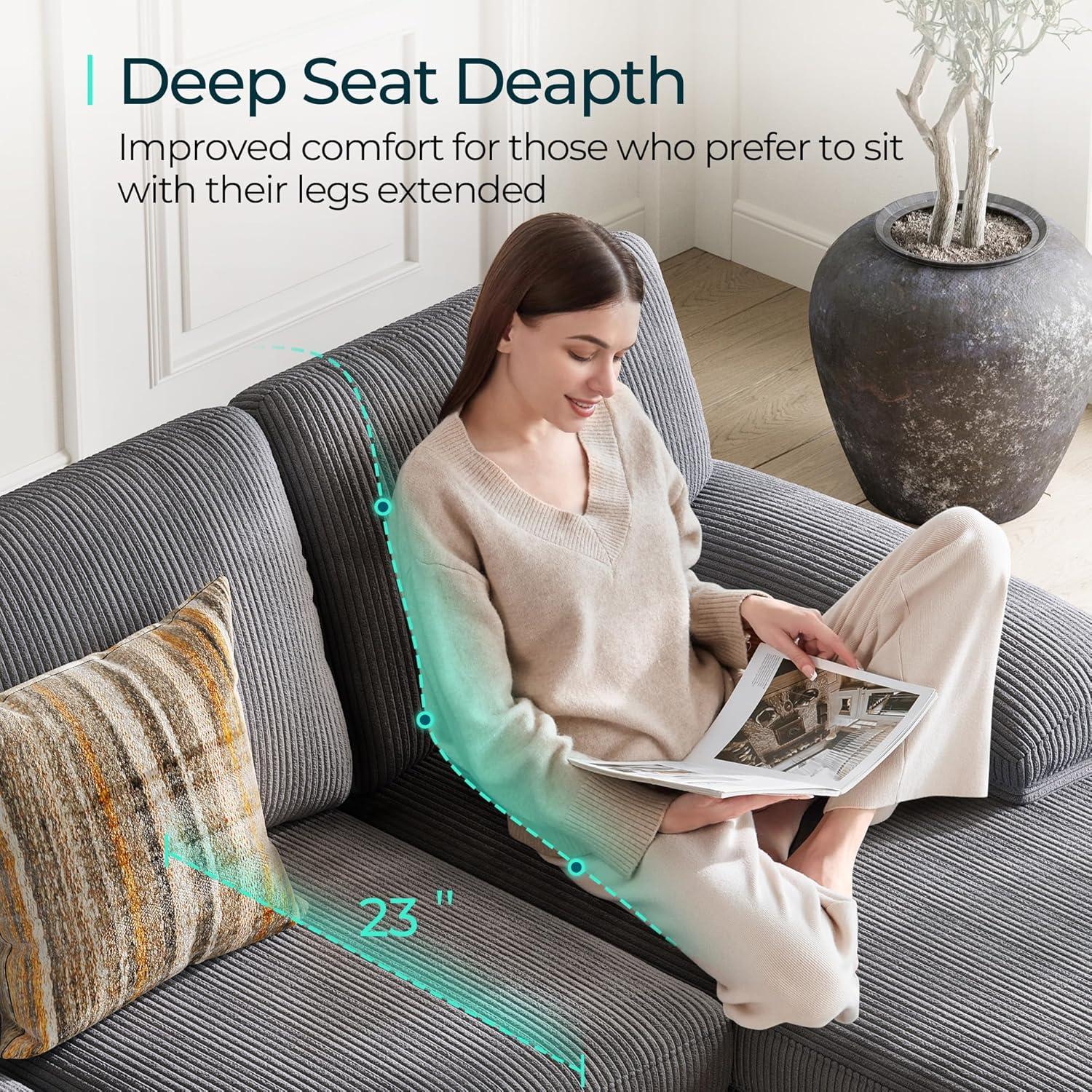
How you sit on it the seat depth cushion give and the sleepable armrests
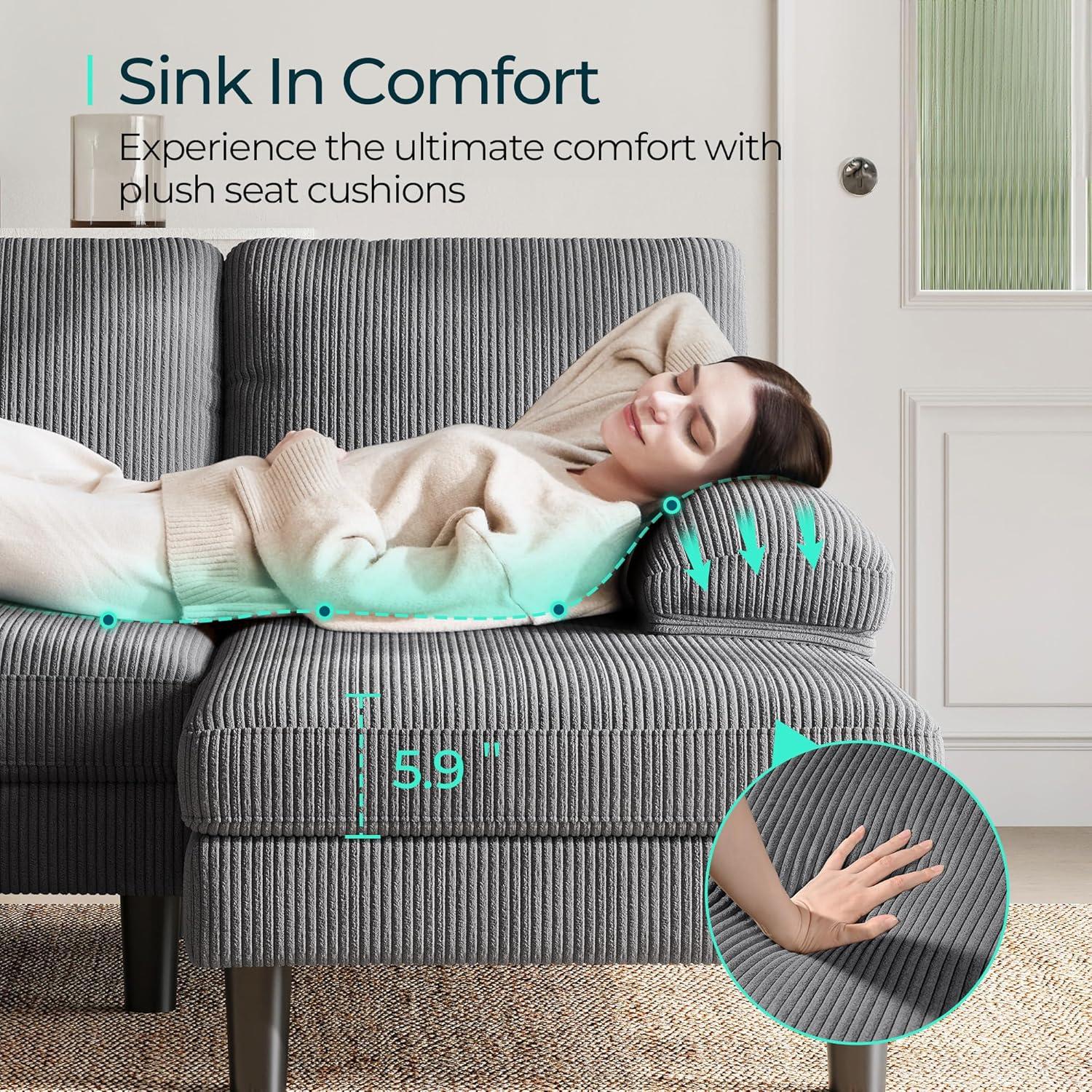
When someone settles into the sofa, the seat depth makes itself obvious: there’s room to slide back and extend the legs, and the cushions give a noticeable first impression of sink followed by resistance. The top layer compresses easily under weight, then the filling pushes back enough to keep hips from bottoming out; during longer sits the surface softens and the seams shift as the occupant adjusts, frequently enough smoothing the corduroy or tucking a cushion under a knee. Sitting upright feels different from reclining across a chaise — the initial cushion give is the same, but the support redistributes toward the frame and the back cushions settle into a shallower profile over time.
The armrests that fold down into headrests behave like flattened bolsters: they present a broad, even surface when lowered and compress under the weight of a head. In short naps the head rests with a slight lateral tilt and the armrest padding conforms, leaving a temporary impression; for longer resting periods the padding continues to level out and the fabric creases where shoulders or neck meet the seam.These armrests tend to feel firmer than the central seat cushions as they compress, and users commonly make small adjustments — shifting a pillow, smoothing the fabric, or sliding an edge to relieve pressure — while settling into a doze.
| Position | Observed feel |
|---|---|
| Upright sitting | Moderate initial sink; back cushions settle and require occasional smoothing |
| Reclined/feet up | Deeper give under thighs; support redistributes toward the chaise base |
| Head on lowered armrest | Broad,flat contact; noticeable compression and slight head tilt |
View full specifications and available size and color options
Measuring for your space the one hundred eleven inch span and double chaise arrangement
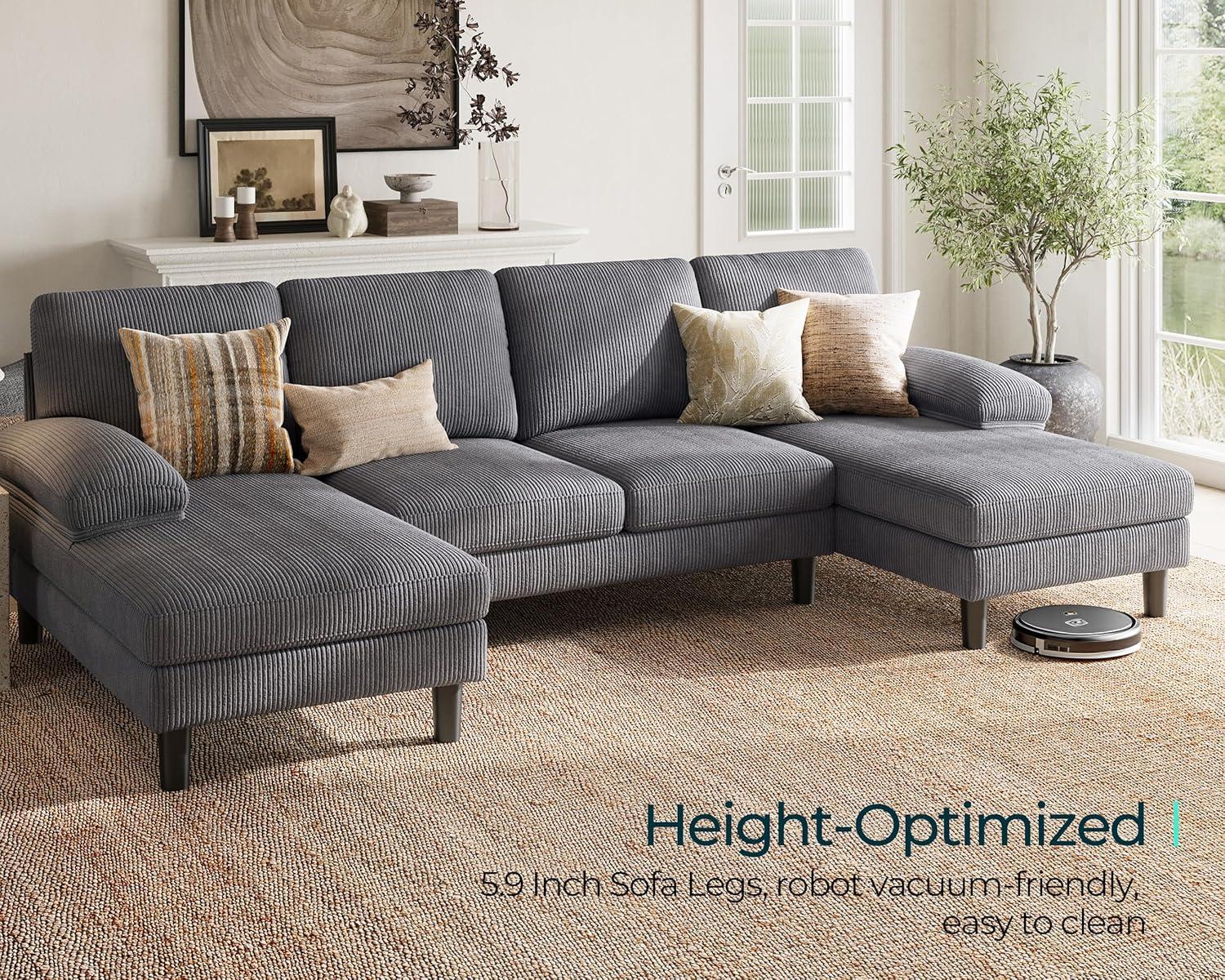
Thinking in terms of floor footprint rather than only linear width clarifies what a 111-inch span does in a room. The U-shaped layout with double chaises places seating mass not just along a single plane but out toward both sides, so sightlines and walking lanes change as soon as cushions settle and occupants shift. When the cushions are used, seams and corduroy ribs soften and the outer edges can push slightly farther into the room than an initial taped measurement suggests; in practice the front edge of a chaise can feel a little closer to coffee tables or doorways after cushions are sat on and smoothed down a few times.
Measuring for delivery and daily movement often means checking several specific points: the continuous wall-to-wall span where the back will sit, the clear path from entrance to final placement, and the depth projection of each chaise when occupied. Doorways and stairwell turns commonly reveal the most friction—frames, baseboards and handrails can catch on corners, and the sectional sections tend to be nudged, shifted and re-aligned during assembly, leaving small abrasions or fabric tucks that are more visible on the outer chaise edges. The table below lists practical measurement targets frequently enough noticed while handling and placing a piece of this configuration.
| measurement point | What is typically observed |
|---|---|
| overall width along wall | Static tape shows the 111″ span, but fabric and cushion settling can reduce usable clearance slightly |
| Chaise projection | Each chaise pushes into the room; occupied cushions can add a small amount of forward reach |
| Path to placement | door frames and narrow turns may require angling and brief readjustment of seams and legs |
View full specifications and size options
How this sectional aligns with your space and what constraints you might encounter
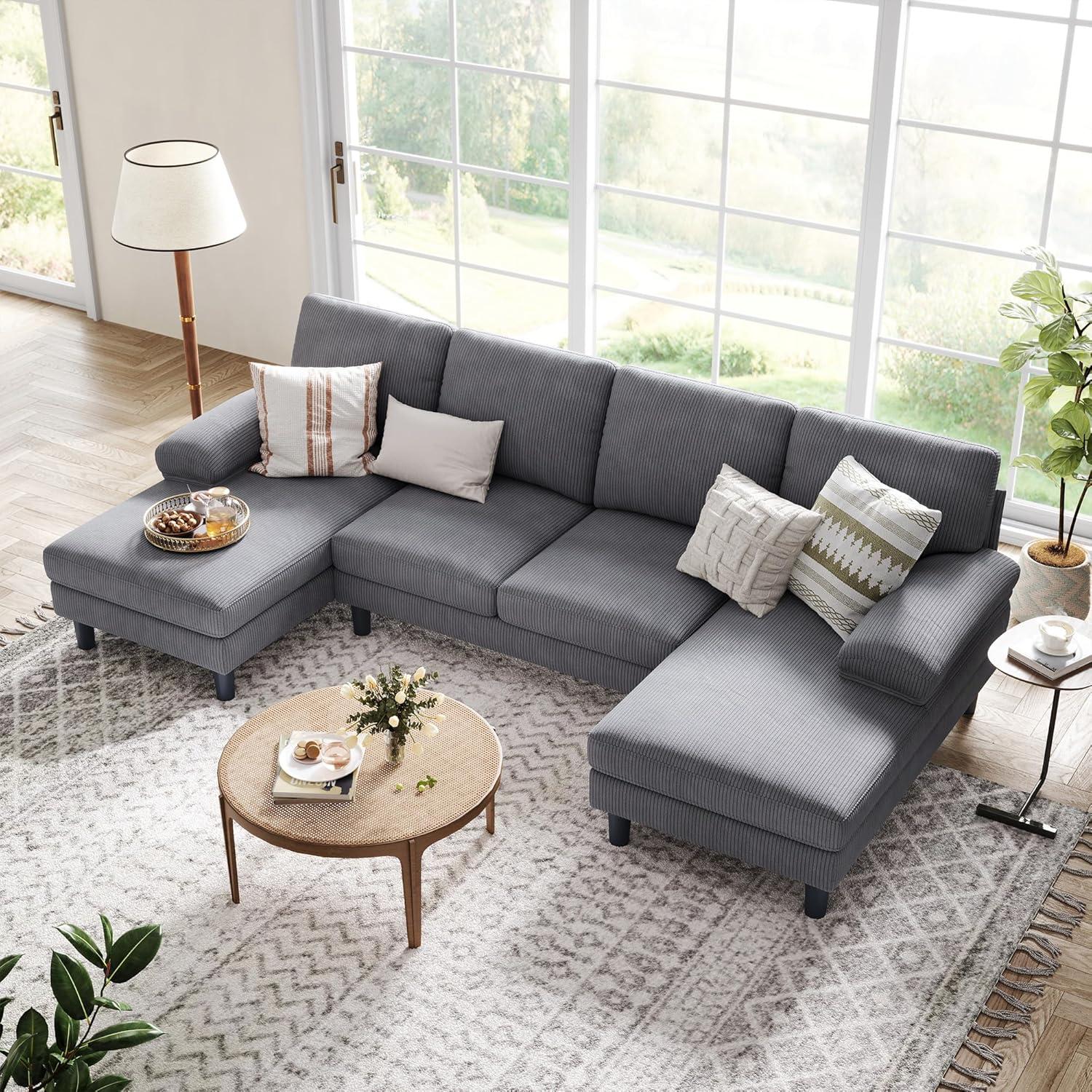
The sectional’s U-shaped footprint tends to create an immediate focal zone: seating wraps around a central area and often defines circulation paths rather than following them. In rooms where sightlines and entryways meet, the back and bulk of the piece become part of the view on approach, and the low, deep seats read as a continuous plane rather than separated chairs. Fabric naps get smoothed in places where people slide in,and cushions are frequently nudged back into place after use,so the sectional’s presence shifts subtly with everyday habits.
Practical constraints show up in everyday use. The extended chaise elements change how people move past the sofa and can make a once-wide walkway feel narrower; in many setups the sectional functions as a room divider, which alters light and traffic patterns. Bringing pieces through narrow hallways, stairwells, or elevators often involves maneuvering and occasional short-term disassembly, and the orientation that works when first placed can feel less flexible after cushions settle and seams shift with repeated use. Likewise, proximity to windows or heat sources tends to make the corduroy nap vary across exposed surfaces over time.
| Space characteristic | Observed behavior or constraint |
|---|---|
| Open-plan living | Anchors a seating zone; backs and mass alter sightlines and traffic flow |
| Cornered placement | Fits snugly but limits alternative furniture layouts and walkways |
| Narrow entries / stair access | Frequently enough requires careful maneuvering and handling during delivery and setup |
View full specifications and options
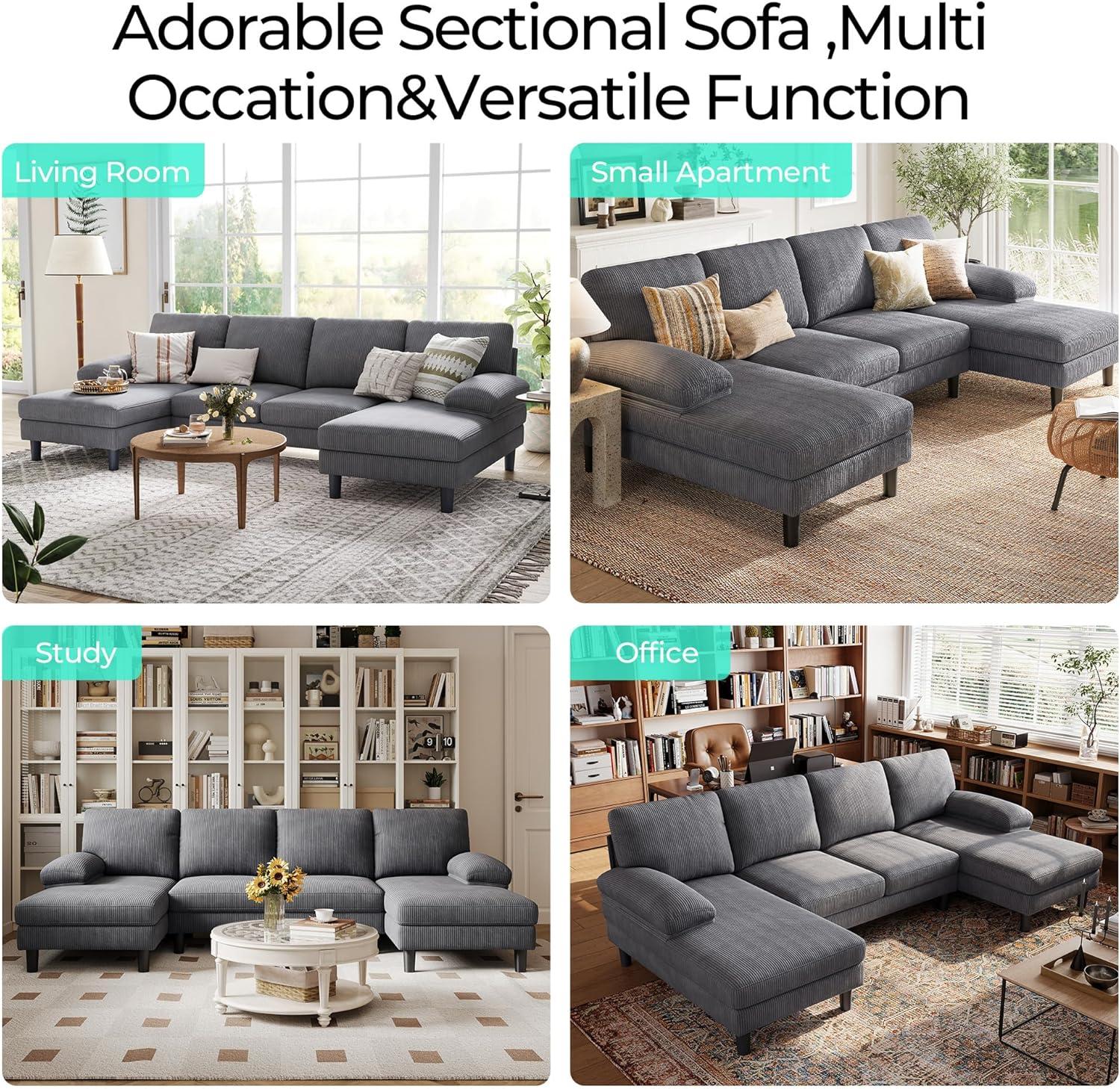
A Note on Everyday Presence
Over time you notice the LINSY HOME Sectional Couch, 111” W Corduroy U Shaped Sofa with Sleepable Armrests, 4 Seat Couch with Double Chaises, Deep Sofa for Living Room, Grey settling into the room’s rhythms: cushions soften where people sit, the corduroy picks up the little traces of everyday life, and the double chaises quietly claim their habitual uses. In daily routines,as the room is used,it slides into the background of mornings and evenings—an easy place for reading,a nap,a laptop,a stack of blankets. Comfort becomes a pattern of moments rather than a single impression,and the surface wears in ways that feel familiar more than unfortunate. It stays, blending into everyday rhythms.
As an Amazon Associate I earn from qualifying purchases.