LostCat 103W Sectional — how it fits your living room

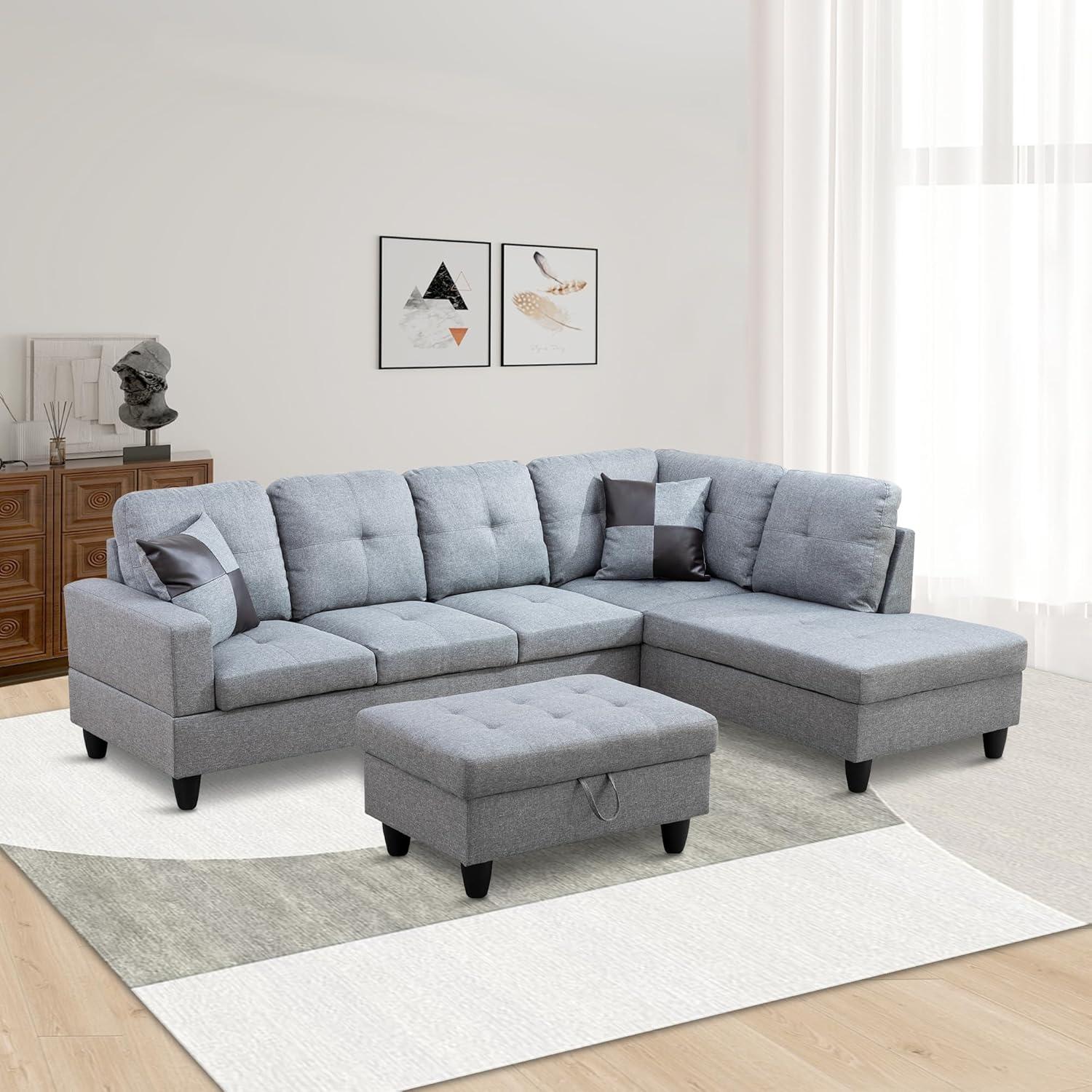
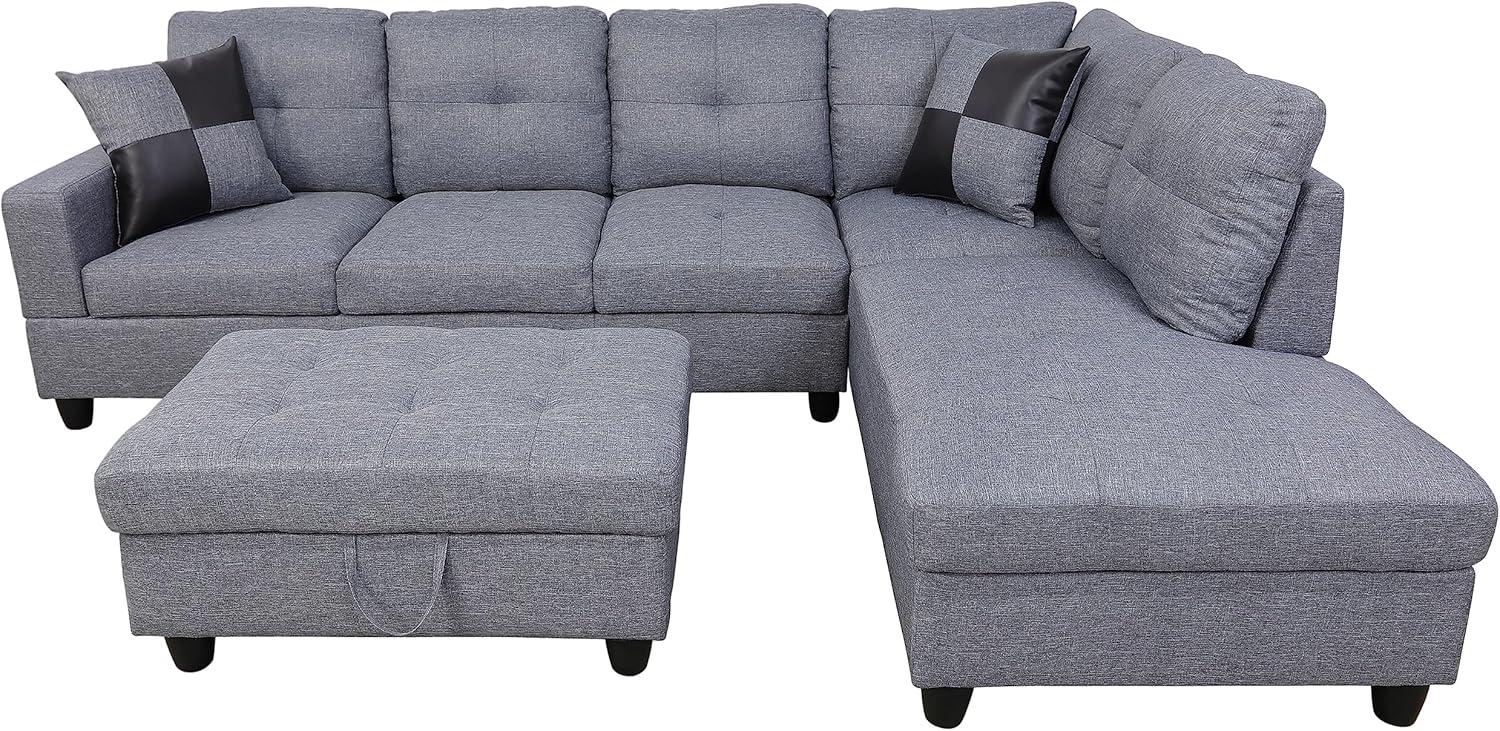
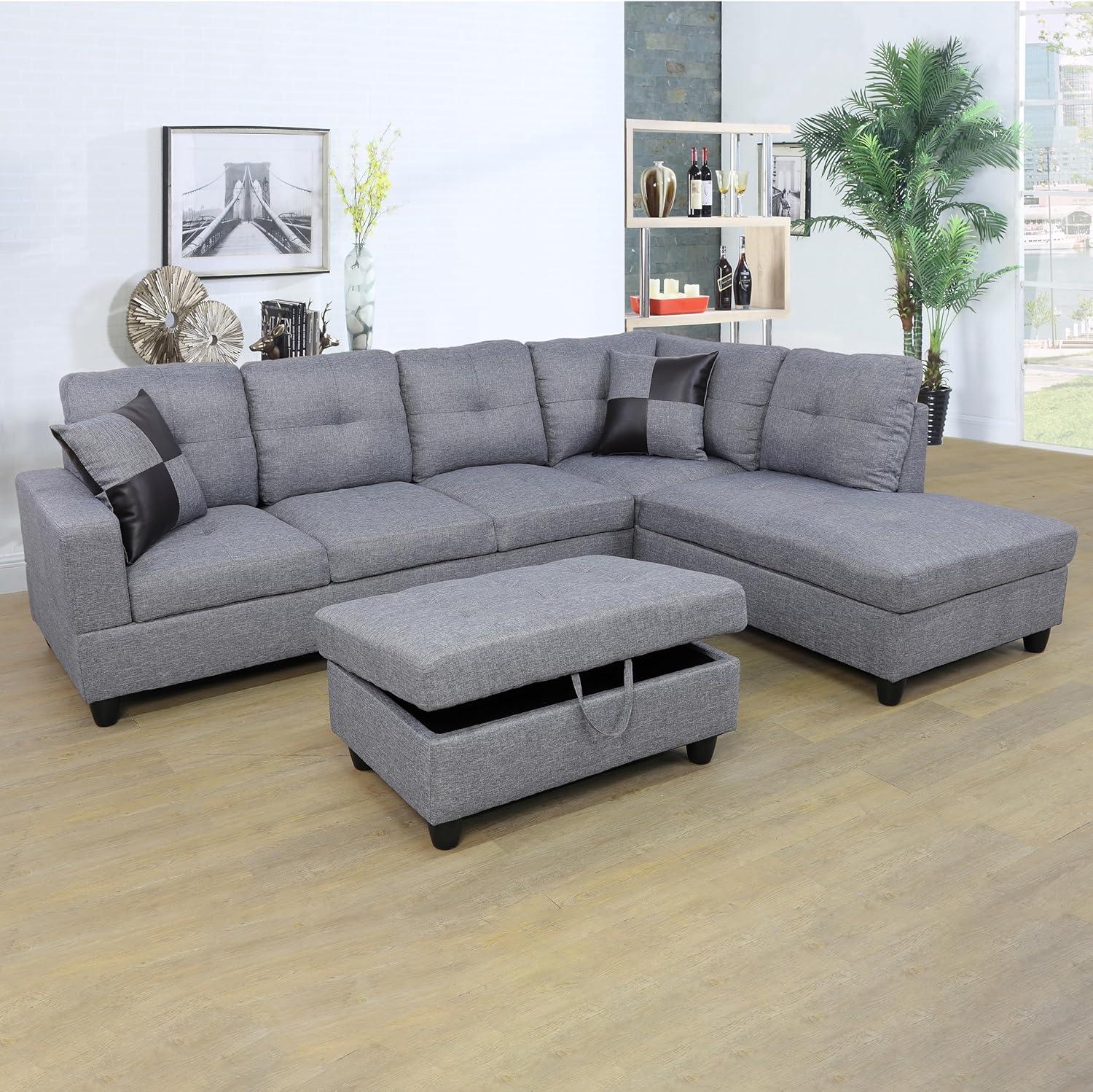
Morning light pools on the grey linen and you notice the fabric’s faint slub, the kind that breathes instead of shining. In your living room the LostCat 103 W Sectional settles with a definite presence — nearly nine feet across, it reads as a piece of furniture rather than a breakup of space. Up close the textile feels slightly coarse under your palm but breathable; press the cushion and there’s an immediate, springy resistance that eases into a softer give. Sections click together without fuss, and the ottoman lifts to reveal a low storage cavity you only find when you tug up the lid. The back leans just enough to invite leaning back, and the two lumbar pillows tuck into the small hollow at your lower spine.
A first look around the LostCat 103 in your living area
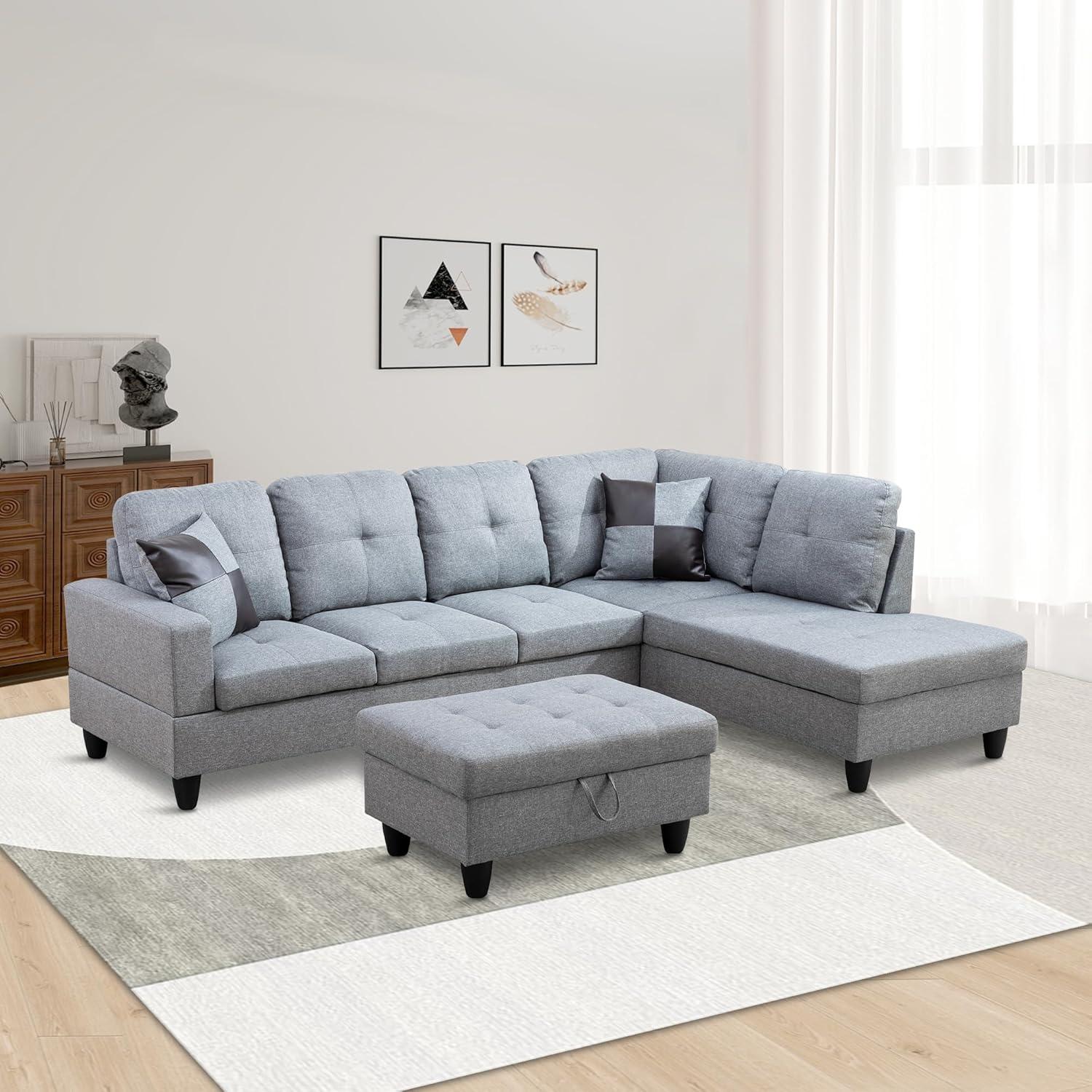
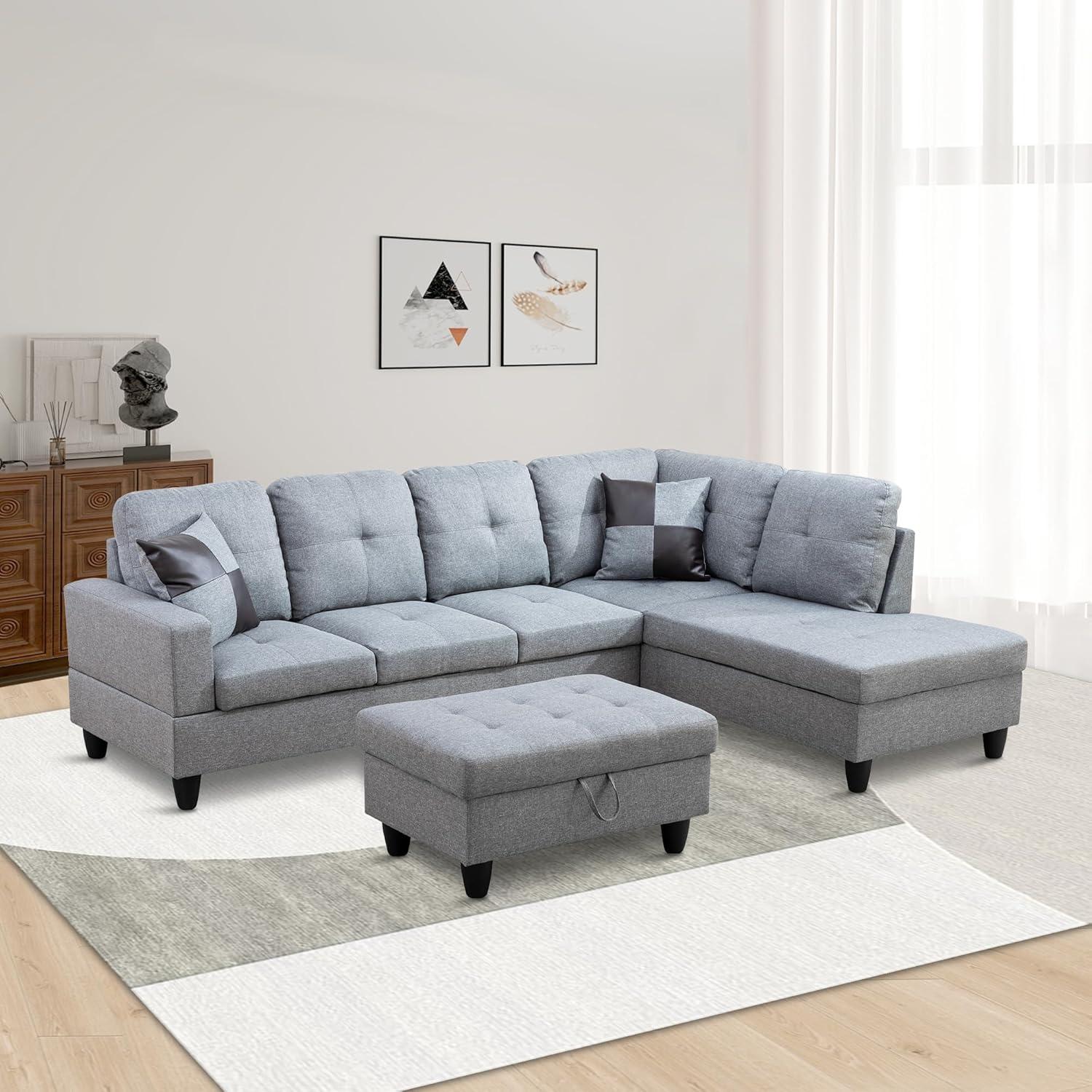
When you first set eyes on the couch in your living area, it reads as a low, anchored presence that rearranges the room’s sightlines. The linen weave catches light in thin streaks; in the morning the grey looks cooler and a touch textured, while under softer lamps it flattens and takes on a muted, even tone. Armrests sit as short blocks at the edges, and the back cushions rise just enough to break the horizontal plane without dominating vertical space. Close up, seams and stitching are visible where you run a hand along the edges, and the fabric shows the small, natural creases that come from settling into place.
As you sit, the seats give with a measured softness and the backrest leans at an angle that makes you ease back rather than upright.you’ll find yourself smoothing the cushions after moving or nudging the pillows into place; the cushions tend to shift a little when someone stands up, leaving slight indentations that relax back over time. The ottoman slides into different positions with modest effort and opens with a soft resistance to reveal storage; when it’s moved into an L-shape, the joins line up with a faint click and a brief pause while you settle the seams. Over the first few hours of use,fabric nap and cushion edges develop small,lived-in marks that map how the space gets used.
| Moment | What you notice |
|---|---|
| At first glance | Textured grey surface, visible seams, low profile that defines the room’s center |
| After sitting | Cushions soften, backrest angle becomes more apparent, pillows shift and require occasional smoothing |
| After moving pieces | ottoman relocates with light effort, connectors click into place, fabric creases where pieces meet |
Pulling the modules from the box and placing them in your room
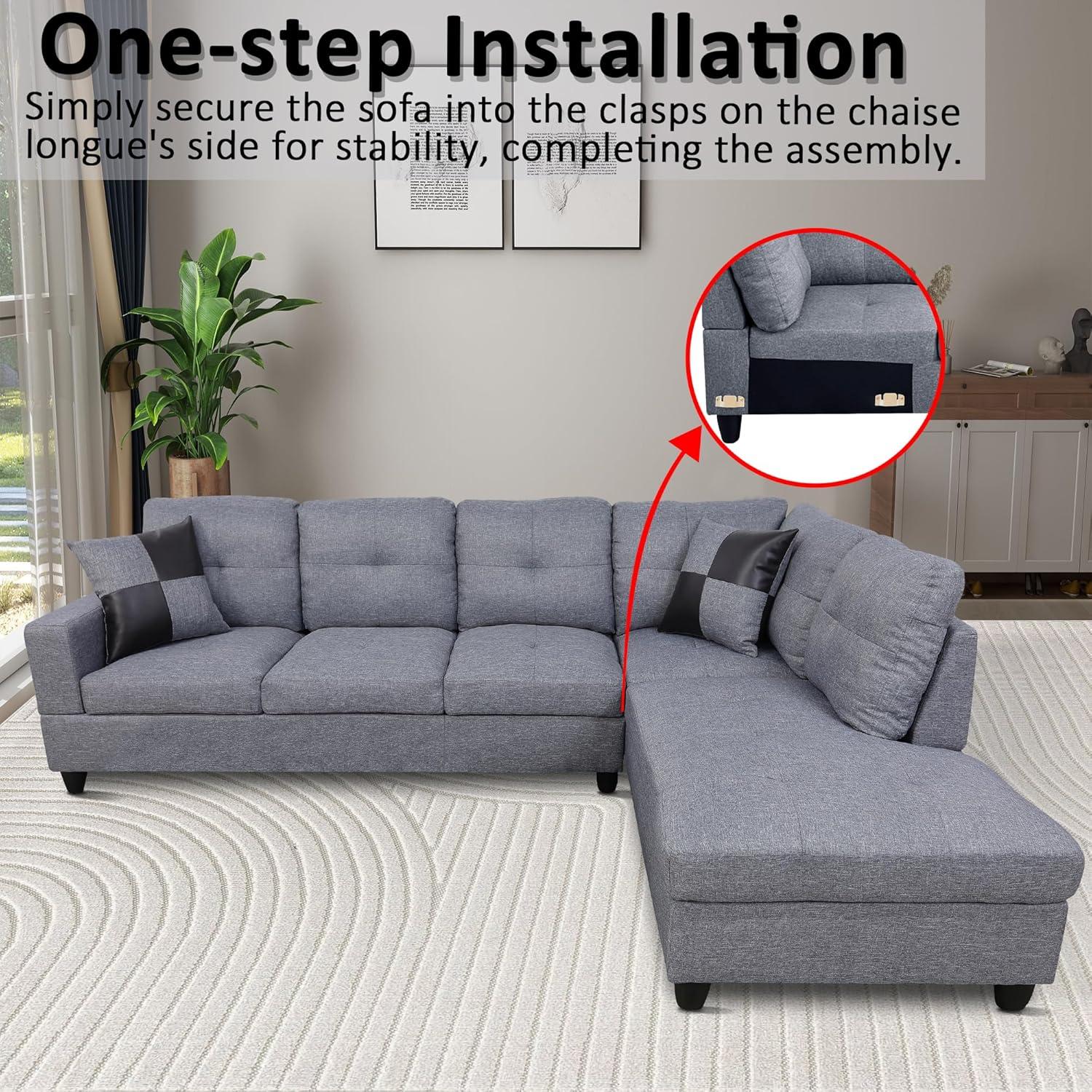
When you open the boxes, the first impression is of volume more than detail: wrapped modules that take up more floor space than you expect. The protective film peels away with a faint rasp, and the linen has that slightly compressed feel where it’s folded.You tend to slide a hand along the base, find the lowest footing, and lift from there; the pieces move with a stubborn, almost slow inertia as you pivot them through doorways or past coffee tables.Smaller items—pillows, connector hardware, and a handful of plastic caps—usually sit in a separate bag inside one of the cartons.
Setting each module down, you notice how the fabric settles differently depending on orientation. Creases slump into softer folds after a few minutes; seams can pop slightly taut and then relax as you nudge a cushion or smooth the upholstery with the heel of your hand. Placing the ottoman near the chaise changes the room’s walking lines right away, and you frequently enough find yourself stepping back, shifting a module a few inches, then returning to adjust a cushion or straighten a seam. There’s a habitual rhythm to it—lift, place, step back, nudge, smooth—that repeats until the pieces sit where you can move around them comfortably.
Typical box contents as you unpack:
| Box | Contents (observed) |
|---|---|
| Box A | Primary sofa module |
| Box B | Chaise module |
| Box C | Ottoman, two pillows, connector hardware |
As you arrange the modules, small practical habits surface: knees catch at low corners, toes brush plastic feet, and you instinctively pat cushions into place. The room changes as each piece arrives—visual balance shifts, a corner becomes usable seating, the ottoman temporarily serves as a test coffee table. Over the next hours the fabric and cushions continue to settle; smoothing and slight reseating are normal parts of placing the modules in your room.
Linen, frame and seams: what you see and feel up close
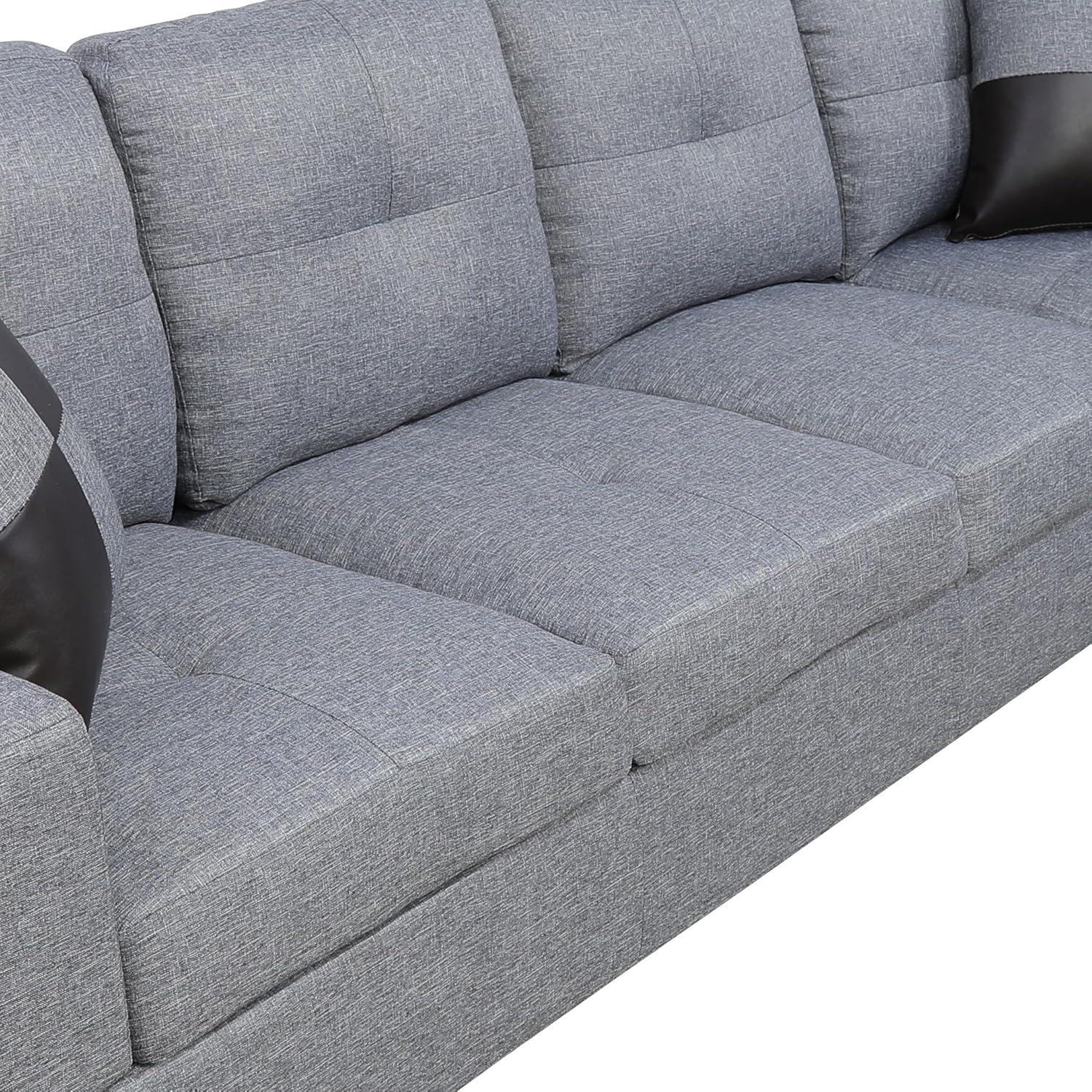
Get close and your first impression is of the fabric’s surface: a slightly textured, matte weave that feels cool under your palm and gives a faint whisper when you rub it. When you smooth the cushions after sitting, the linen shows soft creases that settle rather than springing back immediately; those little folds trace the routes your hands take as you flatten the seat. Tilt the light and you can see the weave pattern up close—irregular,with tiny slubs that catch dust and fine fibers differently depending on the color,so your eye follows the grain of the cloth more than a flat plane.
Under the cloth, the frame announces itself in subtle ways. Press the arm or lean your weight back and there’s a defined resistance at the edges where hardwood meets upholstery; it feels firm rather than hollow. When you lift a cushion to check beneath, connectors and the base structure are tucked away but perceptible through the fabric as low-profile ridges. As you shift on the chaise or slide the ottoman, the frame’s steadiness translates into small, controlled movements rather than a soft, sagging give.
The seams are where the construction becomes most obvious to touch. You’ll find topstitching that follows panel joins—mostly straight but with occasional puckering where panels meet at corners.Running your fingers along an armrest reveals the seam’s tension: some stretches lay flat, others form a narrow ridge when the cushion is compressed. Zippers and fastenings sit discreetly; you can feel them as tiny interruptions in the textile line when you smooth the cover, and you may find yourself nudging a seam back into place as cushions settle. These tactile clues—weave, frame resistance, seam ridges—are the small motions and adjustments you make without thinking when you live with the sofa.
| Where you touch | What you notice | How it reads in use |
|---|---|---|
| Seat surface | cool, textured weave; subtle creasing | Fabric conforms slowly; visible hand-paths after smoothing |
| Arm edges | Firm pushback; defined edge | Frame support felt immediately when leaning |
| Seam lines | Raised stitching; occasional puckering at joins | Seams shift slightly as cushions are used and adjusted |
Sitting down and stretching out: how the cushions, back and arms respond when you use them
When you lower yourself onto the seats the front layer of the cushion gives first—there’s an initial,even sink that compresses under your thighs while the springs and inner layers push back more slowly. Your body doesn’t stop the fabric from wrinkling; you may find yourself smoothing a fold along the seam or nudging a cushion into place. The backrest meets you at a slightly reclined angle, so your shoulders settle into the upper pad while the lumbar pillow fills the small space behind your lower back. As weight shifts, the back cushion compresses and then resurfaces with a gentle rebound rather than snapping back immediately; that rebound is more noticeable when you sit upright and less so when you’re already leaning back.
Stretching out lengthens the contact area and changes how the pieces interact. When you extend a leg onto the chaise or ottoman, the seat cushion under your pelvis compresses a bit more, and the portion beneath your knees can feel firmer by comparison — the pressure moves along the cushion rather than disappearing. The armrests respond differently depending on how you use them: leaning your elbow causes a shallow give across the top, while draping an arm over the side produces a broader flattening. Over several minutes of lounging the cushions show a mild, even settling; you may adjust the throw pillows or shift position once or twice as seams and edges align with your posture.
| Position | Cushion Response | Back & Arm reaction |
|---|---|---|
| Sitting upright | Immediate, even sink with noticeable rebound | Back supports the shoulder line; arms give a shallow, stable pad |
| Leaning back | Deeper compression in the back cushion; slower rebound | Shoulder and upper back nestle into the tilt; lumbar pillow fills lower spine |
| Stretching out/chaise use | Weight spreads along seat; mid-seat compresses slightly more | arms flatten more when draped; foot support feels firmer by comparison |
How the LostCat 103 measures up to your expectations and everyday constraints
In everyday use, the set tends to behave like a collection of deliberately mobile pieces rather than a single, fixed sofa. Sections slide into place with a noticeable click but sometimes need a nudge after a row of people has shifted or the cushions have been rearranged. Cushions compress where people habitually sit and then slowly spring back; for some households that spring-back is immediate, while in others it can take a day of normal use to look evenly plumped again. The fabric shows soft creasing along seams and where legs rest,and smoothing the covers is a small,recurring habit rather than a one-time fix.
Practical interactions—getting into storage, shifting the ottoman, or moving a chaise to open floor space—unfold as short, repeatable tasks. The ottoman’s storage space is accessible but works best when the top is lifted with both hands and the contents are arranged so the lid seats cleanly. Gaps between modules can open up during lively use and tend to be corrected by sliding the pieces back together; those small adjustments are part of the daily rhythm. delivery and setup often feel staggered as boxes arrive separately, so the living area can remain partially assembled for a short period before everything is settled.
| Common expectation | Day-to-day observation |
|---|---|
| Easy rearrangement of modules | Connectors click into place but sometimes require realignment after heavy use |
| immediate cushion recovery | Cushions usually rebound,though compression patterns can linger for days in high-traffic spots |
| Neat appearance with minimal effort | Light creasing appears where people rest; smoothing becomes a habitual touch-up |
| Speedy access to ottoman storage | Storage opens easily but is most convenient when items are arranged for quick lifting |
View full specifications and available size and color options
Rearranging, cleaning and making the layout fit your routines
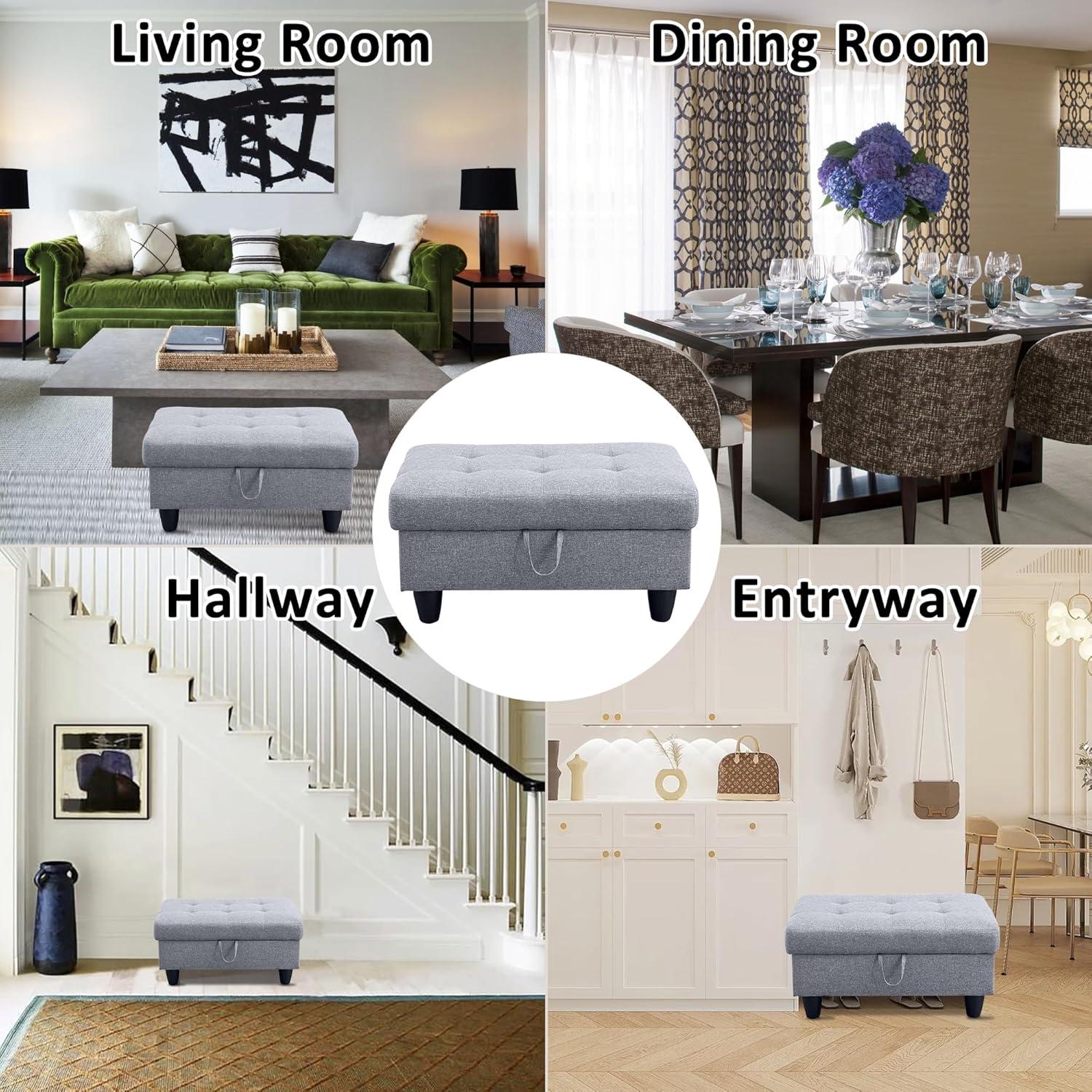
When you shift the modules around,the set behaves like a collection of individual pieces rather than a single block. Sliding the ottoman into place feels immediate — the connectors usually click and hold, and the seams realign under light pressure — but cushions settle and edges can drift after a few sits, so smoothing and a quick nudge become part of the routine. On carpet the pieces tend to tuck in; on hardwood they slide more readily, and small shifts along the joins are noticeable during the first day after rearranging.
Daily interactions leave visible traces: seat cushions compress where people habitually sit, back pillows tilt slightly forward, and the linen surface picks up lint and stray hairs that show more in certain light. Running a brush or vacuum over the broad faces lifts most surface debris, while crumbs and dust gather at the base where cushions meet. Spot cleaning is a repeated action for some households — liquid can bead briefly on the surface before soaking into seams, and textured areas around stitching retain small particles that need a few passes to clear. Over time the foam rebound softens in high-use areas, and the visual effect of that wear can require periodic rearranging of the cushions to even out impressions.
| Common task | Typical cadence | Observed result |
|---|---|---|
| Straightening cushions | Daily–weekly | Restores seam alignment; hides minor creasing |
| Vacuuming/upholstery brushing | Weekly | Removes surface lint; hair collects at joins |
| Repositioning modules | as needed | Layout adapts quickly; connectors usually reseat with a click |
users often find that the modularity delivers usable versatility but also invites small, ongoing adjustments as cushions compress and connections shift in everyday life.
View full specifications and available options on Amazon
How It Lives in the Space
After a few weeks the LostCat 103 W Sectional settles into its spots and you start to register the small routines that form around it. It nudges how the room is used — a corner for morning coffee, the middle for sprawled pages, a side where blankets end up folded or piled — and the linen takes on the soft lines of those motions. The cushions loosen slightly where your weight meets them most often and the surface shows the quiet marks of daily use, not in a single moment but in the slow give of lived-in fabric. In regular household rhythms it stays.
As an Amazon Associate I earn from qualifying purchases.