Modernes 4-Piece Dark Grey Sectional — Fits Your Apartment

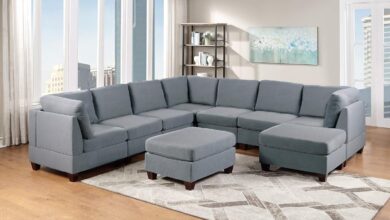
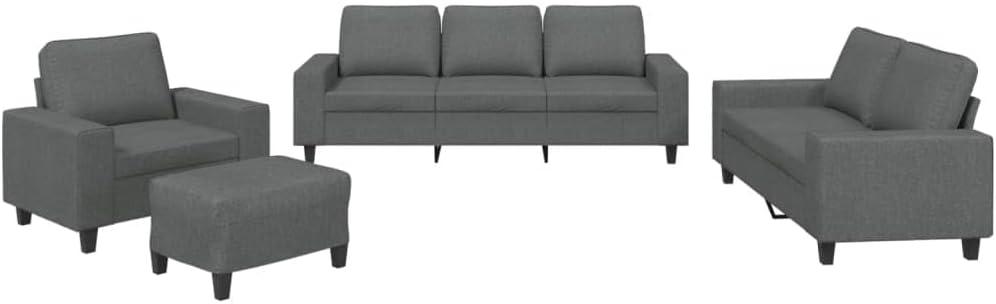
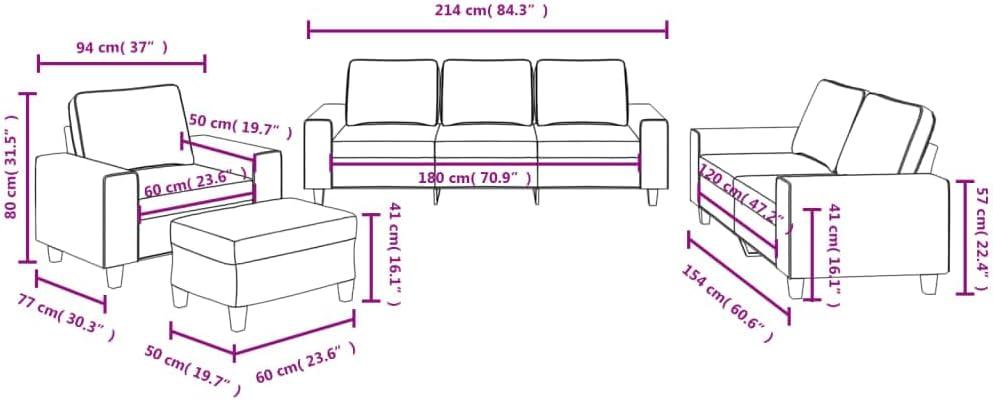
You notice the Modernes 4-Piece Dark gray Sectional Sofa Set the moment you walk into the room: a low, rectilinear grouping that stretches roughly 84.3 inches long with a 30.3-inch footprint. The matte dark-grey polyester reads muted in daylight and feels cool to the touch; up close the weave is tight and the cushion covers zip off cleanly. A plywood core paired with metal framing and textilene straps gives each module a planted, stable look, while 6.3-inch legs lift the base enough to reveal the floor underneath. Seat depth measures about 19.7 inches, creating a decidedly deep sitting plane, and the four pieces stack together into a cohesive sectional arrangement that reads more practical than flashy on first glance.
A first look at your four piece dark grey sectional sofa set
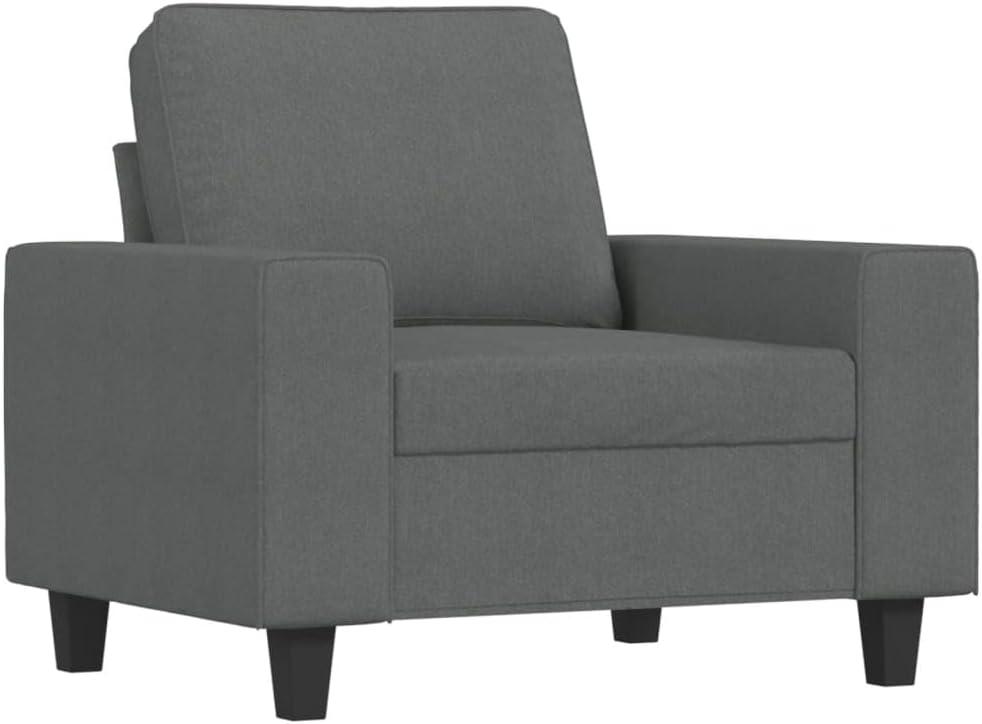
When you first unpack the pieces, the set reads instantly as a coordinated grouping rather than four unrelated items. The low,linear silhouette and matte dark-grey tone create a subdued backdrop that draws attention to the clean seams and the boxy cushion shapes; from a few feet away the cushions look neatly tailored and the cushion covers show discreet zippers along thier seams. You’ll notice details at a glance:
- tone: a deep, even grey that sits more matte than reflective
- Profile: straight arms and a horizontal backline that keep sightlines low
- Finish cues: tight stitching and visible cushion joins that emphasize geometry
- Footstool relation: same height and fabric, so it reads as part of the composition
These immediate impressions help you place the set visually in a room before you start thinking about rearrangement or cleaning.
From where you stand,the pieces suggest several simple configurations: pushed together into a corner,staggered to create a conversation area,or spread out as separate seating. The overall look tends to stay cohesive because each piece mirrors the others in scale and detailing; backs are low enough that thay won’t dominate a view across the room, while the armchair shapes provide a slight counterpoint to the longer sofas. A quick reference below maps each element to its visual role in an average living space:
| Component | Visual role / placement |
|---|---|
| 3-seater | Anchors the main seating bank |
| 2-seater | Extends the group or forms a facing bank |
| Armchair | Acts as an accent or flexible single seat |
| Footstool | Completes the composition or doubles as a small surface |
The design language and visual details you will spot
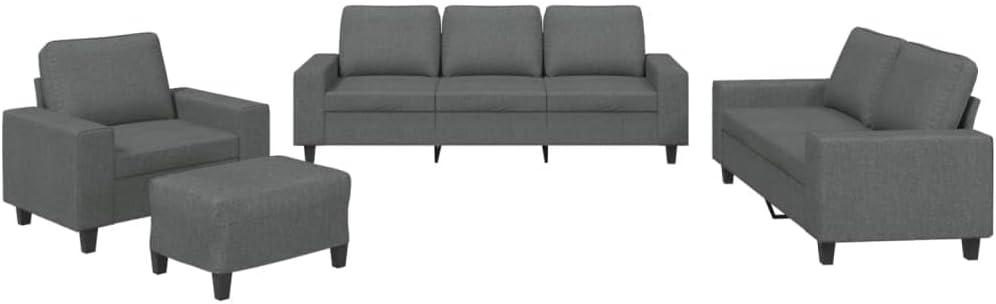
The set speaks a restrained, modern language: clean, rectangular volumes interrupted by subtle seams and cushion joins. As you look closer, the overall silhouette reads as low and horizontal, with armrests and back forming crisp planes rather than rounded curves.Small details establish rhythm across the pieces — stitch lines that trace the cushion edges,discreet zipper tracks recessed into seams,and the matching footstool that repeats the same proportions on a smaller scale. You’ll notice how the pieces can sit tightly together for a continuous sectional look or be left slightly apart so those straight lines form visible gutters that break up the composition.
visually, finishes and accents do a lot of the work. The fabric’s matte surface softens reflections, so the dark tone appears deep rather than glossy, while a fine weave gives the upholstery a textural grain that becomes more apparent at close range. Legs are short and intentionally unobtrusive, creating a small cleared space beneath the frame and a subtle contrast against the upholstered mass. Below is a short guide to the most noticeable visual cues you’ll see on inspection:
- Silhouette: low, linear profile with squared arm and back planes
- Seams & edges: defined stitch lines and hidden zipper paths that outline cushions
- Finish: matte fabric surface that mutes shine and emphasizes texture
- Proportion: repeated rectangular modules that keep the look cohesive
| Element | Visual clue |
|---|---|
| Upholstery finish | Subdued sheen, appears deeper under warm light |
| Cushion detailing | Zippers tucked into seams; neat topstitching around edges |
| Legs | Short, contrasting tone that slightly lifts the frame |
Materials and construction features you can inspect
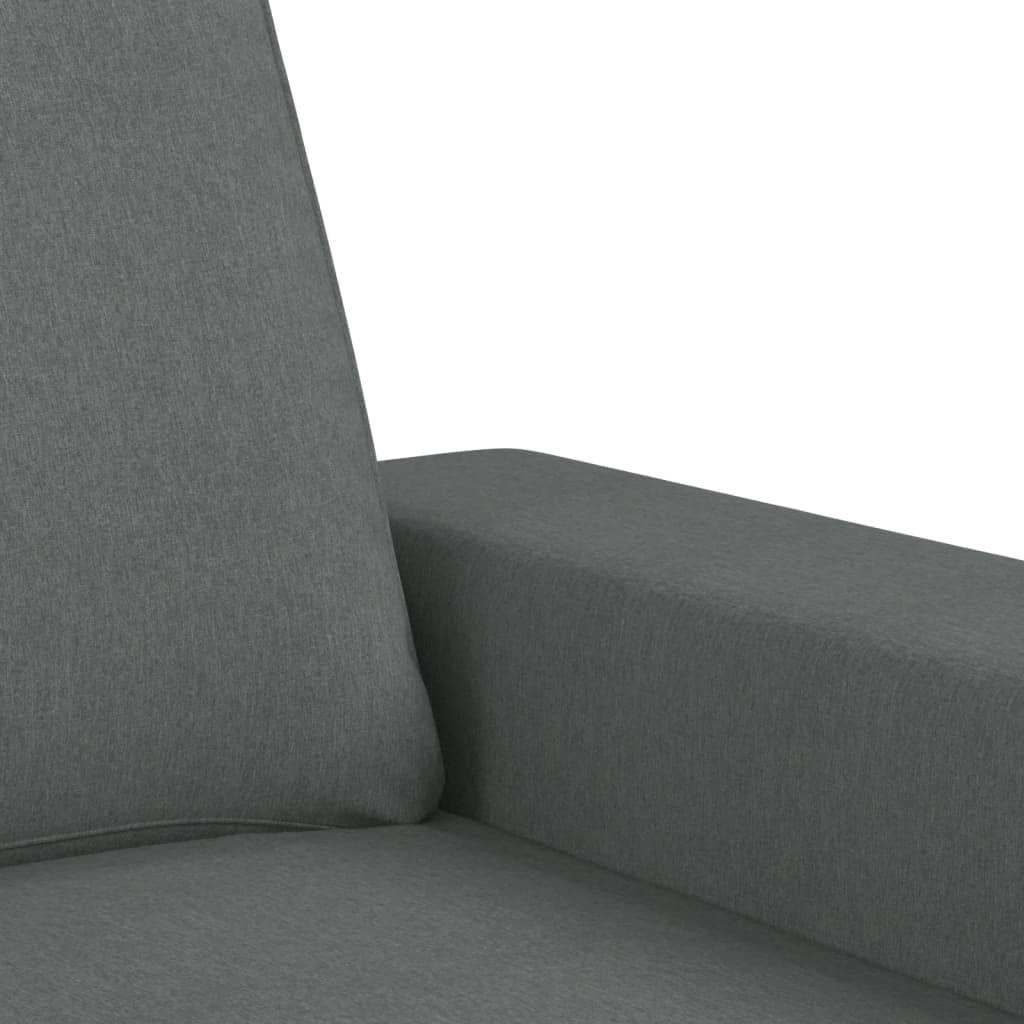
When you examine the upholstery and visible finishes, start with the fabric surface and stitching.The cover material is a tightly woven 100% polyester with a matte appearance; you can look for even color and a consistent nap across panels, and feel the weave for its smooth, slightly cool-to-the-touch behaviour. Check seams and hems where cushions meet the frame—stitch spacing, reinforced corners, and any visible piping reveal how the cover is assembled.Zippered cushion covers are a notable construction detail: inspect the zipper tape and sliders for secure attachment and alignment, and observe whether the zipper sits flush or pulls slightly into the seam. The cushion envelopes themselves are usually concealed, so look for access points and the way the covers reattach; visible baffles or internal ties tend to indicate measures taken to keep fill material stable over time.
Flip or glance under pieces and at exposed joins to see the skeleton that gives the set its shape. The visible combination of plywood panels and metal brackets at connection points, plus textilene or webbed straps beneath the seat platform, are tangible clues about load distribution and long-term stability. Look at leg attachments for bolt or bracket systems and note any plastic glides or threaded feet; the six-inch clearance under the frame is created by these mountings and the leg fastenings will show whether parts are pre-drilled or require manual alignment. Use the checklist below while inspecting, and the table that follows summarizes where those materials typically appear on each component.
- Fabric & seams: weave consistency, zipper operation, seam reinforcement
- Cushion covers: access points, internal baffles, reattachment method
- Frame & supports: plywood faces, metal brackets, webbing tension
- Legs & fasteners: bolt types, welds, glides or pads
| Component | Materials to inspect | Visible signs to look for |
|---|---|---|
| Upholstery panels | 100% polyester fabric, matte finish | Even color, smooth nap, consistent stitch lines |
| Cushion covers | Zippers, seam tape, inner baffles | Functional sliders, cleanly sewn openings, stable fill placement |
| Seat platform | Plywood core, metal frame, textilene straps | Secure brackets, taut webbing, visible screw or bolt patterns |
| Legs & base | Metal/wood legs, threaded mounts, glides | Firm attachment points, aligned leg mounts, protective pads |
Comfort and seating characteristics you will experience
When you sink into this set, the first thing you’ll notice is the balance between surface firmness and a measured give beneath you. The seat cushions present a noticeable resistance at the edge that supports an upright posture but also allow enough compression for a relaxed, semi-reclined position; for some prolonged sessions the seating feel can shift from springy to gently compressed. The back cushions are shaped to hold the lower spine without forcing a rigid angle, and the footstool extends the lounging position so your legs can rest level with the seat rather than dangling. Typical seating sensations:
- Initial give: a visible,measured sink that settles within seconds
- Support profile: back support that keeps a looser lumbar contact rather than a hard brace
- Edge feel: defined seat edge that helps when shifting from sitting to standing
- Footstool interaction: raises leg position without altering seat compression much
Below is a simple snapshot of how the different pieces typically feel in everyday use—phrased as observational notes rather than ratings—to help you picture seating interactions over a session or two:
| Seat element | How it feels | Practical note |
|---|---|---|
| Three-seater | Even compression across the span with room to shift positions | Center can feel slightly softer after long use |
| Two-seater | slightly firmer lateral support for shared seating | useful when two people sit close without crowding |
| Armchair & footstool | Concentrated comfort for one with easy leg elevation | Footstool changes posture more than seat softness |
The cushion covers are designed to be removable,which affects daily comfort indirectly by making it straightforward to keep surfaces clean and ventilated—an aspect that tends to preserve the original feel over time. If you want to check current availability,this link is provided: check current availability
Dimensions and modular fit in your living area
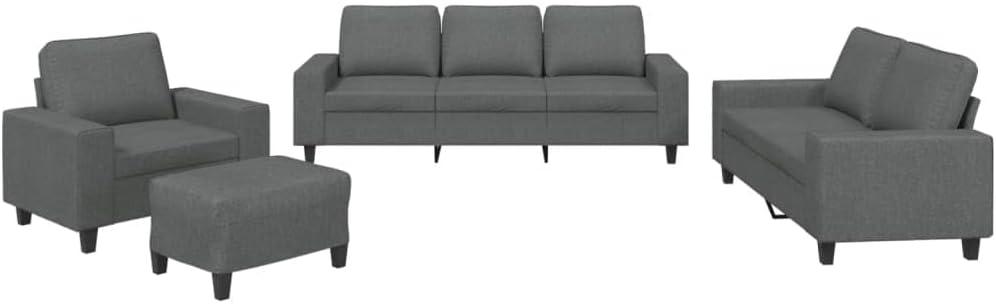
The set’s overall footprint measures roughly 84.3″ long × 30.3″ deep × 31.5″ high,with a seat depth of about 19.7″ and legs that raise the base approximately 6.3″ off the floor. Presented as separate modules — a three-seater, two-seater, single armchair and footstool — the pieces can either sit together to form a contiguous layout or be spread into distinct seating zones. The following table summarizes the key dimensional points you’ll want visible when planning placement in your room.
| Dimension | Measurement |
|---|---|
| Overall footprint (L × D × H) | 84.3″ × 30.3″ × 31.5″ |
| Seat depth | 19.7″ |
| Leg clearance | 6.3″ |
| Number of modules | 4 pieces (3-seat, 2-seat, armchair, footstool) |
As the set arrives as separate pieces, you can reconfigure the footprint to suit corners, open-plan living areas or shorter walls; the modules also make it easier to navigate narrow doorways and stairwells compared with a single large sofa. When picturing placement, think about traffic paths and visual balance: keep a clear passage of at least the width of the footstool where people will walk, and allow room at the back for slight clearance if you plan to tuck the longer unit against a wall. A few practical points to note:
- Measure door and hallway widths to ensure each module can be carried in without tight turns.
- account for pathway clearance — leave space for movement between seating and other furniture.
- Plan for rearrangement if you intend to switch from an L-shape to separate seating islands.
If you want to check current availability or delivery options, you can follow this link: See availability and options
Practical usability and upkeep for daily apartment life
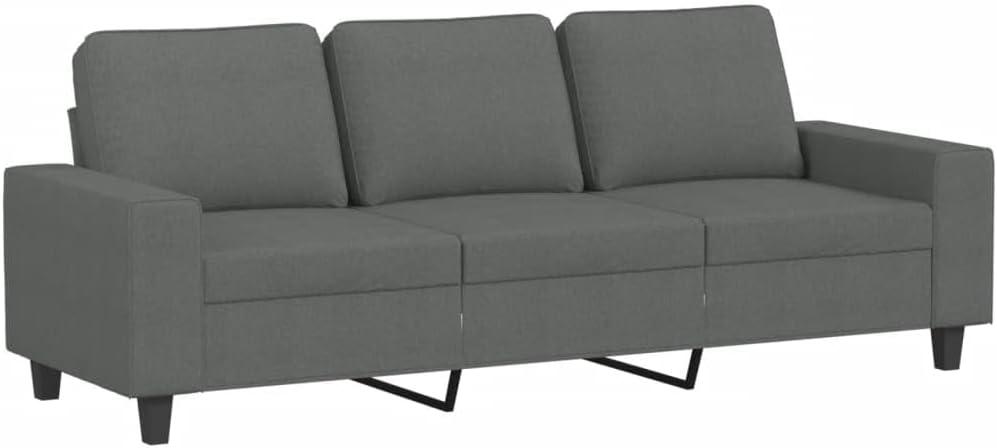
In day-to-day apartment life the set’s modular pieces tend to make living-room choreography straightforward: the footstool doubles as an extra seat or a temporary coffee-table surface, the single armchair can be slid into a hallway nook or pulled beside a media console, and the separate pieces can be nudged into new configurations without needing a full reassembly. Because the seating has raised legs, a robot vacuum can usually glide underneath and debris is less likely to collect out of sight; the matte finish also shows scuffs differently than glossy textiles, which affects how often surfaces are wiped. for quick incidents and routine freshness, a few practical features stand out:
- Detachable cushion covers: zippers permit removal for washing, which streamlines dealing with spills or seasonal laundering.
- Accessible underframe: clearance beneath the seats makes vacuuming and sweeping simpler in most layouts.
- Rearrangeable pieces: separate components let you adapt the footprint for guests or small-space living without heavy lifting.
| Routine task | typical cadence | How it’s usually done |
|---|---|---|
| Surface cleaning | As needed to weekly | Light wipe with a damp cloth for matte fabric; avoid abrasive cleaners that can alter the finish |
| Vacuuming beneath and between seats | Weekly to biweekly | Use a narrow nozzle or let a robot vacuum pass under the legs |
| Washing removable covers | Monthly or when soiled | Machine wash on a gentle cycle and air-dry to maintain fit and color |
| Fluffing and rotating cushions | weekly to monthly | Redistributes fill and keeps seat surfaces even over time |
| Frame and fastener check | Occasionally (every few months) | Visual inspection for loosening; tightening bolts can be part of normal upkeep |
Who this sectional suits and where it may fall short with expectation versus reality and space considerations
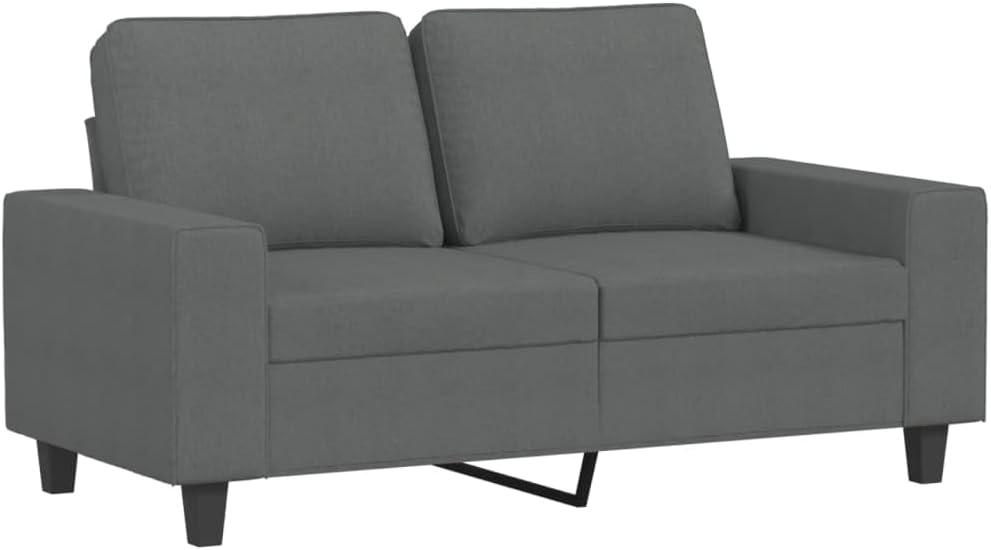
Who it tends to suit — Households looking for flexible, multi-piece seating and a cohesive dark-grey look frequently enough choose this layout as the separate components can be moved to form conversation clusters or a compact sectional footprint.In practice, seating-capacity claims translate into a mix of full seats and casual spots: several people can occupy the set at once, but the number of adults who will sit comfortably for long stretches is typically lower than the headline figure. Expectations about maintenance and fabric performance also show a gap in everyday use: the breathable polyester does tend to feel cool in warm weather and the zippable covers make targeted cleaning straightforward, yet repeated laundering or heavy pet use can change the fabric’s hand and appearance over time. Common scenarios observed in real homes include:
- Flexible living areas — pieces arranged to create a small conversation zone in an apartment.
- Social evenings — the mix of sofas and footstool provides informal seating for casual gatherings, though not every spot equals a full-size chair.
- multi-use rooms — the footstool and armchair are often repurposed as temporary desks or daybeds in guest or work-from-home setups.
Space considerations and expectation versus reality — The set’s modular nature tends to make it feel apartment-pleasant on paper, but actual placement and traffic flow are common constraints. In tighter footprints the arrangement can define a seating area without entirely overtaking the room, while in longer or narrower rooms the pieces sometimes require rearrangement to preserve clear walkways; visual weight from the dark matte finish can also make compact rooms feel denser than lighter upholstery would. The table below summarizes typical room-type fit impressions and the realities that often follow once the pieces are unpacked and arranged:
| Room type | Typical fit impression | Reality note |
|---|---|---|
| Studio / Small apartment | Creates a defined lounge area | Requires careful layout to keep circulation paths open |
| Open-plan living | Can anchor a seating zone | May need pieces separated to maintain flow between zones |
| Guest room / Home office | Provides flexible seating and nap space | some pieces trade off seating for usable floor area |
- Assembly and maneuvering are commonly cited as practical considerations when moving cartons through doorways or up stairs.
- Small visual adjustments (throw pillows, lighter rugs) are often used to offset the set’s darker tone in compact rooms.
See current availability and options
Real life arrangements and styling scenarios you might try

Because the set comes in distinct pieces, you can experiment with several everyday layouts that change how the room feels. A tight L-shaped corner keeps sightlines open and tends to make a compact living area read as intentional rather than crowded. Pull the two larger pieces apart into a face-to-face pairing to create a clear conversation zone; this often works well when you want separate circulation paths to remain unobstructed. Using the armchair off to one side turns it into a small reading alcove, while positioning the footstool between seats converts it into an impromptu coffee surface or a low ottoman — the low profile of the base keeps floor patterns visible and can make the arrangement feel lighter. You can also float the largest piece in the middle of an open plan to divide a larger room without building a visual barrier.
For styling, think in layers: mix a textured rug under the seating cluster, drape a patterned throw over one arm for a lived-in look, and add a mix of cushions in varied fabrics to soften the matte tone. Pairing with a slim side table or a low console behind a sofa changes function more than footprint, and a floor lamp placed near the armchair tends to define that corner as a reading spot. The table below gives a quick, observational rundown of common arrangements and the visual cues they produce.
- L-shaped corner: anchors a room and leaves traffic flow clear.
- Split-facing pieces: emphasizes conversation and sightlines between zones.
- Floating centerpiece: creates a divider in open-plan spaces without blocking light.
- Armchair offset: defines a quiet nook for reading or solo use.
- Footstool in place of table: adds adaptability for seating or a temporary surface.
| Arrangement | Typical room context | Visual note |
|---|---|---|
| L-shaped corner | Small living room corner | Feels anchored and tidy, keeps pathways open |
| Split-facing pieces | Open-plan or shared spaces | Encourages interaction while maintaining separate zones |
| Armchair as accent | Reading nook, entryway, or home office | Adds asymmetry and a focused spot for one-person tasks |
| Footstool as table | Between seating or next to a sofa | Offers a low, movable surface that changes use quickly |
Final thoughts
In everyday use the Modernes 4-Piece Dark Grey Sectional sofa Set reads as a space-defining collection: the 84.3″ footprint and modular pieces shape seating patterns in smaller living rooms and apartments, while the dark grey fabric and straightforward silhouette keep its presence muted. You’ll notice the cushions sit somewhere between soft and firm, providing a mix of sink and support, and the construction details — frame lines, seams, legs — suggest how it might stand up to regular use over time. Taken together,its scale,texture,and build describe how it fits into your daily routines without making any big statements.
View the product listing on Amazon
As an Amazon Associate I earn from qualifying purchases.