Stylish Porch Ceiling Ideas to Transform Your Outdoor Space

Is your porch ceiling merely a blank, white surface that goes unnoticed? You might be overlooking a fantastic chance to infuse charm, vibrancy, and distinctive flair into this prominent outdoor area. Just like any interior space, your porch ceiling deserves thoughtful design — it often forms the initial impression for visitors and significantly enhances your outdoor living environment.
Porch ceilings present a rare canvas to meld style with functionality. They efficiently hide electrical wiring, boost air circulation, and can even help repel insects. Whether you’re constructing a new porch or updating an existing one, the design and finish of the ceiling drastically influence your home’s street appeal and cultivate the atmosphere of your outdoor retreat.
From refreshing traditional southern hues like haint blue to sleek wood plank designs enhanced with creative lighting, let’s dive into inspiring porch ceiling options that blend elegance, resilience, and practicality.
The Significance of a Well-Designed Porch Ceiling
Elevating Exterior Appeal and Visitor Perception
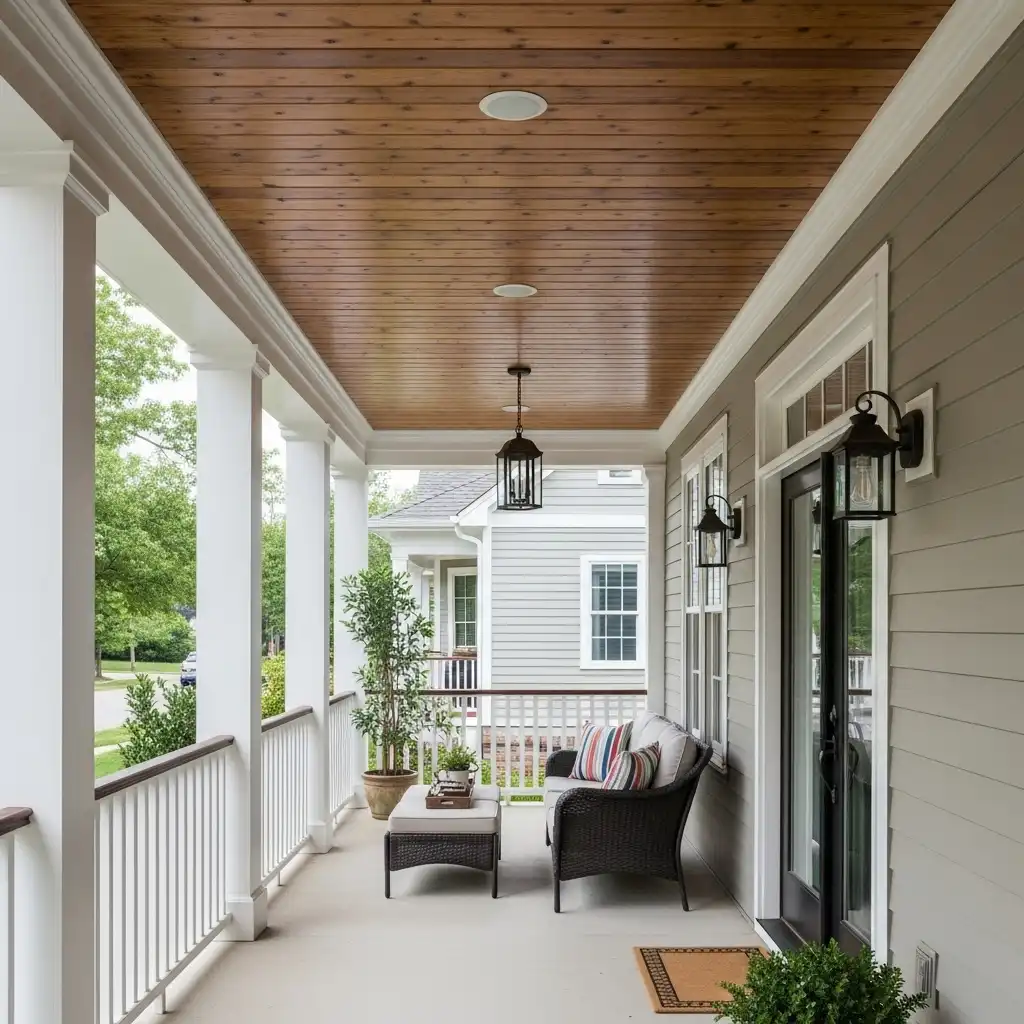
The porch ceiling substantially influences how your home is perceived, visible from the curb and shaping the experience for guests as they arrive. A thoughtfully executed ceiling transforms a simple covered space into a cohesive outdoor room, extending your home’s living area. Whether employing painted beadboard for a cozy vibe or stained wooden planks for rustic elegance, your choice reflects meticulous design that conveys warmth and style.
Functional Advantages That Go Beyond Looks
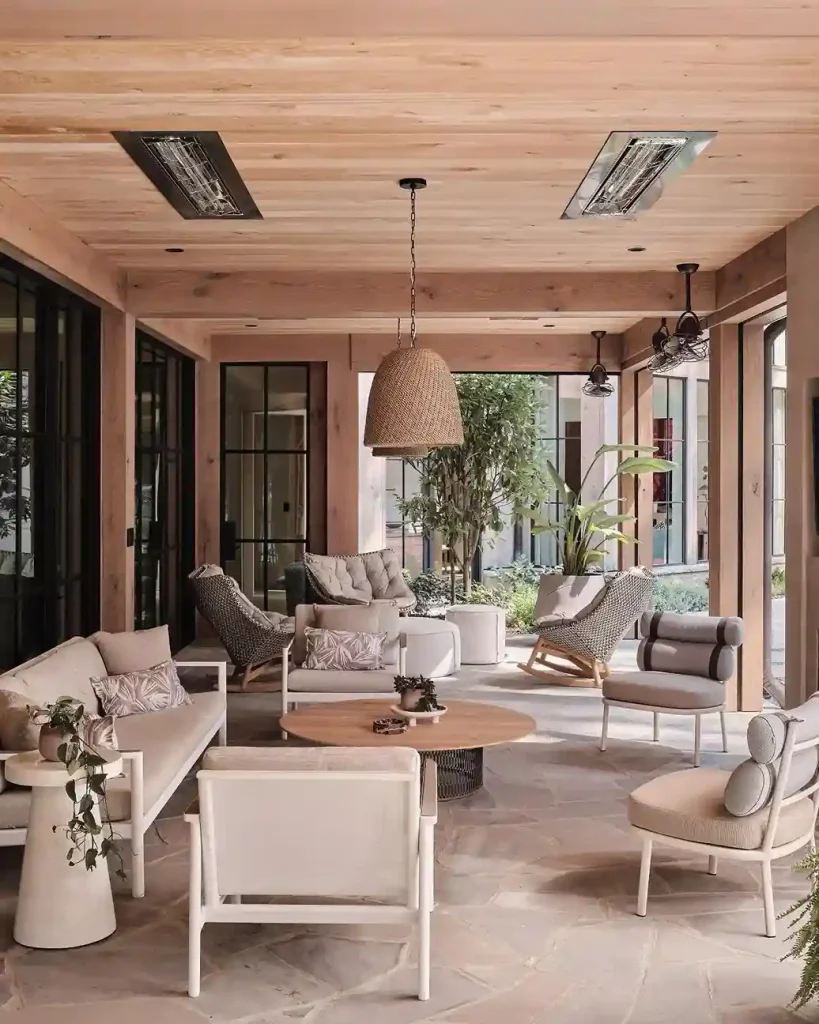
Aside from enhancing aesthetics, porch ceilings also serve critical utility roles. They conceal wiring, structural supports, and imperfect subfloors, delivering clean, unified sightlines. Well-designed ceilings optimize airflow, reducing humidity and maintaining comfortable temperatures beneath the porch roof. Additionally, light-toned ceilings like haint blue paint can make insect nests more visible and possibly discourage their formation, adding practical value.
Traditional Porch Ceiling Materials and Styles Reimagined
Beadboard: Enduring Cottage Elegance
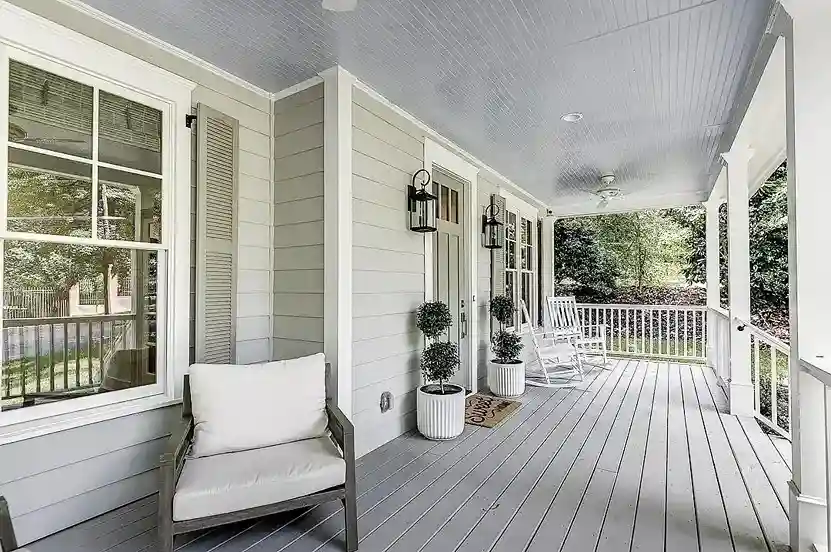
Beadboard — characterized by its slim planks and vertical grooves — is a hallmark of porch ceiling design, well-suited for everything from classic Victorian homes to cozy farmhouses. Made from wood or modern composites like vinyl and PVC, beadboard offers variable price points and moisture resistance levels. This material’s versatility and timeless charm make it a perennial favorite for outdoor ceilings.
Tongue and Groove Wood Planks for Rustic Warmth
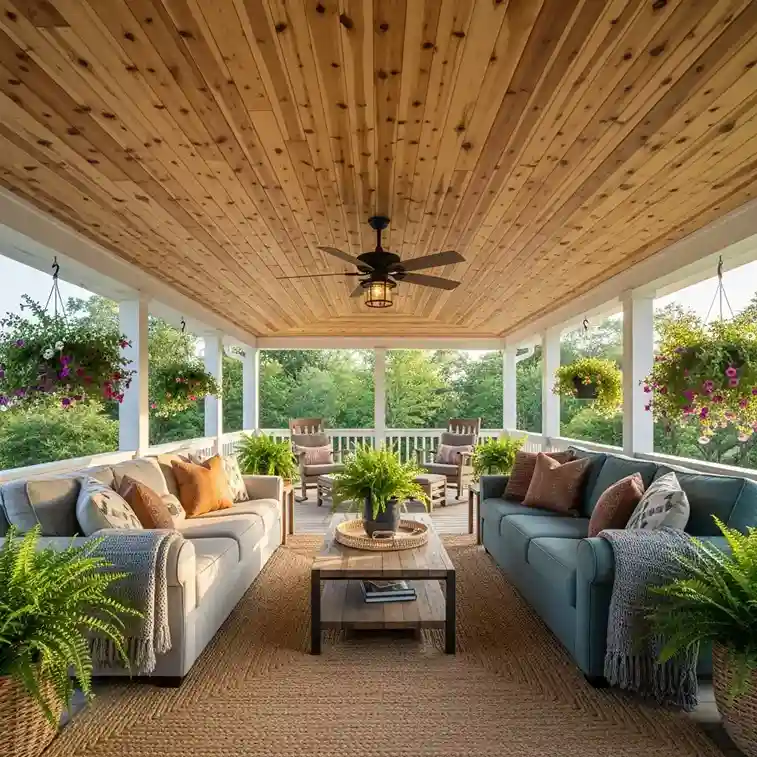
For a robust, textured effect, wider tongue and groove planks made from woods such as pine, cedar, or cypress introduce natural beauty and architectural interest. Their interlocking design highlights the wood grain and strengthens the ceiling structure, lending your porch a handcrafted feel that’s both inviting and durable.
Shiplap: Contemporary Rustic Sophistication
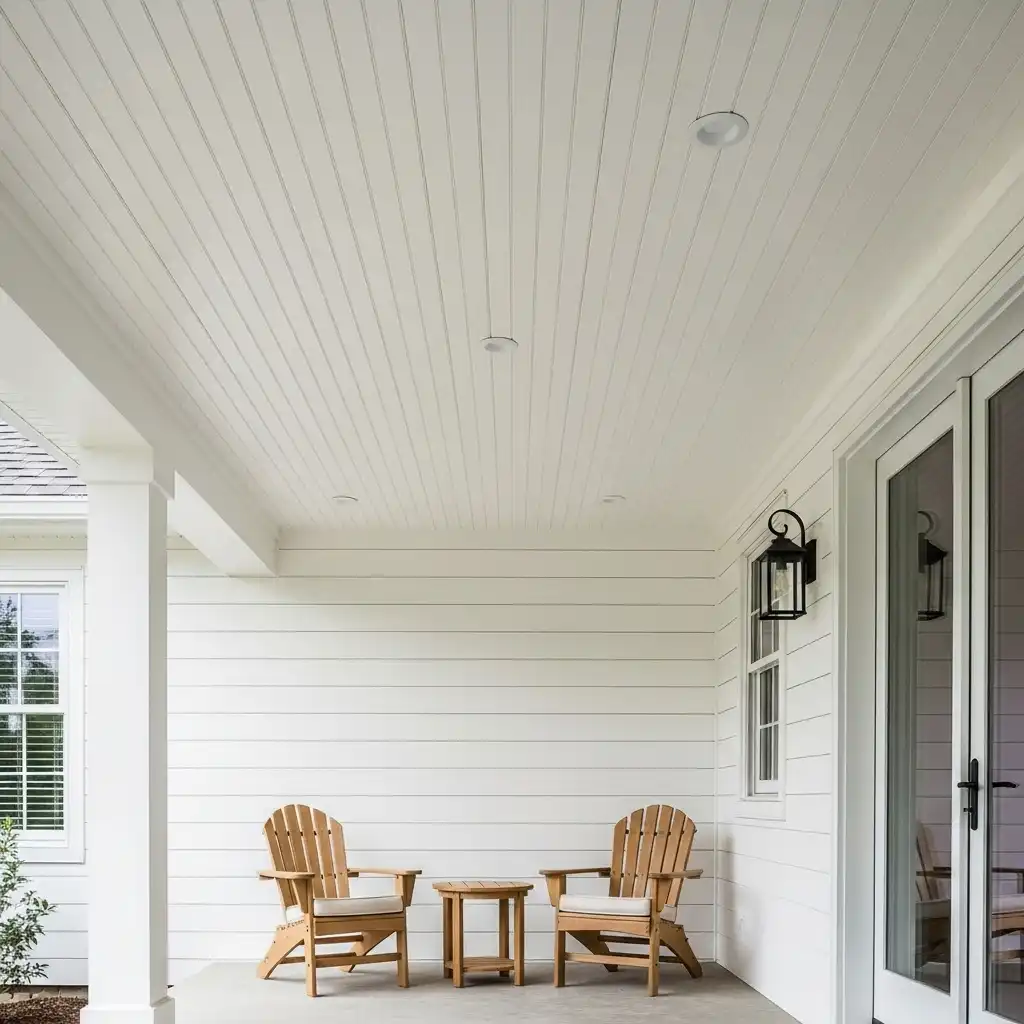
Shiplap’s overlapping horizontal boards are a signature of modern farmhouse aesthetics, blending rustic texture with streamlined lines. Often painted white or stained in warm tones, shiplap lends itself beautifully to beach houses and countryside dwellings, crafting a serene, understated backdrop that harmonizes with natural surroundings.
Expansive Wood Plank Ceilings
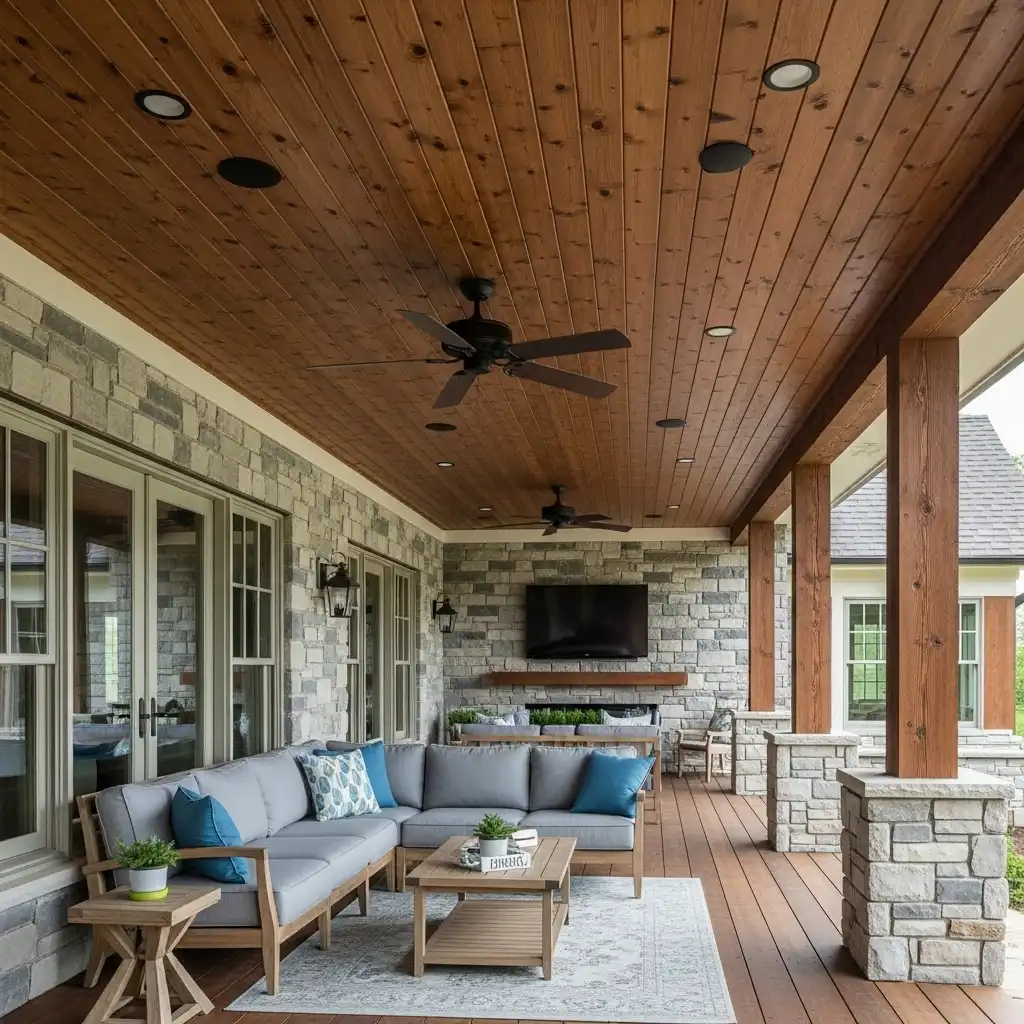
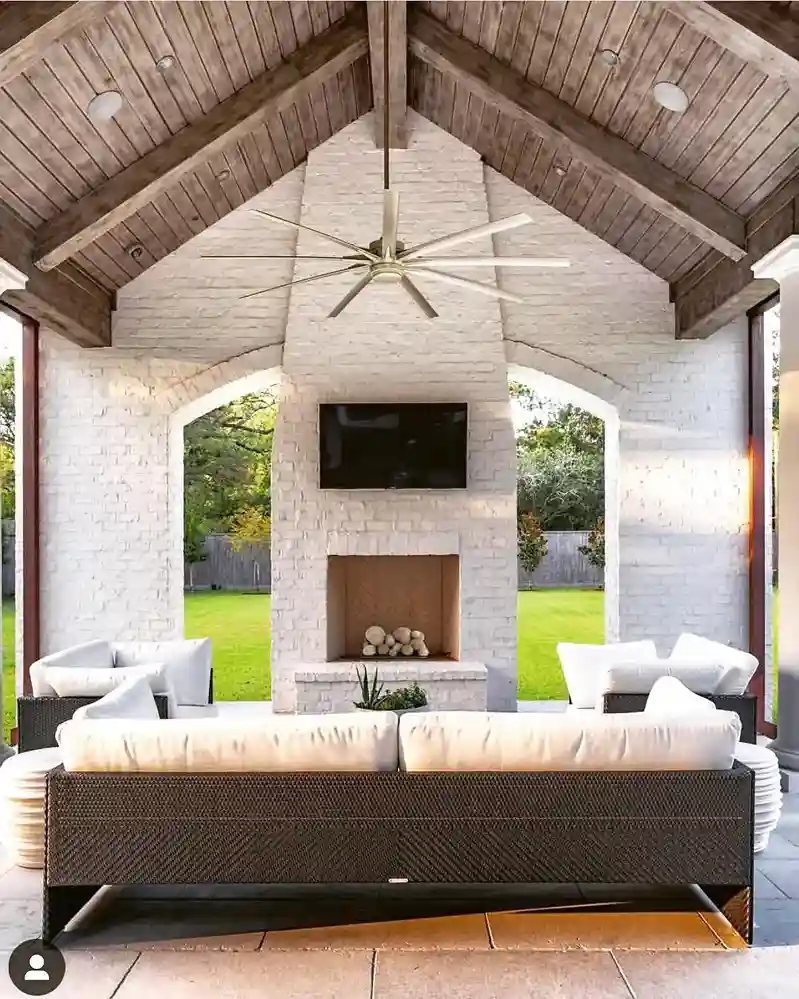
Using broad wood planks creates a commanding visual presence with fewer seams and a pronounced grain pattern. These are ideal for spacious porches where the ceiling acts as a focal element, especially when highlighted by exposed beams or stone details. Whether left raw, stained, or painted, wood plank ceilings radiate rustic charm and artistry.
Porch Ceiling Colors and Finishes: Styling with Impact
Haint Blue: A Storied Southern Classic
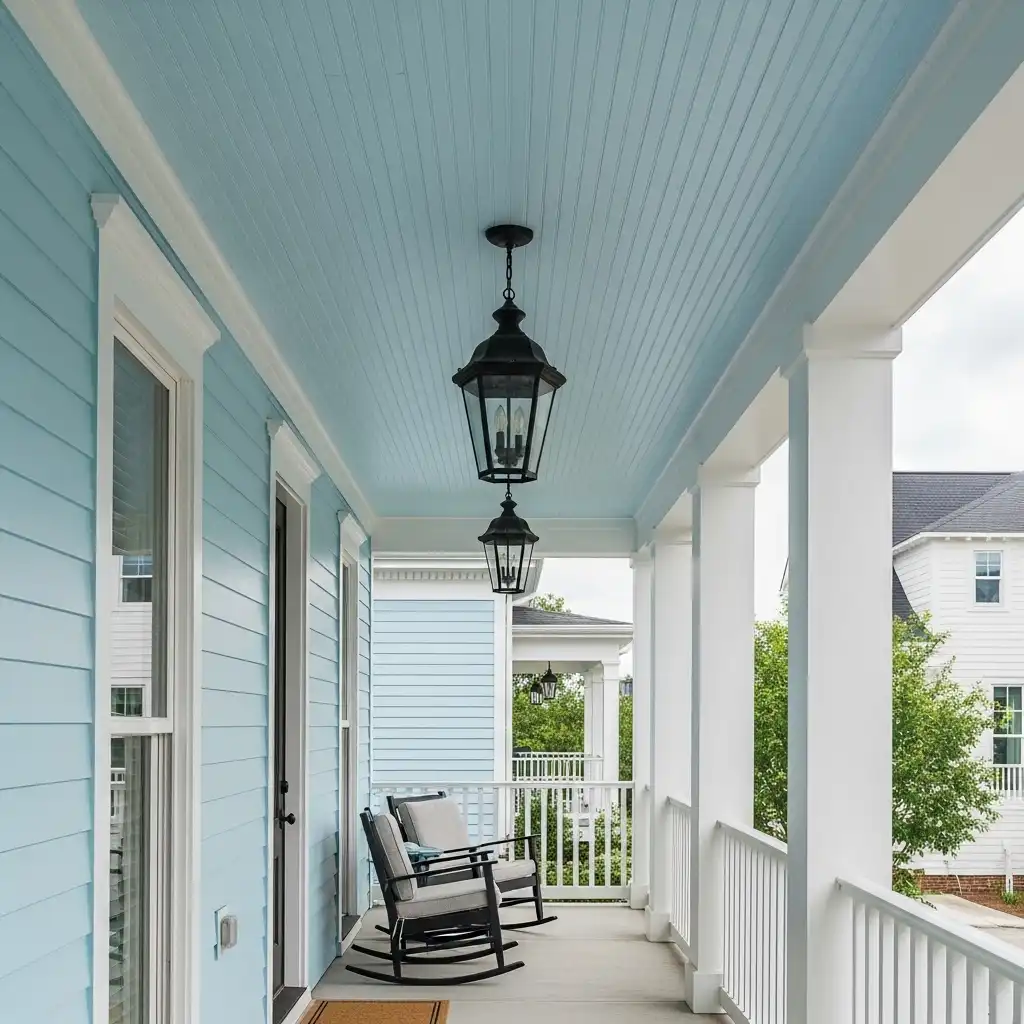
Haint blue, a gentle robin’s egg shade, is steeped in Southern folklore, believed to ward off negative spirits and deter critters from nesting overhead. Beyond myth, this tranquil color beautifully accentuates white trims and mirrors the sky, creating refreshing, calm retreats perfect for unwinding. Many use haint blue paint to infuse porches with subtle cultural charm and cool serenity.
Timeless White: Brightness and Versatility
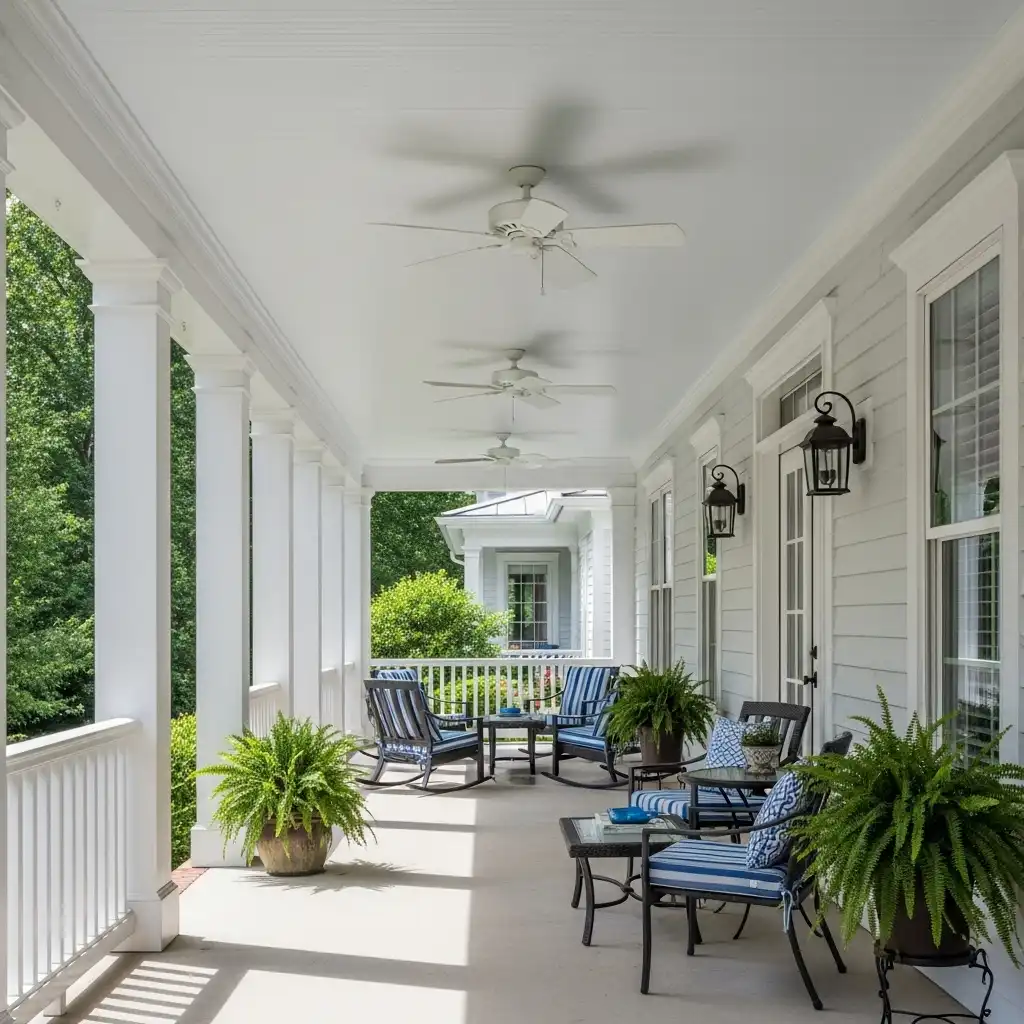
The crispness of classic white remains a favorite, instantly enlivening shaded porches by reflecting ambient light. This hue effortlessly blends with virtually every exterior scheme, providing a clean foundation that highlights furniture, plantings, and architectural details without overwhelming.—its neutrality enables endless decorating flexibility.
Natural Wood Finishes for Warmth and Texture
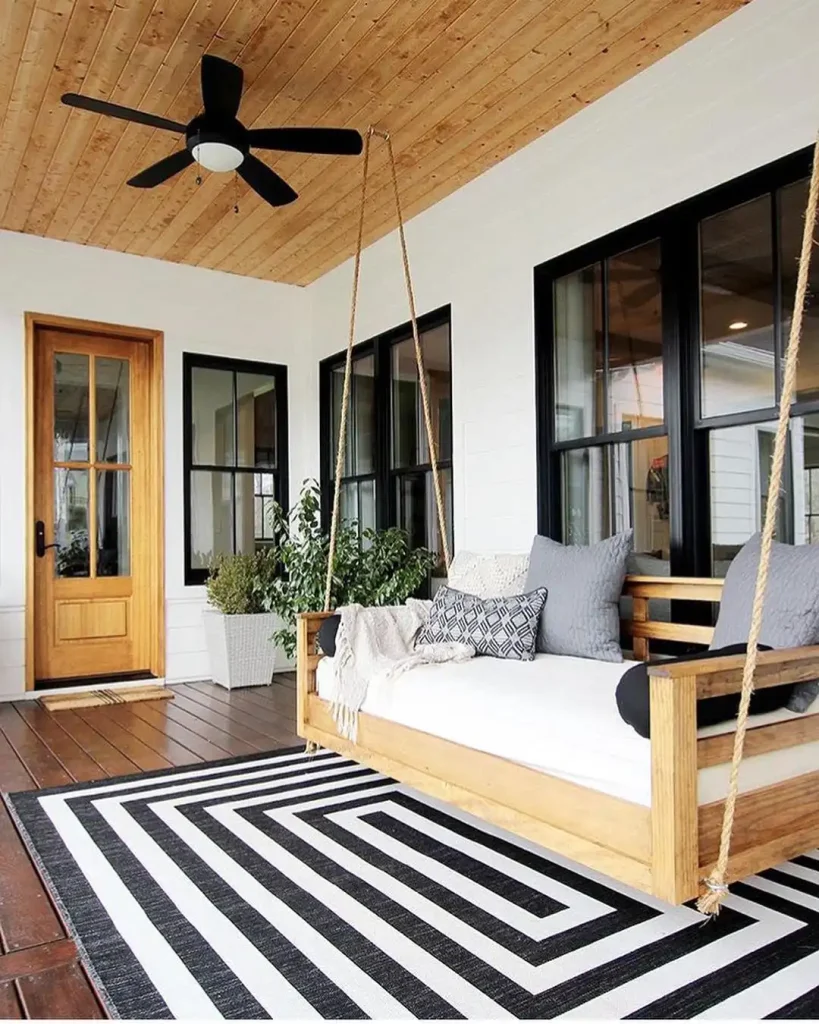
Stains that emphasize the wood’s authentic patterns and hues add an inviting organic feel. Honey tones radiate relaxed coastal charm, whereas deeper shades like walnut or mahogany elevate the space with luxurious depth. These finishes pair wonderfully with stone, brick, and rustic fixtures, crafting an outdoor room that seamlessly extends your interior style.
Vibrant Painted Shades for Bold Statements
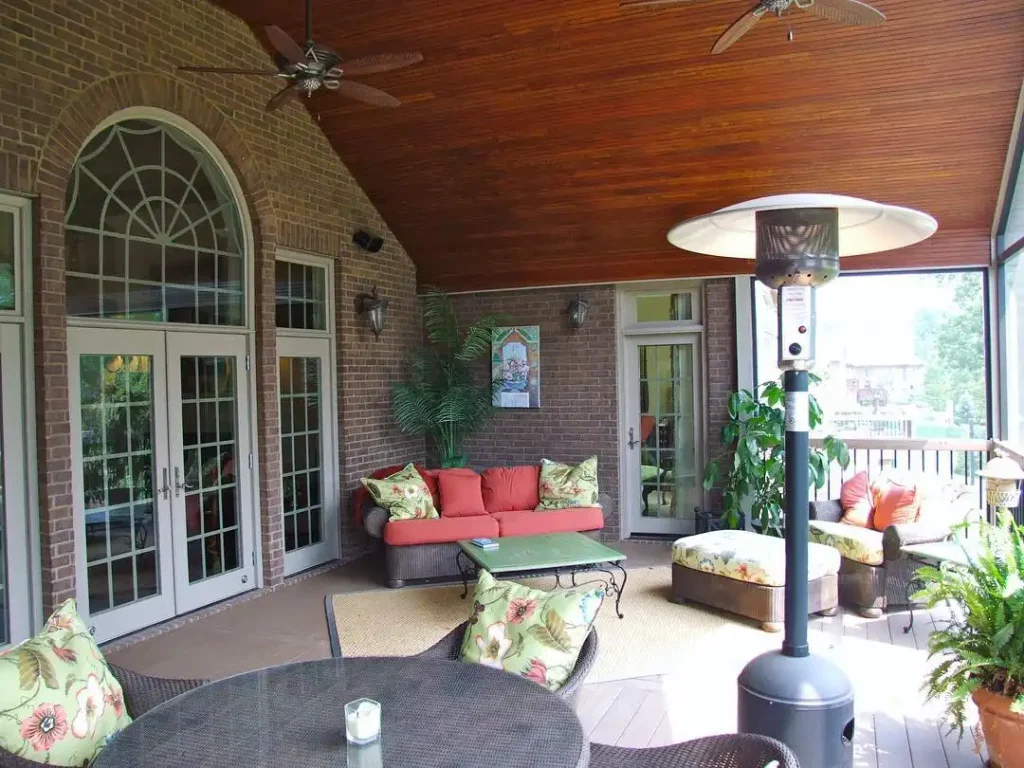
For those favoring personality and uniqueness, daring colors such as muted grays, sage greens, or even deep charcoal black create dynamic contrasts with the exterior façade. These trends reflect contemporary tastes but require careful coordination with lighting and exterior finishes to avoid overwhelming the overall design.
Enhancing Porch Ceilings with Architectural Details
Showcasing Exposed Beams
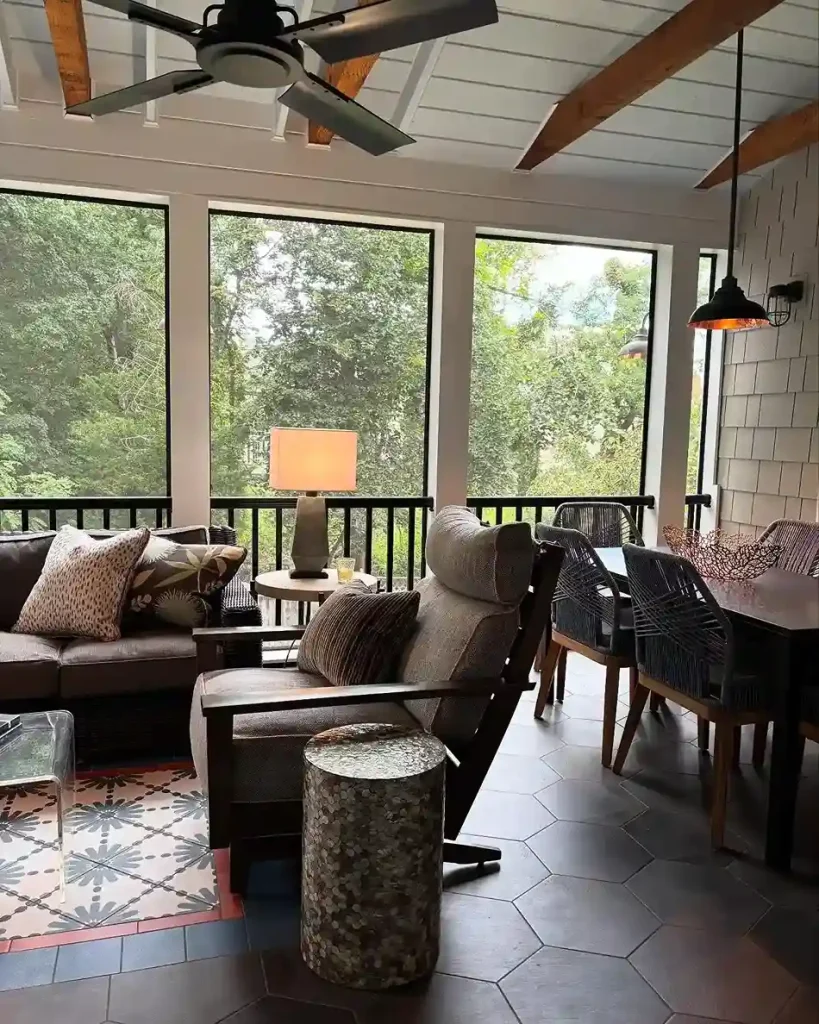
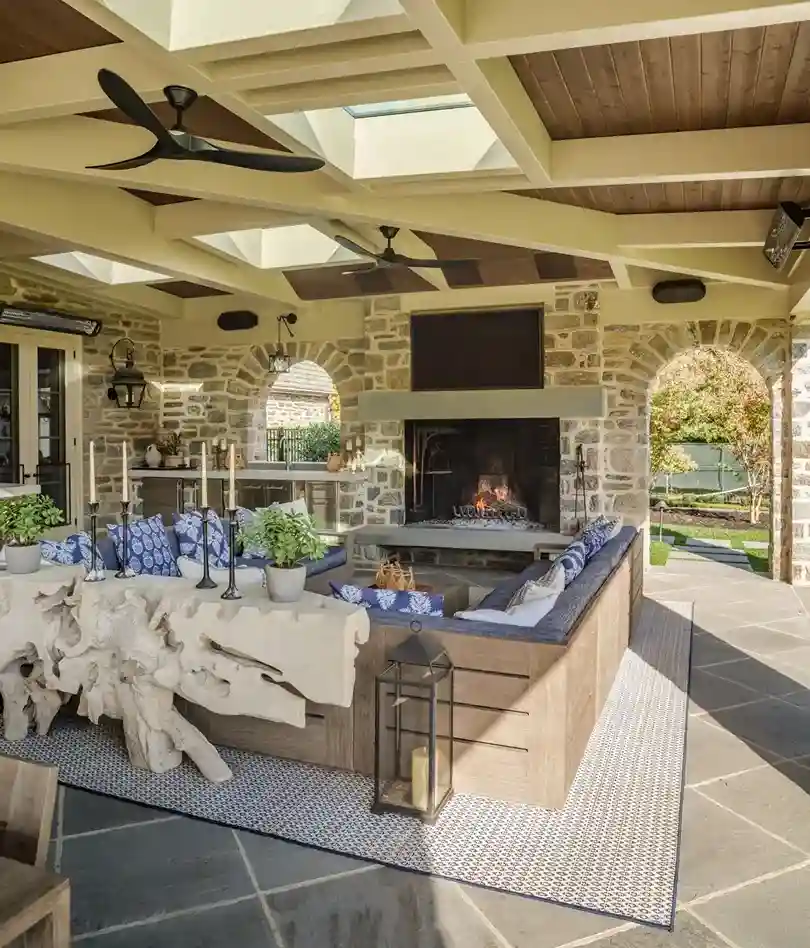
Visible beams introduce structural rhythm and warmth to expansive porch ceilings. Natural wood beams defined through careful spacing subdivide ceilings into welcoming niches. This approach is particularly effective when paired with tongue and groove or shiplap surfaces, adding dimensionality and rustic elegance.
The Refined Look of Coffered Ceilings
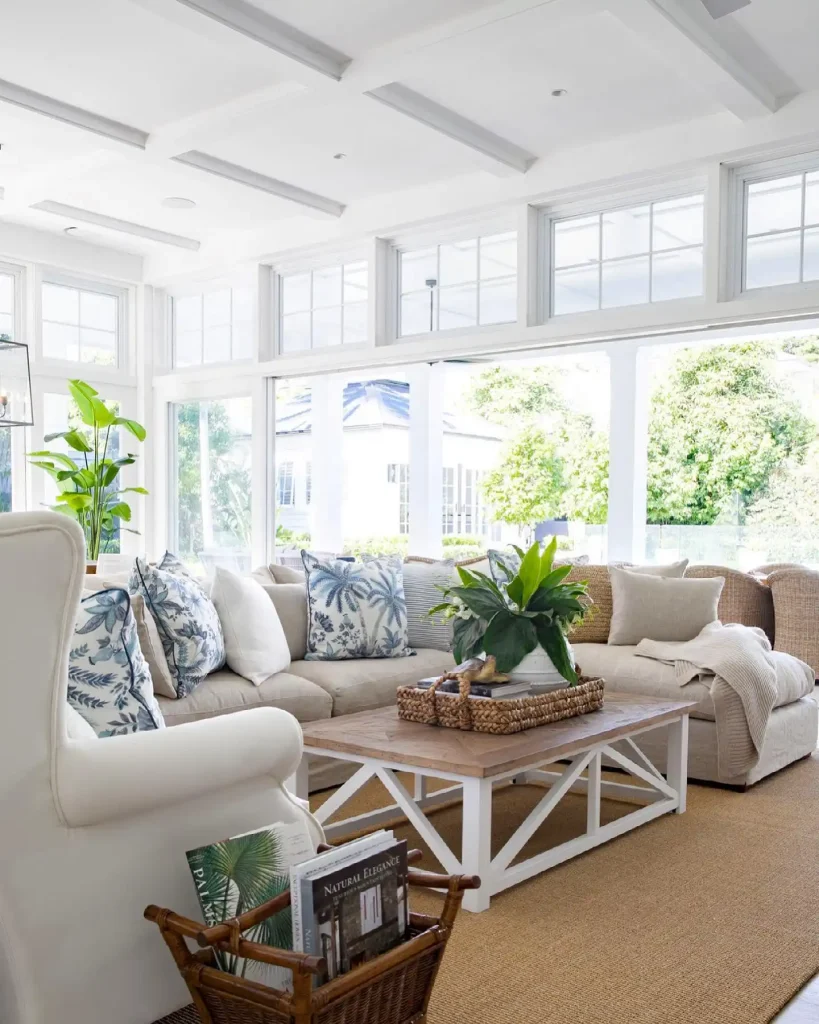
Coffered ceilings, with their inset panels and geometric lines, add luxury and sophistication to porches, particularly in classic architectural settings. Typically requiring more investment and expertise, these features elevate outdoor areas into stunning spaces ideal for entertaining.
Depth and Drama with Tray Ceilings
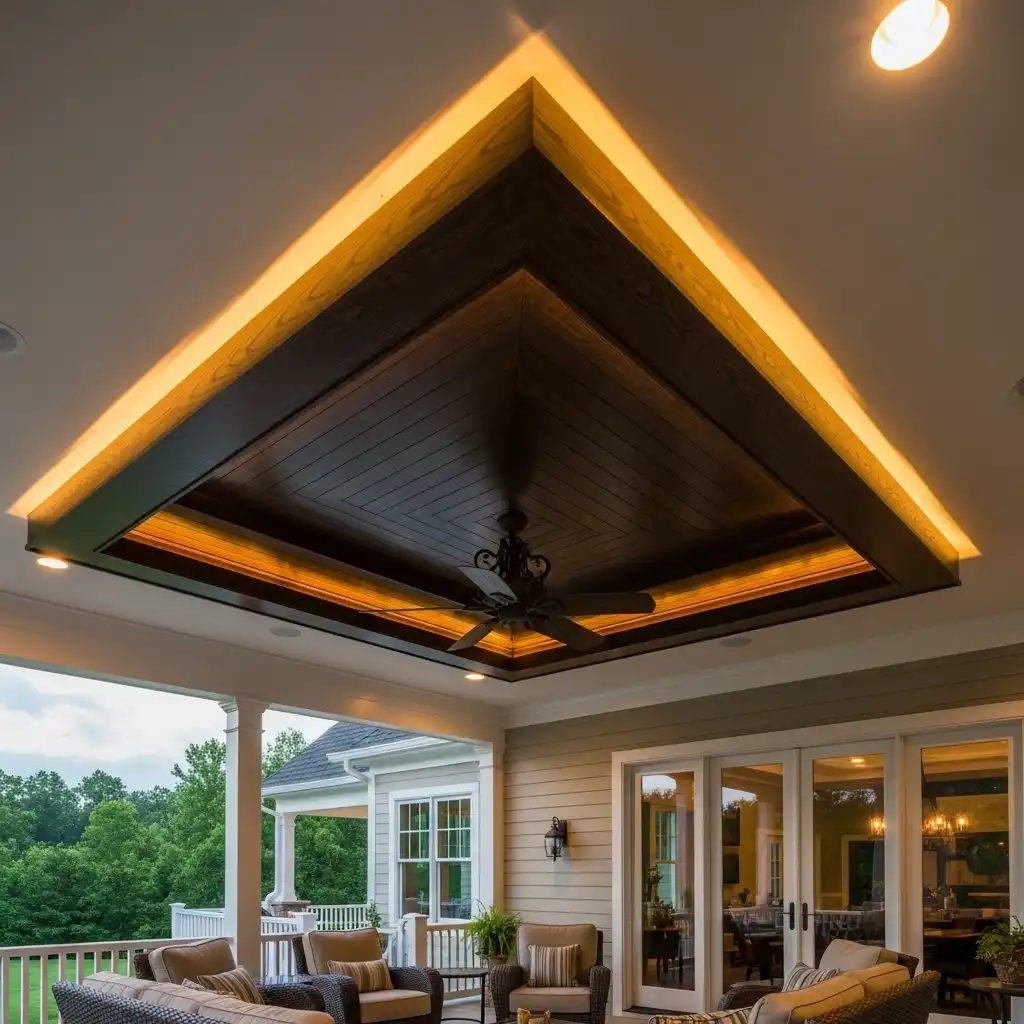
Adding tray ceiling architecture involves recessing the central section slightly to create visual interest and perceived height. This layered design allows for distinctive lighting effects or contrasting materials within the pocketed area, offering a sophisticated enhancement to standard porch ceilings.
Incorporating Lighting Into Your Porch Ceiling
Subtle Illumination with Recessed Lights
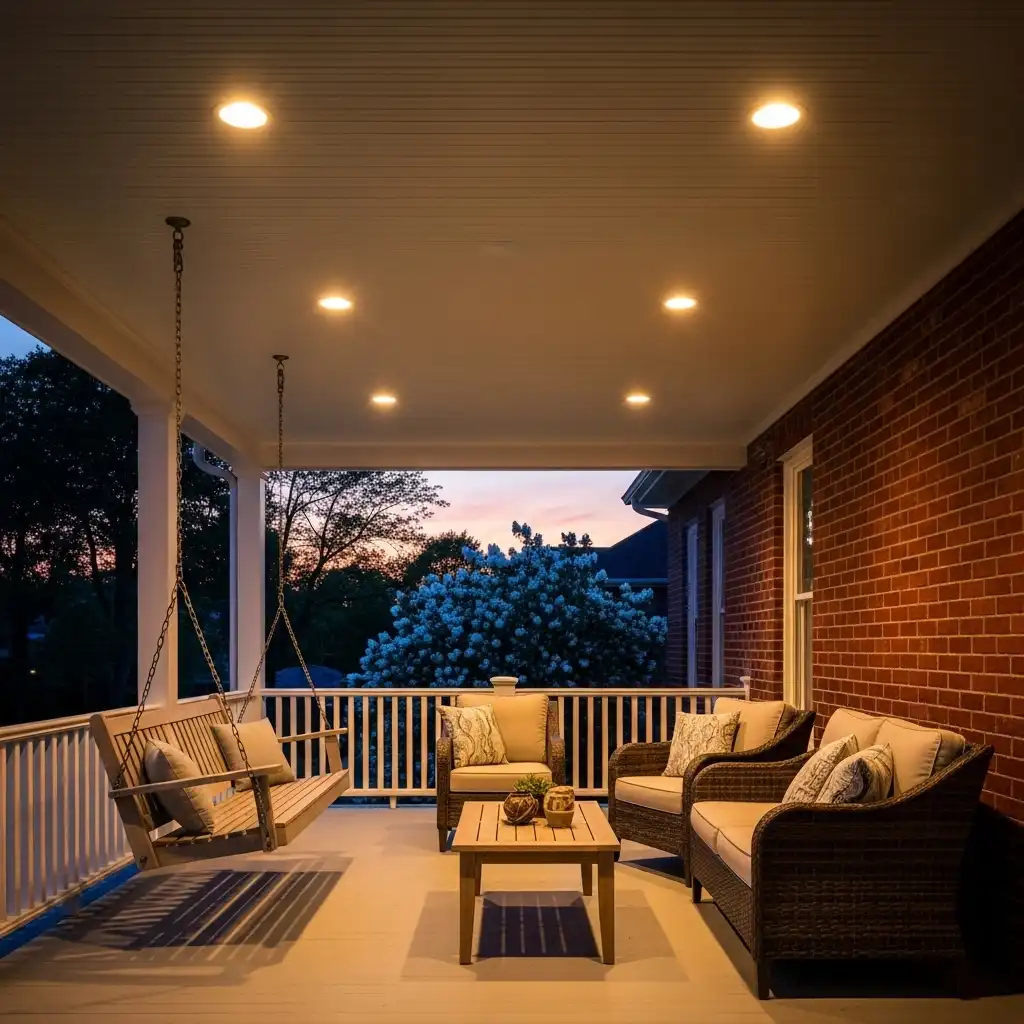
Recessed can lights deliver a sleek, unobtrusive solution that ensures uniform brightness without disrupting the ceiling’s aesthetic. Positioning these LED fixtures evenly across the porch prevents shadows and enhances evening usability while reducing energy costs and maintenance frequency.
Ceiling Fans for Style and Comfort
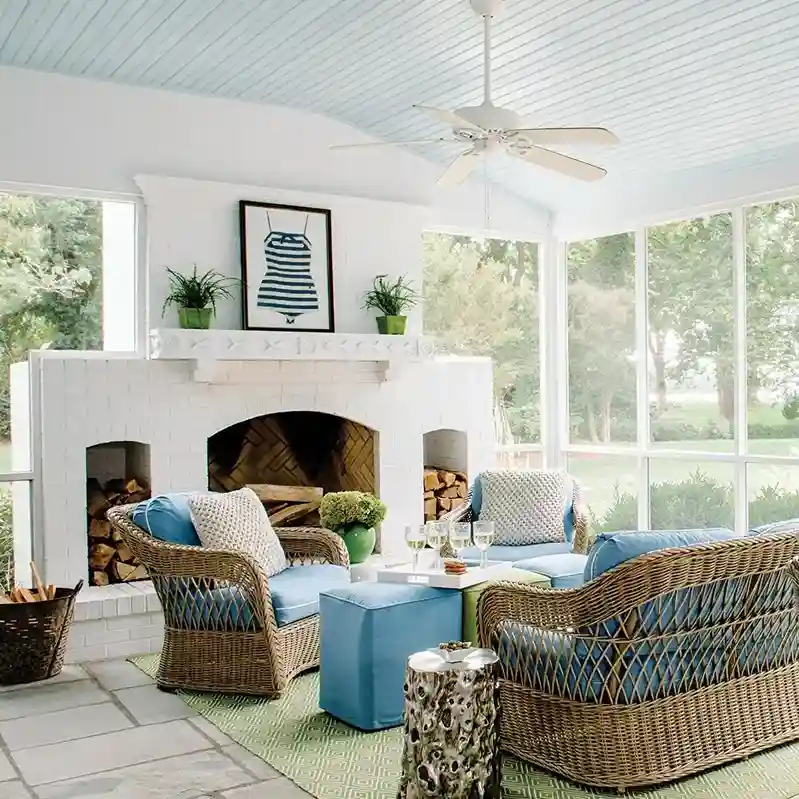
Combining airflow and lighting, ceiling fans are indispensable for boosting comfort on warm evenings while adding a design element overhead. Selecting fans appropriate in scale and style—ranging from rustic wooden blades to contemporary metallic designs—ensures harmony with the porch’s overall motif.
Statement Fixtures: Pendants and Chandeliers
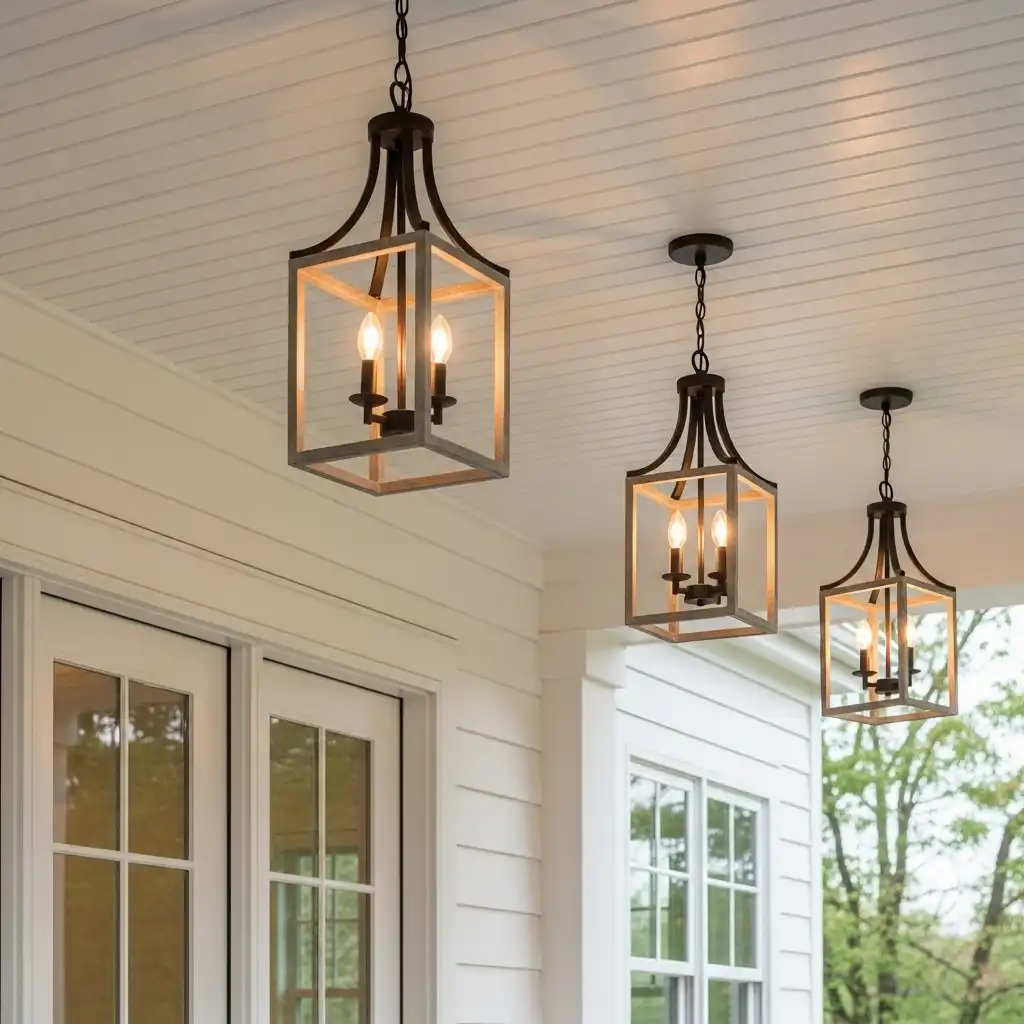
Pendant lights and chandeliers become eye-catching focal points that provide soft, inviting lighting perfect for dining or conversations. Ensure fixtures are rated for outdoor use and hung at safe heights to balance impact with function. Installing dimmers adds versatility, tailoring ambiance to different occasions.
Flush-Mounted Fixtures for Low Ceilings
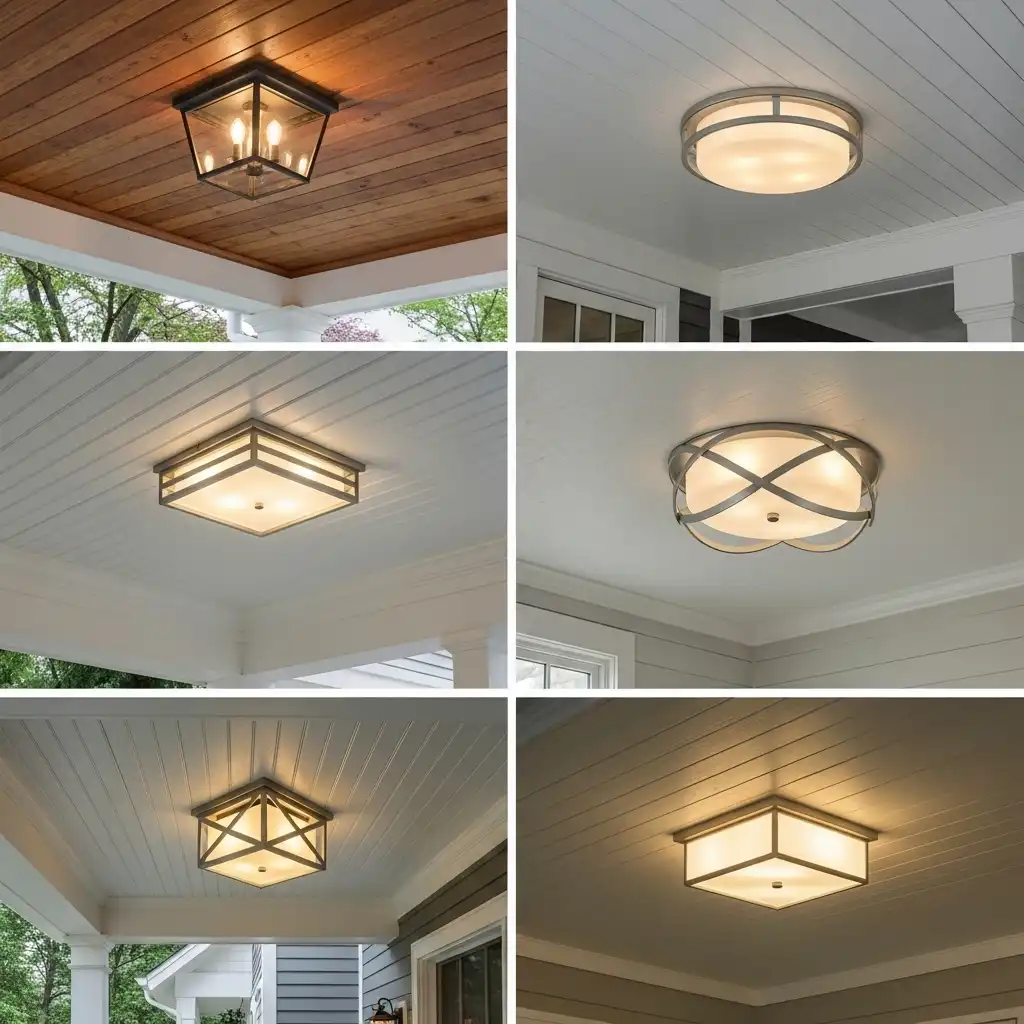
On porches with limited vertical clearance, low-profile flush mounts maintain a spacious feel without sacrificing illumination. From vintage lantern looks to sleek angular designs, this lighting option adapts to various architectural themes with ease.
Choosing Durable Materials for Long-Term Success
Withstanding Moisture and Weather
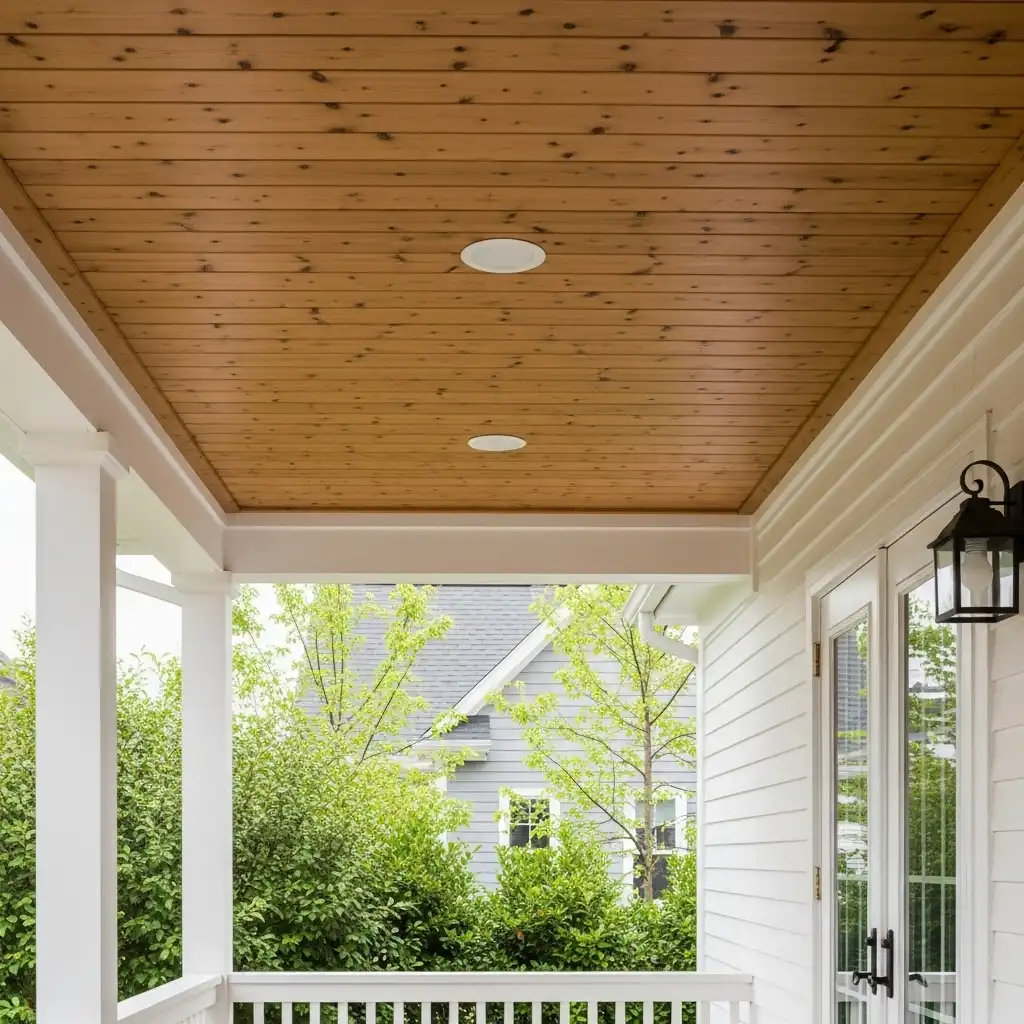
Porches face constant exposure to moisture from rain and humidity, making material selection critical. Vinyl and PVC ceiling options offer outstanding resistance to mold, mildew, and decay with minimal upkeep. Wood options require durable sealants or marine-grade finishes and naturally rot-resistant species like cedar or cypress are preferred for longevity.
Effective Ventilation Strategies
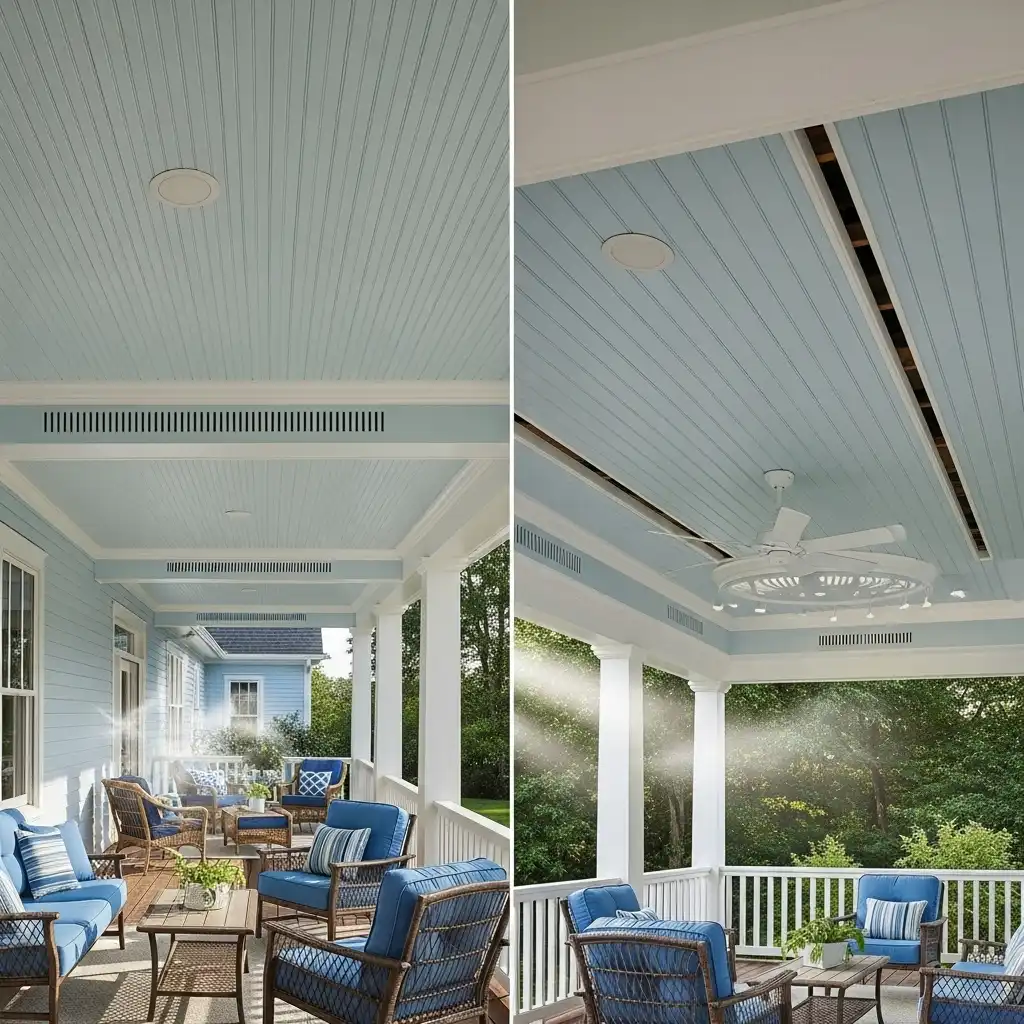
Ensuring ample airflow behind or within the ceiling structure prevents condensation buildup, stave off mold growth, and prolongs material life. Incorporating vented soffits or intentional spacing in installations helps maintain a dry, healthy porch environment, particularly important in humid regions.
Climate-Specific Selections
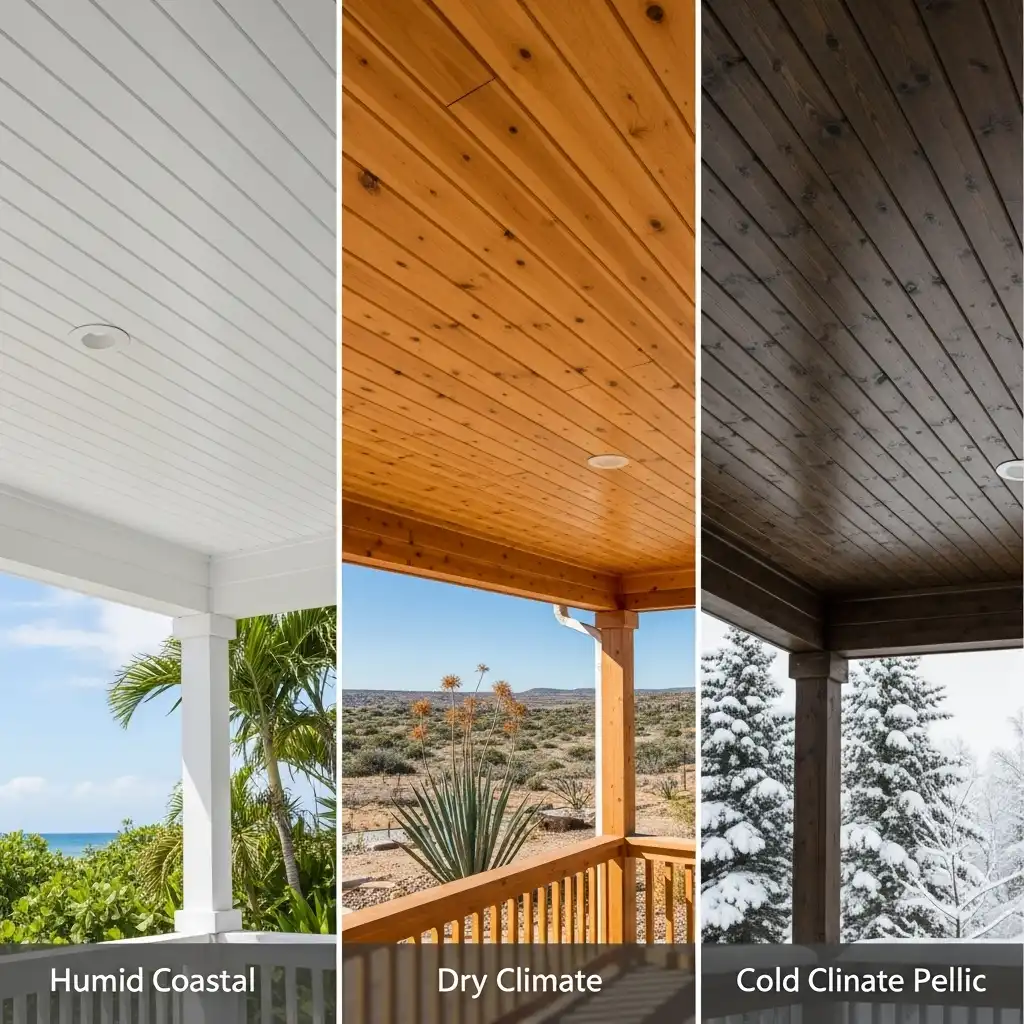
Local weather patterns heavily influence material and finish choices. Coastal areas demand highly moisture-resistant and salt-tolerant materials, while dry zones require products with UV protection to prevent fading. Areas with freeze-thaw cycles necessitate materials that can adapt without cracking.
Guidelines for Installation and Upkeep
Assessing DIY Versus Professional Help
Simple projects like beadboard or tongue and groove paneling can be manageable for experienced do-it-yourself homeowners comfortable with carpentry. However, intricate designs such as coffered ceilings or elaborate lighting setups are best entrusted to professionals who bring expertise in proper ventilation, moisture barriers, and structural integrity to protect your investment.
Preparation Is Key
Successful porch ceiling updates begin with thorough preparation: remove any damaged or outdated materials, inspect and repair structural components, and integrate lighting and fans into the initial plans. Accurate measurements and ordering extra material—typically 10-15%—reduce waste and facilitate future repairs.
Maintaining Beauty and Function
Maintenance varies by material: wood surfaces need periodic checks for decay or paint deterioration, with refinishing done every few years depending on exposure. Vinyl and PVC require occasional cleaning with mild soap solutions to retain their appearance. Establishing a regular inspection routine prevents minor flaws from escalating.
Porch Ceiling Inspirations Matched to Architectural Styles
Rustic Farmhouse and Cozy Cottage
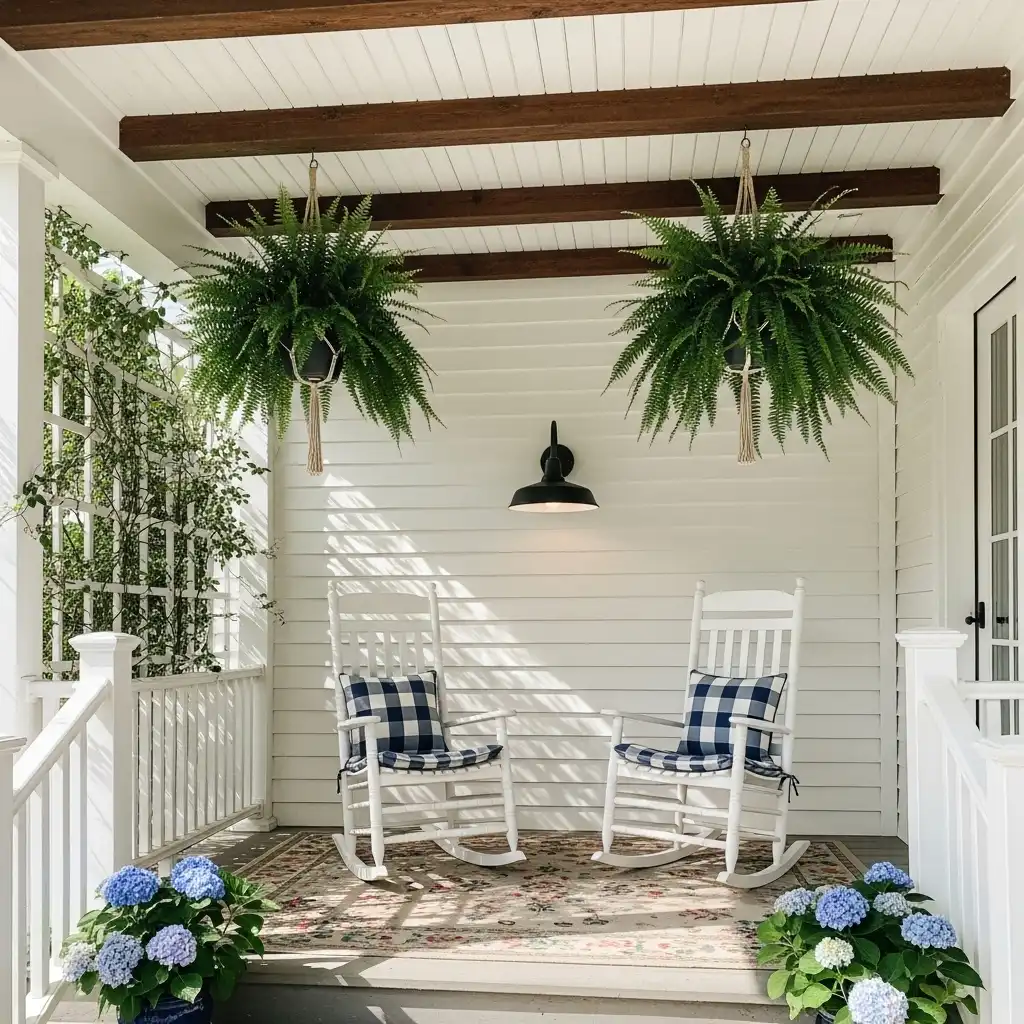
These designs spotlight white or pastel beadboard ceilings paired with exposed beams for authentic rustic allure. Complement the look with vintage lanterns, rocking chairs, and lush hanging plants, crafting an inviting environment that feels like home. For more farmhouse style ideas, explore our farmhouse living room ideas that adapt beautifully outdoors.
Breezy Coastal and Beachfront Retreats
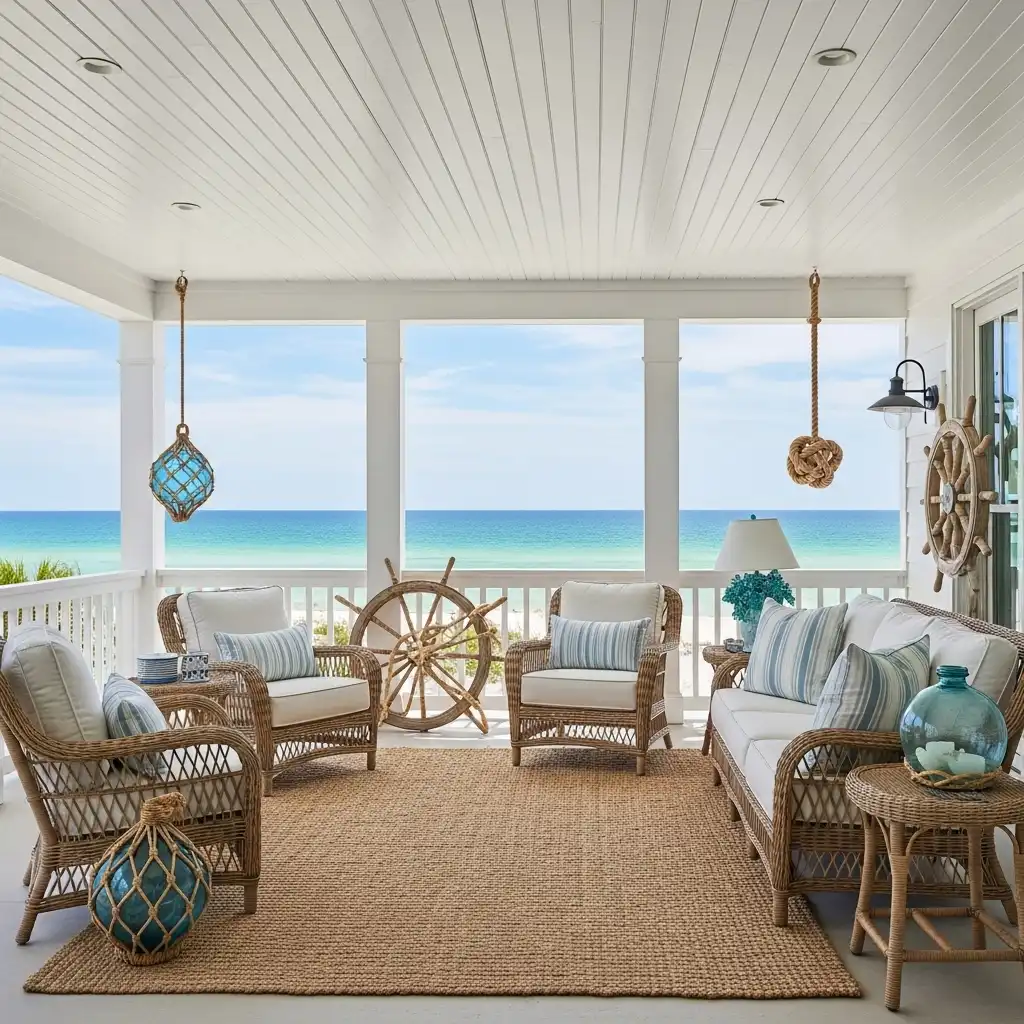
Light hues like haint blue and crisp whites paired with weathered wood evoke carefree seaside vibes. Natural fiber rugs, wicker furnishings, and nautical accents complete this laid-back aesthetic ideal for ocean lovers.
Modern and Minimalist Porches
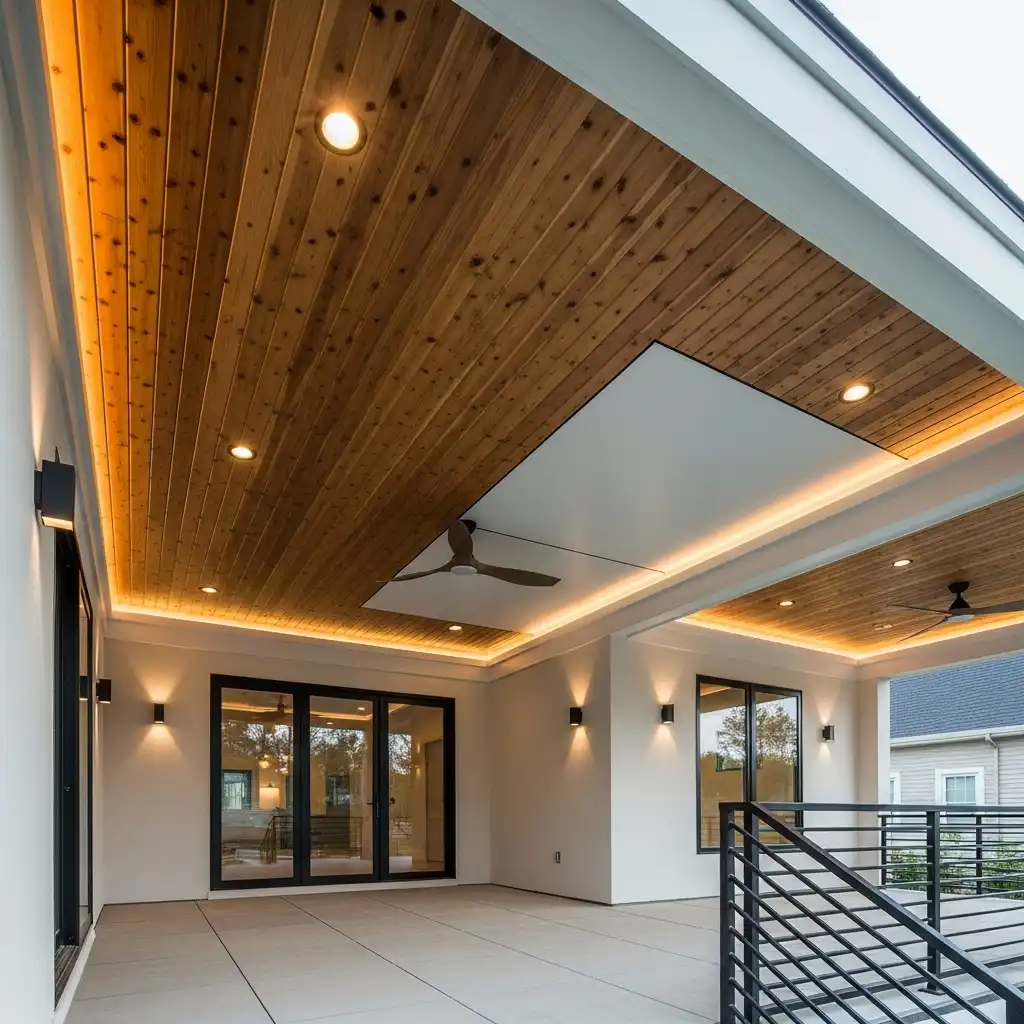
Sharp lines, unstained wood, or smooth surfaces highlight modern porch ceilings. Minimalist fans and understated LED lighting help maintain sleekness. Neutral palettes featuring grays, blacks, and natural woods emphasize simplicity and quality craftsmanship.
Elegant Traditional and Colonial Styles
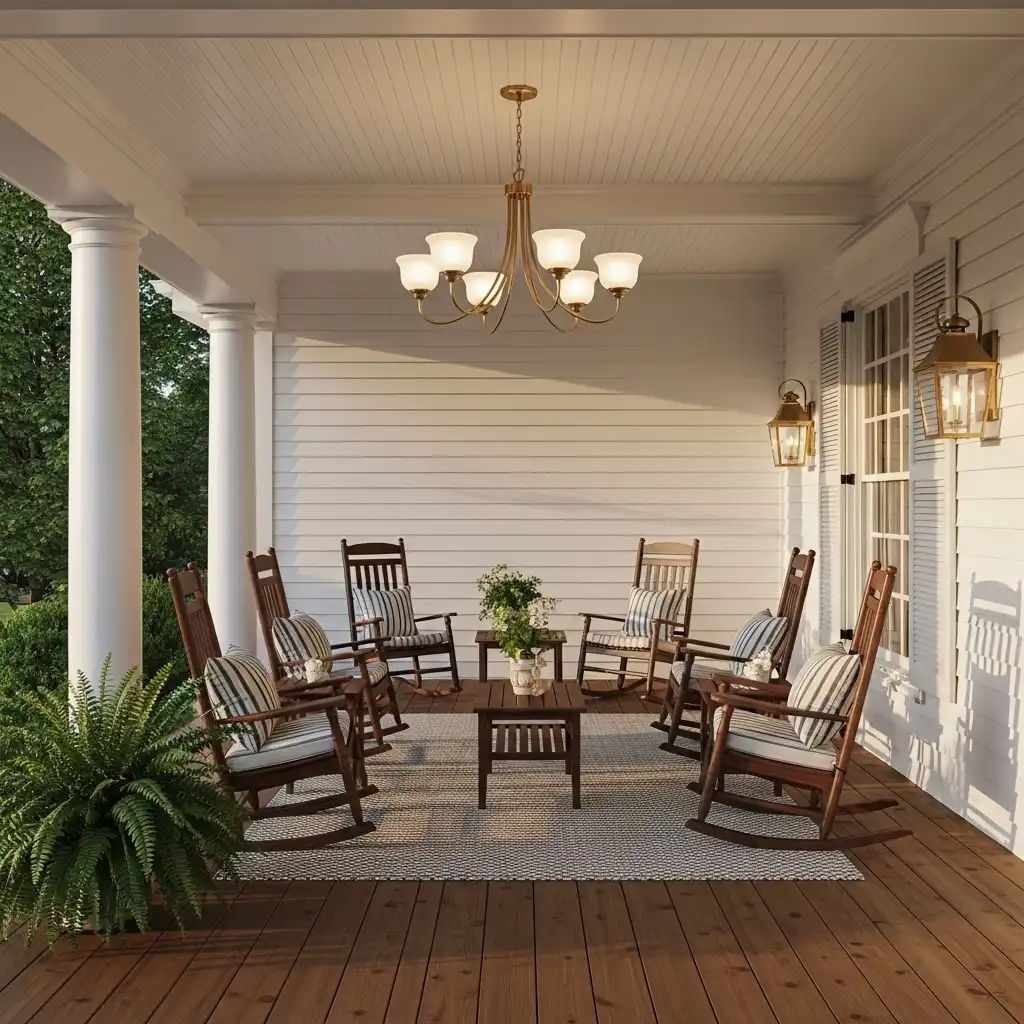
These porches feature classic white beadboard complemented by coffered ceilings and refined lighting like chandeliers or traditional lanterns. Symmetry in furniture arrangement and muted color schemes provide a dignified, welcoming façade.
Affordable Ways to Revamp Your Porch Ceiling
Refreshing with Paint
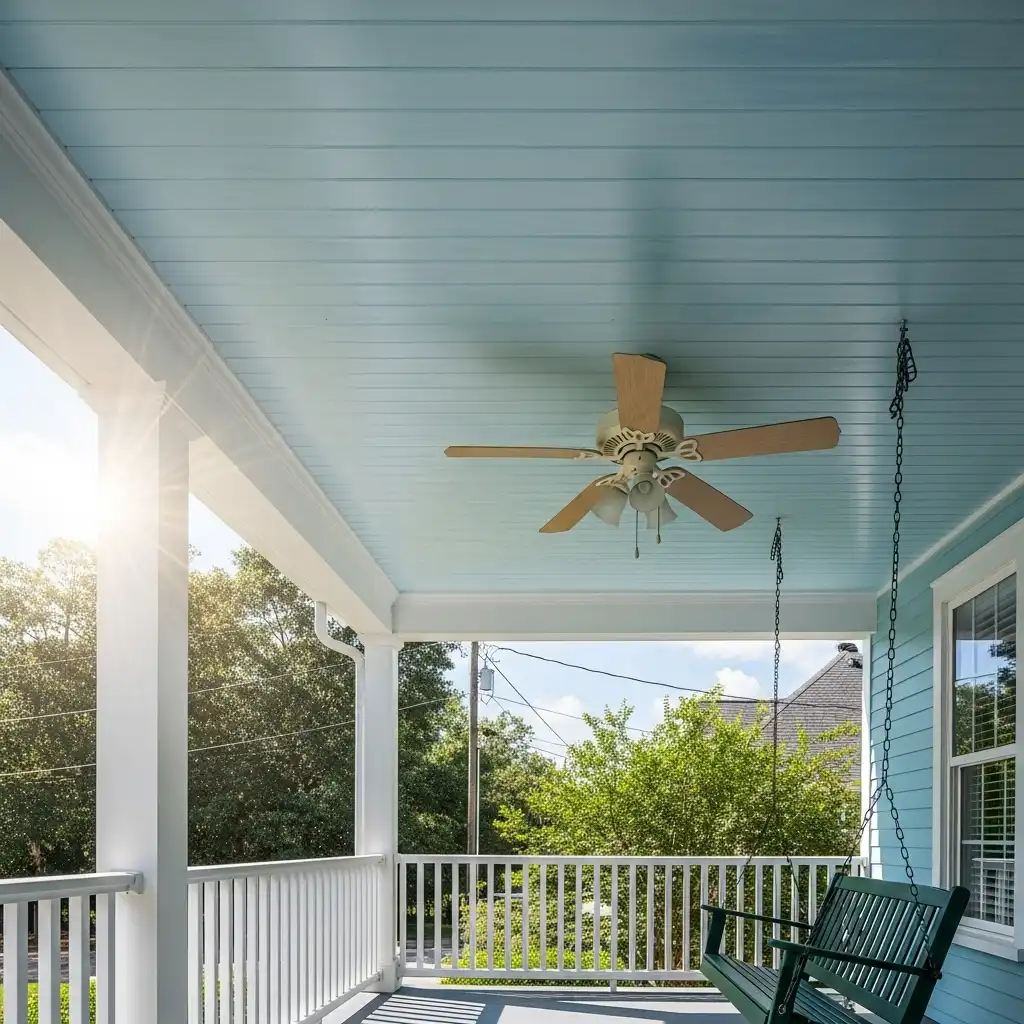
One of the simplest upgrades involves repainting the existing ceiling surface. Applying fresh colors such as calming haint blue or a bright white can instantly uplift the space with minimal expense. Proper preparation—cleaning, priming, and quality exterior paint—ensures durability and a polished finish.
Vinyl Beadboard Panels: Cost-Effective and Low-Maintenance
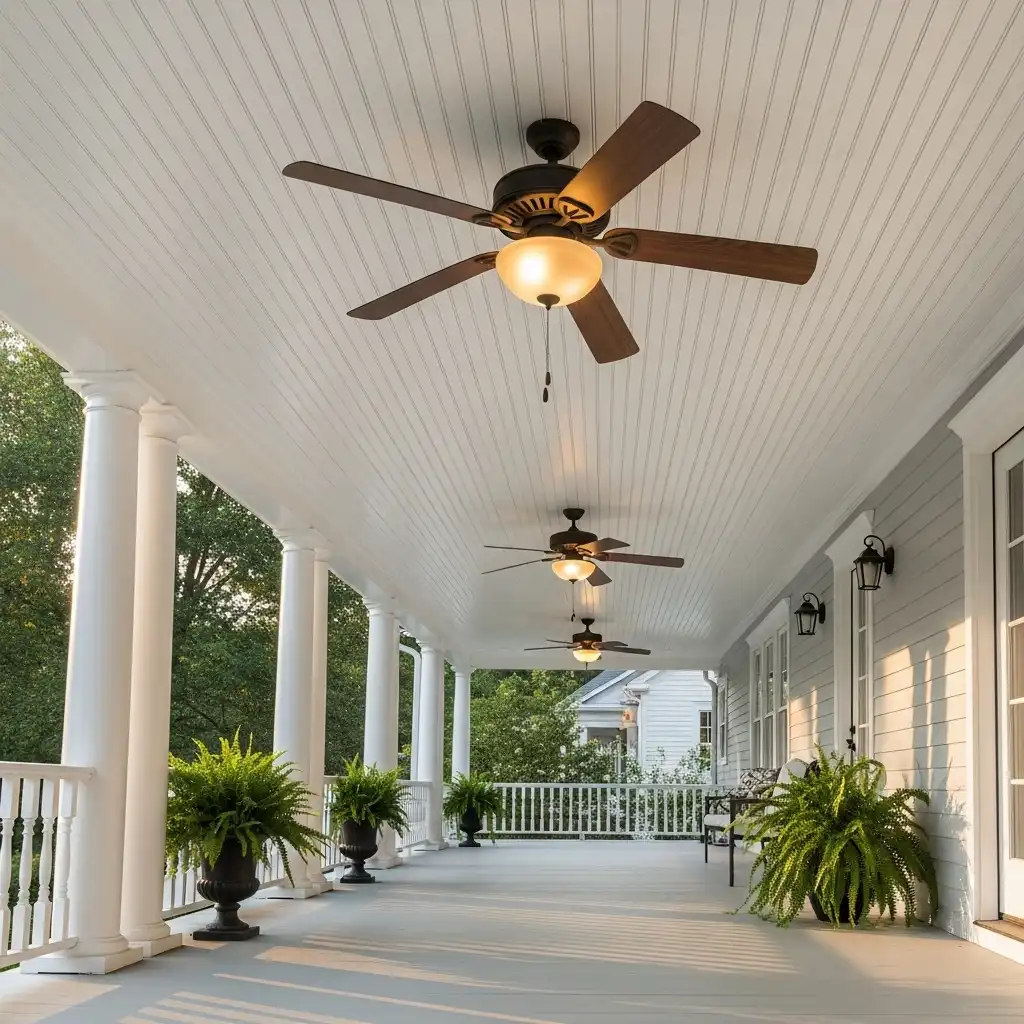
Vinyl beadboard mimics authentic wood appearance at a fraction of the upkeep. Easy to install over existing ceilings, these panels are excellent for weekend DIYers. Various design profiles and sizes help match diverse architectural styles while offering exceptional weather resistance.
Basic Wood Planks for Budget-Friendly Authenticity
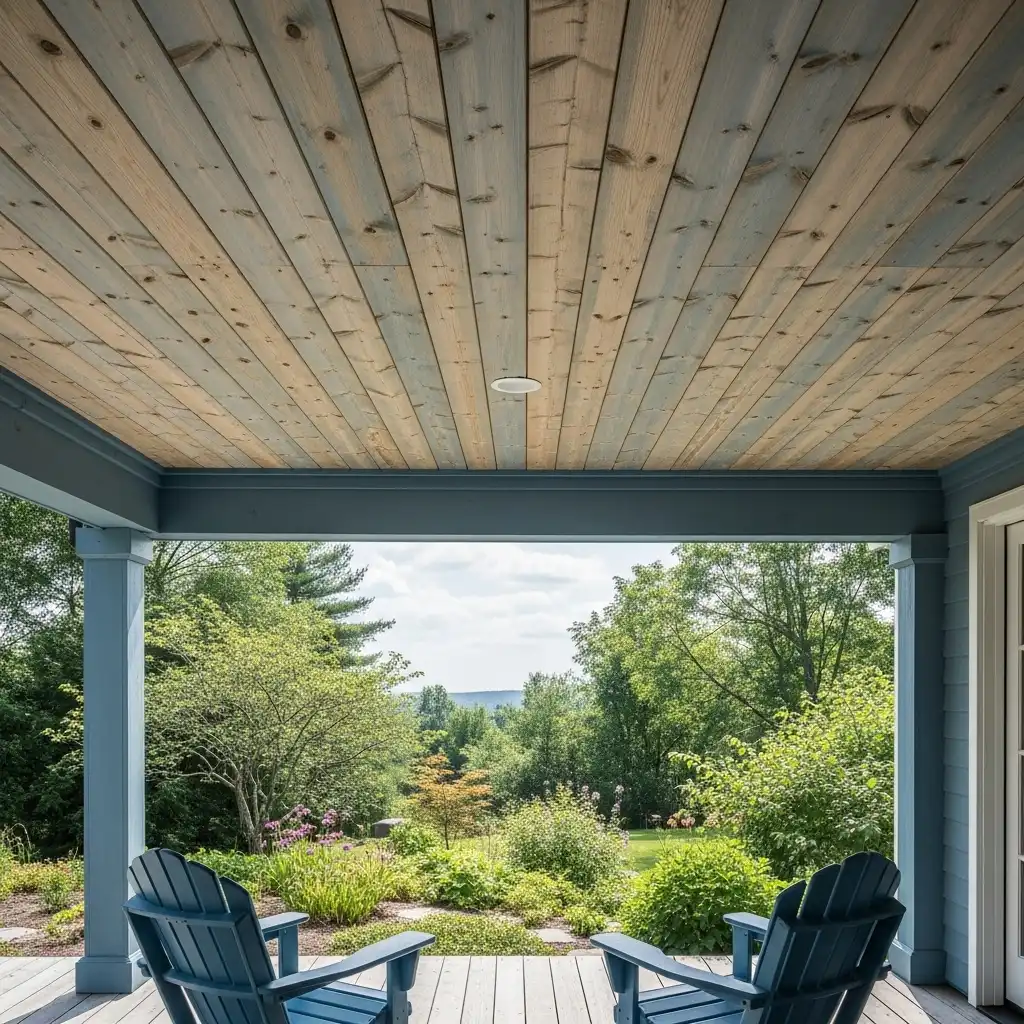
Pressure-treated pine or similar affordable lumber can serve as an economical substitute for premium hardwoods. While these require routine sealing and painting for longevity, they provide authentic texture and warmth that enrich outdoor spaces on a budget.
Common Questions About Porch Ceilings
What material is best suited for a porch ceiling?
Choosing the optimal porch ceiling material hinges on climate, aesthetics, and how much upkeep you prefer. Vinyl and PVC beadboard options offer remarkable durability and near-zero maintenance—ideal for humid areas or busy homeowners. Natural options like cedar or tongue and groove pine add genuine warmth and character but need periodic refinishing. For fully covered porches where weather exposure is limited, painted wood blends classic appeal with moderate cost.
Why do many porch ceilings feature blue paint?
The blue ceiling tradition originated in the Southern United States, where the soft haint blue color was thought to keep spirits and insects away. Practically, it mimics the sky and discourages critters from nesting. Although scientific backing is limited, the aesthetic and cultural significance endures, creating calming environments reminiscent of open skies, particularly suited to Southern homes.
How is a porch ceiling installed?
Installing a porch ceiling generally involves attaching planks or panels directly to ceiling joists or existing structures. Start at one side, fitting tongue and groove boards together before fastening. Maintain ventilation with gaps or vented soffits, and carefully cut around light or fan fixtures. Depending on material, paint or stain before or immediately after installation. For complex designs or limited experience, hiring a professional is recommended to ensure durability and proper moisture control.
What is the typical cost to install a porch ceiling?
Costs for porch ceiling installation vary from approximately $3 to $12 per square foot based on material selection, labor, and design complexity. DIY vinyl beadboard projects on the lower end reduce expenses, while premium wood with integrated lighting or decorative features push costs higher. A 200-square-foot porch ceiling installation might range between $600 and $3,000 overall. Influencing factors include material choice, ceiling height, existing ceiling removal, lighting additions, and whether professionals are involved.
Conclusion: Designing the Ideal Porch Ceiling for Your Home
Transforming your porch ceiling offers a unique opportunity to boost curb appeal, showcase your style, and expand your outdoor living space. Whether you gravitate toward the serene charm of white beadboard, the cultural legacy of haint blue ceilings, or the bold impact of natural wood with exposed beams, selecting the right ceiling treatment turns a functional necessity into a memorable architectural feature.
Prioritize materials suited to your climate and maintenance capabilities, then add personality with color choices, lighting, and decorative elements to create a porch ceiling that’s both beautiful and enduring.
Achieving the perfect balance of style and durability ensures your porch remains inviting and resilient year after year. For further ideas to complement your new space, consider exploring resources on outdoor decorations, home entryway concepts, and versatile ceiling design inspirations that unify interior and exterior aesthetics.
As an Amazon Associate I earn from qualifying purchases.