Pvillez Accent Chair: fitting into your living space

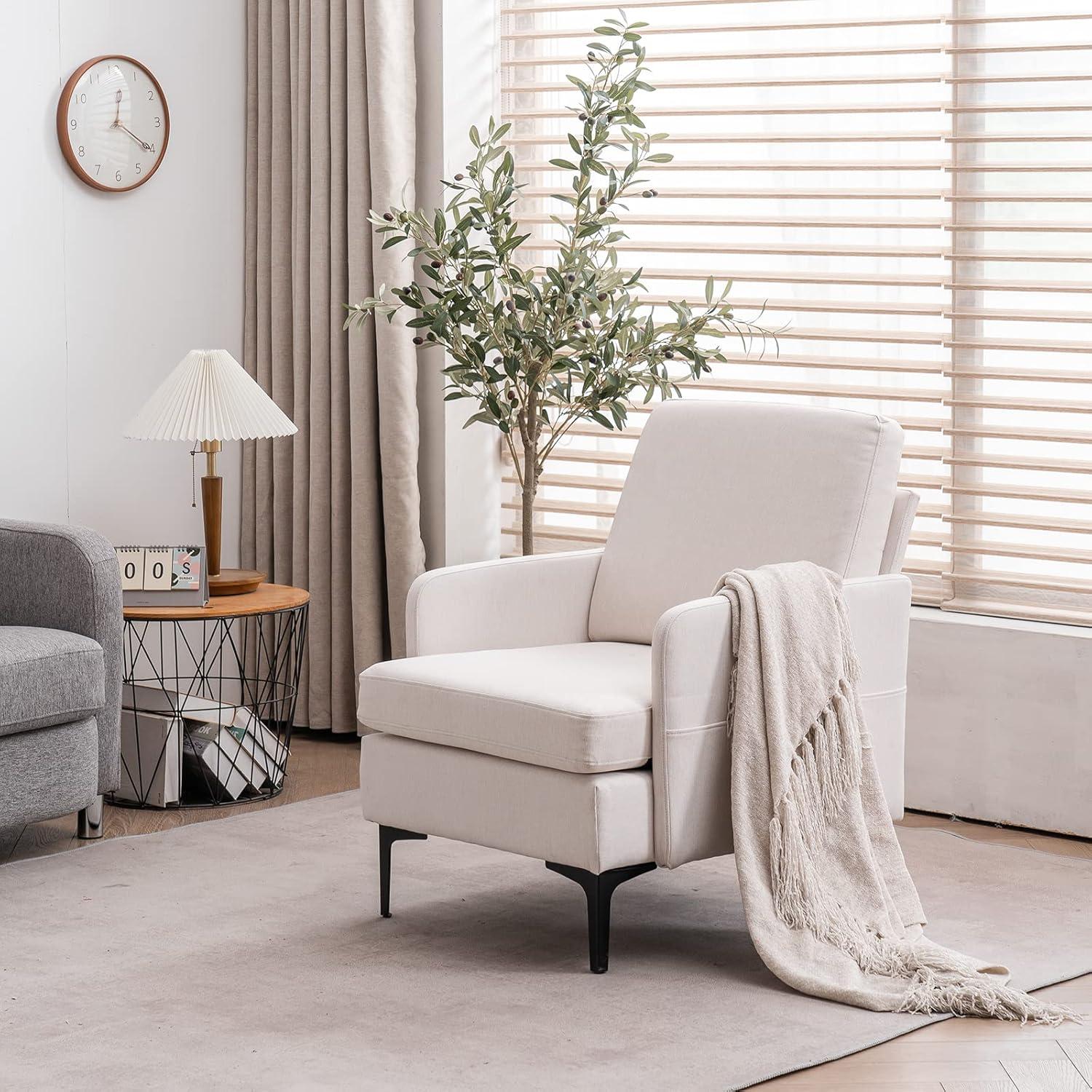
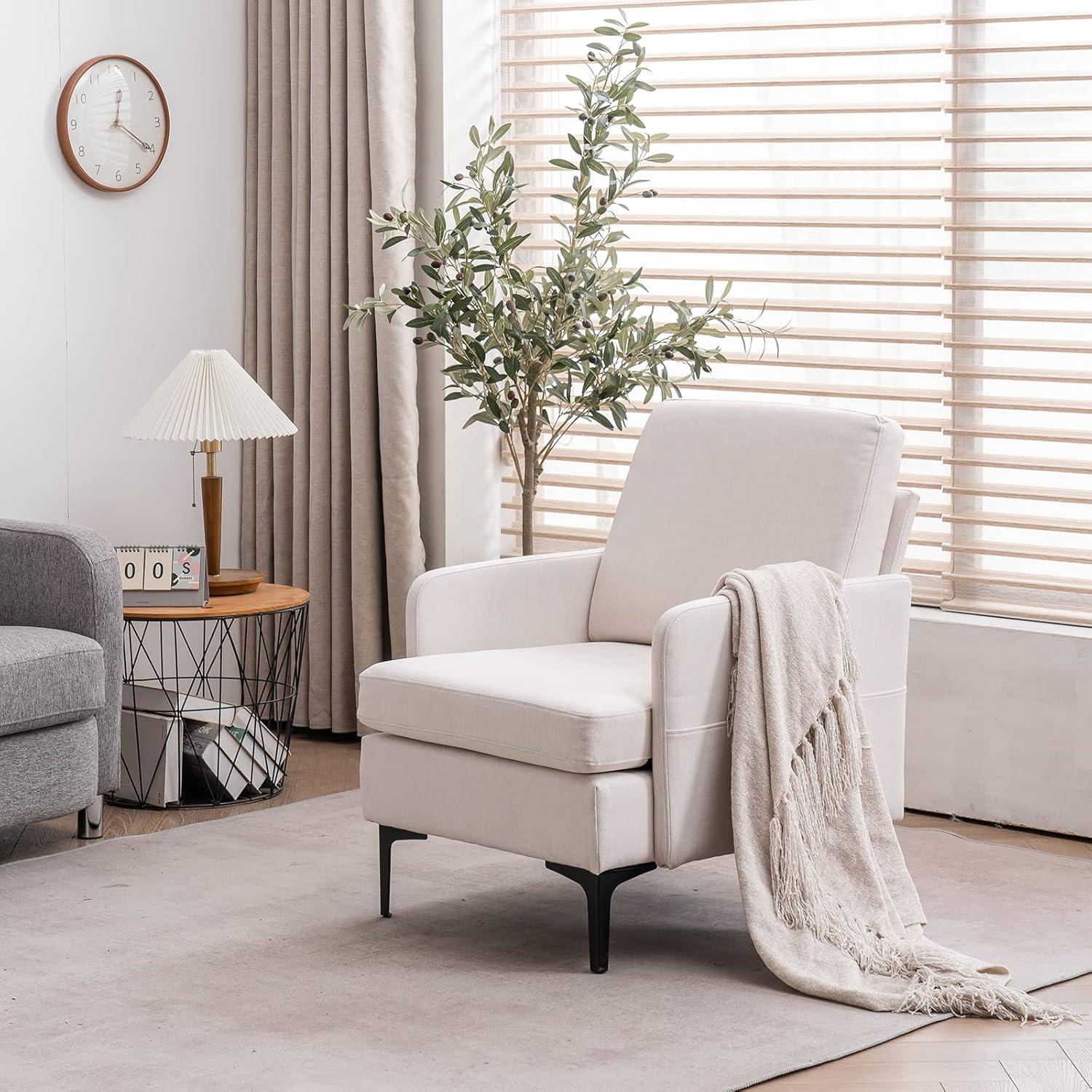
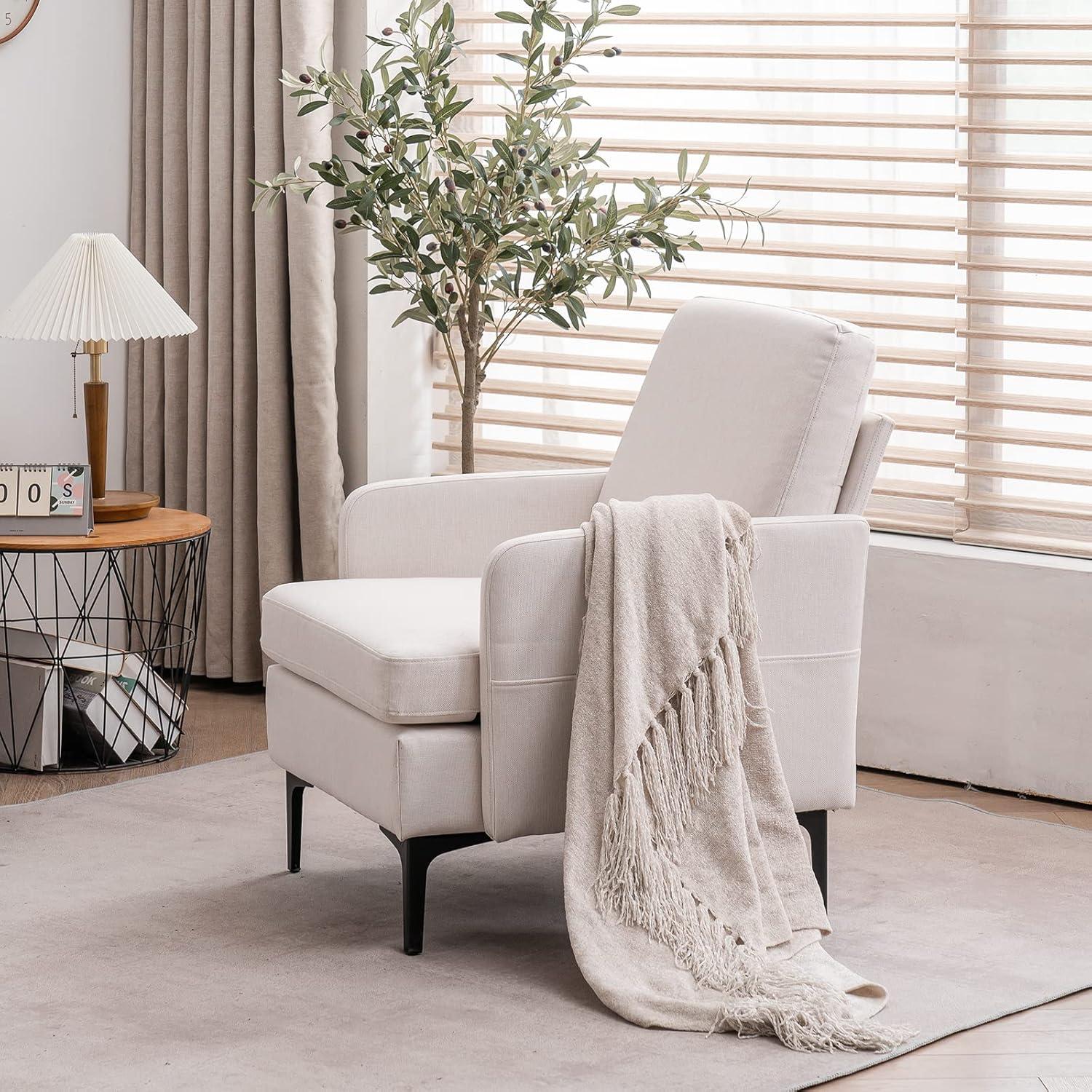
Light skims across the woven linen of the pvillez Accent Chair, picking out a subtle texture you notice when you brush the arm with your palm. Up close the fabric feels slightly coarse and forgiving, and the seat gives a fast, springy welcome as you lower yourself. The silhouette is modest—a rounded back and low arms that read smaller than a sofa but deeper than a dining chair—so the piece sits in the room without shouting. Slender metal legs lift the form and keep the visual weight light, while a faint hint of wood beneath the upholstery feels reassuring when you shift. After a few minutes, the chair reads like a lived-in object: tactile, quietly present, and immediately familiar.
A first look at your pvillez accent chair and the impression it makes in a room
When you first set the chair into a room, its silhouette reads quickly: a compact seat with gently curved arms and a low, slightly reclined back that doesn’t dominate sightlines. Light catches differently across the surface as you move around it — the weave softens in shadow and looks smoother where the seat cushion gets sun. From a few paces away the metal legs create a small visual lift off the floor, so the piece feels like a discrete presence rather than a heavy block. Close up, the stitched seams and the way the fabric drapes over the padding are the little things your eye lingers on; they give the chair a worked-in look even before anyone sits down.
Once you sit, the first movements tell you more than a long look does. The cushion compresses under your weight,the back gives a touch and then settles; you find yourself smoothing the cover or nudging the cushion into place without thinking.When you shift your position the chair tends to stay where you left it, moving only a little if you slide rather than lift it. Small habits — brushing a lap, tucking a foot under the seat, straightening a seam — make the chair feel like part of the room’s routine, folding into moments of reading, conversation, or a quick pause between tasks.
The lines, legs and upholstery up close — materials and construction you can see
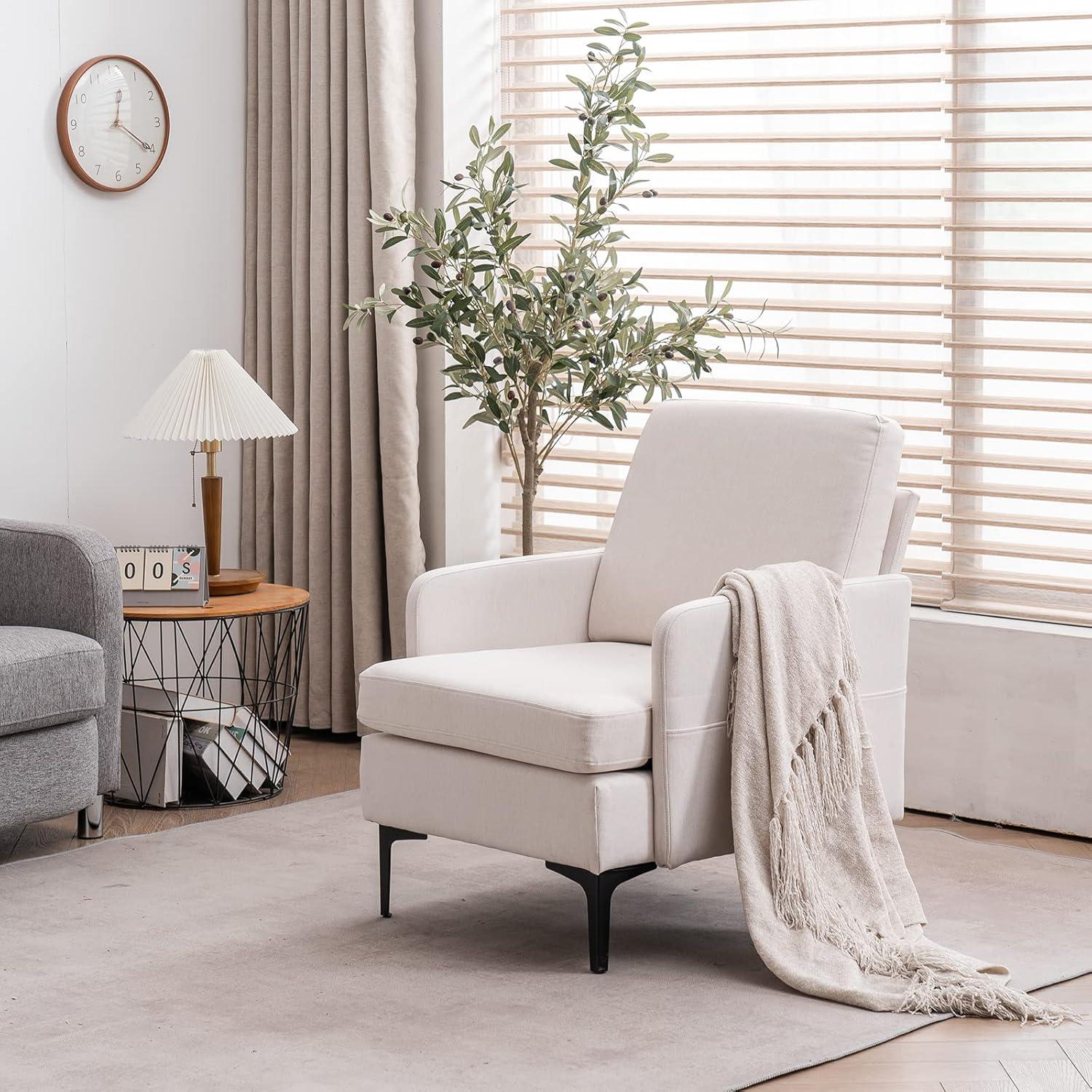
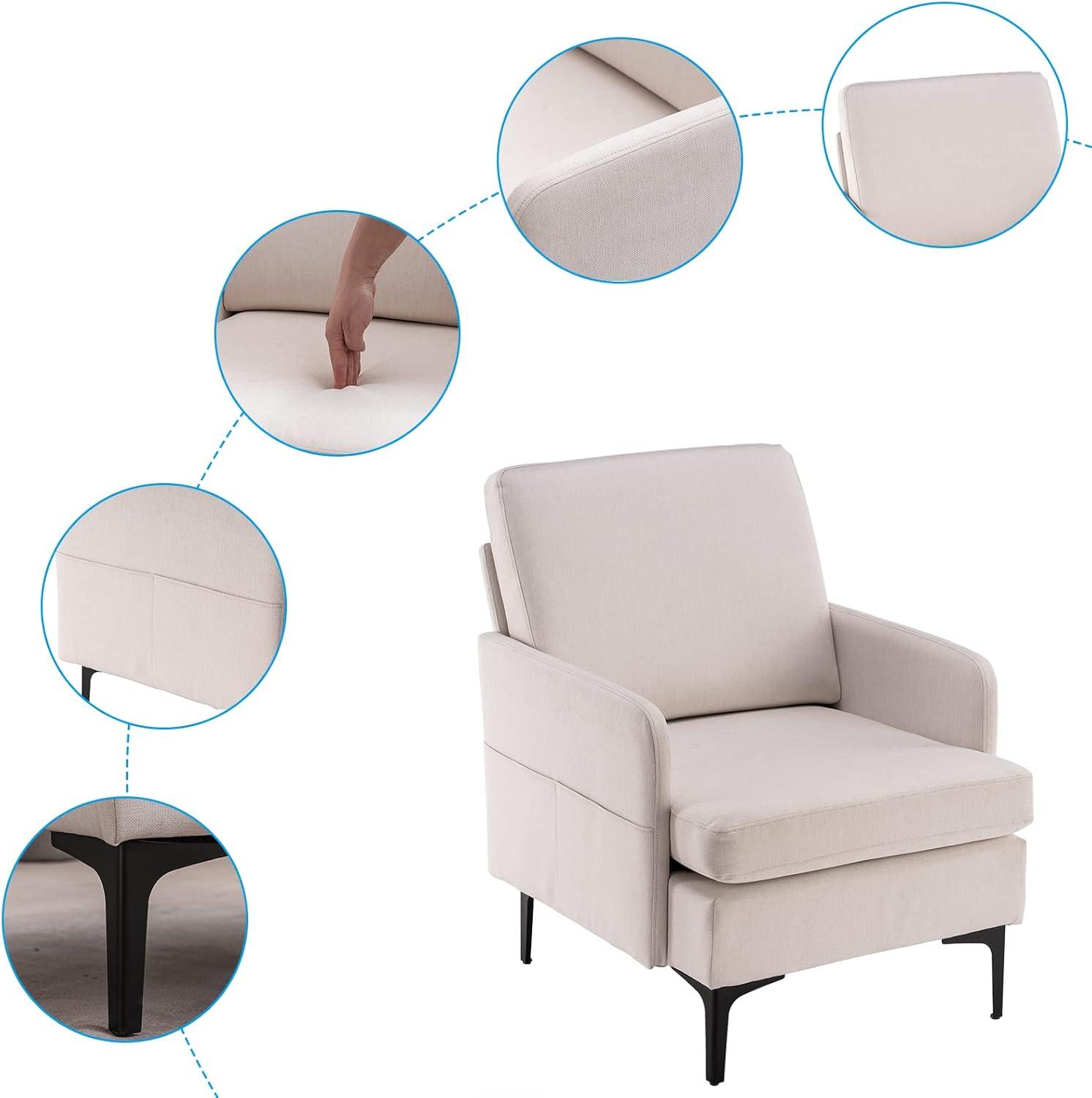
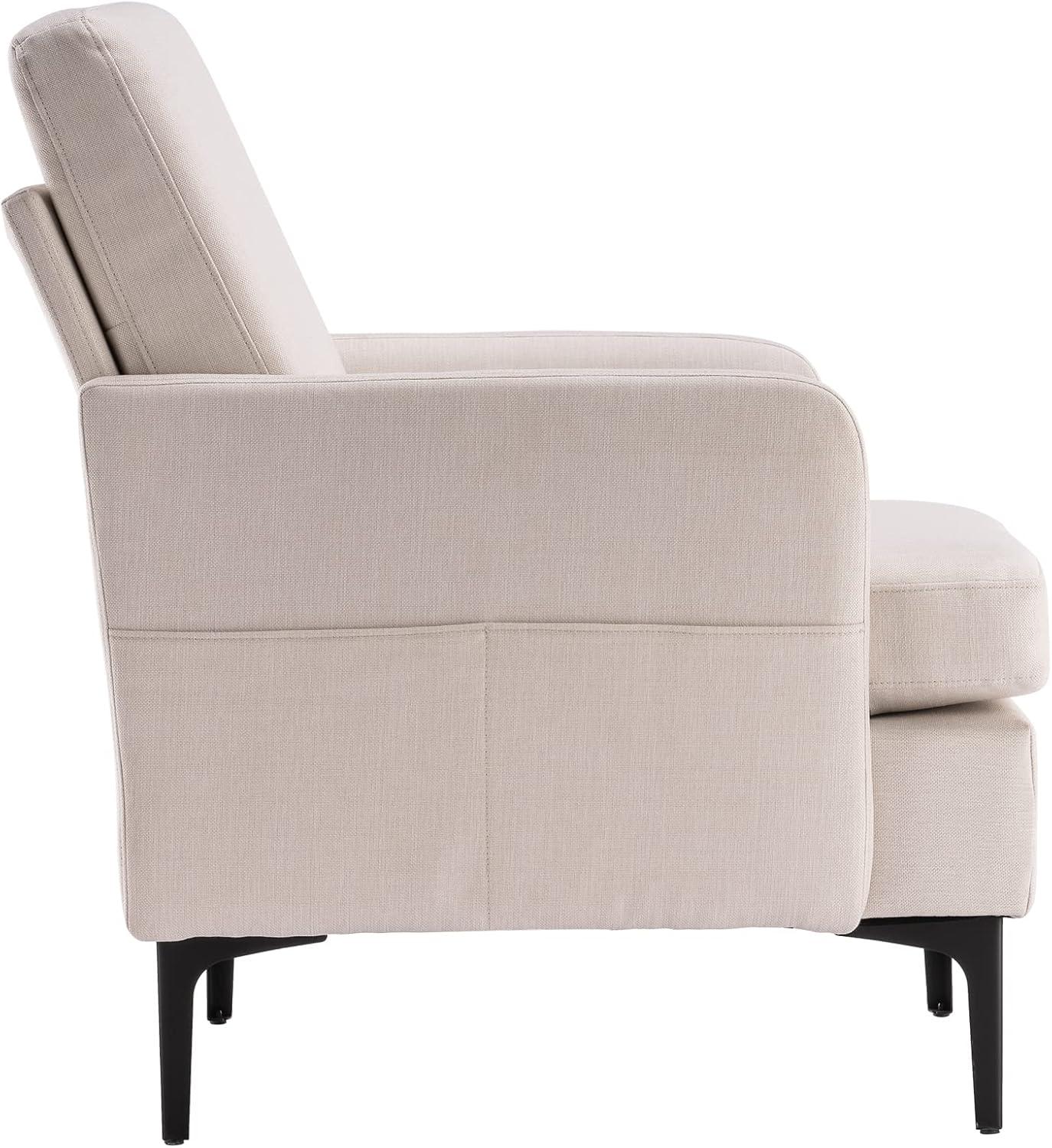
Up close, the chair reads as a compact, wrapped form: the back and arms flow into one another with a slight outward flare at the top edge, and the seat edge rounds under when you sit.The upholstery shows a visible weave — a linen-like texture that catches light and shadow as you shift. seams run along the outer arms and where the back meets the seat; when you smooth the cushion with your hand those seams settle into shallow creases, and the fabric can pull into small tuck lines at the corners. The seat cushion sits integrated into the frame rather than loose, so you notice the upholstery draping and compressing against the frame as you change position.
The legs and underside reveal the assembly geometry that holds the shape together. The legs are slim and angled,meeting the seat base at small metal plates where fasteners are visible if you glance underneath. Each foot has a protective pad that flattens slightly under weight and leaves a soft contact point on the floor. When you move the chair a little, the connection points and the narrow contact area of the legs make a subtle creak before everything settles; over time the metal-to-frame junction shows minor shifts in the finish where parts bear against one another.
| Area | What you notice up close |
|---|---|
| upholstery surface | Visible woven texture, faint sheen under light, small fabric tucks at seams |
| Seams and edges | Topstitched lines, shallow creasing with use, fabric drape into corners |
| Legs and feet | Angled metal legs, mounting plates visible beneath, compressible protective pads |
Proportions at a glance: seat depth, arm height and back angle for planning your space
When you set the chair into a room, three simple proportions become immediately apparent as you use it: how far back you sink into the seat, where your elbows land on the arms, and how the back tilts you.Those relationships show up in small actions — you slide a bit to find the sweet spot, you smooth the cushion edge with a hand, you nudge a seam into place — and they determine how the chair feels in everyday moments.
| Measure | Observed range |
|---|---|
| Seat depth (front edge to backrest) | about 20–22 in (50–56 cm) |
| Arm height (top of arm above seat) | roughly 7–9 in (18–23 cm) |
| Back angle (seat base to backrest) | around 100–105° (slightly reclined) |
In use, the seat depth makes you settle down rather than perch: you tend to sit back to let the cushion and backrest meet your lower spine, and you’ll sometimes bring a pillow forward if you want more thigh support. The arms sit a few inches above the seat so your elbows land on them without lifting your shoulders; reaching for something on a nearby side table often produces a small forward lean and an automatic straightening of the cushion where your weight shifted. The back’s modest recline encourages a relaxed posture — you naturally lean into it for reading or watching TV and make small adjustments with your hips and feet to change the angle of support.
These proportions interact when you move the chair through a room: the seat depth affects how close you’ll want it to a coffee table, arm height determines the clearance next to shelving or consoles, and the back angle influences how much visual and physical room the chair occupies when someone is seated. Expect those interactions to reveal themselves gradually as you sit, smooth the fabric, and find the position you return to most often.
Measurements and placement notes to map the chair into your living room, guestroom or dorm
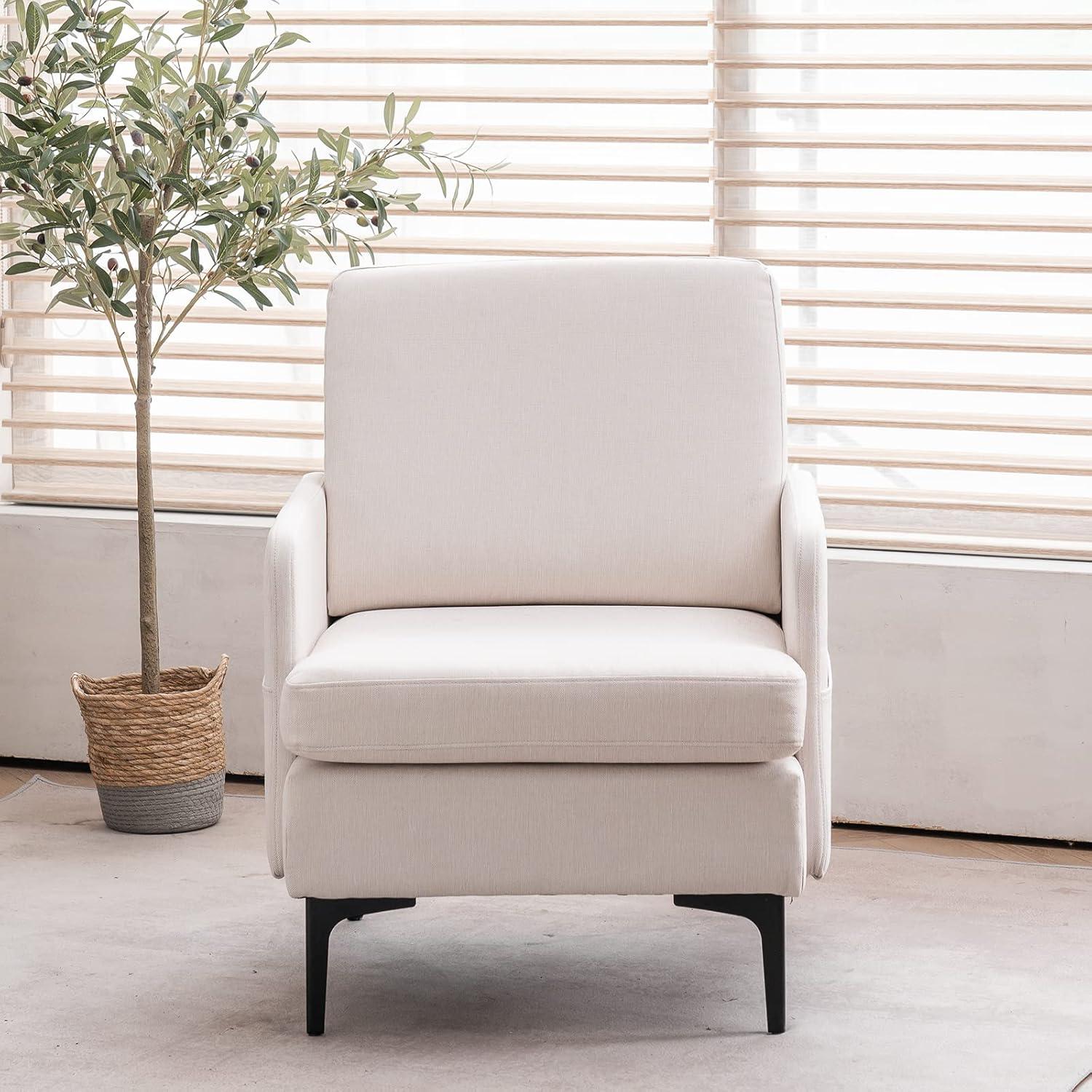
The chair generally occupies a modest footprint but leans a little more than a rigid-backed seat, so allowance for the backrest’s incline helps when plotting it against a wall or behind a sofa. Measured from the outer edges of the arms, the body of the chair tends to span roughly two to two-and-a-half feet across, while the front-to-back depth is frequently enough closer to three feet once the slight seat recline and cushion give are accounted for. The metal legs lift the base a few inches off the floor,which makes the underside visible and can affect how it reads next to low furniture or short skirting boards. When moved, cushions are often nudged and fabric smoothed; seams and the backrest angle settle into place after a short period of use.
| Overall width (arm to arm) | 28–32 in |
| Overall depth (front to back) | 30–34 in |
| Overall height (floor to top of back) | 32–36 in |
| Seat height (floor to seat) | 17–19 in |
| Seat depth (front of seat to backrest) | 18–21 in |
| Arm height (floor to top of arm) | 23–25 in |
In tighter layouts the chair tends to perform as a freestanding piece rather than one that tucks neatly under surfaces with low aprons; the arms and cushion depth usually keep it a few inches clear of coffee tables or narrow consoles. When positioned against a wall, leaving a small gap accommodates the inclined back without pushing the seat forward; in open-plan setups, a circulation path of roughly 18–24 inches in front of the chair often prevents knees or cushions from brushing other furniture during normal use. On soft rugs the protective pads compress slightly and the chair sits a touch lower than on hard floors, which can change the perceived seat height by an inch or so.Moving the assembled chair through standard doorways is usually possible without disassembly if it’s angled; seams and fabric frequently enough need light re-adjustment after relocation.
View full specifications and size options on the product page
How it measures up to your expectations and fits your needs: suitability, expectations versus reality and real-life limitations
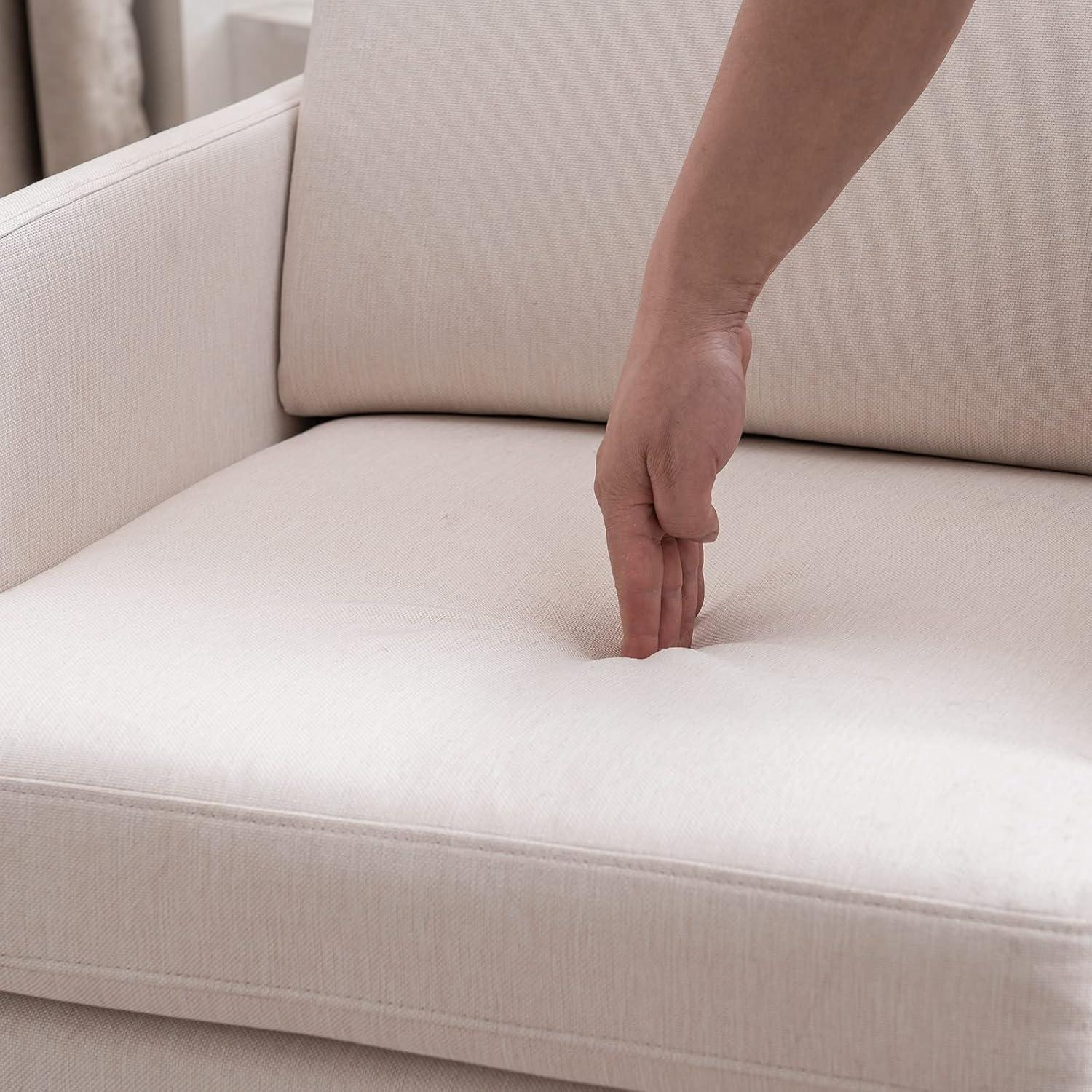
In everyday use the chair settles into a set of familiar behaviors. Many owners report that the seat feels slightly firmer at first and then softens as the foam compresses over a few weeks; occupants often find themselves smoothing the fabric and nudging the seat pad back into place after prolonged sitting. The backrest keeps a relaxed incline during shorter sessions, though for longer stretches the lower cushion can compress enough that people shift position more often. Moving the chair across hard floors produces a low scrape despite the footpads, and the metal legs can transmit small vibrations when the sitter shifts weight.
Expectations about appearance and upkeep also meet practical limits. The woven surface tends to snag or show lint where hands or clothing frequently contact it,and seams may relax around high-contact spots,prompting occasional smoothing or fluffing. Its footprint fits into modest rooms without dominating them, yet carrying it through narrow doorways or up stairs can feel awkward because of its shape and midweight construction.In short, the piece often performs close to first impressions but reveals small, everyday trade-offs—settling of internal padding, minor surface wear where it’s used most, and a degree of upkeep that most households adjust to over time.
| Common expectation | Typical observation |
|---|---|
| Immediate plush comfort | Initially firm, then softens after break‑in |
| Low maintenance fabric | Tends to collect lint/pet hair; spot cleaning needed |
| Easy to move around | Manageable but awkward through tight spaces |
View full specifications and colour options
Observed wear and upkeep from your everyday use around the house
You notice small,everyday signs of use that settle in quickly: the seat fabric develops a faint center crease where you habitually sit,and the cushion softens a little after several weeks of regular lounging. When you lean into the arms the seams slightly flatten and the linen-like cover shows short, shallow wrinkles that you instinctively smooth with your hand. Pet hair and lint collect on the surface in predictable patches, and you find yourself brushing the upholstery or running a lint roller across the seat more often than you expected.
scuffs and dust gather around the base, especially near the protective footpads; dragging the chair a few inches leaves faint marks on the pads themselves and small streaks on the floor in most cases. The metal legs pick up tiny scratches and fingerprints from frequent moving, though those marks are more visible at certain angles and under direct light. After sitting for long periods you sometimes shift the cushion to the side to realign it; it usually plumps back into place over a day, but repeated heavy use produces a slow, modest dip in the vrey center.
| Area | Observed change | Typical timing |
|---|---|---|
| Seat center | Mild compression and central crease | noticeable after several weeks of daily use |
| Upholstery surface | Lint, pet hair, shallow wrinkles from smoothing | Daily to weekly, depending on activity |
| Legs & footpads | Minor scuffs, dust buildup on pads | Visible after repeated moving or floor contact |
Small habits become part of keeping the chair looking the way you prefer: you smooth the fabric after sitting, straighten the cushion when it slides, and wipe away crumbs or spots soon after they happen. These are the kinds of upkeep motions that recur around regular household use, revealing gradual changes more than sudden ones.
How It Lives in the Space
Over time you notice the Pvillez Accent Chair, Living Room Lounge Chairs, Bedroom Chairs for Adults, Single Sofa Arm Side Chair, Modern Comfy Reading Armchair Used for Dorm Nursery Guestroom Furniture settling into a corner the way a habit does, taking on the small scuffs and softened areas that come with regular use. In daily routines its seat gives differently depending on the kind of pause — a short sit, a long read — and the cover creases where hands and laps meet, showing gentle surface wear rather of sudden change.As the room is used it shifts between roles, catching a throw, holding a bag, sitting quietly beside other furniture in your regular household rhythms. it stays.
As an Amazon Associate I earn from qualifying purchases.