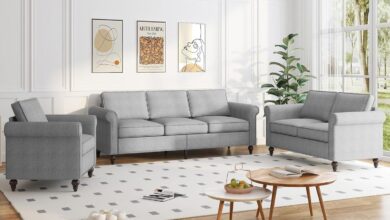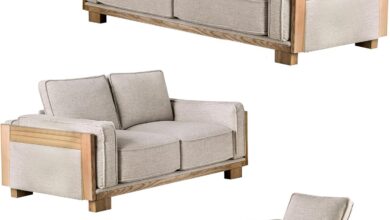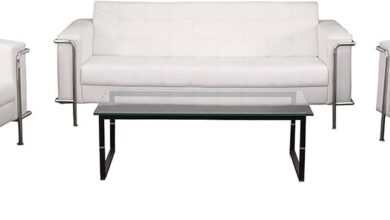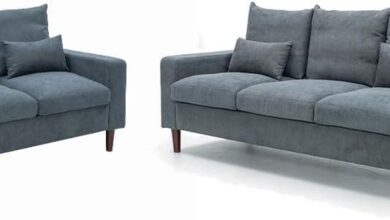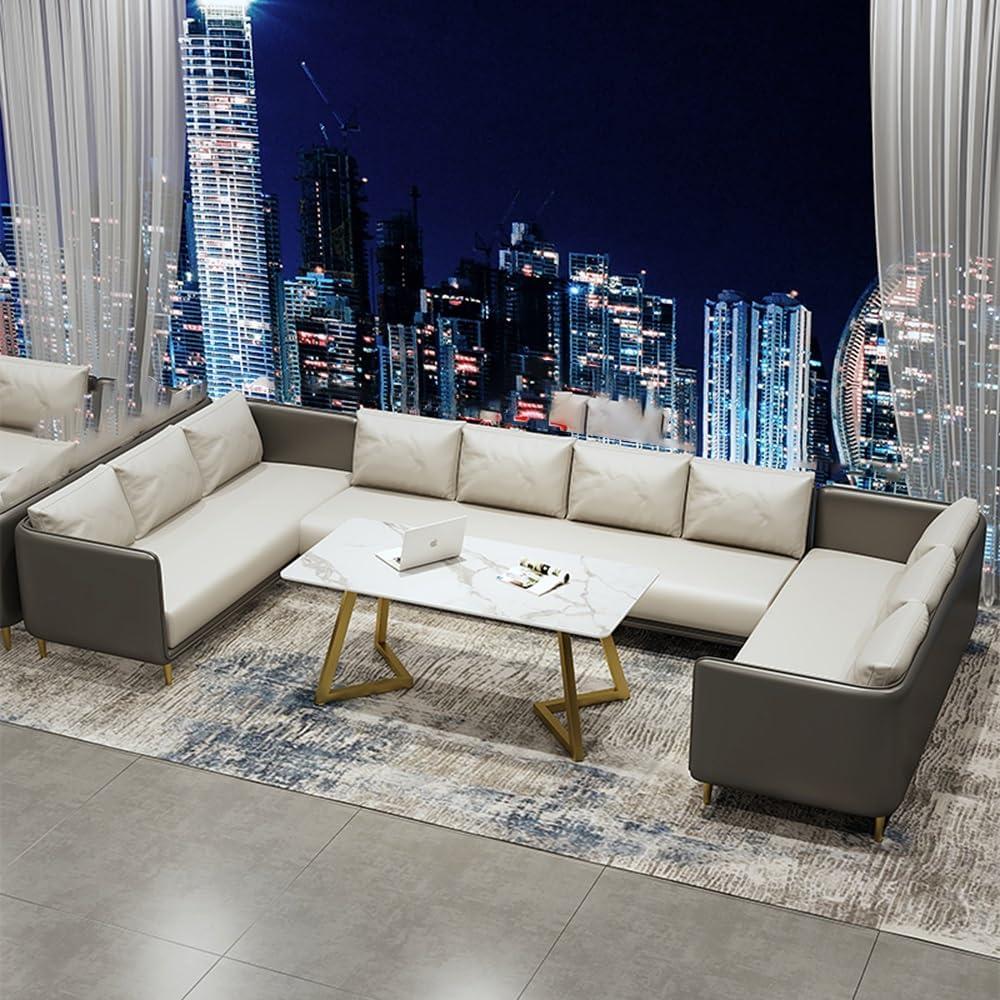
Seat Modular Sofas (8): adapt to your cafe or home

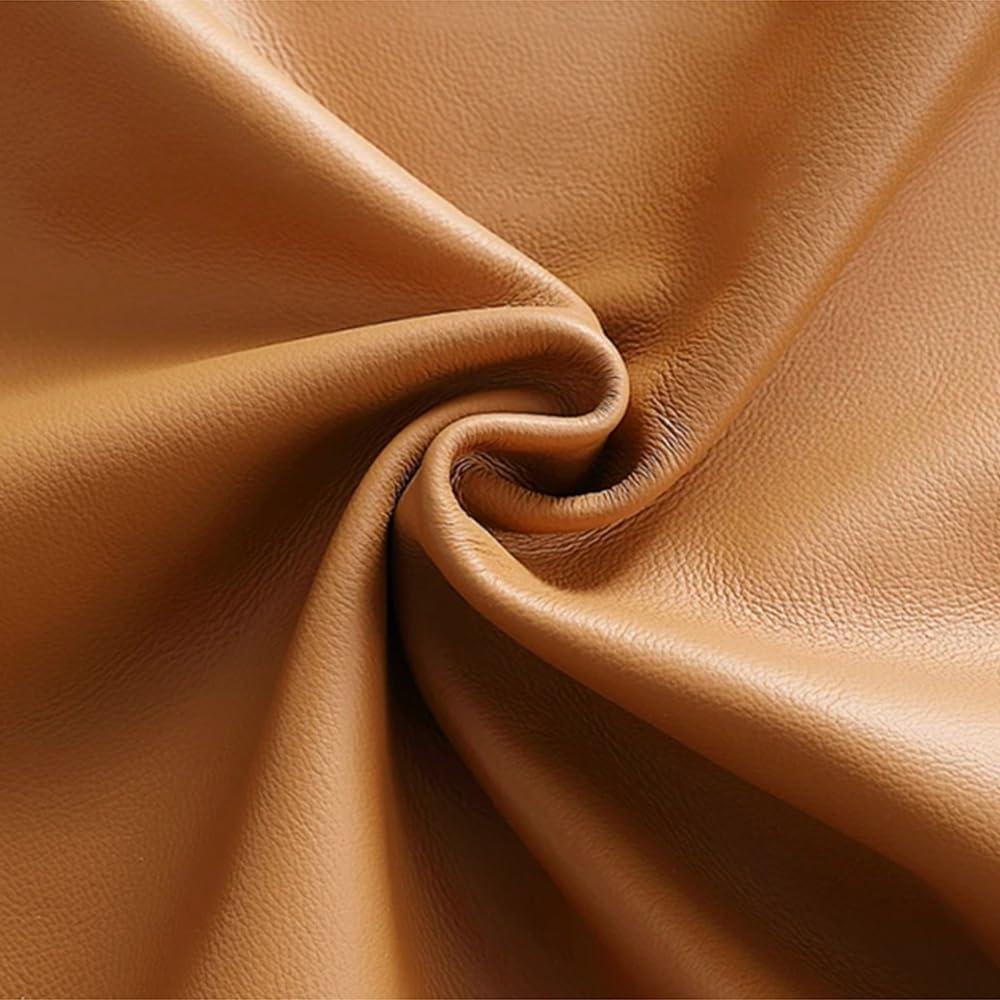
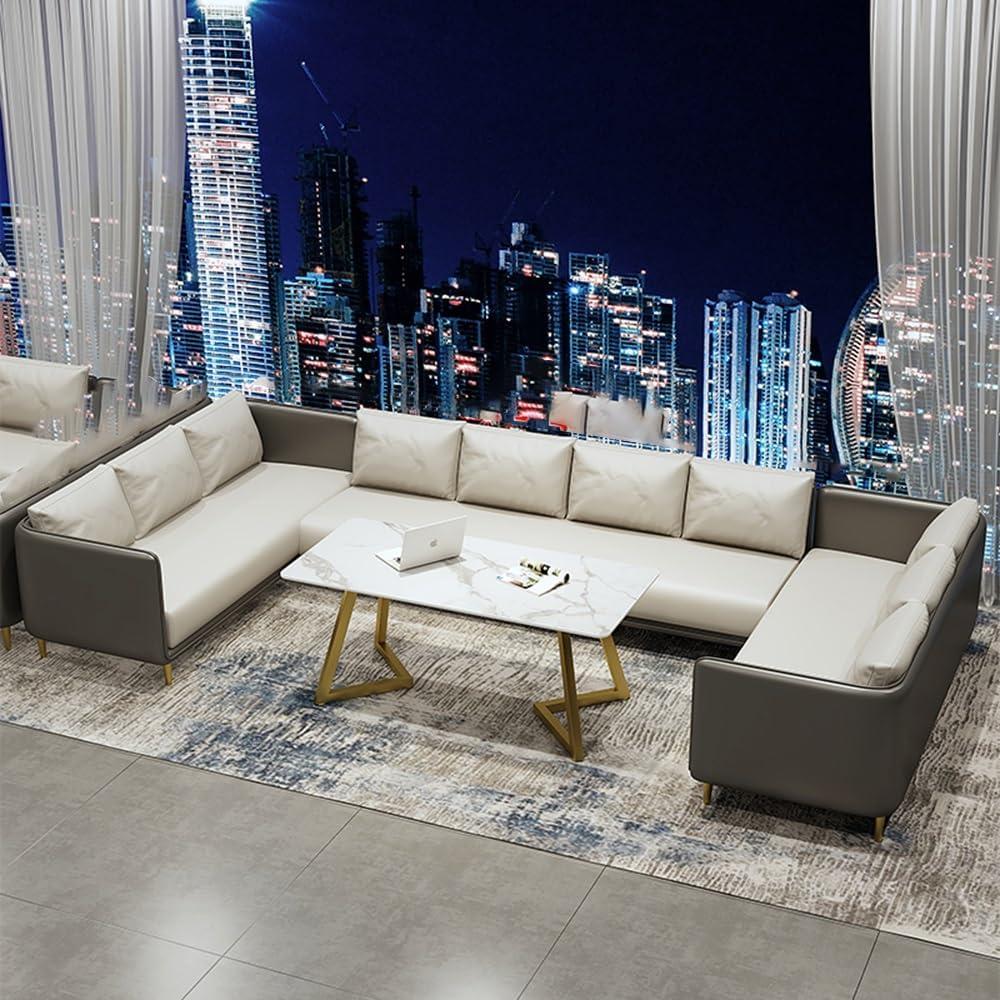
At first glance the set listed as “Seat Modular Sofas”—an eight-piece upholstered sofa and table grouping—reads like a casual hospitality corner rather than staged furniture.You run a hand along the leather and feel a subtle grain and coolness; the cushions give with a firm, resilient bounce rather of collapsing. The low backs and compact modules carry a modest visual weight that changes how the room breathes, while the slim metal legs and V‑shaped table corners catch light in a discreet, functional way. Small seams where sections meet and the way the pieces tuck together make it feel like something lived in, not merely placed.
Your first look at the modular sofa booth and table ensemble in a living or dining setting
When you first see the booth and table together in a living or dining space, the arrangement reads as a compact cluster rather than seperate pieces. Blocks of seating line up neatly against a wall or around a corner, and the tables slot in so tabletops sit almost flush with seat edges; from a short distance the group forms a single, functional mass. Light catches the upholstery differently across seat backs and the horizontal planes of the tables, so you notice a soft sheen on the seating and a more uniform surface across the tabletops. People settling into the set tend to shift cushions and smooth seams with a habitual hand movement, and those small adjustments are often the first sign of how the ensemble will live day to day.
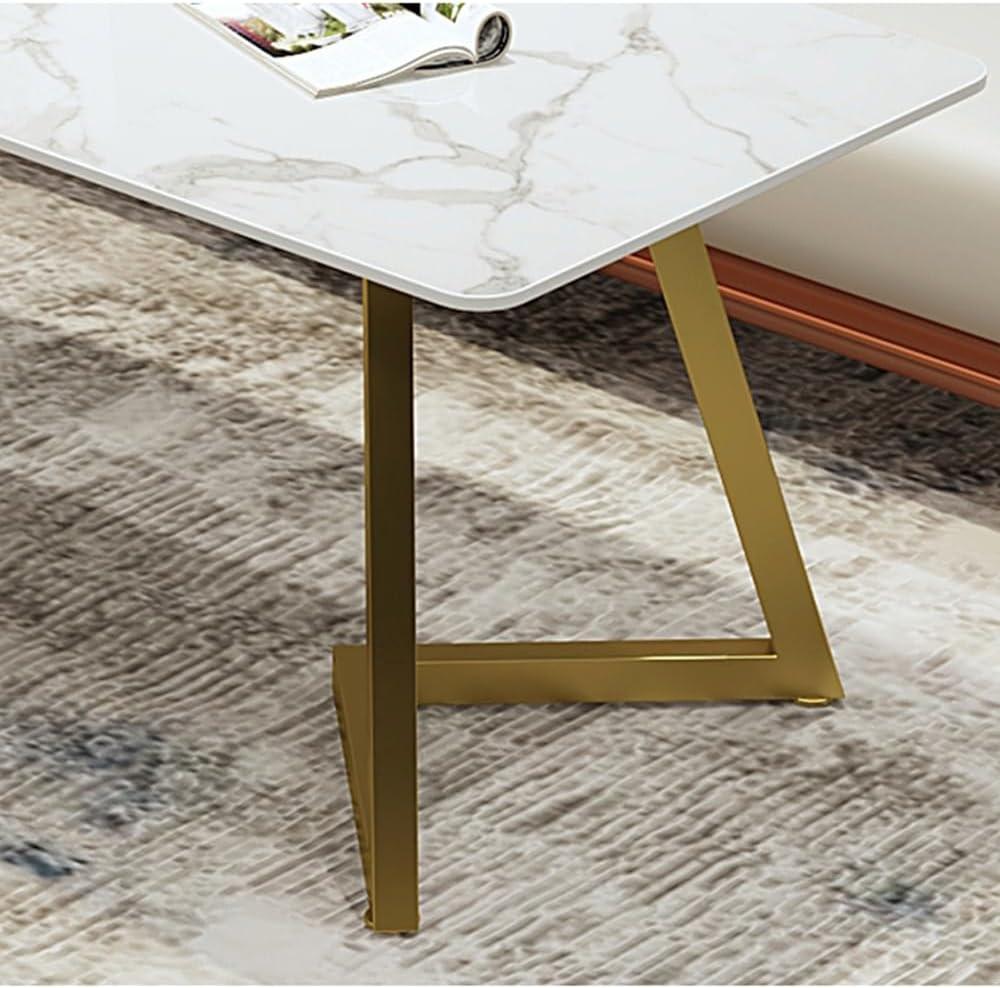
Up close, the tabletop corner and leg details draw attention.The corner support presents itself as a triangular meeting point where the desktop feels anchored, and the cylindrical legs maintain a consistent contact with the floor even as chairs are pulled in and out. As you sit, the cushions compress and then rebound; the surface shows faint creasing where weight is most frequently enough applied, and the backrests sometimes require a rapid tuck of the cushion to restore a neater line. In most rooms the pieces settle into the footprint you give them without drama, though on softer floors the legs may leave faint impressions after a number of uses.
| Visual cue | How it behaves in use |
|---|---|
| Leather surface | Reflects light unevenly; soft creases appear where hands and elbows rest |
| Seat cushions | Compress under load and spring back, often smoothed by occupants afterward |
| Table corner & legs | Corner reads as a stable junction; legs keep the top steady when chairs move |
How the styling scale and seating profiles read when you place them in your living room or a tea restaurant
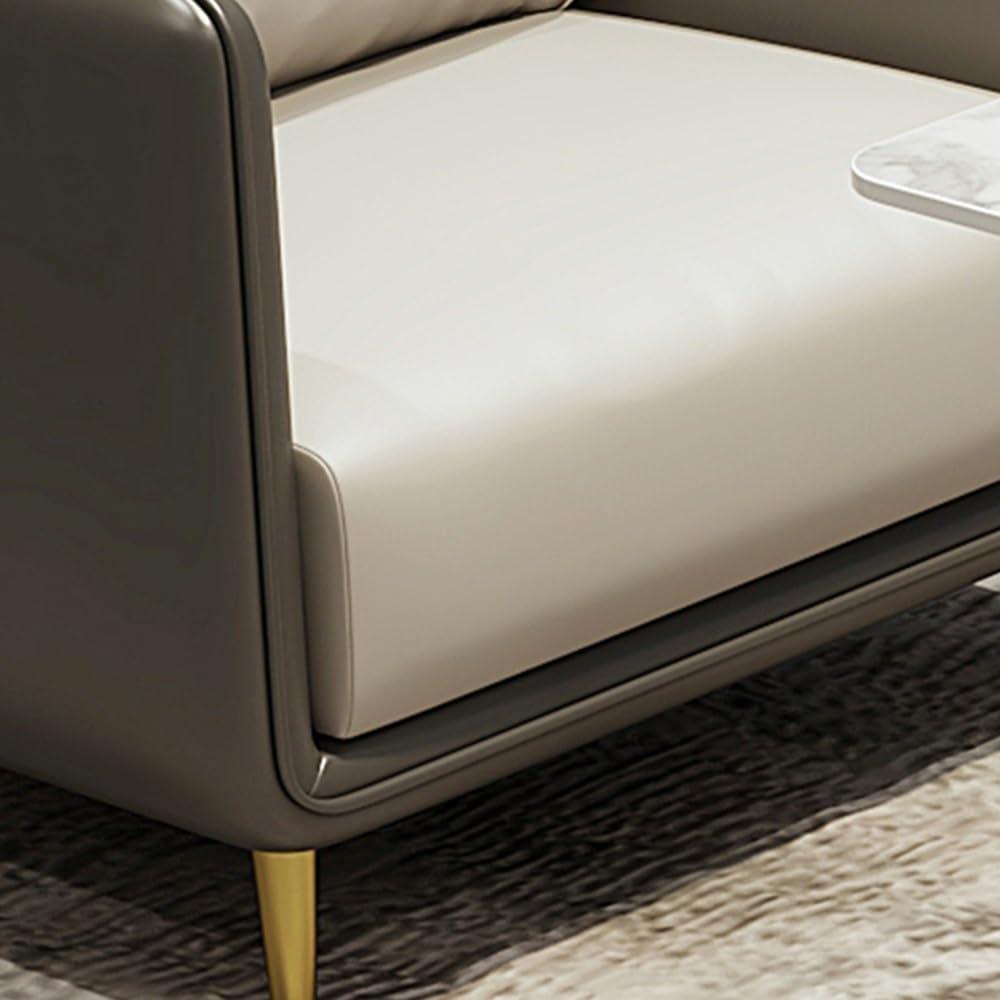
Placed in a domestic sitting area, the modules read as a loose room-defining element: they tend to anchor a corner or form a low-visibility division between TV and circulation space. The visual mass comes from the run of seatbacks and the repetition of cushion seams rather than any single statement piece,so the overall silhouette looks quieter at a glance and more textured on closer inspection. Daylight and evening light shift that texture—stitched lines and small gaps at joins catch highlights, while compressions in the padding become more noticeable after periods of use, when cushions are smoothed or nudged back into place.
In a tea restaurant setting the same pieces behave differently under movement and use. Arranged in runs or booths, they read as contiguous seating that encourages short, sequential stays; the profile emphasizes back-to-table alignment and the rhythm of repeats along a wall. Frequent ingress and egress makes seams and joins more legible: collars of fabric crease, edges show the occasional tuck or shift, and tabletop edges create a steady visual datum that holds the run together. During service hours the seating tends to look more compact and purposeful; at quieter moments, loose cushions and gently disturbed surfaces give a softer, more domestic impression.
| Living room | Tea restaurant | |
|---|---|---|
| Spatial role | Room anchor or conversational cluster | Linear booth or run along service areas |
| Silhouette effect | Low-key, textured by seams and cushions | Repeating profile, emphasised by tabletop alignment |
| Wear/readability over time | Cushion smoothing and occasional re-tucking | Visible seat compression and seam shifts from traffic |
The way the pieces settle into either environment—how joins catch light, how cushions are habitually nudged, and how the run reads against a wall or in open space—tends to reveal their day-to-day character more than a single staged view.
View full specifications and available size/colour options
What the upholstery frames and table surfaces reveal when you inspect them up close
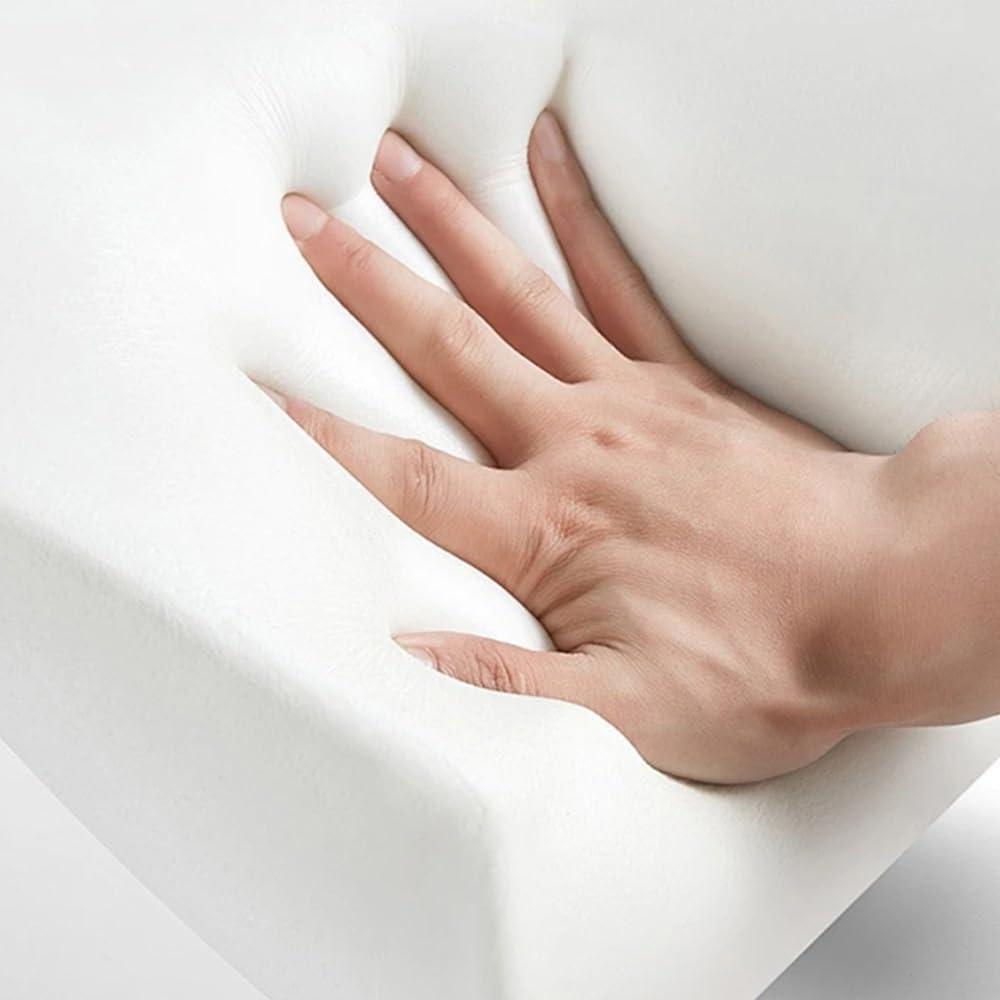
When you get close to the upholstered pieces your eyes and hands pick up different clues than from across the room. Run a palm along a cushion seam and you’ll feel the stitching pattern — some stitches sit tight and even, others relax into a tiny ridge where the fabric gathers after you smooth it down. Press the cushion edge and the cover gives way to reveal the foamS rebound; after sitting for a while that rebound can leave a shallow impression that your fingers can still detect.If you part the cushions to glance beneath them,the frame’s undersides show the practical work: glued blocks at corners,rows of staples that follow the curve of the webbing,and places where glue or resin has darkened the wood grain. Move the backrest a little and there’s a soft creak from the internal supports,a subtle reminder of where forces concentrate when people lean and shift. Small dust nests collect in the channels where cushions meet, and zipper pulls or Velcro tabs tend to migrate toward the seams as you habitually rearrange the seating.
Turning to the tables, a closer inspection highlights a different set of surface stories. Swipe a finger across the top and you’ll notice the way the finish shows use: faint micro-scratches around plate outlines, a smudged band where hands and cups usually rest, and tiny pits or variations in sheen that catch the light unevenly. Look under the tabletop and the support geometry becomes obvious — the connection points, visible screw heads, and welds that hold the frame together are places that tell you how the load moves through the structure when someone leans on the edge. The underside also reveals protective measures: glued-on pads or felt circles, small rubber buffers where the top meets the frame, and the way the legs are seated into brackets. When you nudge the surface with your palm, the tabletop and supports move in slightly different rhythms; the tabletop may sway a fraction before the legs follow, which is easiest to see at corners where several components converge.
| Feature | What you notice up close |
|---|---|
| upholstery seams & cushions | Stitch ridges, slight fabric puckering, foam rebound marks, zipper/Velcro locations, dust in seams |
| Frame underside | Staple rows, corner blocks, glue discoloration, visible joints and fasteners |
| Tabletop surface | Micro-scratches, handprint smudges, sheen variations, tiny pits or texture changes |
| Table supports & edges | Screw heads, weld marks, brackets, protective pads, small differential movement at corners |
Everyday setups you can try in your dining nook reception corner or rest area
You may find the pieces settle into a compact dining nook with the seats pushed close to the table, cushions compressing slightly where knees meet upholstery and armrests nudging against one another as people shift to pass plates. In that layout the tabletop usually becomes a landing for a shared platter and a few tumblers; the surface stays steady when you set things down, and cushions are smoothed more than once during a meal as people readjust their posture. Small habits show: someone will tuck a bag behind a seat,another will slide a napkin under an elbow,and seams and stitch lines flatten where laps rest.
In a reception corner the arrangement often forms a conversational orbit — two or three seats angled toward one another with the table between them. Papers and a laptop are set on the tabletop and remain where placed while hands gesture over them; at times the chairs are nudged outward to create more personal space,then pulled back as the discussion tightens. You’ll notice the cushions regain shape after long sits, though people still pat and plump them during pauses, and feet tend to find consistent spots beneath the table, tracing the same pathways through the carpet or tile.
| Everyday setup | Typical in-use behavior observed |
|---|---|
| Compact dining nook | Cushions compressed at contact points, table used for shared dishes, quick smoothing of fabric between courses |
| Reception corner | Seats angled for eye contact, tabletop holding documents steadily, chairs shifted for brief surges of space |
| Rest area | Casual lounging, occasional reclining against a backrest, small migrations of cushions and throws during longer rests |
When the set is used as a rest area you’ll see more gradual motion: a cushion is nudged, a seam shifted, a throw folded over an arm and then slid to the floor. the table may serve as a temporary surface for a book or a mug that’s carried back and forth; over time the arrangement tends to settle into a few repeated patterns — a favored seat, a habitual armrest spot, a pathway for feet — and everyday interactions reveal those small trade‑offs between mobility and comfort without dramatic rearrangement.
how the set measures up to your expectations and the space realities you face
The set generally behaves like a flexible kit rather than a fixed installation. In practice, pieces slide into different layouts with moderate effort, but seams and cushion edges often need a quick nudge after rearranging; cushions tend to shift inward where modules meet, and armrests can feel slightly askew until pushed back into place. In narrower rooms a straight run opens sightlines and leaves a narrower movement corridor; in wider rooms the same modules, when rearranged into an L or U, create a more enclosed cluster that changes how people circulate around tables and between chairs. These patterns show up most clearly during busy moments, when multiple people enter, stand, or pass between seats.
Over the course of normal use the ensemble settles into a familiar rhythm: seats rebound after standing, fabrics smooth with a few passes of the hand, and joints that were tight on first assembly loosen just enough to make later repositioning easier. Small misalignments between modules tend to reappear after heavy use, and tabletops can become focal points for repositioning (sliding a chair or angling a module) as conversations or service flows change. In most cases the set adapts to changing spatial needs, but it also invites occasional micro-adjustments to keep circulation clear and surfaces aligned.
| Configuration | Typical spatial footprint | Observed effect on circulation |
|---|---|---|
| Straight | Linear, narrow | Encourages side-by-side seating; pathway remains parallel and compact |
| L-shaped | Corner-focused, medium | Creates a semi-private nook; requires slightly wider clearance at the open end |
| U-shaped | Enclosed, larger | Forms a conversational island; movement around outer edges becomes the norm |
View full specifications and size options
Delivery assembly and basic care notes you observe when bringing it into your home or venue
On arrival, the pieces usually come wrapped and boxed so you’ll first spend a few minutes peeling back protective film and cardboard. You’ll notice compressed cushions that look slightly flattened from packing; they tend to puff back over the first day or two as the filling relaxes. Metal legs or table feet are frequently enough wrapped separately in plastic and tucked into a small hardware packet; when you fit them you’ll see factory threads and simple screw plates that align without force. There is a faint factory scent at first in many cases, which eases with ventilation. Little surface creases and fold lines in the upholstery show up immediately where straps held panels together; those soften as you smooth the material and sit on the seats a few times.
Bringing modules through doorways and into place exposes practical details: brackets and tongues line up but can shift a little until you nudge them together, and seams will pull taut as parts settle side by side. The underside of legs typically has plastic or felt glides that become visible when you tip a corner up; they help when you slide pieces but can catch dust or leave faint marks on some floors until rubbed once or twice.As you arrange cushions you’ll find yourself smoothing creases and nudging seams—an unconscious habit that aligns the upholstery and hides small transit wrinkles. In daily use over the first week you’ll notice the stuffing redistribute slightly and cushions forming natural seating hollows; routine wiping of crumbs and the occasional pass with a soft brush keeps seams tidy without much effort.
| Moment | What you’ll typically observe |
|---|---|
| Immediately after unpacking | Compressed cushions, wrapped legs, protective film, minor creases in upholstery |
| During assembly/placement | Bracket alignment requires nudging, hardware in a small bag, glides visible under legs |
| First few days | Cushions rebound, seams settle, slight scent dissipates, fabric and leather soften with use |
How the Set Settles Into the Room
With the Seat Modular Sofas Tea Restaurant Booth upholstered sofa couch set in place, you notice how it loosens into the room over time, less announced than simply woven into daily use. In regular household rhythms it becomes the place where bags are dropped, quick conversations happen, and evenings smooth out — the cushions soften in the places people favor and the give of the seats changes with repeated sitting. Small scuffs at the base and the faint flattening of one cushion quietly map how the room is used. After a while you notice it becomes part of the room.
As an Amazon Associate I earn from qualifying purchases.