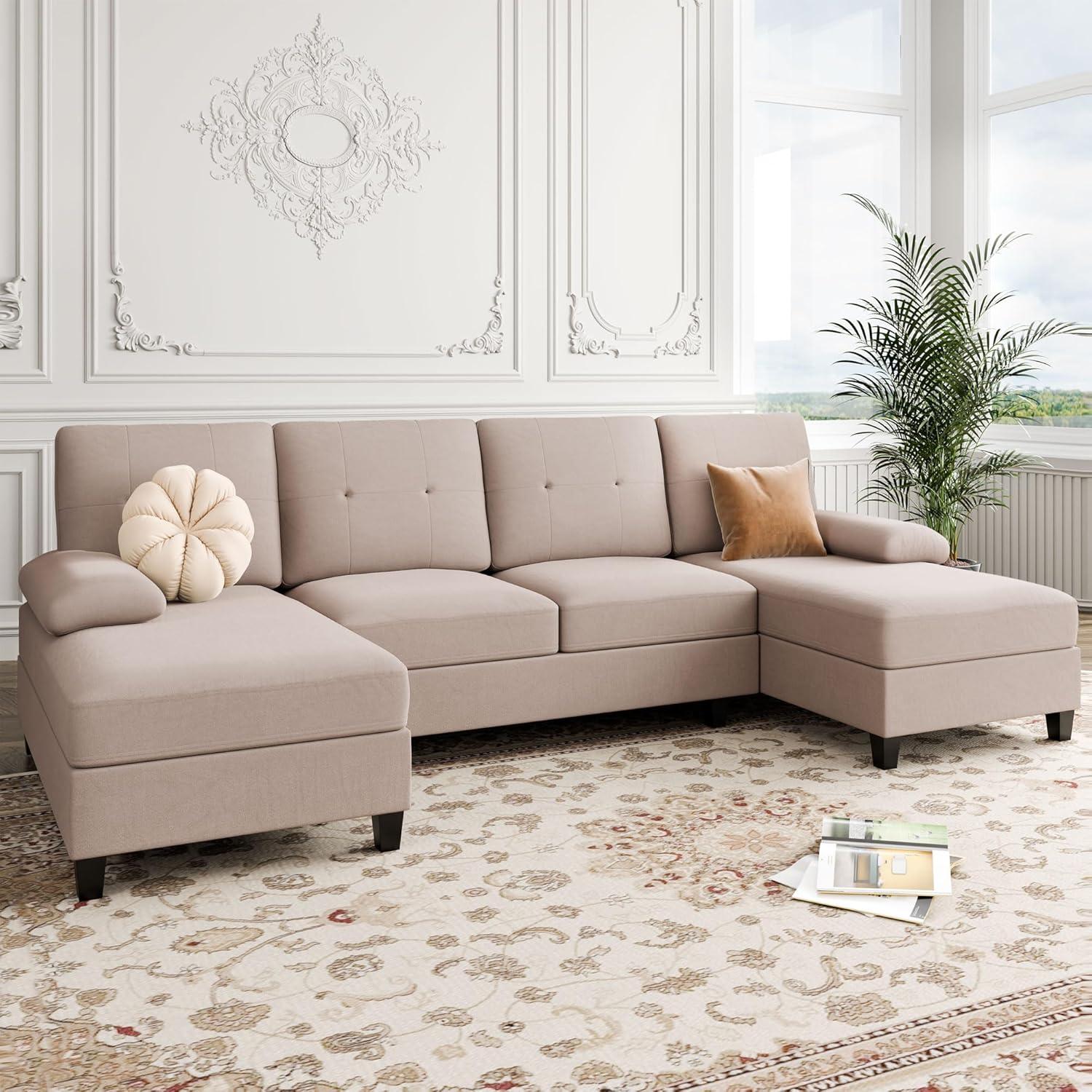
Shintenchi Sectional Couches: how it fits your living room

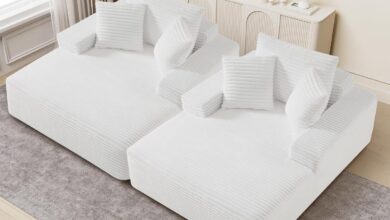
placed in an everyday living room, the Shintenchi U-shaped sectional reads like soft architecture: a low, broad silhouette that anchors the view without shouting. Run yoru hand over the beige linen and you feel the weave and the neat, precise stitching—cushions that look tailored, not tossed. The twin chaises stretch the piece horizontally and change the room’s rhythm; from where you sit the sofa alters sightlines and adds a quiet visual weight. Even as the cushions are still settling after unpacking, the seat depth and foam make themselves known the moment you sink in.
A first look in your living room: the beige U shaped sectional’s scale and style

When you first see the beige U-shaped sectional in your living room, it reads as a grounded presence. The U-plan funnels attention inward: from across the room you notice broad,horizontal planes—the backrests and chaise surfaces—that make the seating feel like a single,cohesive form rather than separate pieces. The linen weave softens those planes; under different light it can look warm and muted or a touch chalky, so the same sofa will register slightly differently at various times of day.
Up close, the stitching and seams become the visual rhythm that breaks the expanse. Cushions tend to show small,casual creases where people lean or recline,and you might find yourself smoothing a seam out of habit; the lines don’t disappear,they just relax into use. from a side view the sectional presents a layered silhouette—the chaise sections extend the profile outward and make the whole unit read as wider and lower than other sofas you might have. In motion, the U-shape guides sightlines around a central zone where conversations or TV viewing naturally settle.
| Vantage | What you notice |
| From the doorway | A broad, anchored form with a subtle linen texture and softened edges |
| At eye level from across the room | Horizontal stitching and chaise extensions that emphasize width |
| close up while seated | Fabric give, faint creasing at contact points, and the way seams shift with movement |
Linen surface and inner frame: the materials you can see and touch
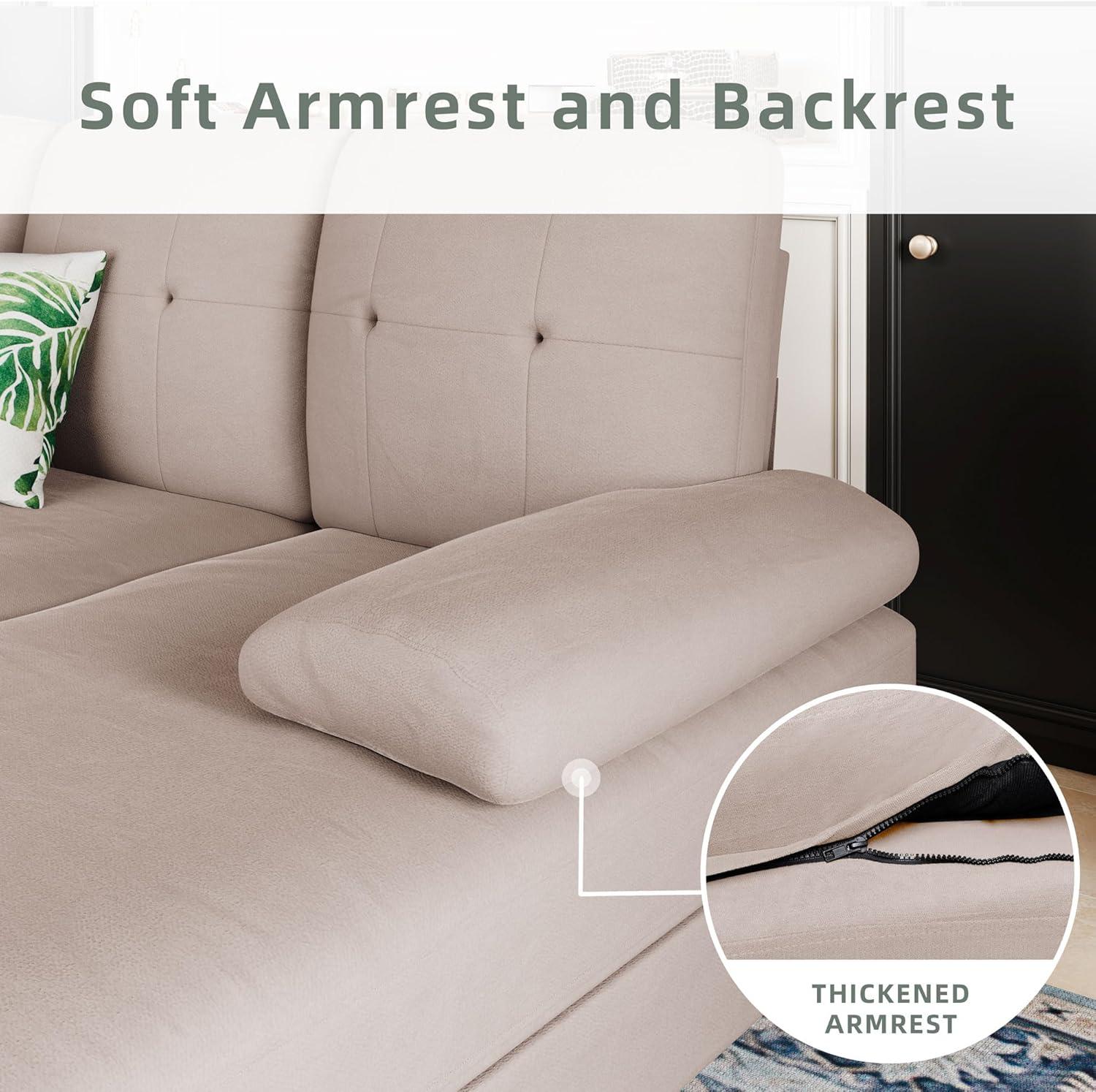
When you run your hand along the upholstery, the linen surface reads as a tight, slubbed weave rather than a smooth, glossy finish. the beige tone shifts slightly with the nap; areas that get more contact—arm tops, where you lean back, the edges of the chaises—show faint flattening and soft sheen compared with less-touched panels. you’ll notice stitching lines and seam allowance beneath the fabric; smoothing a cushion frequently enough causes the weave to settle along those seams, and small puckers form where panels meet. Zipper pulls are tucked under flaps on the removable covers, and the fabric gives a little under fingertip pressure before rebounding, so you feel both texture and a modest springiness at once.
Lift a corner or peer under the base and you can see and feel the frame elements that shape the sofa. The wooden rails and legs present as firm, grain-marked surfaces at contact points; they’re most obvious where fabric is pulled taut at the bottom edge or where the sectional sections join. Metal brackets and fasteners appear at connection points and produce a localized, colder touch than the linen and wood. Where cushions rest on the frame the contact creates a firmer plane, while the upholstered sides give slightly when you press them together. You may find yourself subconsciously nudging corners or smoothing the upholstery after sitting—the way the fabric stretches and readjusts over those underlying ribs and joints is part of the everyday,tactile experience of the piece.
| Material | Where you see or feel it |
|---|---|
| Linen fabric | Upholstery surface, seams, cushion covers (textured, slightly slubbed) |
| Wood | visible at legs, base rails, and where sections join (firm under the fabric) |
| Metal fasteners | Connection points and underside brackets (cool to the touch) |
Seat depths, cushion layers, and the double chaise layout as you encounter them
When you lower yourself into the seats, the first thing you notice is how the depth behaves depending on what you do with your legs. Sitting upright,your thighs meet the front edge sooner than a deep lounge seat would,and you tend to scoot back against the back cushions to find a looser posture. If you stretch out across a single seat or curl up cross-legged, the same depth feels roomier — there’s just enough surface to tuck your knees without the back cushion suddenly crowding your lower back.The front edge has a modest roll to it; over the course of a movie you’ll find yourself shifting weight a little and smoothing the fabric where your knees rest.
The cushion stack presents itself as a layered experience rather than a single plane. When you sit, a thin, softer top layer gives first, the next layer offers firmer pushback, and the base keeps the feel from collapsing entirely. At first contact the top layer compresses noticeably, and then the denser layer underneath slows further sink. Routine habits — a fast pat to even out a lump, sliding a hand along a seam, or nudging the loose back cushion into place — are part of using the set.Over time and with repeated sitting the top surface can form subtle impressions where weight is most often placed, and you’ll catch yourself rotating or fluffing the cushions to redistribute that compression.
The double chaise layout changes how you move around on the sectional. As you switch from one chaise to the other,there’s a small moment where a seam between sections becomes the natural pivot: you step over or cross the join,and the cushions there may shift or need a nudge to realign. Lying across a chaise, your hips sink slightly into the meeting point of seat and back cushions, and your feet rest on a flatter plane compared with the shallower middle seats. When two people use the chaises at once, the center span can feel like the hinge — cushions press together, fabric moves, and occasional light gaps appear along the join until someone smooths them out.
| Position | How it feels as you use it |
|---|---|
| Sitting upright | thighs hit the front edge quickly; you slide back to relax into the back cushions |
| Curled up / cross-legged | Seat depth feels roomier; top layer compresses more noticeably |
| Lying on a chaise | Hips settle into the join; feet rest on a supportive, flatter surface |
How it occupies your space: dimensions, modular arrangements, and access points
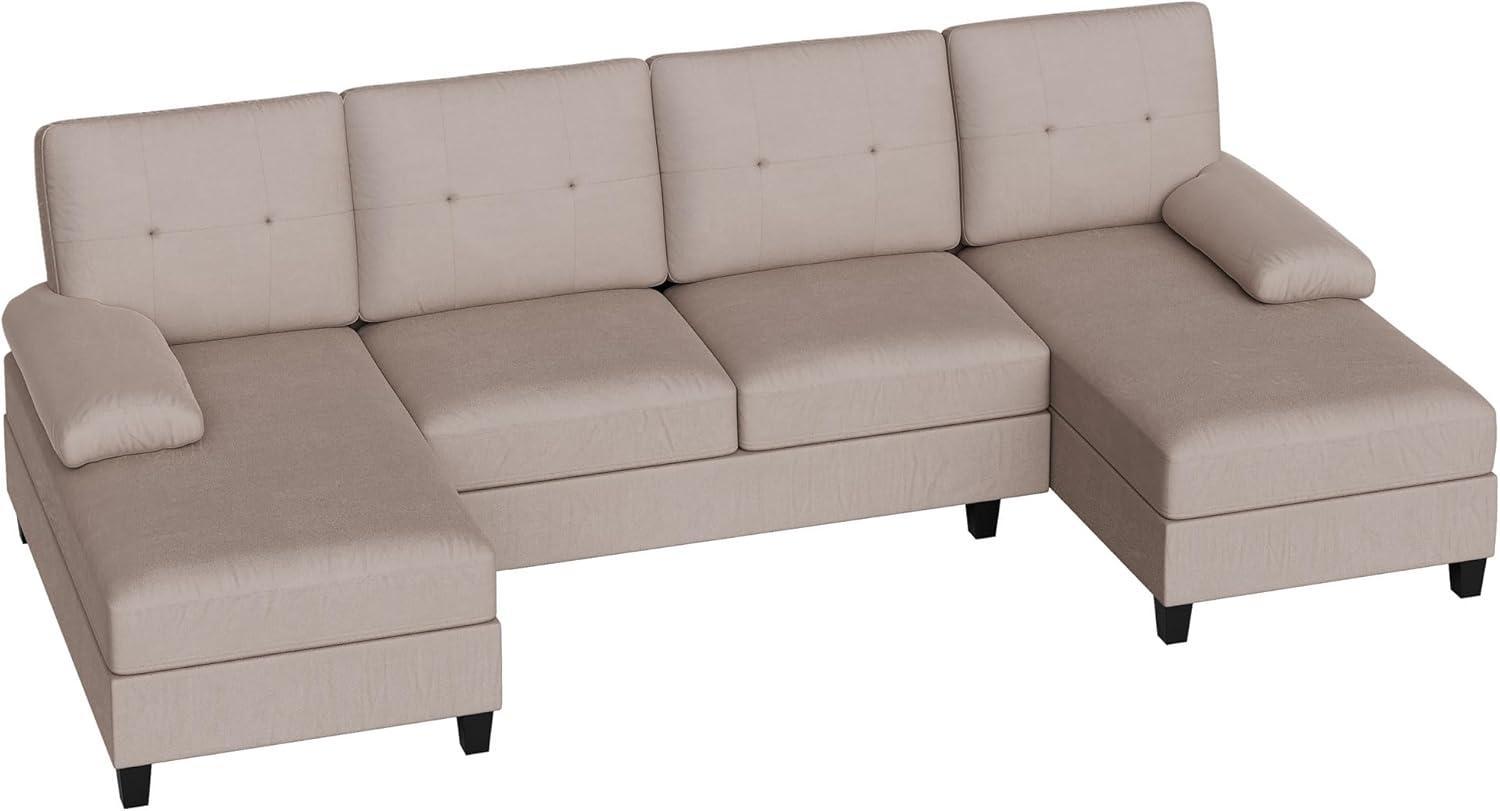
When you place the U-shaped sectional in a room it quickly defines a central seating cavity: the double chaise wings jut out to either side, creating long horizontal planes where you naturally stretch out or slide along the seam between sections. From the couch, the room beyond tends to feel framed — you sit facing a shallow channel formed by the backrests and the two chaises. Walking around it, you’ll find the most obvious approach is from the open front of the “U”; the back is compact enough that you usually move along the outer perimeter rather than try to pass between the back and a wall.
The unit arrives in connected pieces and the joins show up as narrow seams that settle a little with use; you may find yourself nudging cushions or smoothing fabric where sections meet. Entrances into the seating area are straightforward: the open side of the U is the primary access point, while the chaise ends offer low, step-over access when you slide onto them lengthwise. The seat height and arm/profile proportions make getting on and off feel consistent across the run, and the overall footprint occupies a broad, low plane that redirects foot traffic around its outer edge more than thru its interior.
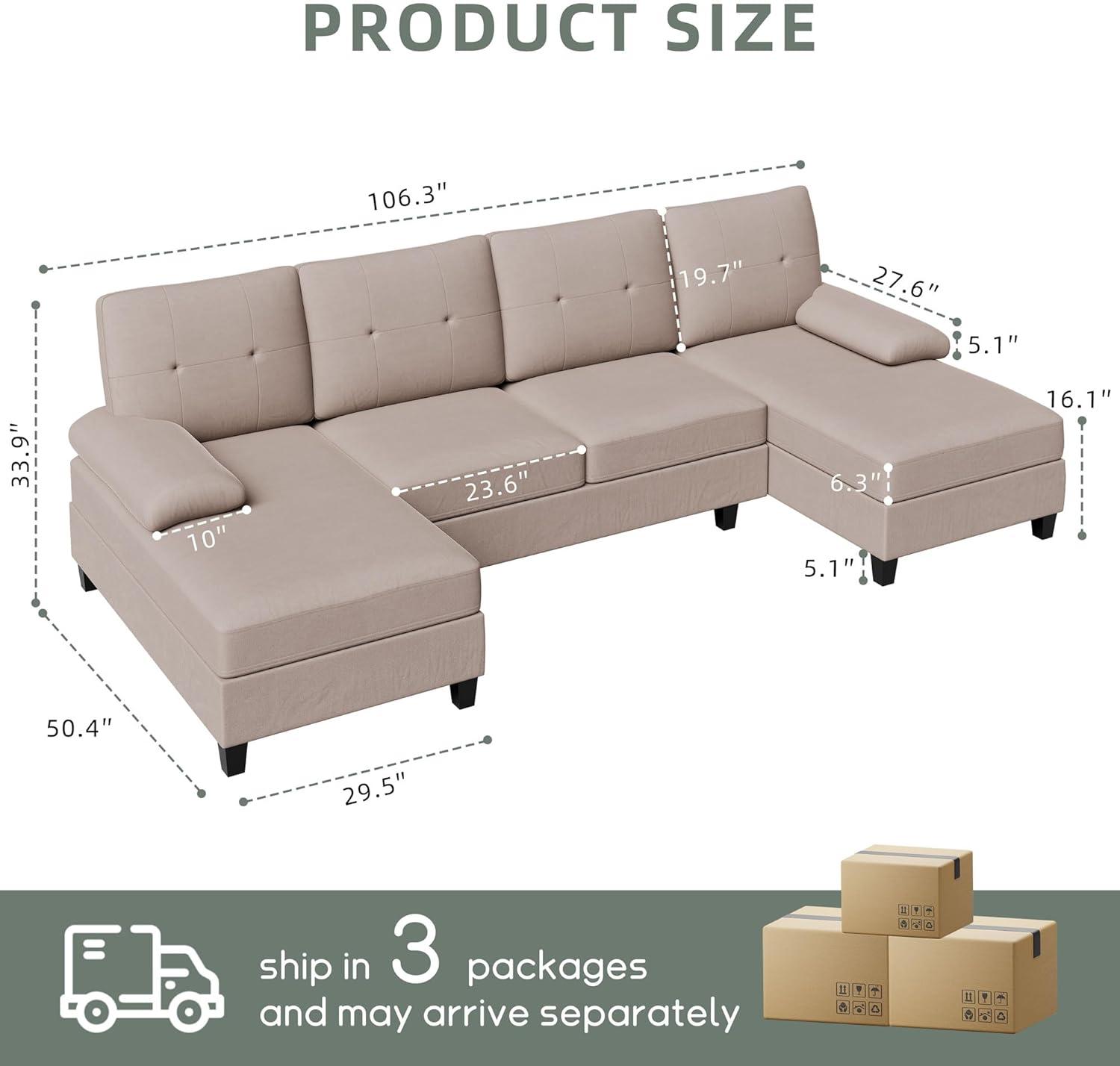
| Measured footprint | 106.3″ (L) × 50.4″ (W) × 33.9″ (H) |
|---|---|
| Seat height | 16.1″ |
How this sectional aligns with your day to day needs and where it shows limitations
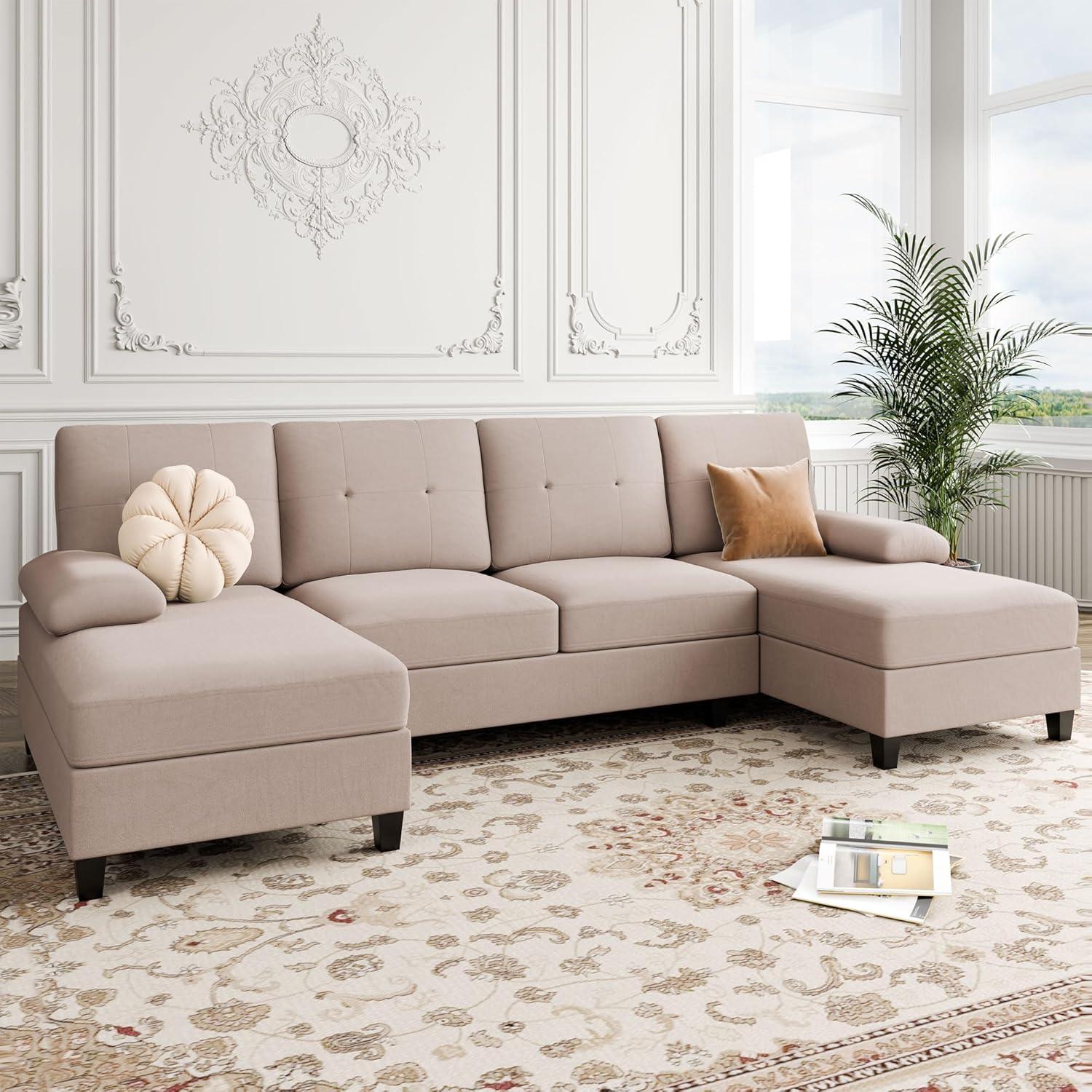
In everyday use the U-shaped layout makes social interaction and lounging feel natural: people face one another, feet find the chaise without much thought, and cushions compress under shifting positions before springing back. The fabric shows creases where weight is regularly placed, and seams are often smoothed or nudged into place after prolonged sitting.During a typical week the sectional settles into household rhythms — cushions compact slightly in high-traffic spots, throws collect on the chaise, and light impressions from laptops or curled-up reading will linger until the padding evens out again.
at the same time, the sectional’s form reveals some practical limits in lived settings. The broad footprint changes room circulation, so pathways around the sofa get reworked and vacuuming or cleaning beneath corners becomes a more involved task. Some joins and attachment points benefit from occasional realignment after moving cushions, and the upholstery can show quick surface impressions or lint in the same places where activity concentrates. Initial setup also unfolds over a short period: parts arriving separately and newly unpacked cushions needing time to rebound means the seating experience can evolve noticeably over the first day or two.
View full specifications, sizes and colour options on the product page
everyday handling: assembly, maintenance, and the small chores that fall to you
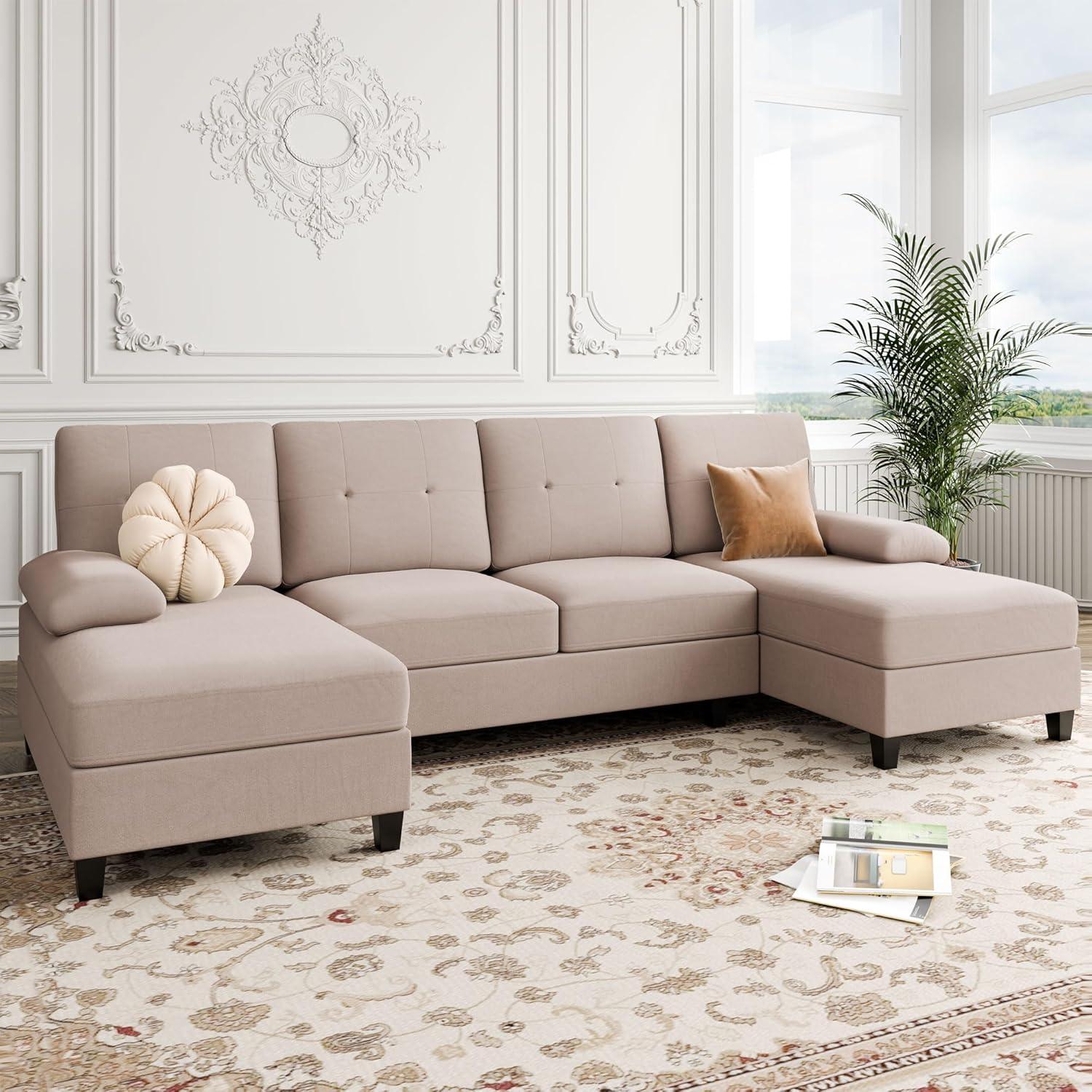
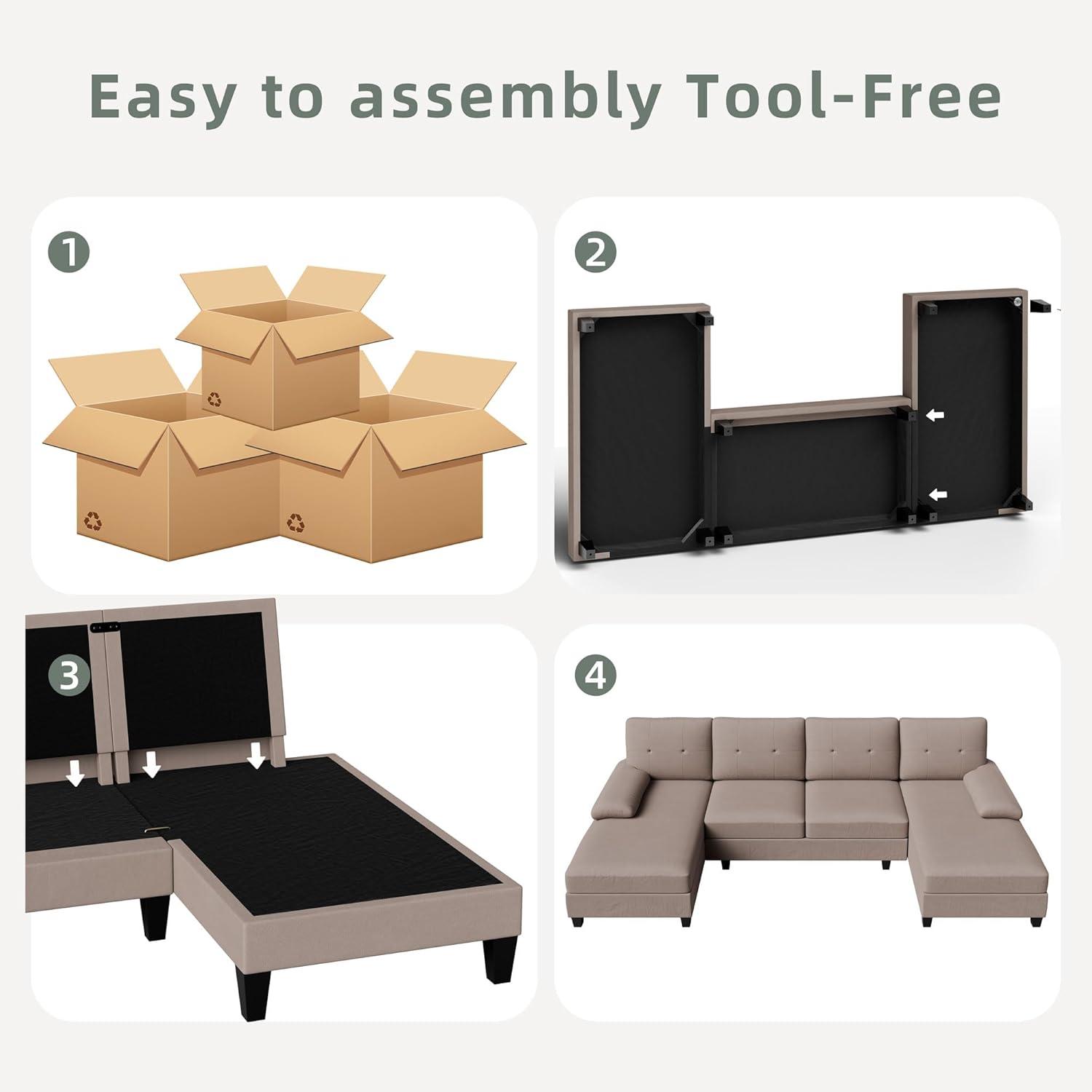
When the boxes arrive and you set the modules in place, the first tasks are tactile more than technical. You’ll find yourself nudging sections together so the seams meet, screwing on the feet with fingers that don’t always line up perfectly the first time, and sliding the chaise portions into position until the joints click. Once the cushions come out of their wrapping and begin to plump, you’ll spend a little time patting them back into shape and tucking the corners of the linen where it has bunched; the fabric settles unevenly at first and then drifts into place over a day or two.
On an ordinary week the small chores are the ones you notice most: a quick run of the vacuum nozzle through the creases after snacks, smoothing down seat impressions with a hand as people get up, and nudging slip seams so the lines look straight again. Spills usually appear as a momentary blotch on the surface and, in most cases, call for an immediate blot rather than a lengthy cleaning ritual; wet marks can fade or shadow differently depending on how recently the fabric was used. Pet hair and crumbs collect in corners where the modules meet, so you’ll often tilt a cushion or lift a chaise arm to reach those crevices.
Over time you’ll also attend to small mechanical checks without thinking: retightening a loose foot, sliding a connector into alignment after the sofa’s been shifted, or zipping a cover back so a cushion sits snug. These are incremental actions — smoothing, shifting, and occasional tightening — that keep the set looking settled in rather than newly installed. They tend to cluster around busy days and after guests leave,when the sofa shows more obvious signs of use.
| Task | When it shows up | Typical action |
|---|---|---|
| Module alignment | After moving pieces | Slide and nudge until seams meet |
| Cushion settling | First 48 hours & ongoing | Pat, plump, and smooth fabric |
| Surface debris | After use | Vacuum creases, brush off crumbs |
| Minor hardware | Occasionally | retighten feet or connectors |
How the Set Settles into the Room
Living with its U‑shaped sweep teaches you small habits about the space: cushions soften where people favor, the double chaise collects a discarded blanket, and corners of the seating see more footsteps in regular household rhythms. The Shintenchi Sectional Couches for Living Room, 4 Seat Sofa Set U-Shaped Couch with Double Chaise, Modern Living Room Furniture Sets with Linen Fabric, Beige takes that quiet wear and makes it part of the fabric of the room, the linen showing gentle marks of everyday life rather than anything abrupt. You notice comfort changing through the day — a firmer morning, an easier evening — and how the piece settles into how the room is used in daily routines. Over time you stop paying attention to it and it simply becomes part of the room.
As an Amazon Associate I earn from qualifying purchases.