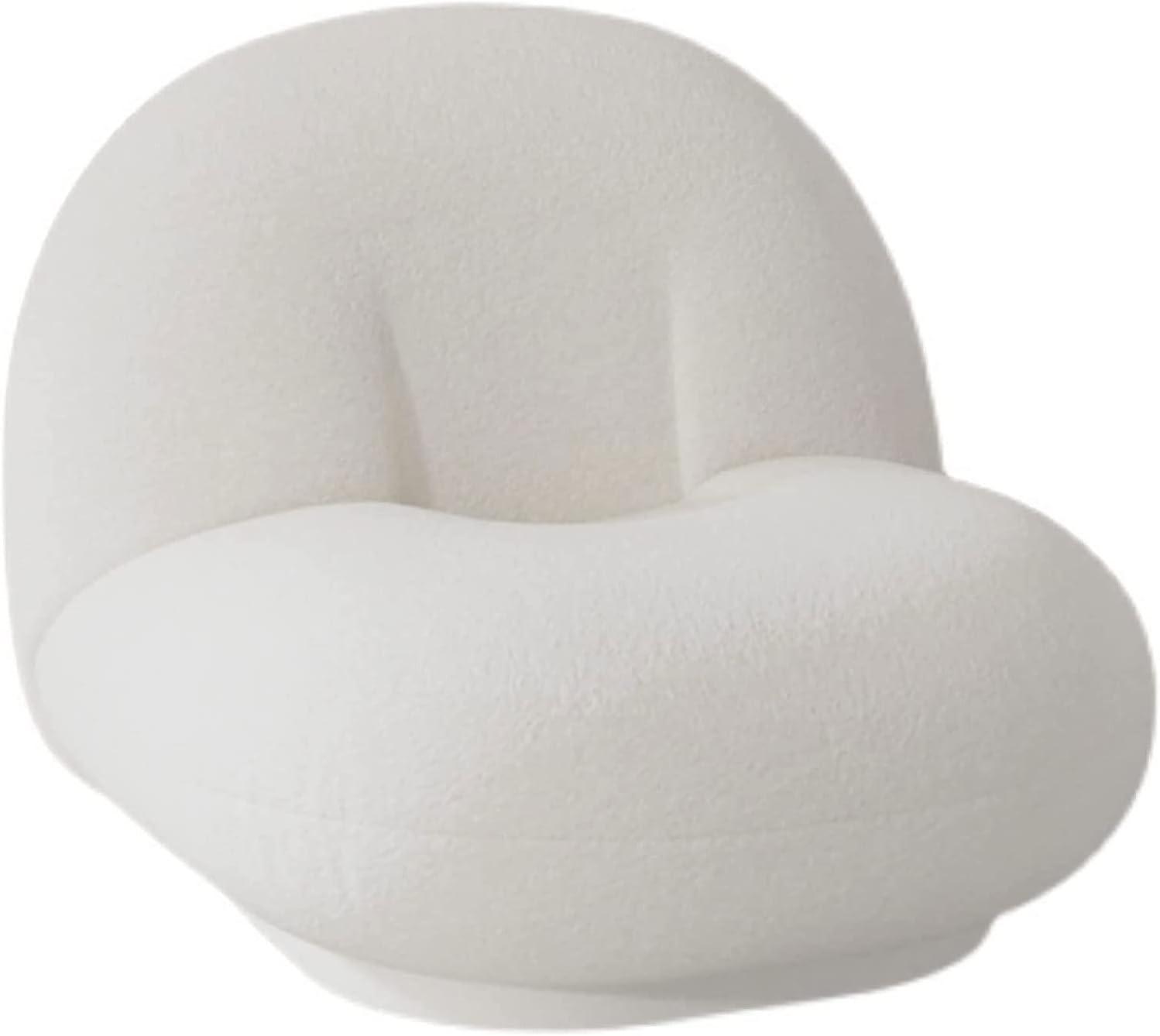
Snjiaheim Cashmere Lazy Sofa, your balcony lounger

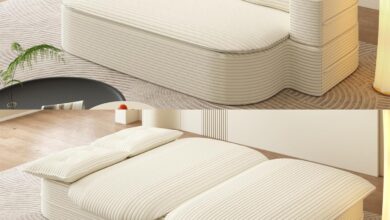
You notice its low, squat silhouette before anything else—more settled than showy. The Snjiaheim Cashmere Lazy Sofa, a compact tatami-style recliner, reads like a softened single-seater with a modest footprint (roughly 77×76×68 cm). Run your hand along the upholstery and you feel a brushed, slightly napped fabric over a springy, high‑elastic sponge; it cushions with a quick, responsive give. The back leans into a gentle recline and up close the seams and plush pads give it a quietly lived-in presence, the kind of chair that seems to welcome you to slow down.
A first look at your cashmere lazy sofa tatami lounge chair in your home
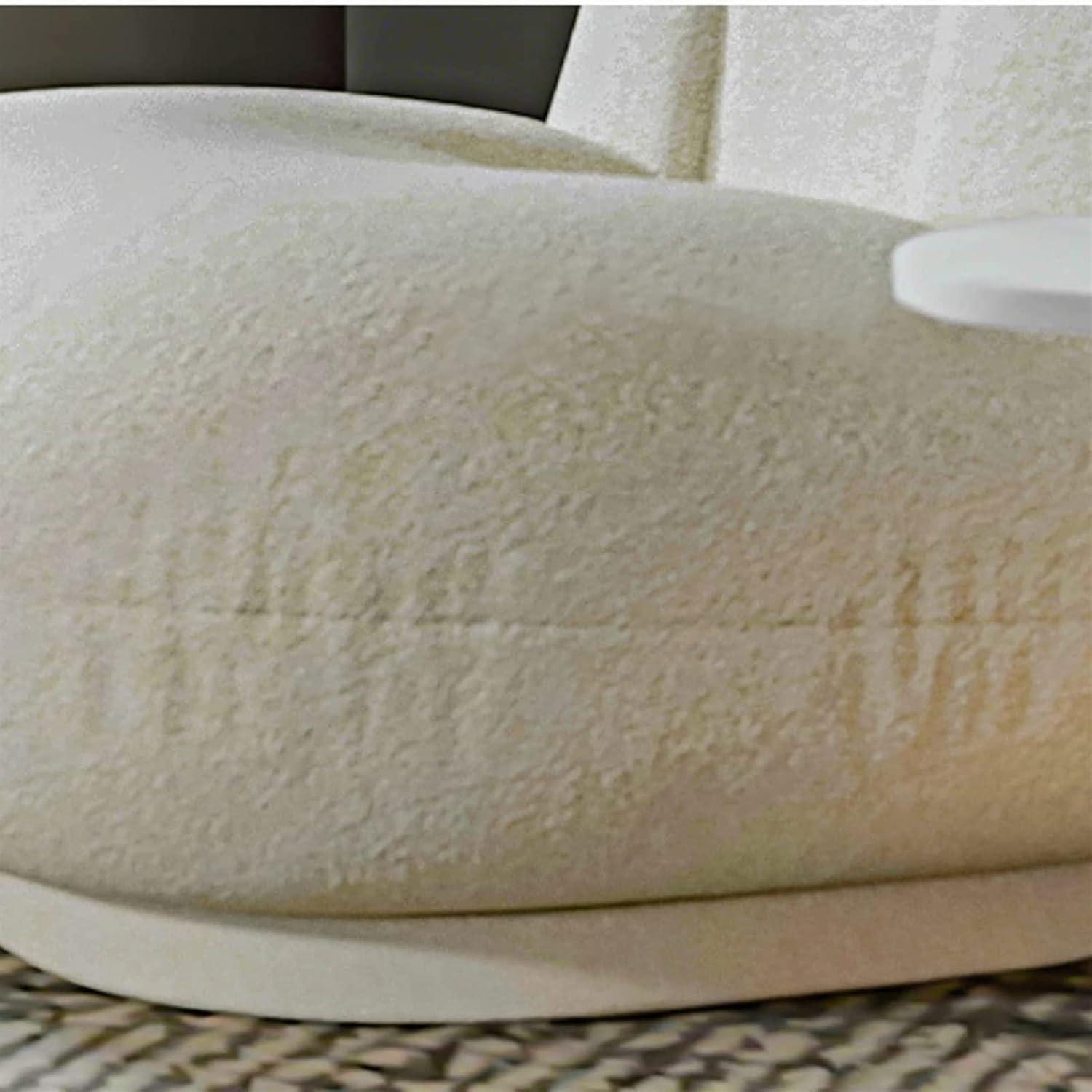
When the piece first arrives and you set it where it will live, the low profile is promptly obvious — it sits close to the floor and reads more like a lounge pad than a conventional armchair. The pale fabric shows light shadows from nearby light sources and can pick up specks against darker flooring; seams and stitch lines become more visible when the cushions settle. Running a hand over the cover reveals a soft nap that flattens slightly where fingers smooth it, and the seat gives under weight then partly springs back as you shift positions.
At first use, gestures are small and familiar: you pat the back cushion into place, tug at a corner to realign a seam, and click the backrest through its positions until it stops where you wont it. The fold lines between sections are noticeable when transitioning from upright to reclined — they open into shallow gaps that align again after a few adjustments. Moving the piece across a hard surface tends to be effortless because of its lightness, though it can slide a little if not braked by a rug. There might potentially be a faint factory scent that fades after a day or two in an aired room.
| Moment | What you’ll notice |
|---|---|
| Unpacked | Low silhouette, visible seams, soft fabric nap |
| Placed in room | Compact footprint, moves easily, catches light differently on surrounding surfaces |
| First sit | Seat compresses and rebounds, backrest clicks through angles, fold lines become apparent |
How it appears in your room and what the cashmere cover and frame reveal at a glance
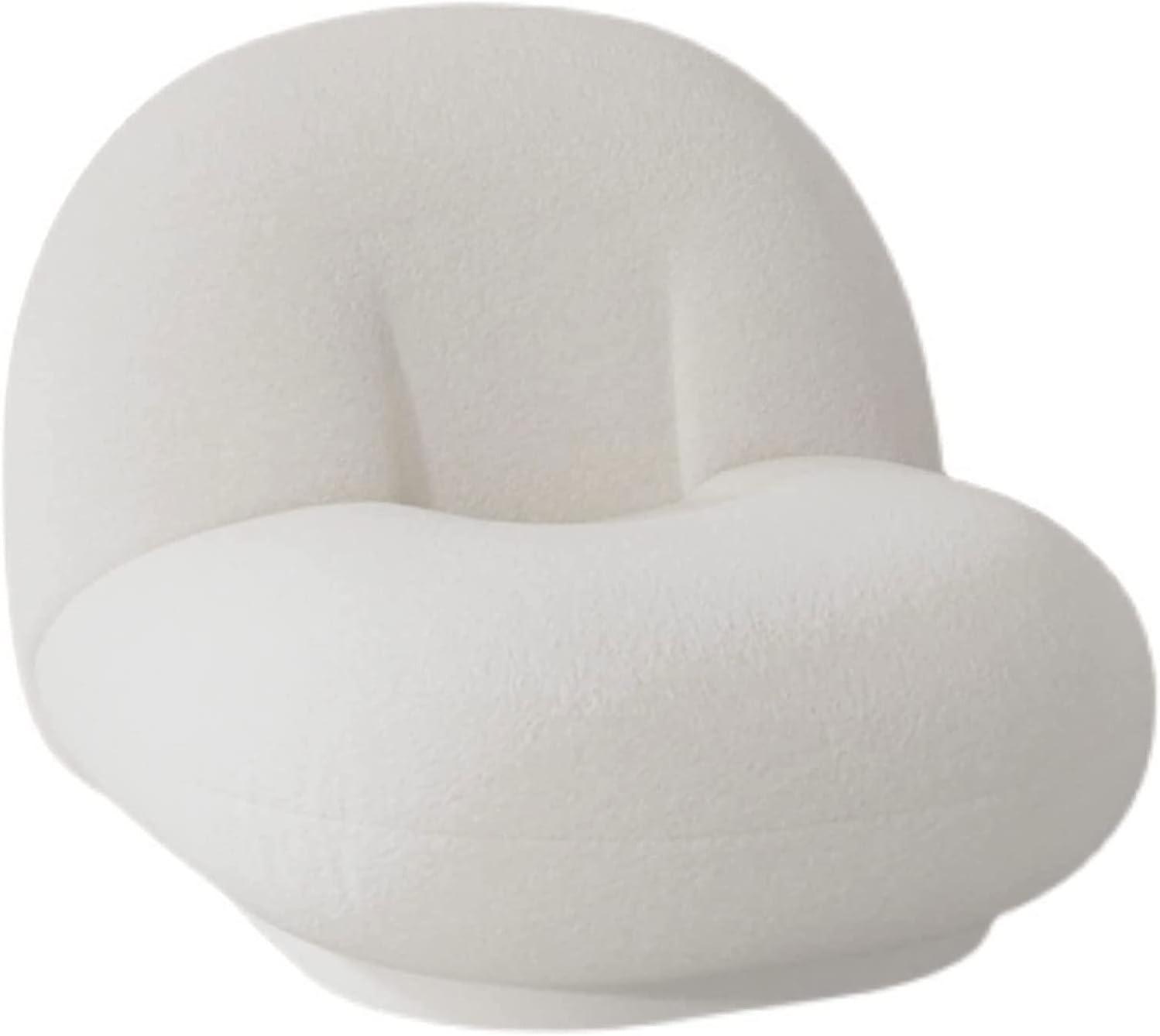
When you first set eyes on it in your room, the cashmere cover reads as a soft, low-sheen outer layer that slightly mutes whatever color surrounds it. From a few steps away you notice a rounded,compact silhouette; up close the cover lays with gentle folds across the seat and back,and seams trace the outline of the reclining sections. Light skims the nap of the fabric, so the surface can look a touch lighter or darker depending on the angle; small wrinkles tend to gather where you habitually sit, and you’ll often find yourself smoothing a few creases without thinking. The frame doesn’t shout — it shows itself in subtle cues: a firmer edge at the base, a shadow where the backrest meets the seat, and a hint of structure beneath the cover where the recline mechanism sits.
During use those cues become more obvious. As you lean back the cashmere shifts, softening over the compressed cushion and settling into new folds; seams pull slightly and then relax when you change position. When fully reclined the cover flattens across the extended surface and the frame’s angle is easier to read from the side, with a thin gap or change in line where the hinge operates. Small details — a tighten of fabric at a corner, a visible zipper or stitch at the join, a shallow dent that lingers where you rested — reveal how the cover and underlying frame respond to movement and time, rather than describing fixed features.
| At-a-glance cue | What you’ll see |
|---|---|
| Unoccupied, upright | Even cashmere nap, gentle folds at seat edge, frame line close to floor |
| occupied / leaning | Local creasing, fabric compression, seams pulled toward pressure points |
| Reclined | Flatter cover across surface, visible angle at hinge, altered silhouette |
The padding stitching and construction details you can see and feel up close
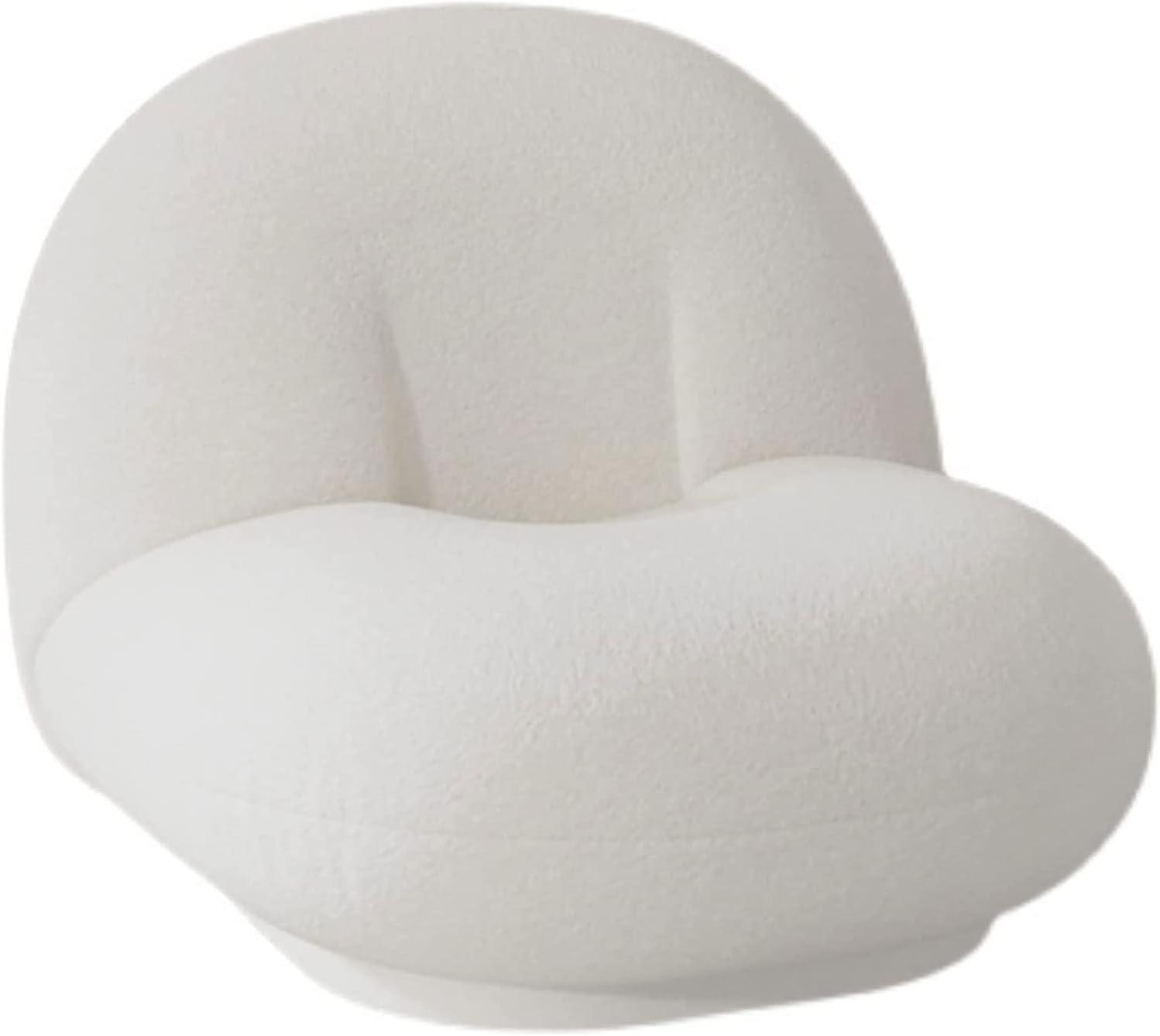
When you settle into the chair and run your hand along the edges, the first thing you notice is how the seams guide your fingers. Topstitching follows the profile of the back and seat, creating faint ridges you can both see and feel; around the outer rim a stitched piped edge keeps the outline crisp, and the corner seams are reinforced with a tighter stitch pattern that tends to resist stretching when you shift your weight. Pressing into the seat produces small, evenly spaced depressions where the quilting lines meet the filling, and as you lean back the fabric smooths out and then gathers again near the hinge—you end up smoothing it with the palm of your hand without thinking about it.
Pulling up the removable cushion (or sliding the backrest through its range) reveals construction details that explain those surface cues: a hidden zipper under a flap, internal baffles that slow down fill migration, and short, dense bartacks at stress points where the cover joins the frame. A close inspection shows consistent stitch length along most seams, with occasional stray threads that you smooth away. The following table highlights the tactile pattern you’ll encounter up close.
| Stitch / Feature | Location | What you feel |
|---|---|---|
| topstitching | Seat and back panels | Shallow ridges, guides your hand when smoothing |
| Piping | Outer edge | Crisp outline, slight firmness under fingers |
| Bartacks / Reinforcements | Corners and hinge joins | Denser, almost leathery feel where fabric is doubled |
| Hidden zipper / flaps | Under seat or backside | Subtle interruption in fabric continuity when you lift it |
How the reclining action operates and how the seat responds when you sit
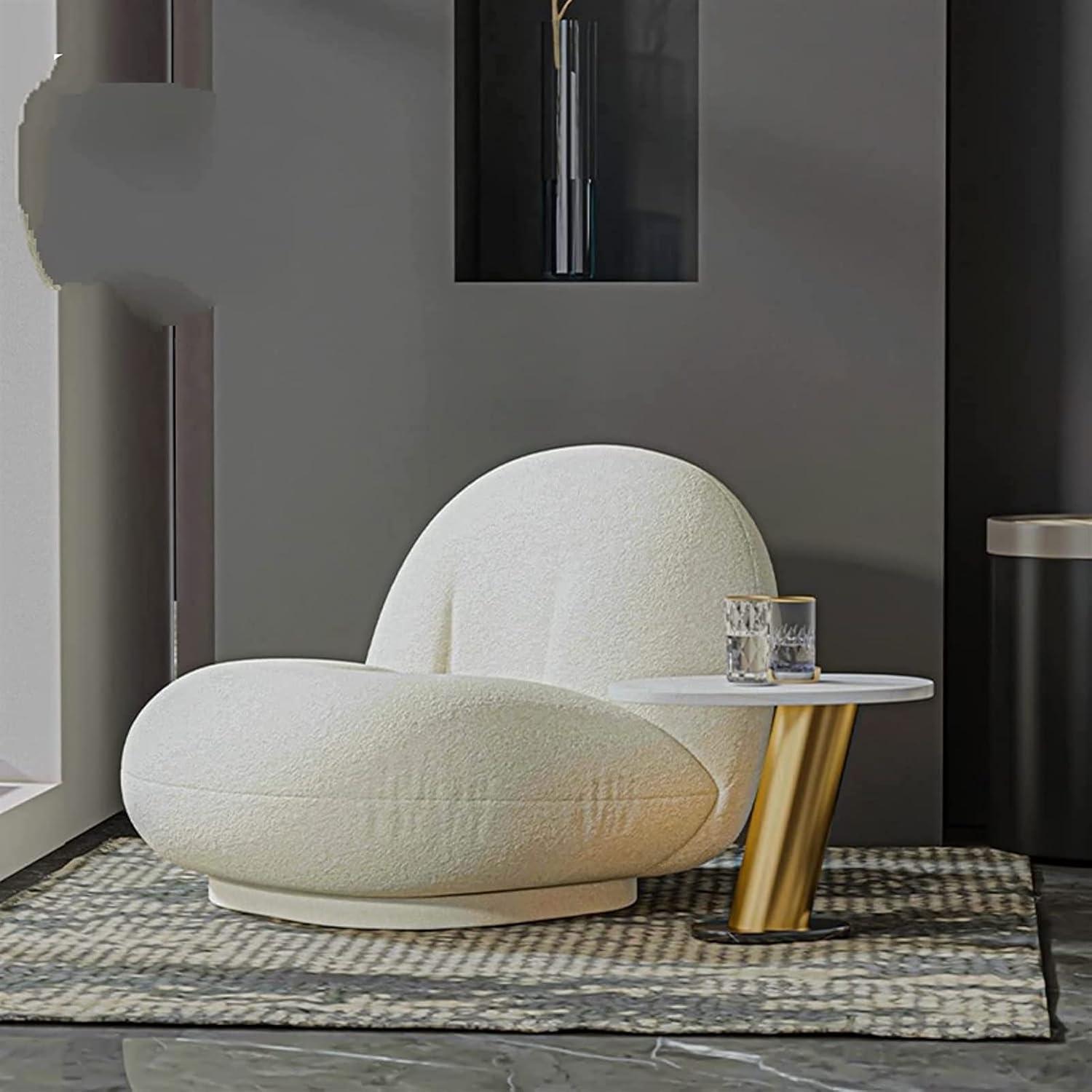
How the reclining action operates
When you settle in and lean back,the backrest yields in a simple,mechanical way: pressure from your upper body releases the notched hinge and the backrest eases rearward in steps rather than sliding smoothly on a track. You’ll feel a brief resistance as the latch disengages, then a small click as the backrest locks into the next angle. To change positions you generally need to shift your weight or push the back with a hand; there isn’t a visible lever that moves it for you. As the back drops, the frame remains grounded and the whole unit settles a little deeper onto the floor, so the angle change comes mostly from the back panel rotating rather than the base shifting forward.
How the seat responds when you sit
On first contact the seat gives under your weight: the cushion compresses and then spreads that pressure out so you don’t sink into a single spot. The compression is noticeable at the hips and along the lower back where you instinctively wiggle to find a cozy position; seams and fabric move with that shift and you often smooth the cover or pat down a wrinkle. As you recline, the lower cushion compresses further and the back cushion follows the movement, so the feeling changes from a firmer, upright support to a softer, more enveloping lounge. when you sit up, the foam recovers at a steady pace and the backrest needs a purposeful nudge to return to the more upright notch in most cases.
| Position | Backrest movement | Seat response |
|---|---|---|
| Upright | Backrest held by notch; slight give when you shift | Feels firmer, cushion springs back quickly |
| Reclined (middle) | Noticeable click between notches; back tilts rearward | Cushion compresses more under hips; fabric shifts with your movement |
| Nearly flat | Backrest sits at a low angle after a deliberate push | Seat feels most enveloping; foam spreads weight across the surface |
How this chair aligns with your expectations and its suitability and limitations in everyday use
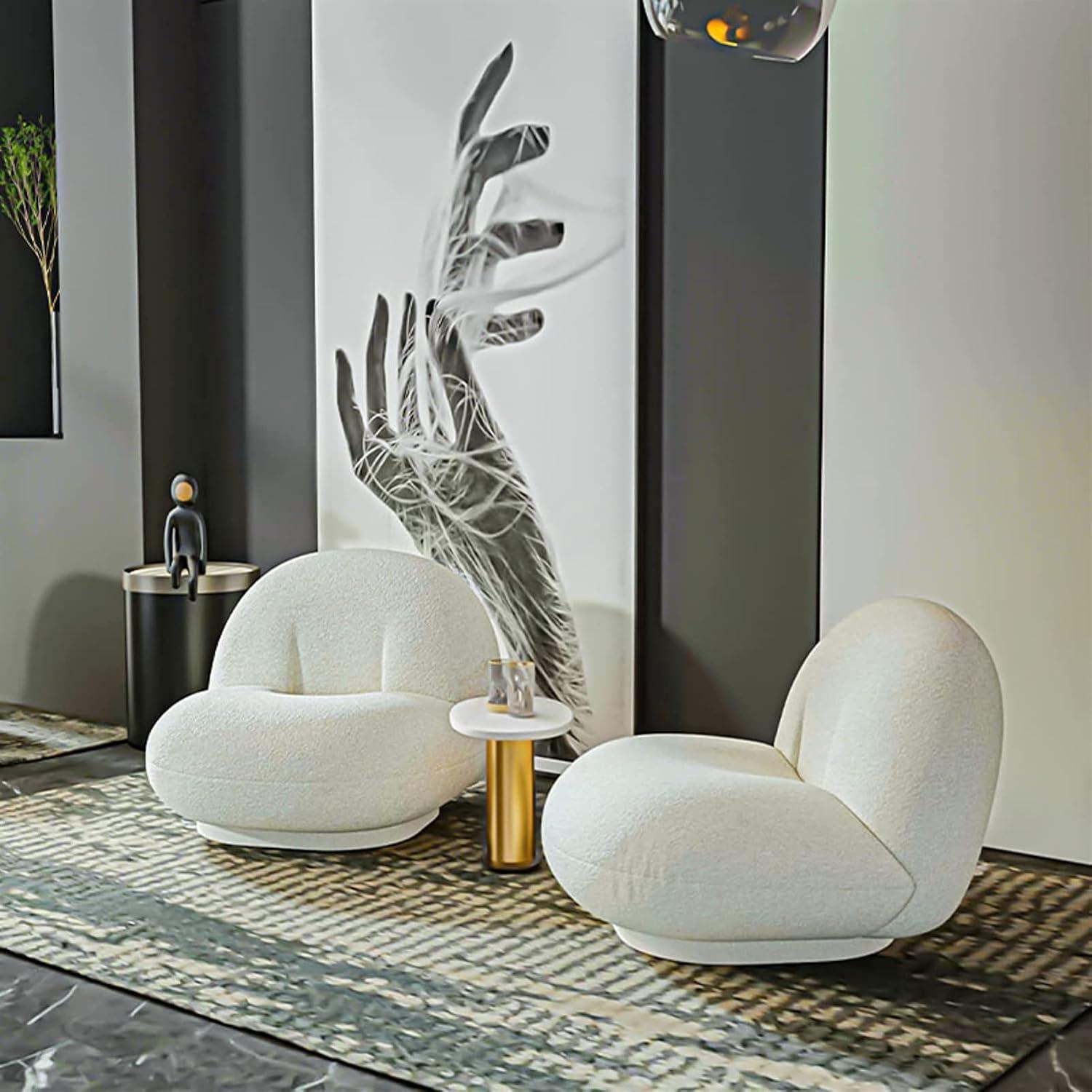
The chair generally matches practical expectations around a compact, convertible lounger: the backrest moves between positions with a deliberate, slightly resistive feel, and when settled it tends to cradle the body while the seat surface flattens where weight concentrates. During normal use the cushions need occasional smoothing—seams shift a little and the padding compresses in habitual sit zones—so brief readjustments become part of the routine. Its lightness shows in everyday handling; it can be picked up and repositioned without much effort, and at the same time it can slide on smooth floors if not nudged carefully.
In everyday rhythms the piece behaves predictably. Short sessions of reading, gaming, or watching TV feel comfortable and require only small posture tweaks; naps are common and the surface generally supports dozing, though extended lying down can reveal more compression than an upright chair would. The fabric tends to show minor creasing where the body moves and will collect surface dust or lint over time, so periodic brushing or smoothing keeps the appearance fresher.folding and unfolding work quickly in practice, but when converted into a lower recline the cover and cushions usually need re-positioning to keep the sitting surface even.
| Typical use | Observed behavior |
|---|---|
| Short sessions (reading, TV) | Comfortable with minor posture adjustments; cushions settle into habitual spots |
| Napping / lounging | adequate for naps; padding compresses more over longer use |
| Moving or rearranging | Easy to lift and shift but can slip on slick flooring |
| Daily upkeep | Occasional smoothing of cushions and brushing of fabric keeps it looking tidy |
View full specifications and available size and color options
The chair footprint and how it occupies tight corners balconies and bedroom nooks
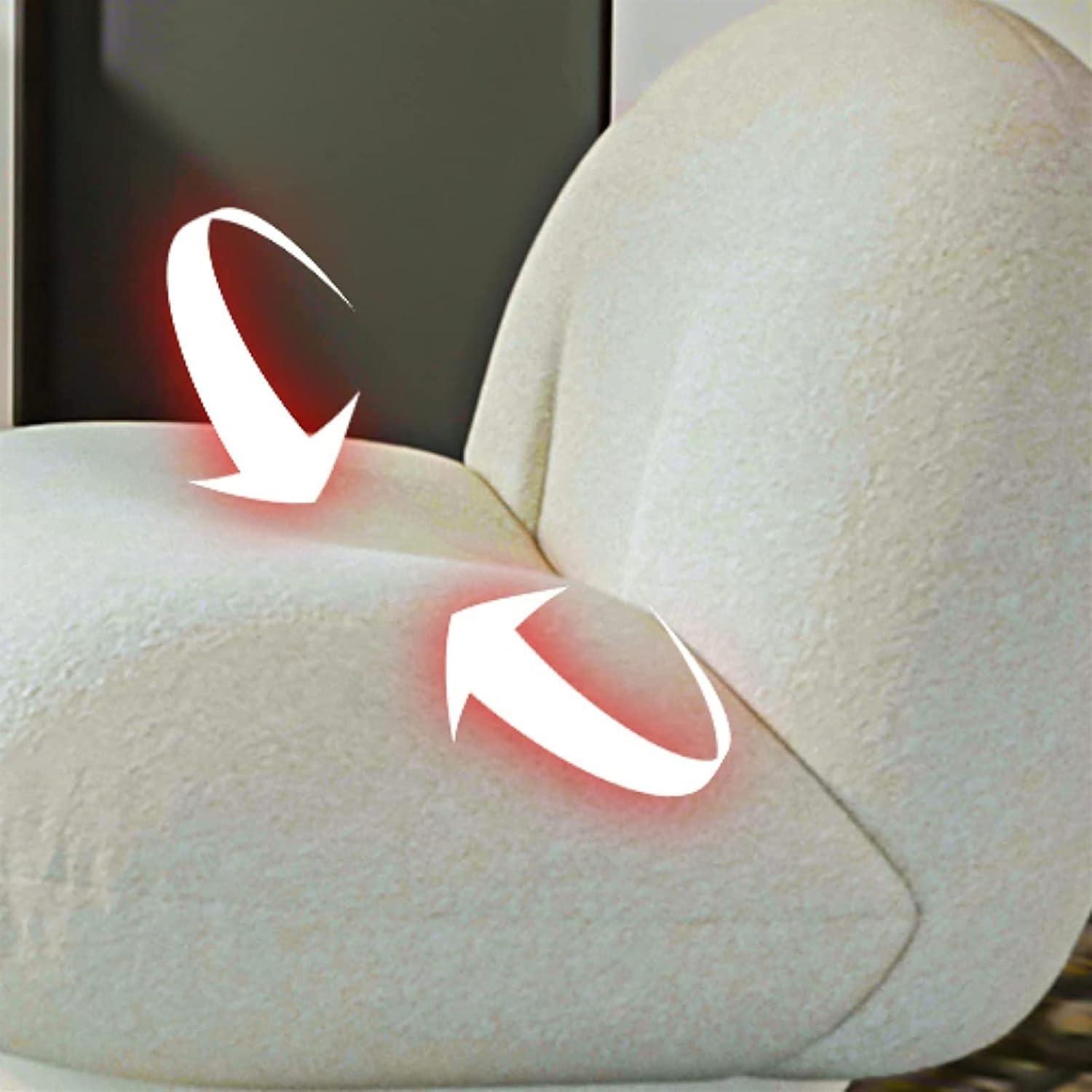
The piece tends to sit as a compact block rather than a silhouette that changes shape; pushed into a corner it presents a blunt edge to the room, the backrest resting against the wall and the cushions compressing where they meet the angle. In close quarters the fabric frequently enough needs a quick smoothing after it’s nudged into place, and seams will shift slightly when the frame is angled to fit. The overall occupation of the corner reads as a single, low plane more than a set of separate parts.
On narrow balconies and in bedroom nooks the chair’s presence is defined by how its backrest and reclining positions alter nearby clearances. When the back is raised it tucks neatly against a wall; when reclined the silhouette extends forward, reducing walkable space in front. Moving it through tight doorways is usually done with a short pivot rather than a glide, and cushions are commonly straightened afterward as an unconscious habit. In many observations the chair becomes both seating and temporary storage—throws and magazines settle into the dip made by the seat—so its occupied footprint can look slightly larger in everyday use than when measured empty.
| Orientation | Typical spatial behavior |
|---|---|
| Back-to-wall in a corner | Reads as a compact block; cushions press into the corner, fabric needs smoothing |
| Angled in a narrow balcony | Requires a small pivot to place; front clearance becomes noticeable when reclined |
| Placed in a bedroom nook | Often used as a low landing spot for items; footprint appears slightly expanded in daily use |
How It Lives in the Space
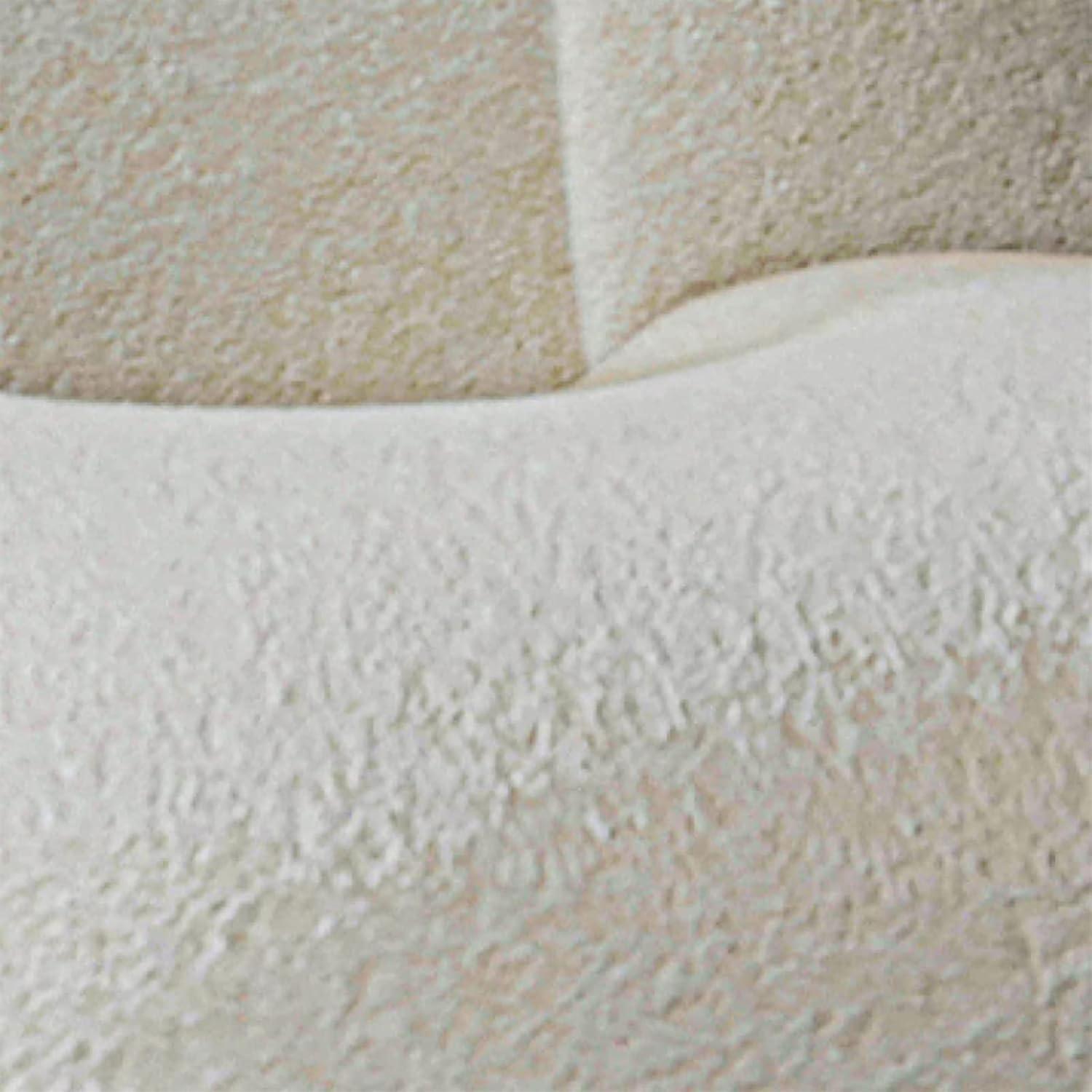
Over time the Cashmere Lazy Sofa Tatami Balcony Reclining Living Room Lounge Chair Bedroom Leisure Single Small Sofa Chair (77×76×68cm) settles into a corner and quietly marks the ways the room is used rather than announcing itself. You notice where the seat has softened with repeated use, how the recline finds a habitual angle in daily routines, and how the surface shows the slow wear of touch and sunlight as the room is used. It takes on ordinary tasks — holding a book,catching a moment of rest,collecting the small traces of daily life — and becomes part of the household rhythms. It stays, blending into your everyday rhythms.
As an Amazon Associate I earn from qualifying purchases.