Sofa Bed 3 in 1 – how it fits your small apartment space

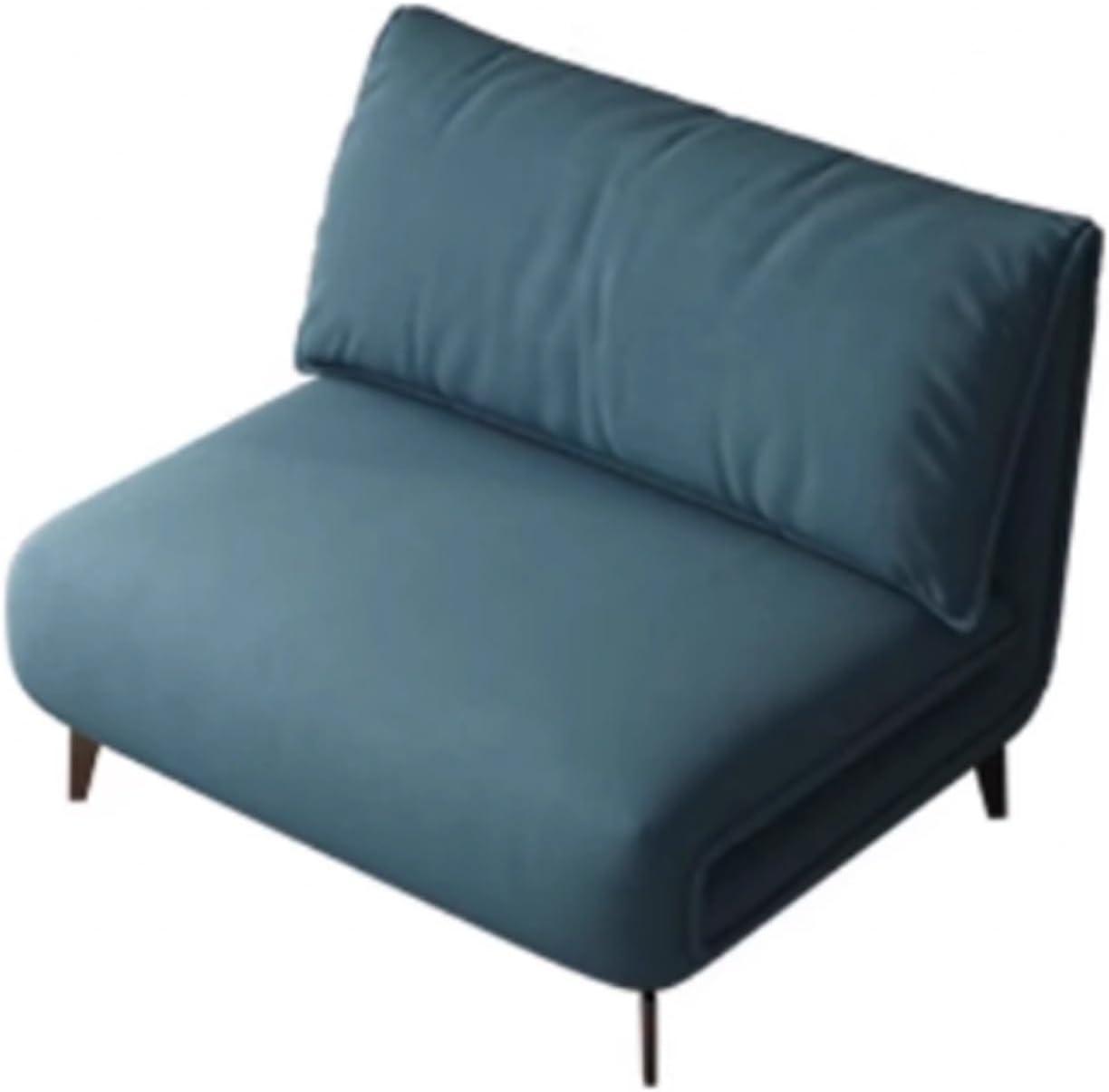
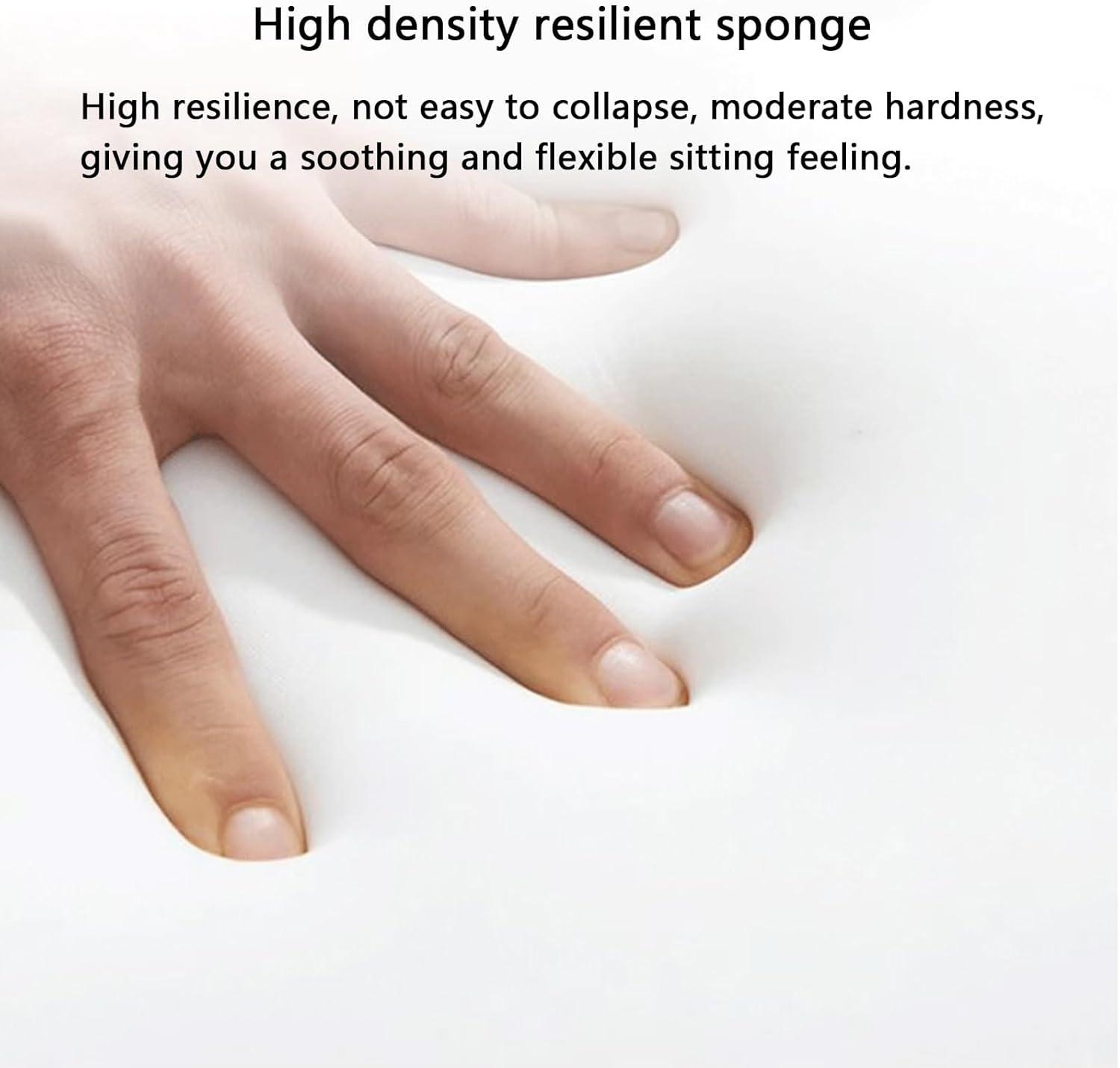
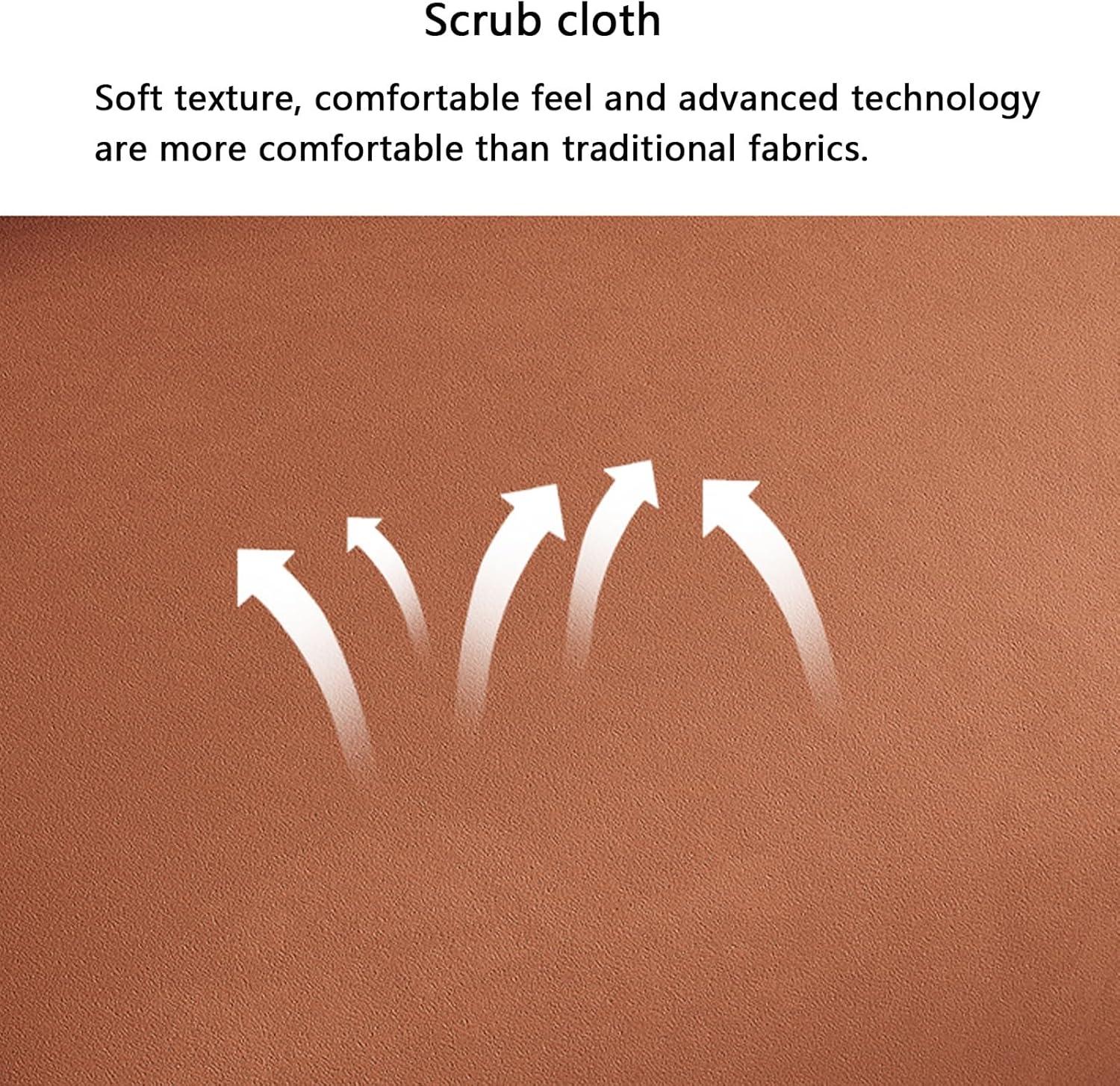
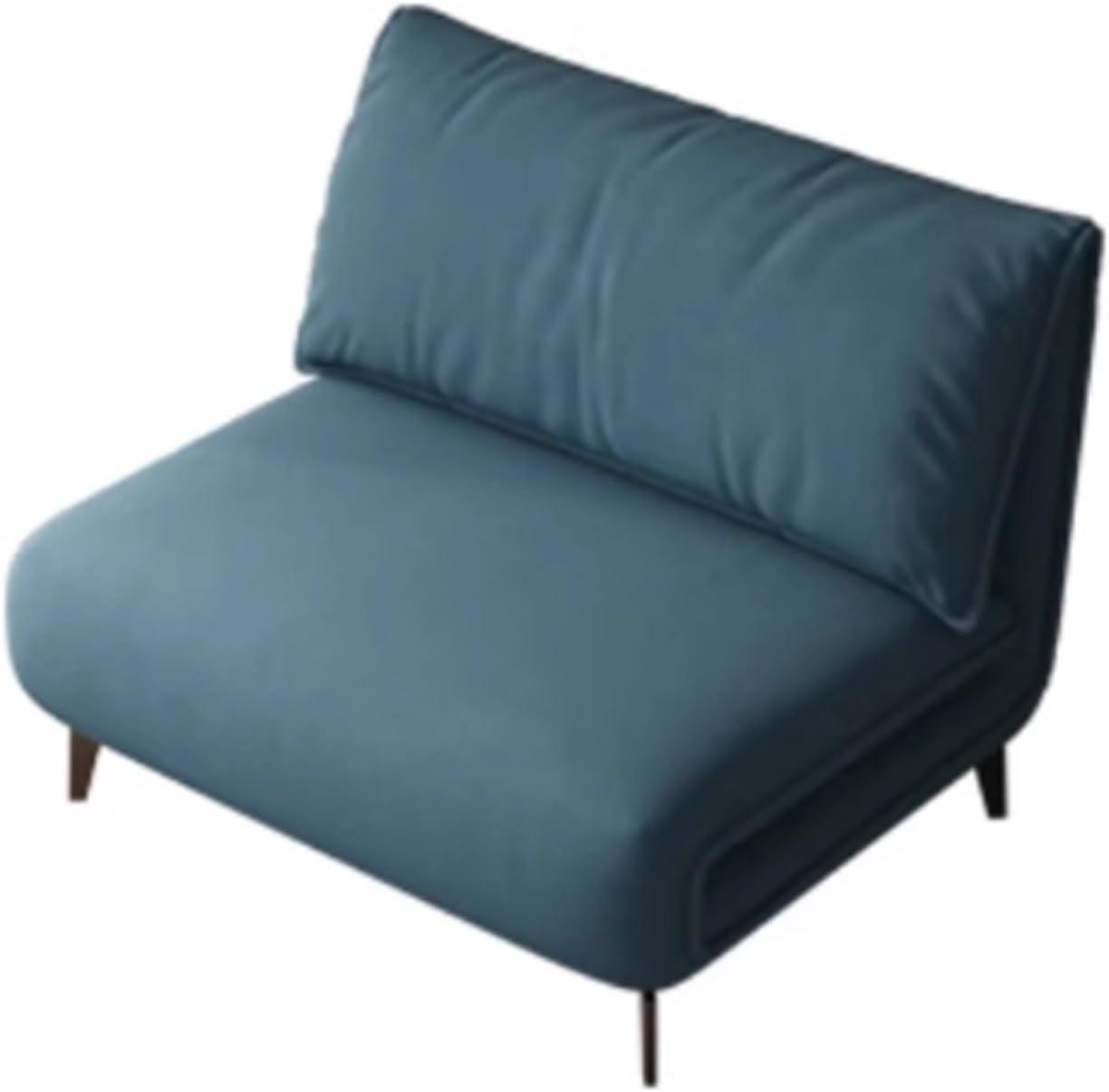
You press a hand into the scrub-cloth cover and the high-resilience sponge pushes back with a speedy, mattress-like spring — immediate, tactile, not staged. In the room the blue finish reads richer where the light pools and softer on the seat face, and the piece has a trim visual footprint that still feels unexpectedly considerable when you shift it. The listing name — Sofa Bed 3‑in‑1 Convertible Chair — sounds utilitarian, and what you notice matches that: a single chair that folds and flattens with simple, mechanical inevitability. Seams crinkle at the joins and the edges hold their shape, so your first impression is as much about texture and scale as about what the piece does.
Your first look at the blue convertible sofa bed as it fits into a small room
At first glance in a small room, the blue convertible reads as a compact block that quietly reconfigures the floorplan. in its upright chair posture the back rests close to the wall and the seat creates a narrow plane; when the back folds and the seat unfolds the silhouette broadens into a low, horizontal surface, pulling a little more into the room. The scrub-cloth surface shows faint creases where cushions meet,and seams shift as the cushions are smoothed or the frame moves. The conversion motion is a short, mechanical shuffle—hinges and fabric tug, a soft squeak at times—and the sofa’s angles change noticeably as it settles into a lounger or sleeper configuration.
The piece reveals small, lived behaviors once in place: cushions tend to slump slightly between uses and need a quick pat to sit even, the fabric can catch light differently when stretched, and the lower frame becomes more exposed when unfolded. Pathways around it narrow as it extends, and door clearances or nearby furniture feel closer than before. On floors that aren’t perfectly level a subtle lean or gap may appear where the frame meets the wall, while the filling usually regains shape after a few minutes of rest.
See full specifications and available sizes and colors
What you notice about the frame, upholstery and craftsmanship when you run your hand over it
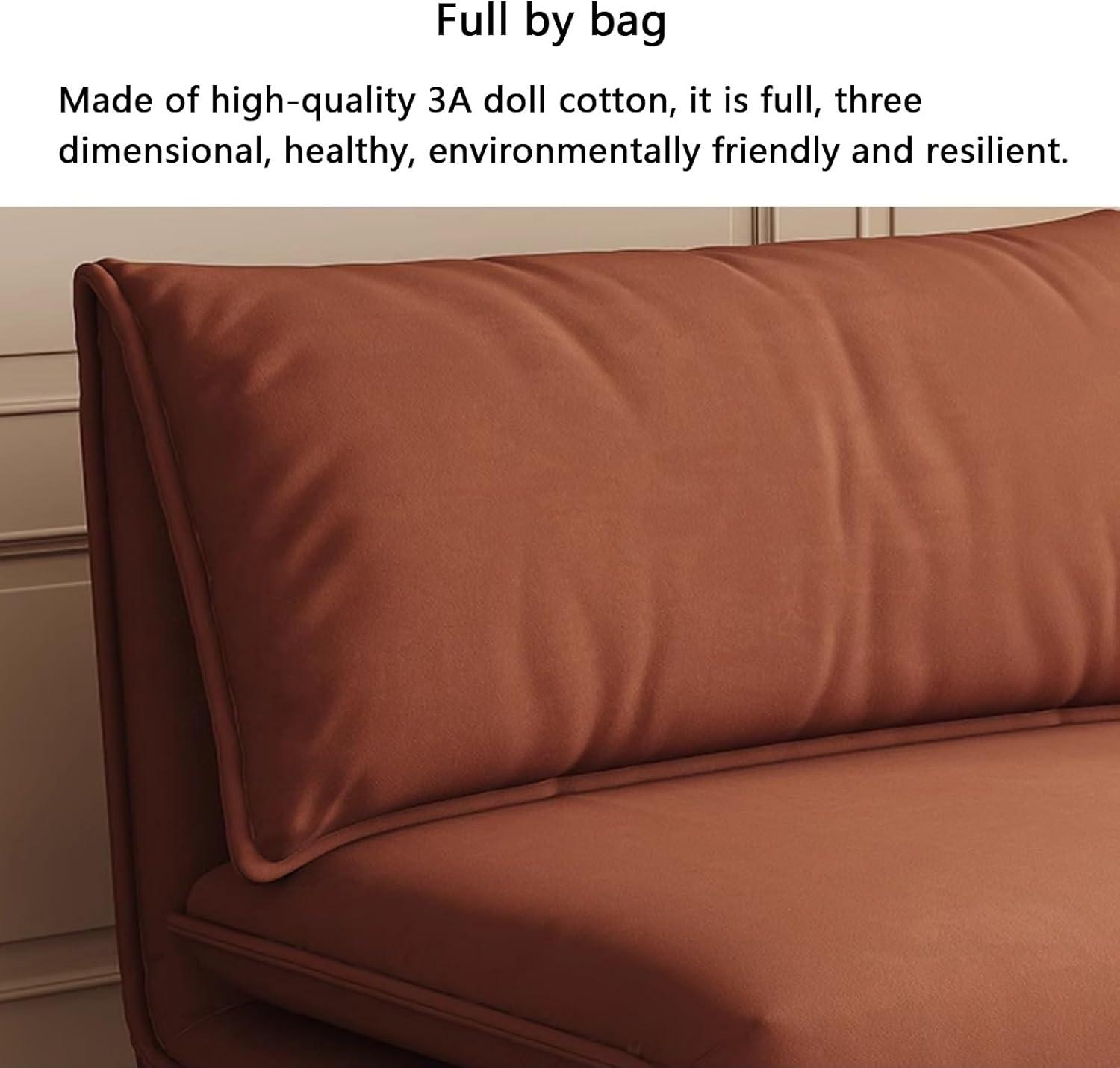
When you run your hand across the surface,the first thing you notice is the texture of the covering — a slight tooth under your palm that gives a little resistance as you smooth it down. Your fingers catch on the fold lines and where the upholstery is pulled over edges; those transition zones feel firmer, almost ridged, compared with the flatter, more yielding stretches over the seat and back.As you move toward the creases that mark the folding points, the material compresses and than springs back, and you can feel the extra bulk of seams and stitching gathered there.
Your hand also maps out what lies beneath the fabric. Pressing in the seat lets you sense the cushion’s internal give and the underlying support — a more solid plane under the outer edge and a softer rebound toward the center. Along frame joins and arm contours there’s a subtler feedback: a bordering firmness where panels meet, and in most cases a narrow seam or binding that rides under the cloth. Small,habitual gestures — smoothing a corner,tucking a seam,shifting a cushion to sit evenly — reveal how the upholstery responds over time and where the construction concentrates tension.
How the seat, back and sleeping surface transform between the compact and extended setups
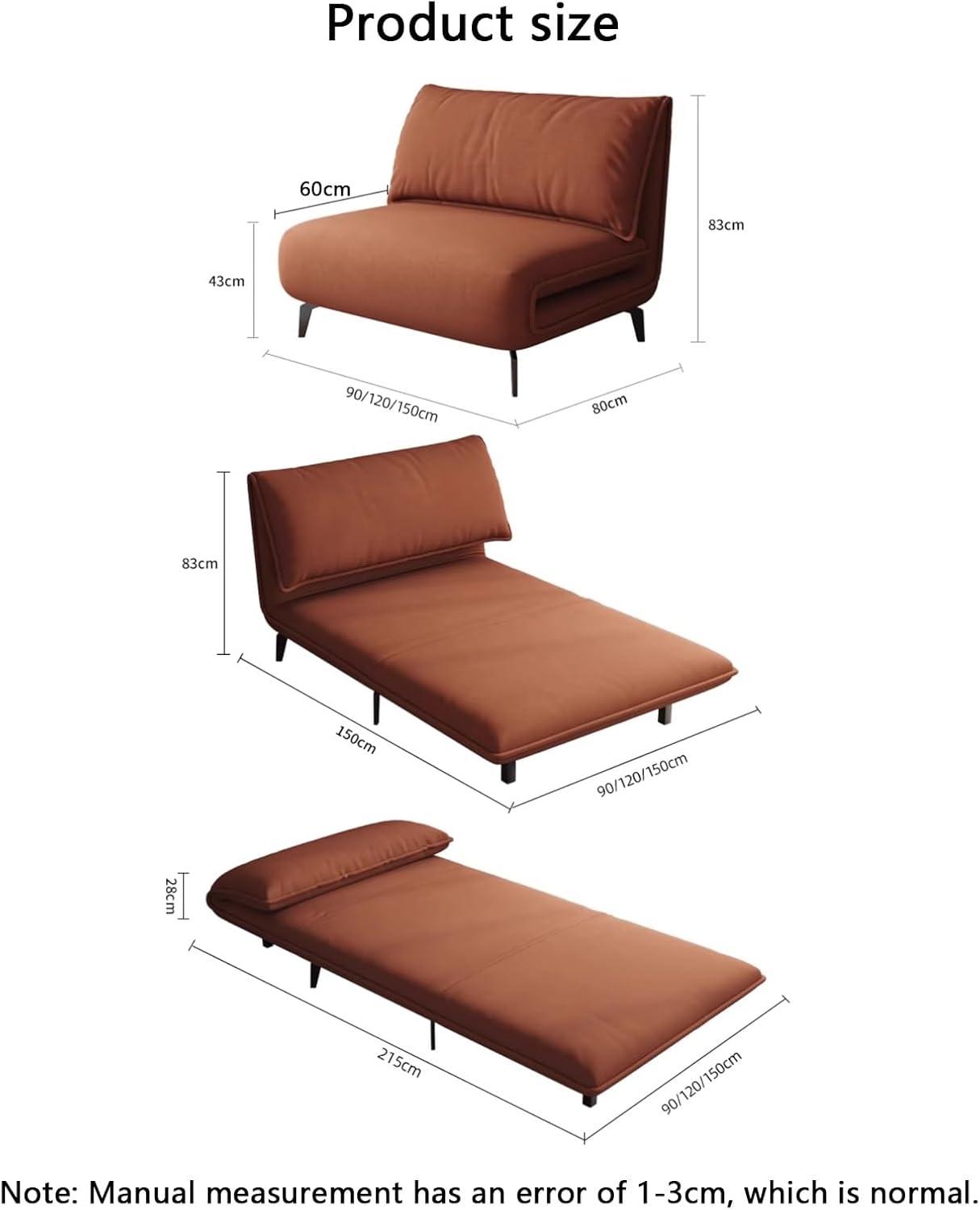
When you move the piece from its compact chair shape toward the bed, the action is tactile and straightforward: the seat cushion shifts forward as the hidden hinge lets the back recline, and the three upholstered panels begin to align into a single plane. At first you’ll notice fabric bunching at the seams and a slight give where the panels meet; a few light tugs and a couple of smoothing motions with your hands usually settle the cover so the surface looks more continuous. In the midway lounger position the back sits at a shallow angle while the front panel has slid out, creating a stepped surface that feels different under your legs than the flatter sleep position.
Flattening the unit all the way requires one more coordinated motion—letting the back fold fully down so the seat and back form one extended surface. as that happens the filling compresses and then tones back up, so the sleeping plane appears even but shows a visible seam where the sections meet. Folding back to compact involves reversing those movements: you lift and guide the panels upright, and the cushions tuck and settle into place; your hands will likely smooth the fabric and adjust the edges once or twice to eliminate minor gaps. The whole transformation tends to be a hands-on, short sequence of motions rather than a single dramatic click, and the feel of each position is governed as much by where you stop the back as by how neatly you realign the cushions.
| Setup | What moves | What you notice |
|---|---|---|
| Compact chair | Seat sits forward, back upright | Defined seat edge, fabric slightly creased at seams |
| Lounger (intermediate) | Front panel extends, back reclines partially | Stepped surface under thighs, back supported at an angle |
| Extended bed | Back folds flat to meet seat | Continuous sleeping plane with a visible seam and slight cushion compression |
How you fold and unfold it and how it sits in a corner, office or studio during everyday use
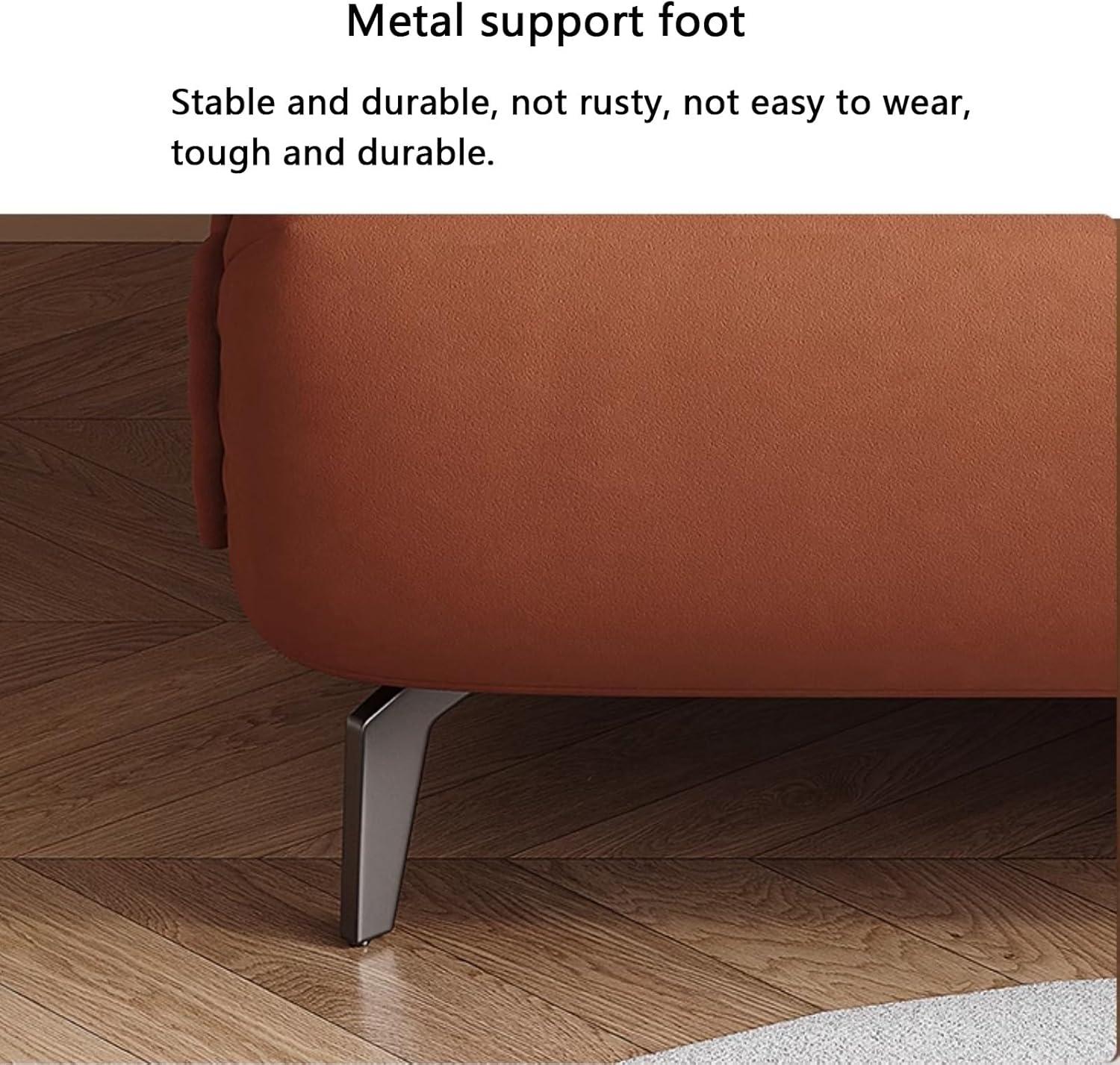
When you fold and unfold it, the movement feels mechanical but personal: you lift the back and guide the sections into place, feeling seams shift and the sponge compress beneath your palms.the cushions need a little nudging as the panels settle — you find yourself smoothing the scrub-cloth cover and tucking edges where they bunch.On a hard floor the base slides a touch and lands with a soft thud; on carpet it offers more resistance and you often brace with one foot. The transition from chair to bed happens in steps rather than one fluid motion, so you’ll pause once or twice to align the feet and straighten the cover before it sits completely flat.
Left folded in a corner, office alcove or studio, it tends to nestle against the wall with a visible seam at the junction where back meets seat. It doesn’t vanish into the room; the profile is low but present, and pillows or a throw commonly get shifted during daily use.In a tight workspace you notice pathways form around it, and small adjustments — sliding it an inch, angling it slightly away from the baseboard — are part of normal upkeep. Over days the cover softens at high-contact spots and creases appear where you routinely rest an arm or lean, which changes how it sits more than anything structural does.
| Position | How it typically sits | common quick adjustments |
|---|---|---|
| folded (chair) | Low profile against a wall; small gap where back meets wall | Smoothing fabric,nudging base forward an inch |
| Lounger | Angled,takes more floor depth; cushions shift visibly | Repositioning pillows,straightening seams |
| Unfolded (bed) | Expanded footprint; feet contact floor firmly,sometimes needs realignment | Aligning feet,flattening cover,tucking corners |
How it aligns with your expectations for comfort and space and where it shows real world limits
The way comfort and space play out in everyday use largely matches what a compact,convertible seat promises,with a few practical caveats that show up over time. As a chair it presents a noticeably rounded seat that settles a little as people sit; cushions tend to compress where the body rests and anyone using it regularly will likely smooth the fabric and nudge the seams back into place. When used for lounging the back support holds a relaxed angle, though leaning far back can reveal a slight change in tension at the joints where the sections meet. The surface feels firmer across the fold lines, and rolling or shifting weight often requires a small reposition to find an even plane for rest.
Space-wise, the piece occupies a compact footprint when folded but naturally needs more floor area when converted; the unfolded surface leaves less lateral room than a full-width mattress, so side-to-side movement tracks closer to the edge. Cushion depth provides a perceptible layer of padding, though repeated use compresses that give and can make the surface feel thinner after several nights of sleep. The frame and panels respond to motion in a way that can be heard or felt — a faint flex or creak when changing position — which is part of how this style performs in ordinary living spaces.
| Mode | Comfort note | Space note |
|---|---|---|
| Chair | Plush at first, cushions settle with use | Compact footprint, easy to position |
| Lounger | Supportive but shows seam tension when leaning | Requires modest floor clearance behind and in front |
| Bed | Firm across fold lines; padding compresses over time | lateral room is limited compared with a standard bed |
view full specifications and available size and color options
A day in your life with the sofa bed from cleaning to moving and storing
you begin the day by flipping the chair into sofa mode and smoothing the surface with one hand—you’ll notice the fabric holds the little creases from the previous night until you press them down, and the seams tend to shift a touch as the cushions resettle. Opening and folding happen in short, deliberate motions; the mechanism makes a soft, mechanical sound and the pieces settle into place rather than snapping instantly, so you find yourself giving cushions a quick tuck or two once it’s set.
Cleaning tends to be low‑effort but situational. Crumbs collect where the back meets the seat; a lint roller or a short pass with a handheld vacuum clears most of them. Spills usually respond to blotting with a damp cloth and, in most cases, dry quickly enough that you only need to smooth the fabric afterward.If the surface has been compressed by a seat or sleeping position, you’ll sometimes shift the filler by patting or bouncing the cushion to revive its loft; it can take a little time for the padding to settle evenly across the plane.
Moving and storing are intermittent tasks rather than daily ones. When you carry or tilt the unit, it feels bulkier than a regular chair and balances differently depending on which configuration it’s in; you often use two hands or enlist help for stairs and narrow doorways. Stored upright or slid under a raised bed, it sits compactly but develops light creases where it’s been folded — airing it out and a few pats usually reduce those. Over longer storage spells the surface can seem a touch flattened until you flip and press the cushions back into shape.
| Task | Typical action | What you notice |
|---|---|---|
| Flip to bed | Fold out in short motions, smooth cushions | Soft mechanical sounds; seams shift slightly |
| Quick clean | Lint roller or damp cloth blot | Crumbs lift easily; spills dry fairly fast |
| Move/store | Tilt with two hands, slide under/lean upright | Bulky balance; light creasing from folding |
How It Lives in the Space
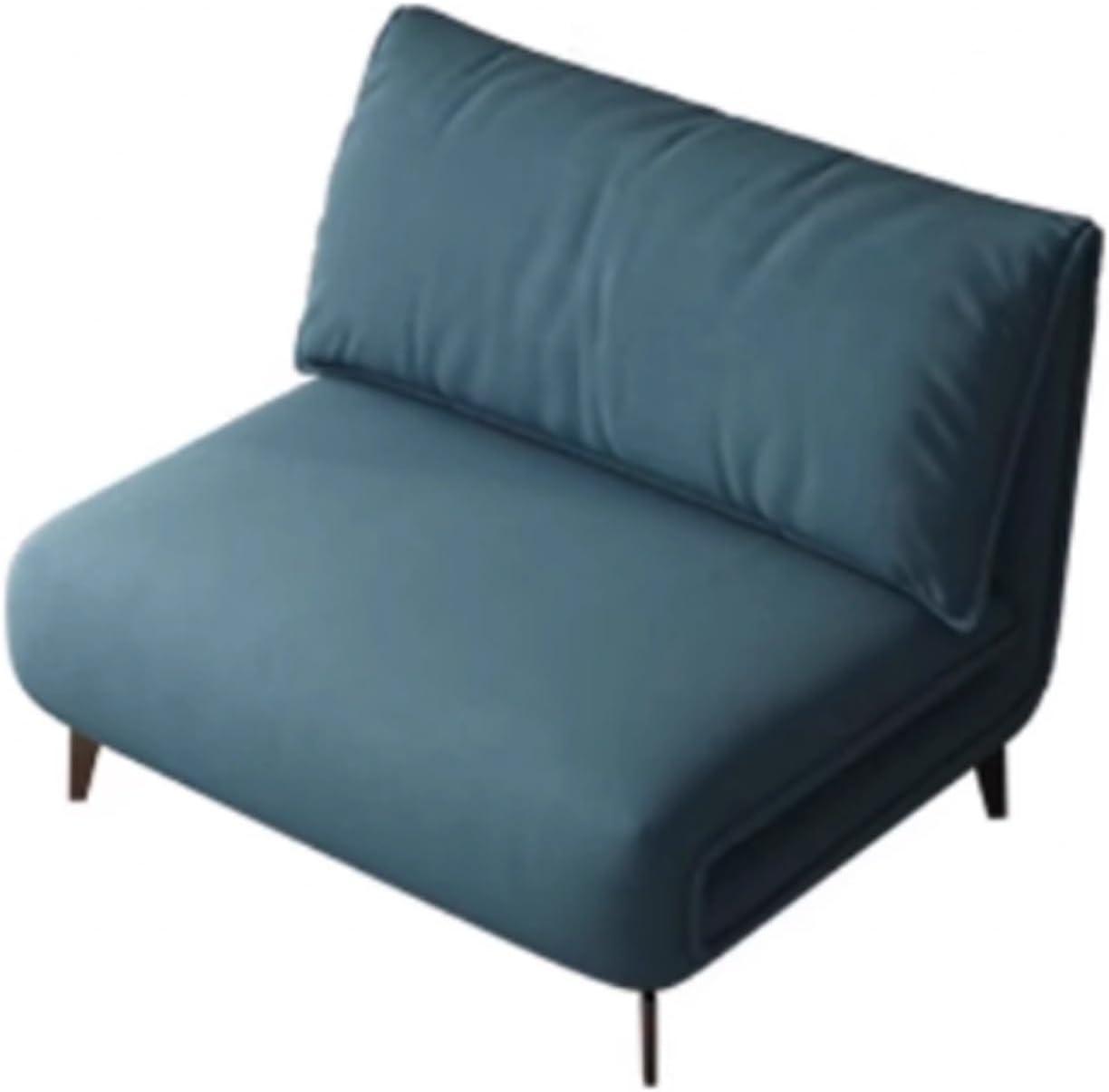
After living with the Sofa Bed 3 in 1 convertible Chair Multi-Function Folding guest Bed Sleeper for Small room Apartment Office (Color : Blue, Size : 0.9M) (Blue 1.5M) for a few weeks, you notice it finds a quiet rhythm amid the room’s movement. It slides between sofa and bed without ceremony, subtly changing how you use the small room and the places you linger, nap, or fold away papers. The fabric softens, edges crease into the patterns of your days, and surface marks collect like small reminders of regular household rhythms. Over time it rests and becomes part of the room.
As an Amazon Associate I earn from qualifying purchases.