The Ultimate Beginner’s Guide to Garden Design: Top Inspiration and Tips

Embarking on the adventure of designing your garden can be both thrilling and intimidating, especially if you’re new to gardening. Whether your outdoor area is a compact balcony, an ample backyard, or anywhere on the spectrum, crafting a garden enhances your home’s allure, elevates its curb appeal, and offers a serene escape from daily routines. The encouraging reality is that anyone, no matter their gardening expertise, can successfully create an attractive, useful garden with a thoughtful strategy.
Gardening stands out as one of the most fulfilling pastimes, though it can initially seem complex to newcomers. Fortunately, effective garden design doesn’t require mastery from the start. With some foundational knowledge and careful preparation, transforming an outdoor space into a beautiful and practical haven is achievable. Whether limited in space or blessed with a vast plot, this comprehensive beginner’s guide covers everything needed to inspire and equip you to design a tranquil retreat or an inviting area for gatherings.
Understanding Your Space: The Foundation of Garden Design
Before planting a single seed, gaining a clear comprehension of your outdoor environment is essential. Assessing the dimensions, natural features, and limitations of your space enables optimal usage and lays the groundwork for a successful garden plan.
Accurate Measurement: Know Your Boundaries
Whether your project is a small urban balcony or an extensive backyard, precise measurements of length and width allow for logical planning. This helps determine not only the number of plants but also appropriate pathways, seating areas, or décor elements that can be incorporated comfortably.
Analyzing Sunlight Exposure
Light availability heavily influences plant health and viability. Mapping your garden according to sun exposure—full sun, partial sun/shade, or full shade—helps in choosing the right flora. For instance:
- Full Sun: Areas with over six hours of direct sunlight, ideal for sun-loving plants.
- Partial Sun/Shade: Spaces receiving 3 to 6 hours of direct sun—suitable for versatile plants.
- Full Shade: Zones with less than three hours of direct sunlight, favoring shade-tolerant species.
Soil Characteristics and Drainage
The type and condition of soil influence what thrives in your garden. Testing soil pH and texture provides insight; for example, sandy soil drains rapidly but may lack nutrients, while clay soil retains moisture but can pose drainage challenges. Adding organic matter or appropriate amendments can modify soil properties, enhancing plant growth.
Determining Your Garden’s Aesthetic: Style Choices
Your garden’s look should express your personality and harmonize with your home’s design. Various styles capture different moods and preferences. Consider these popular ones:
Symmetry and Order: Formal Gardens
For those who admire structure and sophistication, formal gardens with symmetrical beds, manicured hedges, and architectural lines create an elegant atmosphere. Key features often include clipped boxwood hedges, geometric pathways, and classic fountains.
Rustic Charm: Cottage Gardens
Cottage gardens celebrate a cozy, abundant feel with overflowing blooms, climbing plants, and a blend of herbs and edibles. Their informal layout offers a warm, inviting ambiance akin to the relaxed countryside.
Clean Lines and Simplicity: Modern Gardens
Emphasizing minimalism, modern gardens prioritize sleek patios, geometric shapes, and low-maintenance plants like succulents and ornamental grasses. Their uncluttered appearance is both stylish and practical.
Tropical Oasis
For a lush, vibrant setting, tropical gardens use bold foliage, colorful flowers, and often incorporate water features, evoking a sense of exotic tranquility. Palms, ferns, and hibiscus are typical plants in this aesthetic.
Planting with Purpose: Selecting Appropriate Flora
Choosing suitable plants is integral to creating a garden that both flourishes and delights. Plants contribute texture, color, and structure, making selection based on care needs and environment crucial for success.
Considering Climate Compatibility
Refer to your regional plant hardiness zones to select species that naturally thrive in your climate. This consideration minimizes plant stress and reduces upkeep.
Opt for Easy-Care Plants
If garden maintenance time is limited, selecting resilient and low-demand plants is wise. Some excellent options include:
- Lavender: A fragrant plant thriving in sunny, dry conditions.
- Hostas: Shade-tolerant plants admired for their textured foliage.
- Succulents: Drought-resistant and suitable for container gardens.
- Daylilies: Robust perennials with abundant, easy-to-care-for blooms.
Designing Visual Focal Points
Creating eye-catching elements helps unify the garden design. Consider incorporating statement plants such as towering ornamental grasses, colorful flowering shrubs, or distinctive trees. Hardscape additions like sculptures or elegant benches also enhance the garden’s visual appeal.
Adding Dimension: Texture and Layers
A dynamic garden layout integrates various plant heights, shapes, and textures to forge depth and interest.
Layering Plants Strategically
Arrange taller plants at the back or center, with middle-height plants and ground covers toward the front. This setup ensures all plants are visible and contributes to a multi-dimensional landscape.
Mixing Textures for Contrast
Combine soft, delicate leaves with bold, structured foliage to create striking contrasts—for example, pairing the feathery leaves of ferns with spiky ornamental grasses or mixing blooms with differing petal shapes and vibrancy.
Hardscaping for Structure
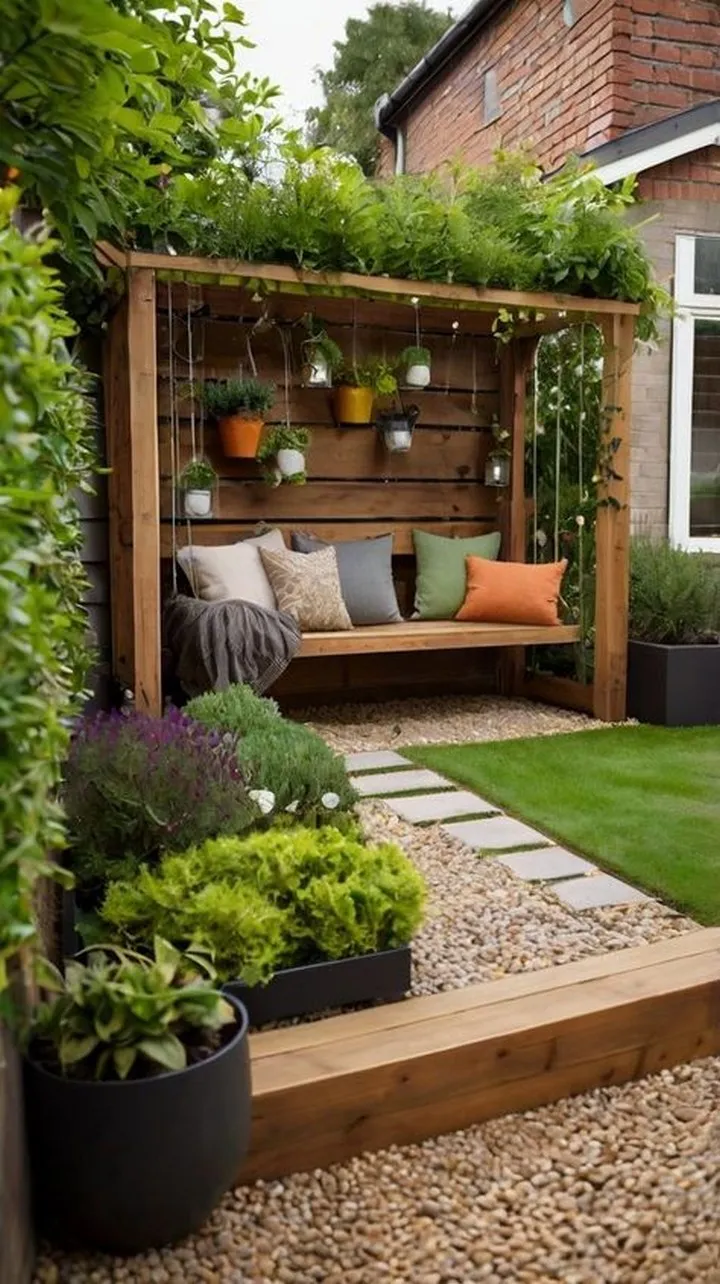
Introducing pathways, stones, gravel, or mulch breaks the monotony of greenery and provides organizational structure. These elements also enhance garden durability and ease navigation.
Functionality: Designing for Use and Enjoyment
Your garden should be as practical as it is alluring. Whether intended for social gatherings, restful solitude, or cultivating your own produce, factoring functionality into your design is key.
Comfortable Seating Areas
Incorporate seating such as benches, swings, or hammocks to create inviting spots to unwind and enjoy your surroundings.
Well-Defined Garden Edges
Use borders crafted from wood, stone, or metal to clearly delineate garden beds, lawns, and pathways, adding both aesthetic appeal and organization.
Dedicated Spaces for Edibles
For those interested in homegrown food, allocate sections for vegetables and herbs. Raised beds or vertical gardens maximize space efficiently. Easy-care herbs like basil, rosemary, and thyme are ideal starter plants.
Enhancing Serenity: Incorporate Water Elements
Water features add tranquility through soothing sounds and aesthetic interest, elevating your garden’s atmosphere.
Compact Fountains
Small, self-contained fountains are user-friendly and can be positioned centrally or discreetly to imbue calmness.
Bird Baths
Aside from attracting wildlife, bird baths serve as charming design elements ranging from rustic stone to modern styles, depending on your garden’s theme.
Maintaining Your Garden: Essential Upkeep Tips
Proper maintenance ensures your garden remains vibrant and healthy without becoming a burden.
- Watering Smarts: Provide adequate moisture without overwatering. Early morning or late evening watering helps prevent evaporation.
- Pruning Routine: Regular trimming removes dead or damaged growth, fostering plant vitality and appearance.
- Weed Control: Consistently clearing weeds prevents competition for nutrients and water, promoting plant health.
- Mulching Benefits: Mulch retains soil moisture, suppresses weeds, and stabilizes temperature, enhancing overall soil conditions.
Building your garden from scratch might seem complex, but by applying these principles—assessing your space, choosing appropriate plants, layering for dimension, and factoring in usability—you’ll create an outdoor sanctuary that brings joy and relaxation.
With clear planning, thoughtful plant selection, and a splash of creativity, your garden will evolve into a peaceful retreat to unwind, entertain, or simply relish the beauty of nature.
Enjoy nurturing your green oasis!
As an Amazon Associate I earn from qualifying purchases.