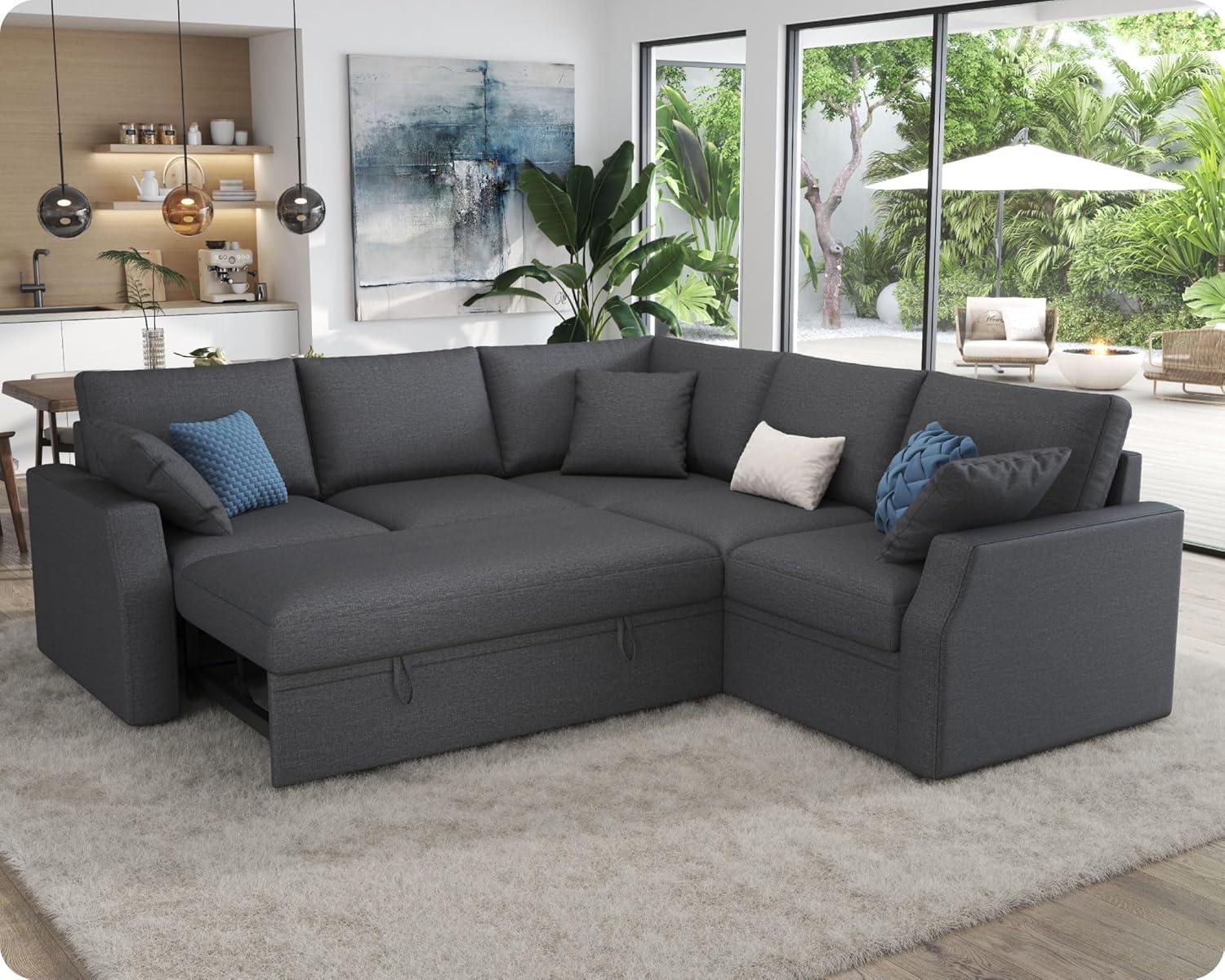
VanAcc Sofa Bed, 85 Inch: How it fits in your small space

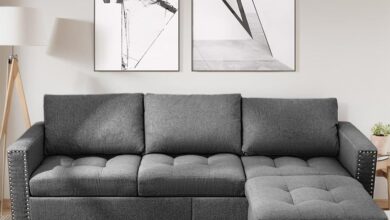
Sunlight skims the grey linen of the VanAcc Sofa Bed — the 85‑inch L‑shaped sleeper — and the weave catches with a cool, muted sheen. You press your palm into the seat and feel a firm, compact resistance rather than a plush sink. From across the room you notice its scale anchors the sitting area: a low back, squared arms, and a lift of the cushion that reveals a shallow storage well.The pull‑out bed tucks away until you ease the front rail, and the tight stitching and linen texture make the piece read as practical and lived‑in rather than decorative.
A quick look at the VanAcc 85 inch sleeper couch and what you get
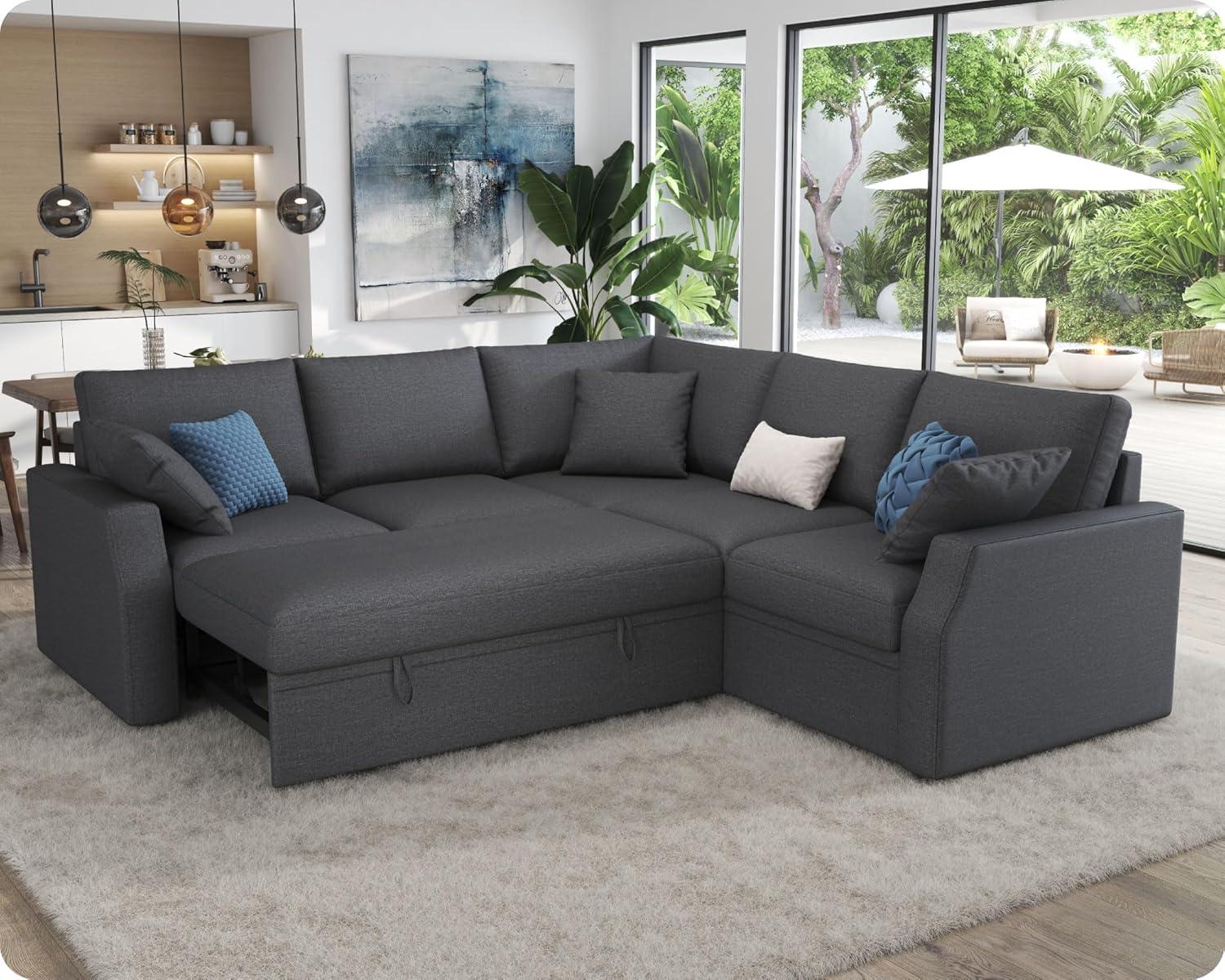
When the delivery arrives it comes in multiple cartons and you quickly learn to start on the floor — the pieces are meant to be assembled in stages. You’ll unpack a metal frame,several panelled sections for the base and chaise,a stack of loose cushions and three small throw pillows, plus a handful of larger upholstered panels that become the arms and back. The hardware is bagged and labeled; there’s a noticeable variety of screws, dowels and brackets, and the instruction sheets reference which box contains which pieces.
As you set the parts out you’ll find the storage compartment under one of the seat panels and the pull-out bed tucked beneath another.Lifting the seat reveals a shallow cavity for blankets and the mattress insert slides out with a metal track that needs a firm, even pull. While fitting the cushions in place you’ll probably smooth the fabric, nudge seams back into line and adjust the throw pillows until the surfaces sit even; the cushions compress slightly as you settle into them and the sectional joints can require a little jiggling to click together fully.
| Box | Typical contents |
|---|---|
| Box A | Base panels, metal frame pieces, labeled hardware bags |
| Box B | Arm and back panels, mounting brackets, instructions |
| Box C | Seat cushions, back cushions, throw pillows, pull-out bed components |
What you notice first when it arrives and how it fills your living space
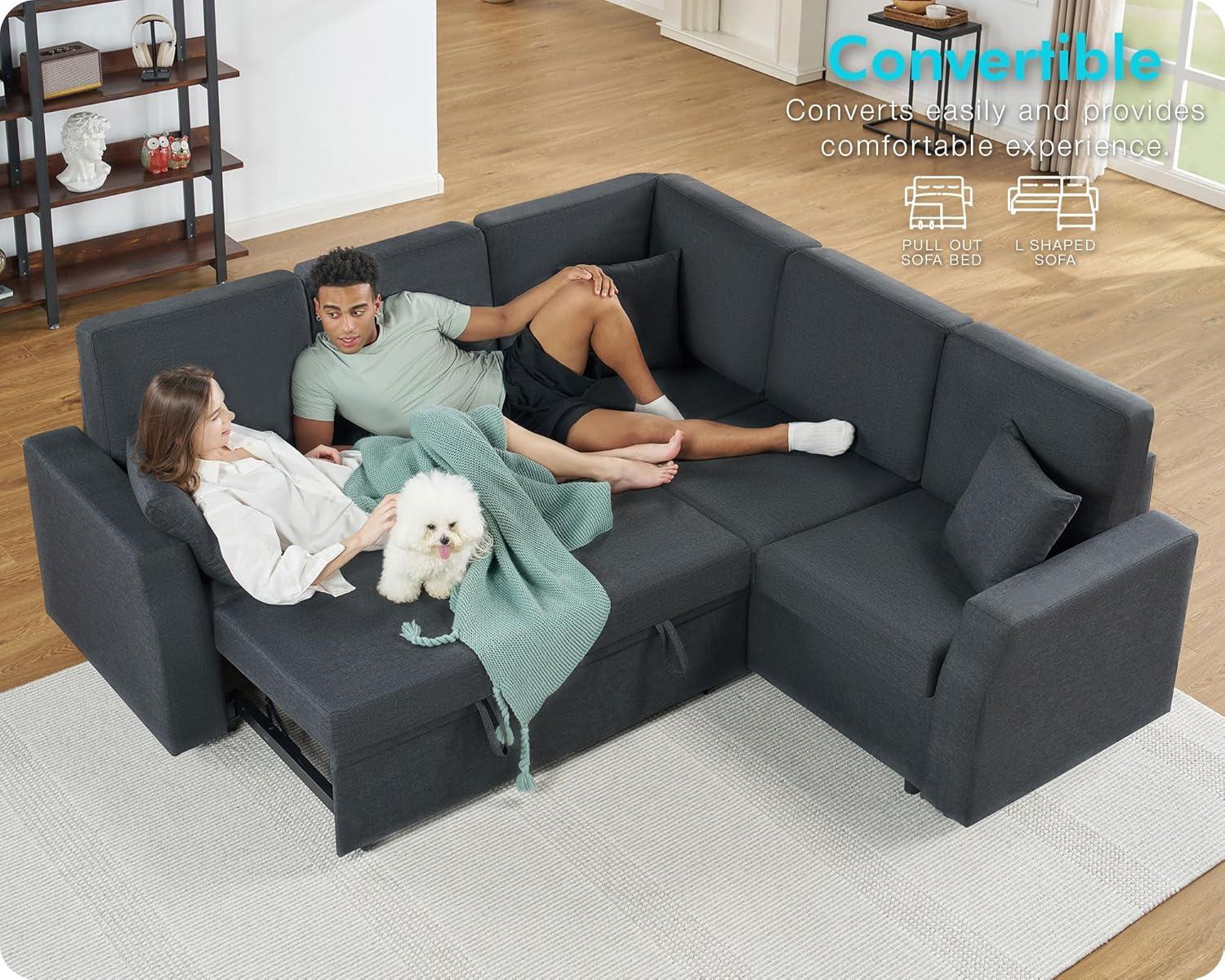
Your first glance lands on the sectional’s silhouette — the long sweep of the L that instantly defines a corner of the room. The grey fabric reads differently depending on the light,sometimes cooler and slate-like,sometimes warmer with afternoon sun; texture becomes part of the impression as your hand brushes the upholstery while you smooth a cushion or tuck a seam. There’s a sense of volume before there’s any detail: the back and arms create a low horizontal plane that redirects sightlines, and the chaise arm naturally points traffic and attention toward whatever sits opposite it.
As you move around it,small habits emerge — you pat down the seat cushions,nudge a throw pillow into place,shift across the depth to find a path — and those gestures reveal how the piece occupies usable floor space. Walkways tighten or open depending on how the sectional sits,the living area’s focal points (TV,window,coffee table) are recalibrated,and corners that were previously empty now carry weight.Below is a quick visual snapshot of the immediate impressions and the spatial effects they produce:
| What you notice first | How it fills the room |
|---|---|
| Long,L-shaped form | Anchors a corner,creates a natural seating perimeter and redirects movement |
| Grey linen texture | Changes tone with light,subtly shifts the room’s color balance |
| Low,horizontal profile | Alters sightlines and makes surrounding surfaces feel closer |
| Compressible cushions and loose pillows | Invite small,repetitive adjustments that define daily use patterns |
How the grey linen,frame,and storage seat are put together and finished
When you first run your hand over the grey linen,what stands out is how the fabric is wrapped and tacked into the frame rather than simply draped. The cover is pulled tight at the corners and tucked under the base, so seams sit along predictable lines — along arm edges, where the chaise meets the main seat, and around the cushion hems. From normal use you’ll find yourself smoothing those seams and nudging cushions; the fabric can relax a little with movement, and small puckers near seams are part of the way this construction settles in. Stitching is visible at the joins but mostly low-profile, and the hems are finished so the cut edges don’t show when you move the seat cushions around.
The sectional’s skeleton is revealed in use: metal brackets and slide-in connectors hold the main modules together, and you’ll line the pieces up and push them until they click into place. Under the lift-up storage seat the hinge hardware is mounted to a boxed support and is often spring-assisted, so once you begin to raise the lid it wants to stay open; the lid’s underside shows the attachment points and short runs of webbing or slats that support the cushion above. Screws and brackets are covered by folded fabric or small plastic caps where possible,while the visible parts — feet,glides,and connector plates — have a matte finish that doesn’t draw attention. You’ll also notice the interior of the storage bay finished in the same tone of fabric or a simple woven lining rather than raw timber, and felt pads on the feet to protect floors. over the first few weeks of use you’ll likely find yourself readjusting cushions and smoothing the linen as the fastenings settle and the overall finish softens slightly.
| component | What you’ll see in use |
|---|---|
| grey linen cover | Tightly wrapped, stitched seams, occasional small puckering with wear |
| Module connections | Slide-in metal brackets or plates that click together when aligned |
| Storage seat | Spring-assisted hinge, lined interior, visible hinge attachments under the lid |
| Underside/feet | Plastic caps or felt pads and matte-finished glides |
How the cushions sit, the seat and sleeper measurements, and how it fits your room
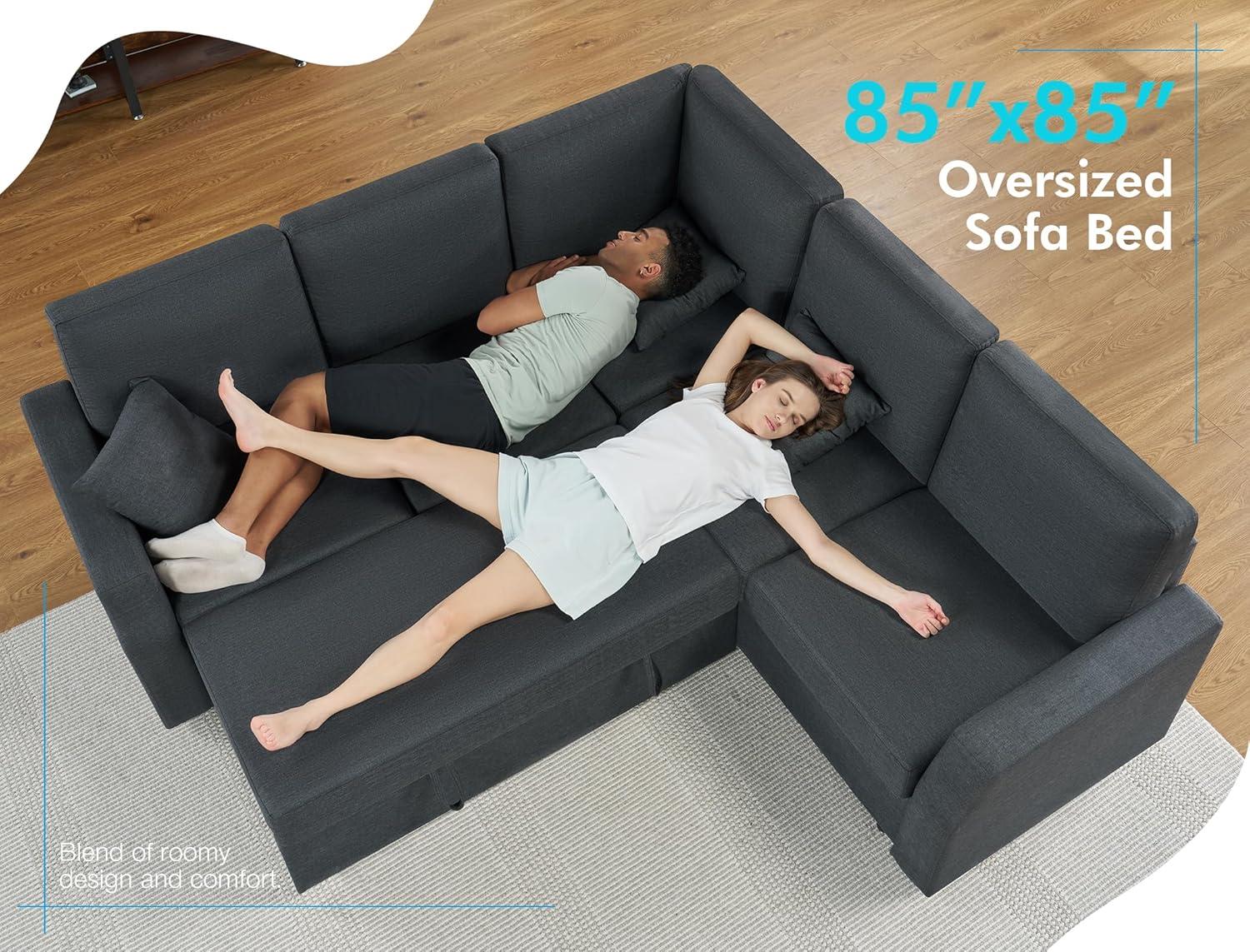
The cushions sit noticeably firm at first. When you lower yourself onto the seat the top layer gives a little, then holds — seams stay mostly taut and the back cushions push up against the frame rather than folding forward. Over the course of a few minutes the seat foam compresses by an inch or so, which makes you instinctively shift or smooth the cover; the removable toss pillows get repositioned more frequently enough than the seat pads. When the sleeper is pulled out the cushion arrangement changes visibly: the front edge of the seat lifts and the back cushions lean slightly until you nudge them back into place.
| Measured area | Approx. measurement | Observed behavior |
|---|---|---|
| Seat height (floor to top of cushion) | 15–17 in | Sits a bit low; getting on and off feels firmer than a plush couch |
| Seat depth (front to back of cushion) | 22–24 in | Depth reaches to the base of the back cushion; you tend to scoot forward for back support |
| Cushion thickness | 4–6 in | Dense feel; compresses slightly with repeated sitting and needs occasional plumping |
| Chaise length (from corner) | 54–58 in | Extends well from the corner; cover and seams shift when you lie down |
| Pull-out sleeper (sleeping surface) | Approx.70–75 in long × 50–55 in wide | When extended the sleeping surface sits lower than the seated cushions and the frame mechanics are exposed until fully opened |
Placed in a room, the sectional occupies an L-shaped footprint that hugs corners; the backrests sit close to walls so there’s little gap behind the sofa unless you pull it away. Opening the pull-out moves the front edge forward by several feet, which temporarily changes walkways and requires clear floor space in front. Using the storage compartment involves lifting the seat cushion, which momentarily shifts how the cushions sit and frequently enough prompts you to reposition the throw pillows and smooth fabric around the seams.Over several days of regular use the cushions settle a touch and you’ll find yourself routinely fluffing and tucking to restore the original lines.
How it measures up to your needs and where practical limits show
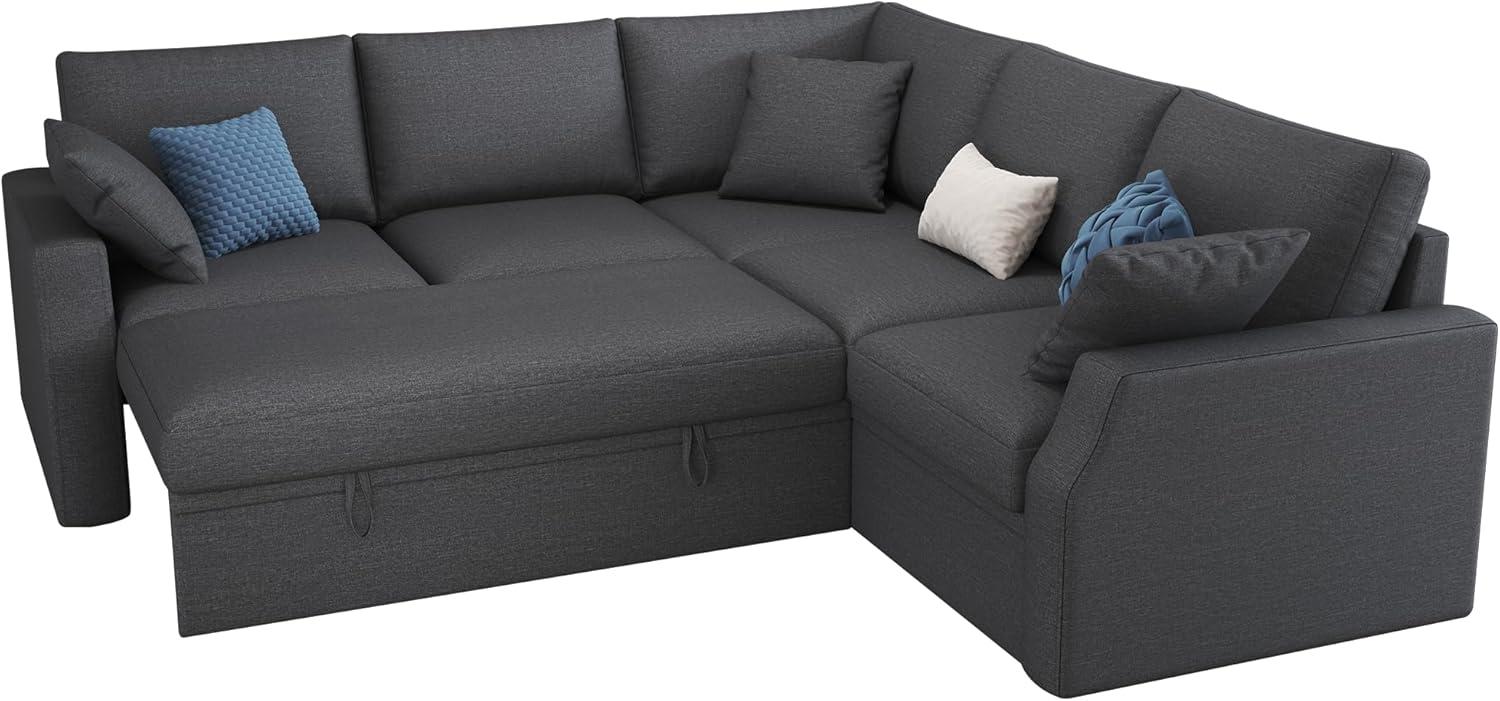
In everyday use the piece settles into a predictable pattern: it arrives feeling stiff,cushions are routinely nudged and smoothed as people settle in,and over a few weeks the seating softens unevenly. The sleeper mechanism opens and closes with a single motion and provides a flat surface quickly, though the support elements beneath the mattress can shift or need reseating during use. The lift-up seat gives straightforward access to a storage cavity that generally accommodates bedding and seasonal items without awkward contortions to reach the back corner.
Wear and strain show up in familiar ways. Seams and cushion piping can start to pull or loosen after months of regular use, and some owners report internal supports failing under heavier loads — these occurrences are intermittent rather than constant.The sectional’s joints and connectors also demand occasional attention: cushions slide, small gaps can appear between modules on certain floors, and homeowners find themselves readjusting alignment now and then as the sofa is sat on and moved. In most cases these behaviors present as maintenance tasks rather than immediate functional breakdowns, but they shape how the piece performs day to day.
View full specifications and available size and color options on Amazon
Practical notes on assembly, cleaning, and the storage mechanism as you’ll encounter them
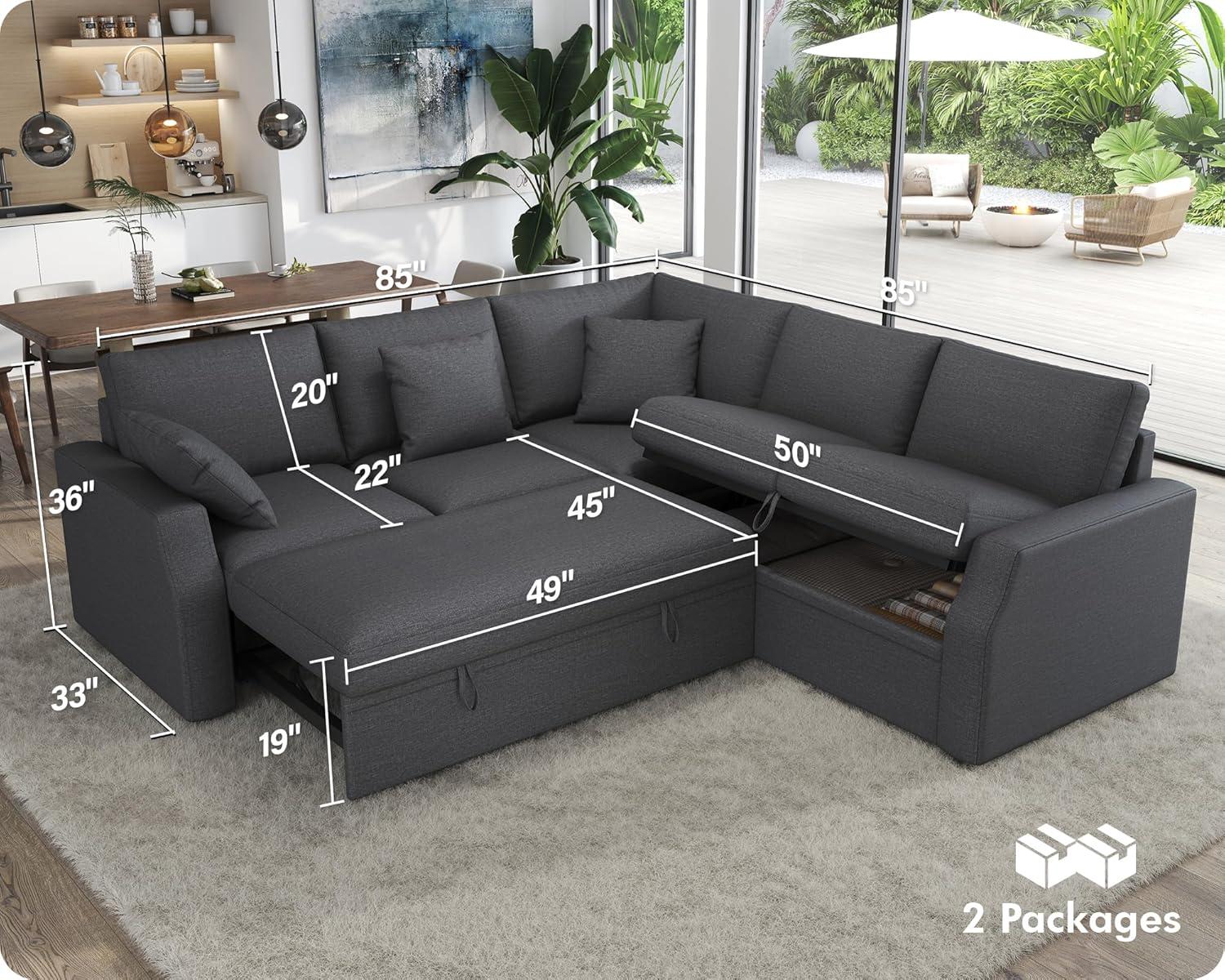
When the pieces arrive you’ll notice they come in multiple boxes and many of the small hardware bags are labeled; that organization makes it easier to match parts,though it still translates into a lot of sorting on the floor. Expect the fit of boards and brackets to feel tight as you slide sections together, and that you’ll spend a fair amount of time nudging panels, shifting seams, and smoothing fabric so things sit flush. Instructions tend to be step-by-step, but the number of parts and the snug tolerances mean the work can stretch over a few hours; at times you’ll find yourself pausing to realign holes or re-seat a connector before the next piece will drop into place.
Cleaning shows up as an ongoing, hands-on task rather than a one-off. You’ll vacuum crumbs from creases and run a damp cloth over spills; light dust and lint are most apparent along seams and where throw cushions meet the base, so smoothing and tucking cushions becomes an unconscious upkeep habit. In most cases spot treatments lift simple marks, but you may notice threads or small pulls after months of use that prompt closer inspection at the seams. As you live with it you’ll also catch yourself fluffing and shifting cushions more often than with a stationary sofa.
The storage seat reveals a roomy cavity when you lift the cushion, but the action of opening it can be uneven. Some lifts feel aided by a hinge or spring and open smoothly; others require a firmer upward motion and a bit of re-positioning of the cushion afterward. The underside shows typical assembly hardware — screws and brackets — and you can expect to check or tighten fasteners after the first few uses as parts settle. When the pull-out surface is used, slats and supports sometimes need re-seating; occasional slipping or noise from supports has been noted and tends to appear during the first handful of uses rather than immediatly.
| Task | What you’ll encounter |
|---|---|
| Unboxing & sorting | multiple boxes, labeled bags, lots of small parts to lay out |
| Assembly | tight fits, repeated alignments, several hours of intermittent work |
| Cleaning | Regular vacuuming and spot treatment; seams and creases collect lint |
| Storage access | Deep cavity; hinge action varies and fasteners may need retightening |
How It lives in the Space
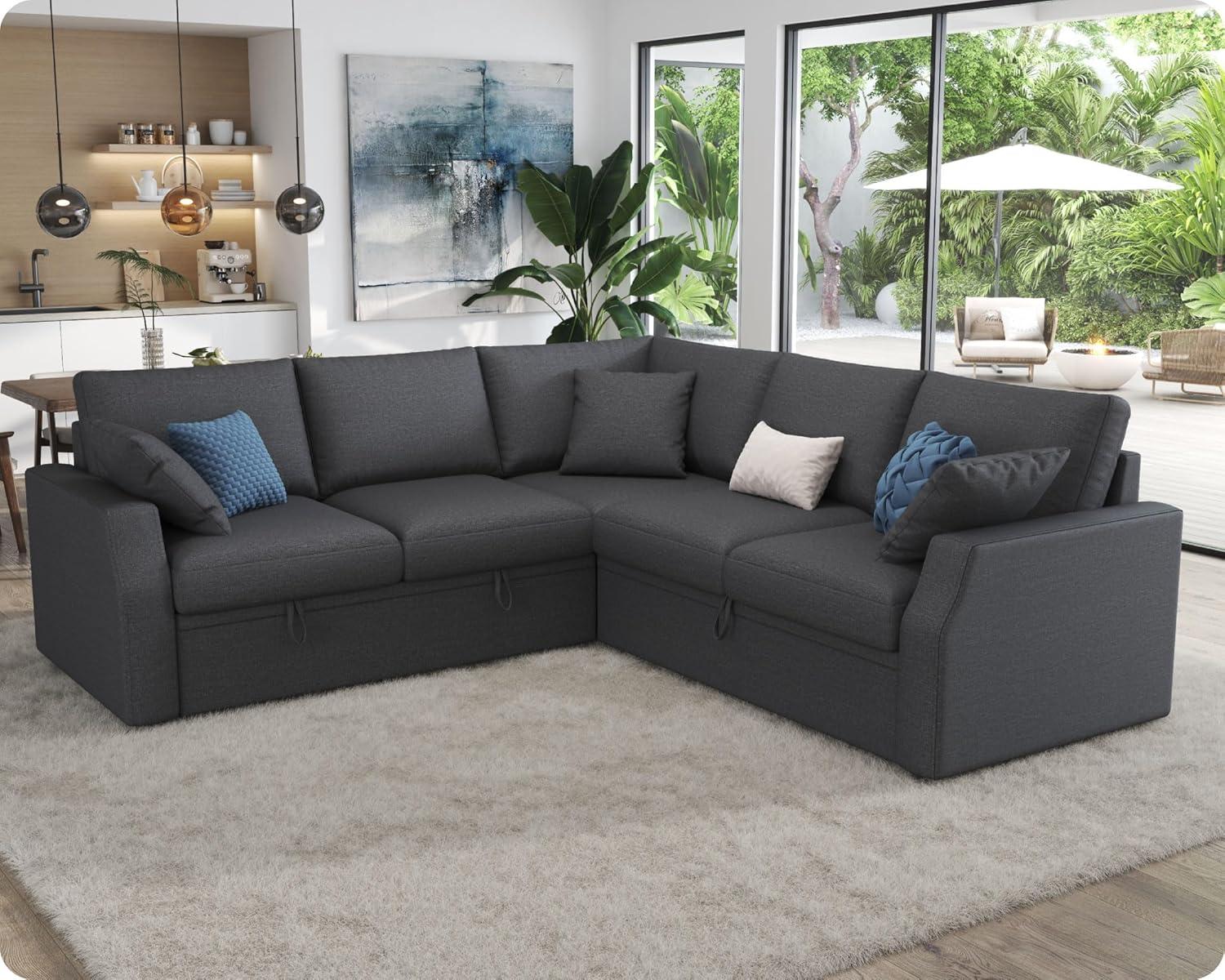
Living with it for a while, you notice how it carves out a corner of routine, nudging evening reading spots and weekend sprawls into particular places in the room. Over time the VanAcc Sofa Bed settles into the rhythms of the household — the seat softening where feet settle,the fabric taking on the small marks of use and memory. In daily routines you come to expect little habits around it: a blanket folded on the arm, the same cushion chosen after a long day, afternoons spent facing the window as the room is used. It simply stays.
As an Amazon Associate I earn from qualifying purchases.