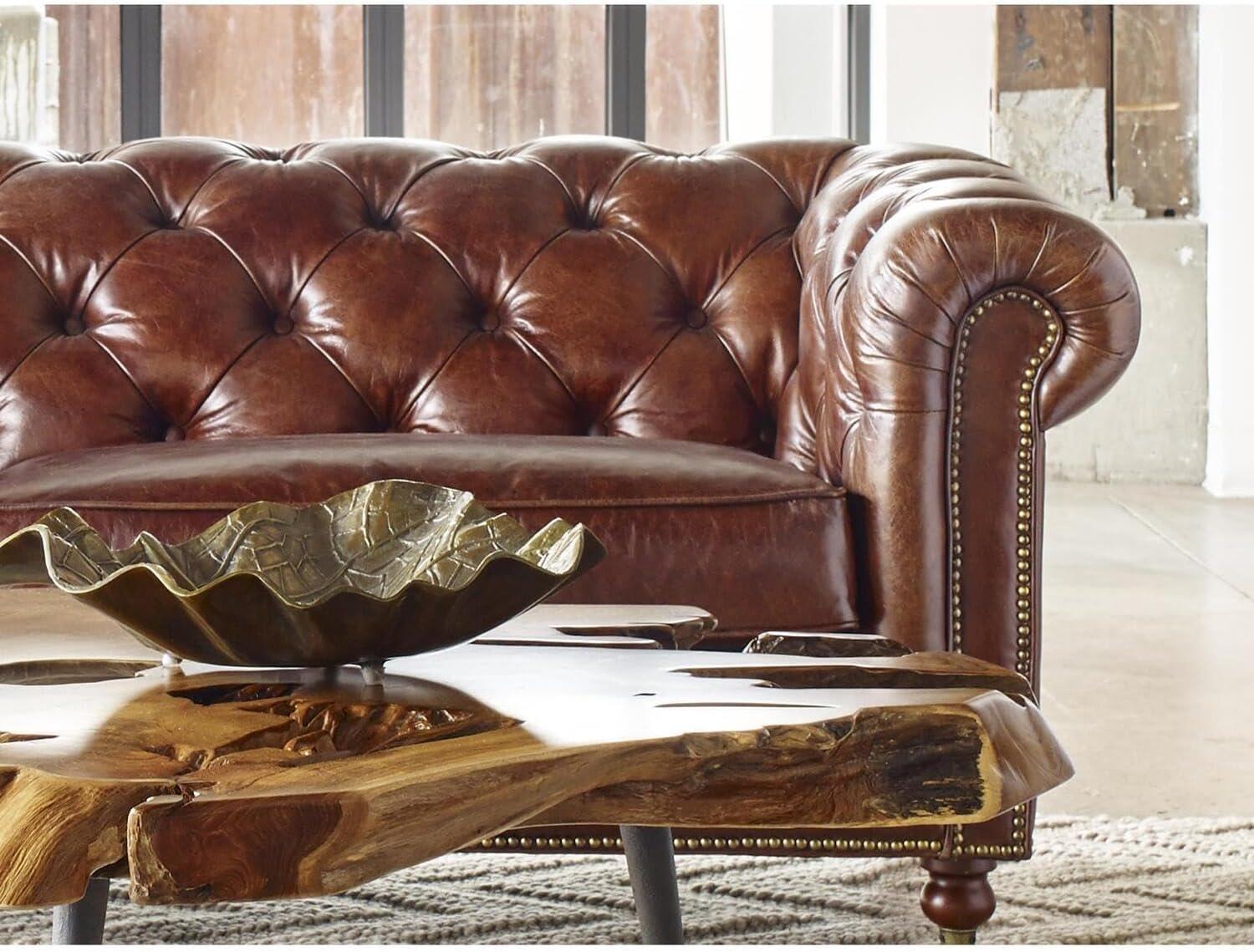
Vintage Variety Birmingham: how it fits in your living room

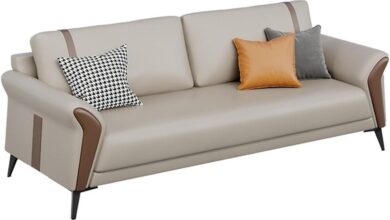
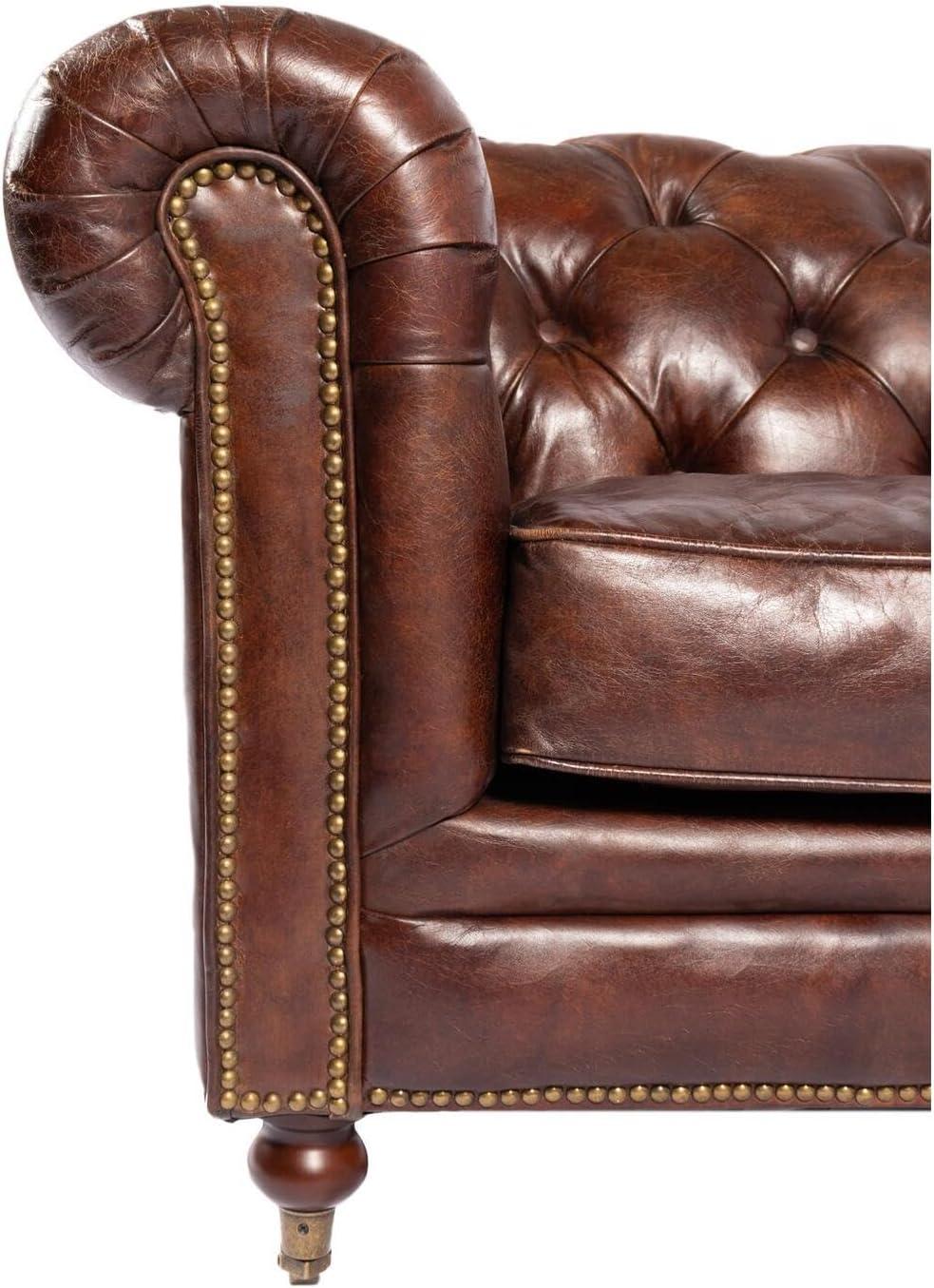
Light skimming the deep diamond-tufting makes the leather gleam, and you catch yourself running a hand along it — cool, slightly textured, with a hint of waxed patina.Vintage Variety’s Birmingham spans roughly seven and a half feet, and it’s visual weight quietly anchors the living room: the brass nailheads and small wheel accents catch the light when you pass. The seat holds a clean, steady line — removable cushions tucked in with Velcro — while the low, five-inch legs lift the form just enough to let shadow and floor show beneath. Up close, the top-grain hide and solid frame read less like a showroom piece and more like something that’s already part of your daily rhythm.
A first look at how the Vintage Variety sofa Brown sits in your living room
Placed into a living room, the sofa reads as a solid horizontal anchor: the back and arms create a continuous skyline that visually divides seating from the rest of the space. In many rooms it naturally hugs a wall or corner, but when freestanding it still frames a conversation area without appearing overly bulky. Under different light the leather surface catches highlights and the deep tufting casts shadow lines, so the sofa’s presence changes subtly through the day rather than remaining static.
When used, the piece settles into the room’s rhythms. Cushions compress and rebound with normal use, and occupants or pets tend to smooth the seating area or nudge seams back into place; the tufting and exposed details keep those movements from looking uniform. The sofa’s heft shows up in how rarely it’s shifted once positioned, and small changes — a slight tilt to a cushion edge, a crease that softens over a week of sitting — become part of how it reads in daily life rather than flaws to be corrected.
| Moment | observed effect in the room |
|---|---|
| Just placed | Strong visual anchor, crisp tufting and lines |
| After regular use | Gentle cushion creasing, seams adjusted by occupants |
| Under varied lighting | Leather highlights shift, details catch glints |
View full specifications and available size or color options
How the brown leather, modern lines and sectional silhouette shape the space
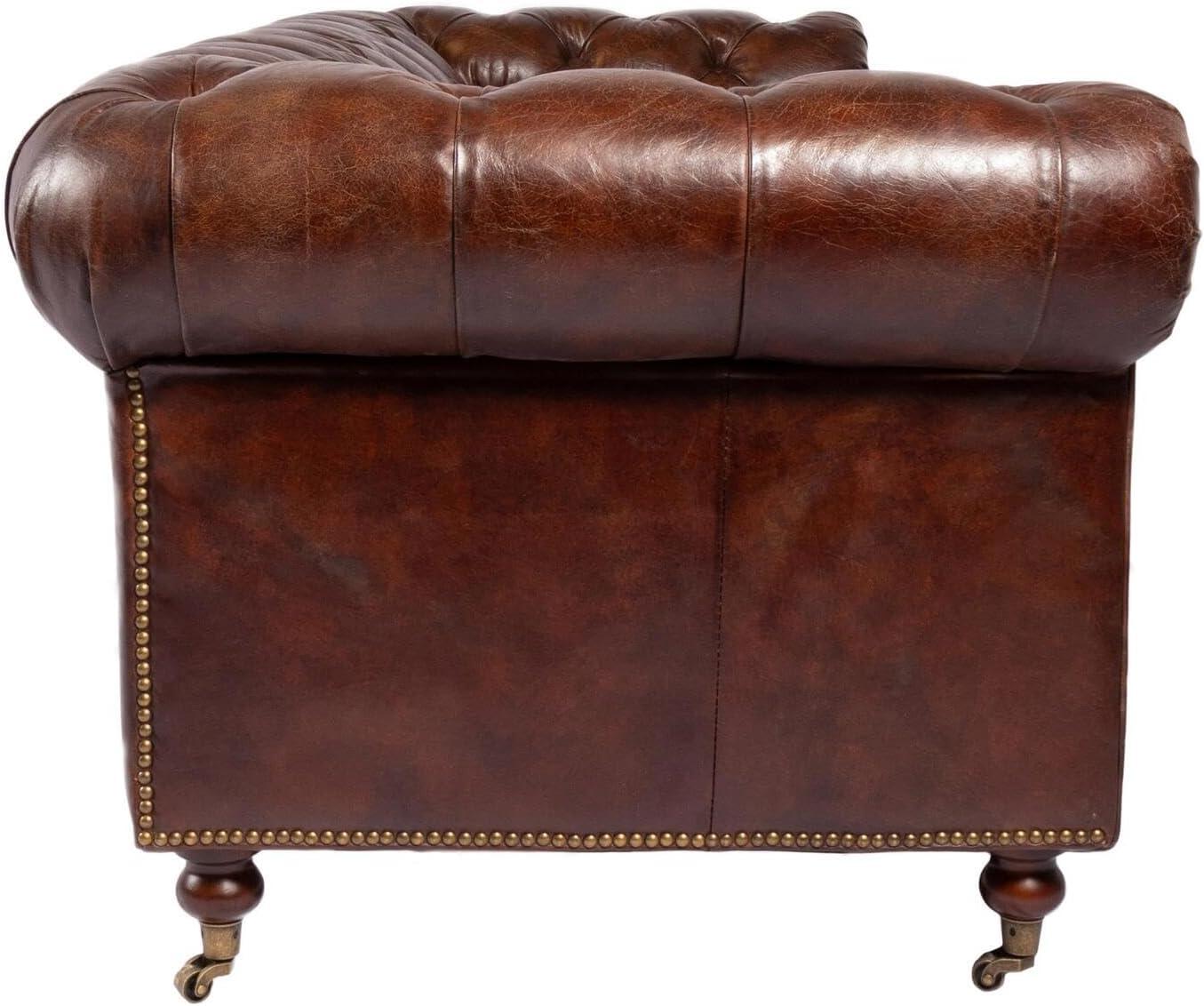
Brown leather reads immediately as an anchoring element in the room: when you pass by it, you notice the way the surface gathers light and shadow, the gentle sheen shifting where people settle most. You catch yourself smoothing the cushions or tucking a throw into a corner; seams relax under weight and small creases appear where feet rest. Those marks and the leather’s tonal depth make the sofa feel like a deliberate counterpoint to lighter walls or patterned rugs, drawing the eye without calling for extra ornamentation.
The sofa’s modern lines and sectional silhouette shape movement and sightlines more than you might expect.The straight, low profile defines a horizontal plane that other furniture and pathways respond to—people tend to skirt the outside of the L, or pause at the open end where the chaise creates a natural pause. Sitting down, you find behavior patterns emerge: one side becomes the default lounging spot, corners are leaned into, and the middle cushions are smoothed more frequently enough. In shining light the clean edges make dust and fingerprints more visible; in softer light the form reads as a solid, calming mass, setting a clear orientation for how the rest of the living area is used and navigated.
What the frame, upholstery and stitching reveal when you examine it up close
Frame
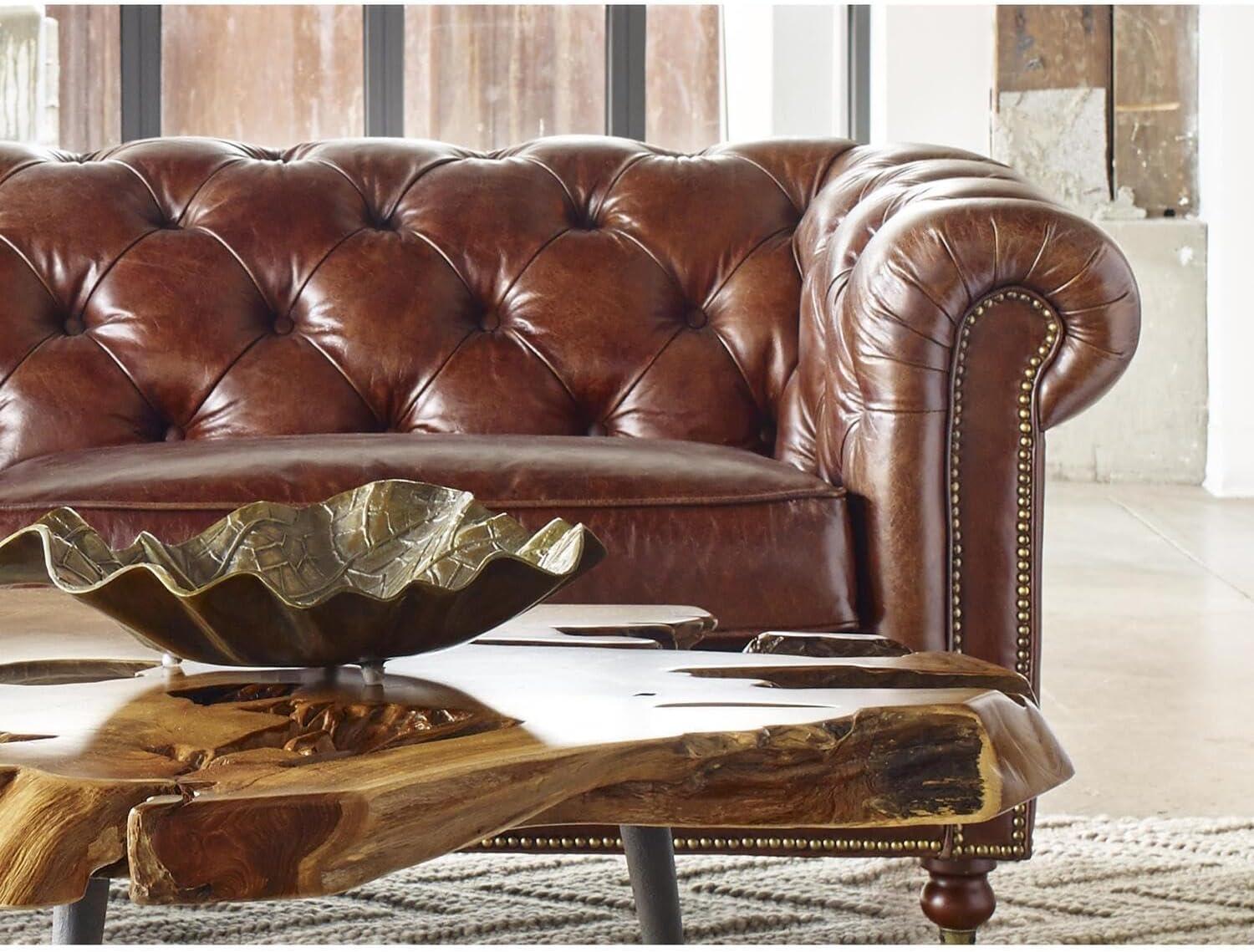
When you drop into the sofa and than slide a hand beneath a loose cushion, the structure reveals itself in movement and sound more than in sight. The seat has a short, controlled give; the springs or webbing beneath reply with a soft hollow that shifts when you change position. Turn the sofa on its side or peek under the skirt and you’ll notice glued and screwed joints, corner blocks, and a mix of running and staple lines where the upholstery is fastened to the base — not a factory-perfect blank, but the kind of solid, worked surface that shows where pressure points meet frame reinforcement. Legs sit squarely against the floor; they don’t wobble unless you deliberately rock the piece, and the way the frame resists or yields to weight tells you how the internal supports distribute load over time.
Upholstery
The leather reads like a record of use. Where you habitually rest your arm or settle in to watch a show, the grain softens and develops a slight sheen; areas that catch more contact take on shallow creases, while untouched panels hold a firmer, taut face. Run your fingers along the seat edge and you can feel minor surface scuffs and tiny color shifts where oils and light have altered the finish — they blend in, but they’re legible up close. Cushions respond to the small rituals you perform without thinking: smoothing a fold, flipping a cushion, or nudging it back into place leaves subtle impressions and faint seam lines that take a few hours to relax again.
Stitching
Seams are where construction meets daily habit. Along the arms and seat fronts the stitching tends to sit tight and even; at intersection points — corners, tuft nodes, and where panels meet — the needlework can bunch slightly or show thicker thread tension. When you press a seam or smooth a stitched edge, you may feel a tiny ridge where the thread gathers, and on closer inspection individual stitch lengths can vary a little as the material pulls differently under stress.In use, these are the places that track the sofa’s life, with faint thread fuzz, slight puckering after prolonged sitting, or the occasional pulled stitch near high-motion areas.
| Location | What you notice | What it suggests |
|---|---|---|
| Under cushions | Staples, glue lines, and corner blocks visible | Points where the frame is reinforced and where wear first shows |
| Seat face | Softening, shallow creases, occasional gloss from contact | Leather patinas with use and reacts to body oils and movement |
| Seam intersections | Thicker thread impression, slight puckering | Stress points that record repeated smoothing and shifting |
How the cushions feel when you sit, lounge or convert the piece into a bed
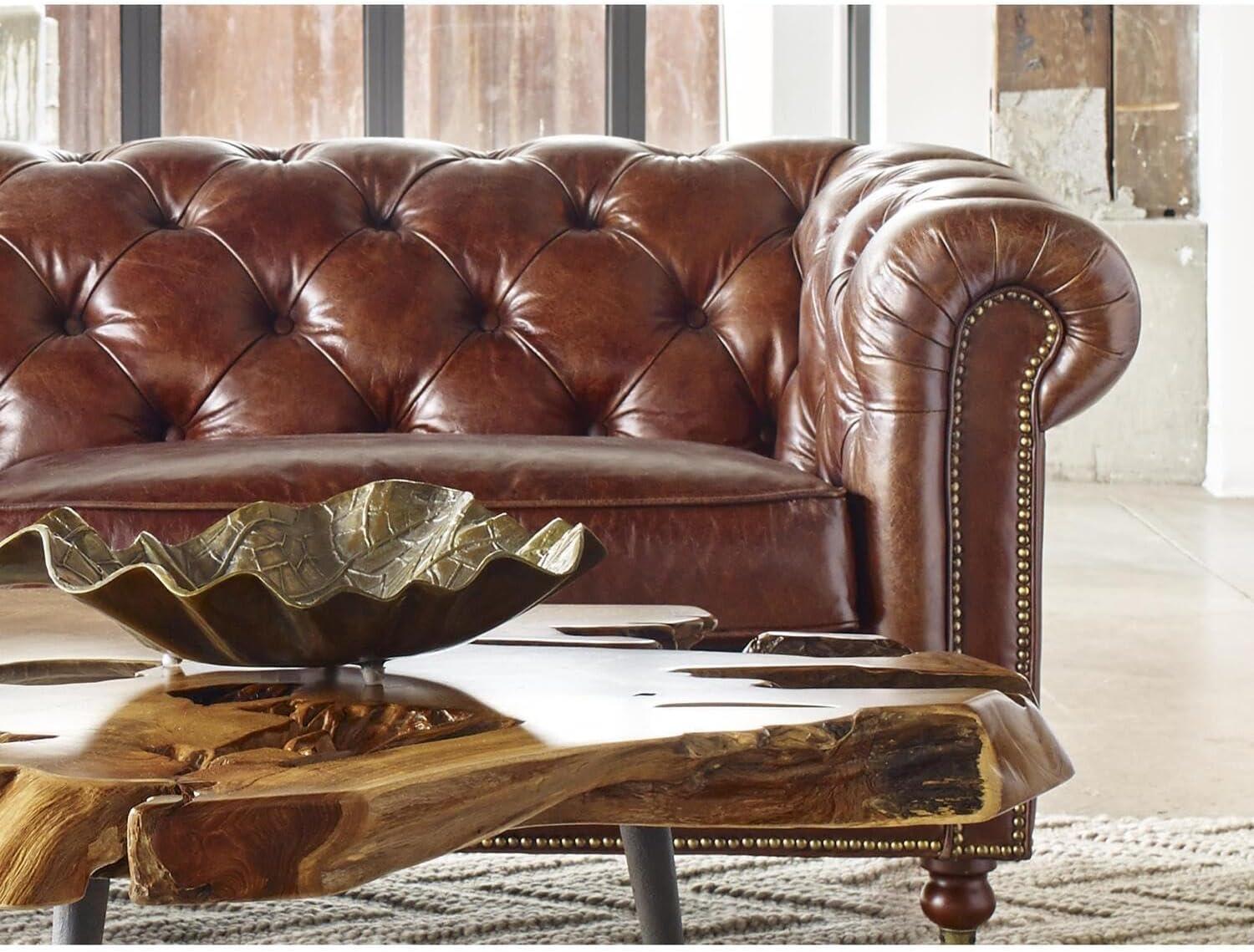
When you first sit down the cushions give a quick, noticeable give before settling into a firmer layer beneath. The top leather surface slides a little under you, then the pad compresses and holds — not a plush sink so much as a paced, contained dip. the front edge supports your thighs without feeling overly rounded; seams and tufting become more noticeable where pressure concentrates, and you’ll often find yourself nudging a cushion back into place after standing up.
As you lounge, the feel changes with small movements. The back cushions push back against you in a way that encourages subtle adjustment: you smooth the leather, shift a hip, tuck a knee, and the cushions respond by redistributing the give. Over longer stretches the leather warms and the cushions soften slightly, but the core support stays present; tufted areas can create faint pressure points if you sink directly against them. Because the seat pads are removable, there’s a tendency for them to shift or need a quick realignment during a lounging session.
Converted into a sleeping surface, the cushions read differently. laid flat they produce a more even plane than their seated profile suggests,yet a shallow seam or join is often perceptible along the middle — a soft ridge rather than a hard gap in most cases. The surface feels firmer overall than a typical mattress; pressure redistributes across the pads but the center can compress a touch more with prolonged use. You’ll likely adjust and smooth the cushions once or twice to reduce curling at the edges, and small movements while you settle may reveal slight resistance where the leather meets stitching or tufting.
| Use | First contact | Support over time |
|---|---|---|
| Sitting | Quick give, then contained support | Stable; cushions may need repositioning after getting up |
| Lounging | Leather slides then warms to the body | Softens slightly; tufting can create faint pressure spots |
| Bed | Flatter plane with a perceptible seam | Firmer overall; center compresses a bit with time |
Where this sofa meets or falls short of your everyday needs and expectations
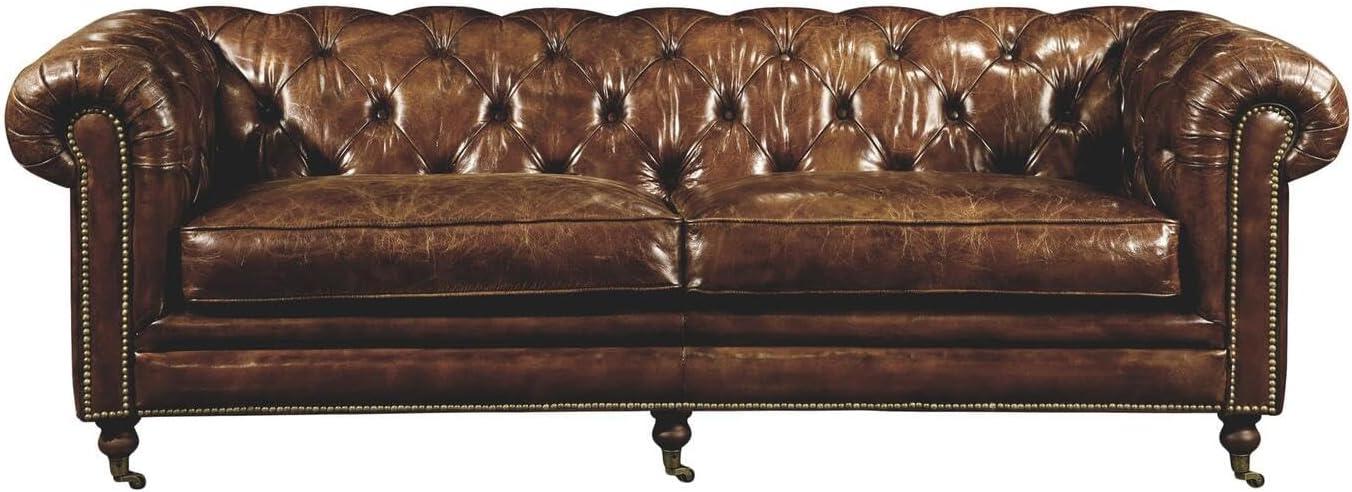
In everyday use the sofa reads as a solid, deliberate piece rather than something that yields quietly. Sitting down tends to feel anchored: cushions return resistance, and occupants frequently enough shift position a few times before settling. The diamond-tufted back keeps its shape during short stretches of use, though the tufts can trap crumbs or pet hair between sessions and usually prompt a quick finger-through or a soft-brush routine.Cushions that are attached with Velcro will lift away with a small tug during cleaning or when someone slides over, and they typically need a few nudges to sit perfectly aligned again—smoothing and re-tucking becomes an unconscious habit after a week or two of regular use.
As the sofa ages in daily life, the leather shows the kinds of changes that come with touch and movement: subtle creases at high-contact points, a slightly warmer surface where people rest their arms, and occasional scuffs that pick up light differently than untouched areas. The frame’s heft gives a sense of permanence when repositioning; moving the piece is usually a two-person effort and often leaves impressions on carpet until it’s settled. Spills frequently enough bead briefly on the surface but demand prompt attention to avoid leaving a mark, and the deep seat corners created by the tufting can collect small debris over time, prompting periodic vacuuming or a quick hand sweep.
| Everyday moment | Observed behavior |
|---|---|
| Quick afternoon sit | immediate support with minimal sink-in; people tend to flatten the seat with their weight and then re-fluff the cushion edge |
| Extended TV session | Back tufting maintains contour, but occupants shift for lumbar comfort and may rest a throw or pillow to fill the lower back gap |
| Cleaning/maintenance | Cushions detach easily enough for access, but folds and seams require attention; nail-head trim and tufting demand a bit more patience when wiping down |
View full specifications and available color options on Amazon
Sizing and placement for your space: dimensions, circulation and delivery notes
The sofa’s physical footprint is straightforward: an overall width of 89 inches and a depth of 38 inches produces a wide, shallow rectangle in plan, while the 30‑inch overall height and 19‑inch seat height set its vertical presence in the room. Cushions are removable via Velcro, which alters how the piece behaves while being moved — cushions can shift or come off and then rest against the frame until resettled. The frame and mass of the piece make it feel substantial when it’s being positioned; the listed item weight is 174 lbs and the 5‑inch leg height leaves a modest clearance beneath the base.
| Measurement | Value |
|---|---|
| Overall width | 89″ |
| Overall depth | 38″ |
| Overall height | 30″ |
| Seat height | 19″ |
| Seat depth | 20.5″ |
| Leg height | 5″ |
| Item weight | 174 lbs |
Circulation in the room changes once the sofa is in place: you’ll notice how the 38‑inch depth reaches into walkways and how the 89‑inch width can dominate short walls. Many living arrangements leave a clear band between the sofa’s front edge and nearby surfaces; in practice that band tends to be around the width people can walk through comfortably, so plan the arrangement to allow people to pass without brushing the leather. The 5‑inch leg clearance gives a small cavity for vacuum or mop heads and can make the bottom appear slightly lifted rather than flush with the floor.
On delivery, the lack of required assembly simplifies setup, but the sofa’s mass and full dimensions affect handling. Cushions detached by Velcro might potentially be removed during entry and then reattached, and the overall width and height are the key measurements to compare with doorways, stair turns and elevator interiors. the piece often feels less flexible while being rotated through tight corners; doors and tight landings tend to be the points where a single large measurement really matters.
A Note on Everyday Presence
After months of regular use, the Vintage Variety Sofa Brown, Modern Sofa, Leather Sofa, Upholstered Sofa, Sectional Sofa, Couch, Contemporary Sofa, L-Shaped Sofa, Sofa Bed for Living Rooms settles into the room’s rhythms more than it claims space, softening edges of the original arrangement. You see how cushions give a little in the places you favor, how the surface picks up small marks and smooths in others, and how the L-shape quietly shapes movement as the room is used in regular household rhythms. In daily routines it becomes a familiar spot for reading, drifting off, or sorting through the day’s small tasks, folding itself into habit rather than asking for attention. Over time it blends into everyday rhythms.
As an Amazon Associate I earn from qualifying purchases.