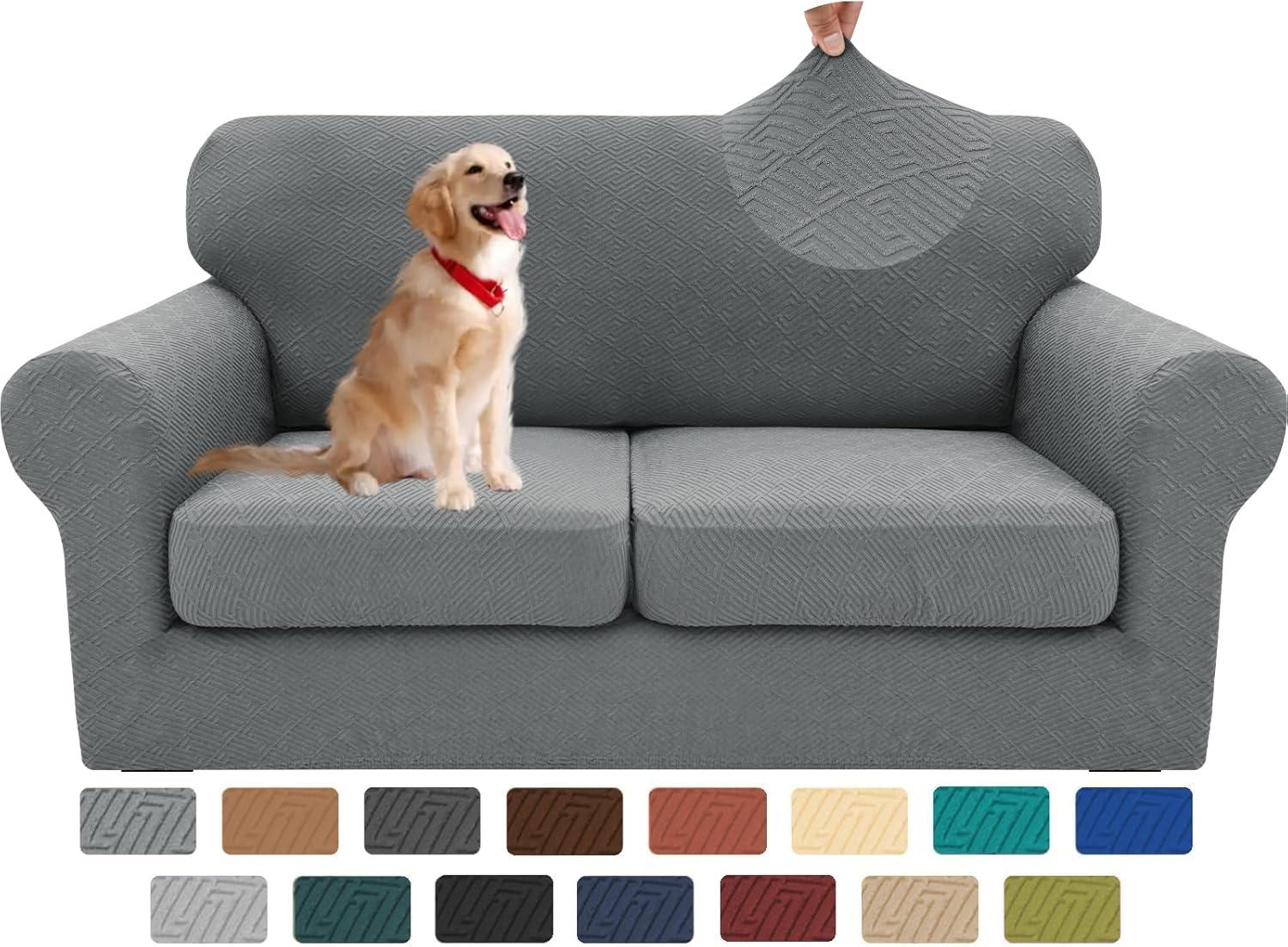
XINEAGE 2025 3 Pieces Couch Covers – refresh your loveseat

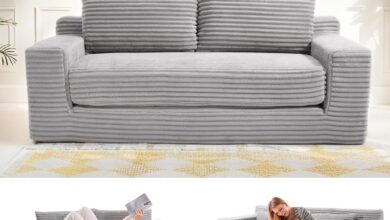
Slide your hand across the back and the jacquard pattern catches the light, a faint raised maze that reads more like upholstery than a simple throw. Place it over a two-cushion loveseat — XINEAGE’s 2025 three-piece cover in light gray (listed for 55–69″) — and you’ll see it settle into a fitted shell, the separated cushion pieces making the seat look more tailored than baggy. The polyester-spandex knit gives when you press, then springs back, with enough visual weight to mask an older fabric without hiding the sofa’s lines. In late afternoon the gray leans a touch cool, and you’ll notice pet hair and lint nestling into the weave rather than rolling off. Once smoothed and tucked the hidden straps keep the hems steady, though a speedy brush of a fingernail can catch tiny pulls in the texture. In a lived-in room it reads as an intentional refresh — soft to the touch, subtly patterned, and immediately present in the space.
What you notice first in your living room about the XINEAGE three piece slipcover for your two cushion love seat
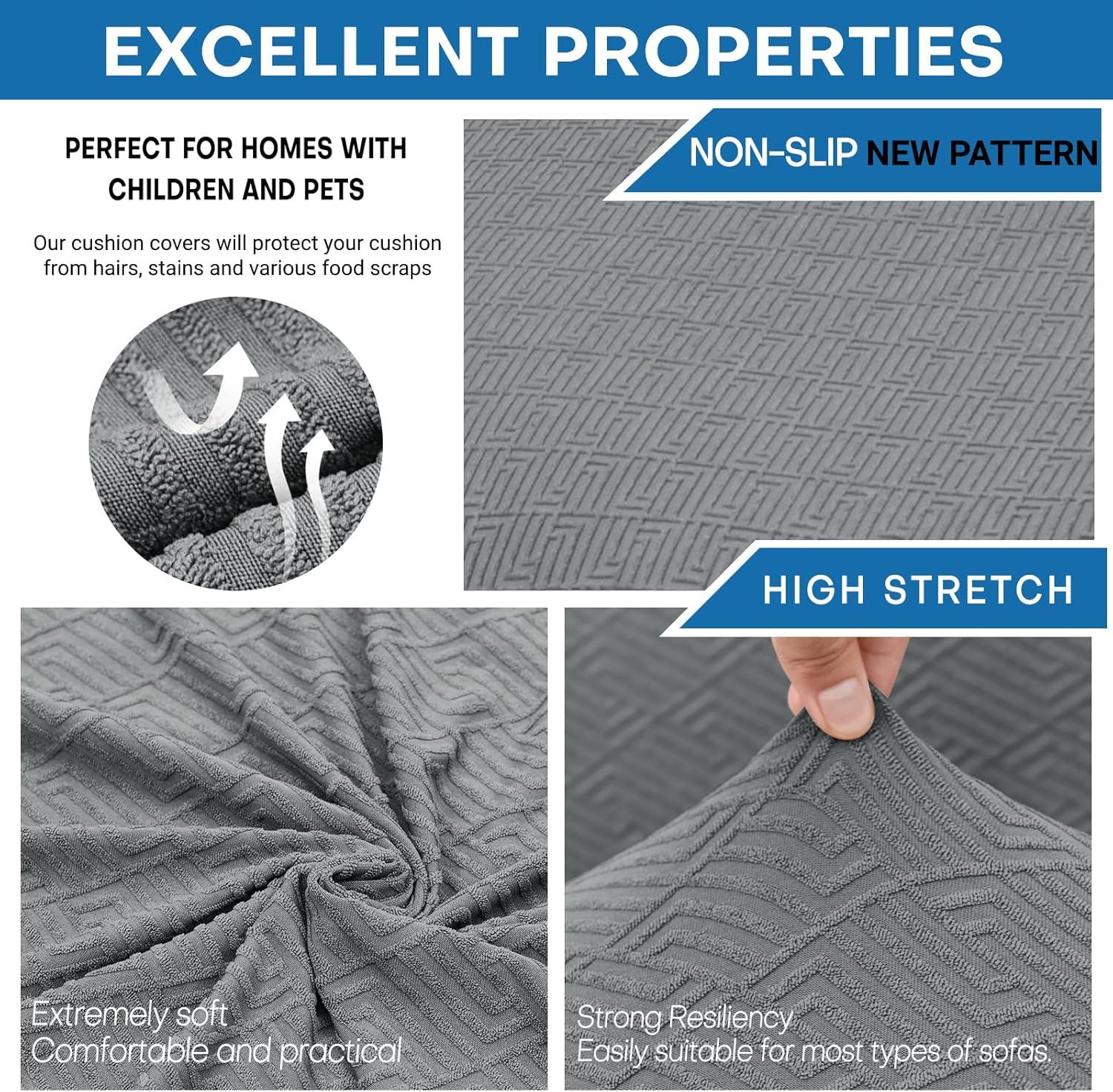
The first thing you see when you walk into the room is how the loveseat’s outline has changed — the separate cushion covers give each seat a defined edge, so the sofa reads as a series of tidy blocks rather than one draped mass. From across the room the color looks even and muted; up close, a faint geometric texture catches the light and breaks the flatness, so what might have looked like a simple cover has the visual weight of upholstery. The seams where the cushion pieces meet are visible without being sharp, and the fabric sits close enough to the frame that the original couch shape is still easy to make out.
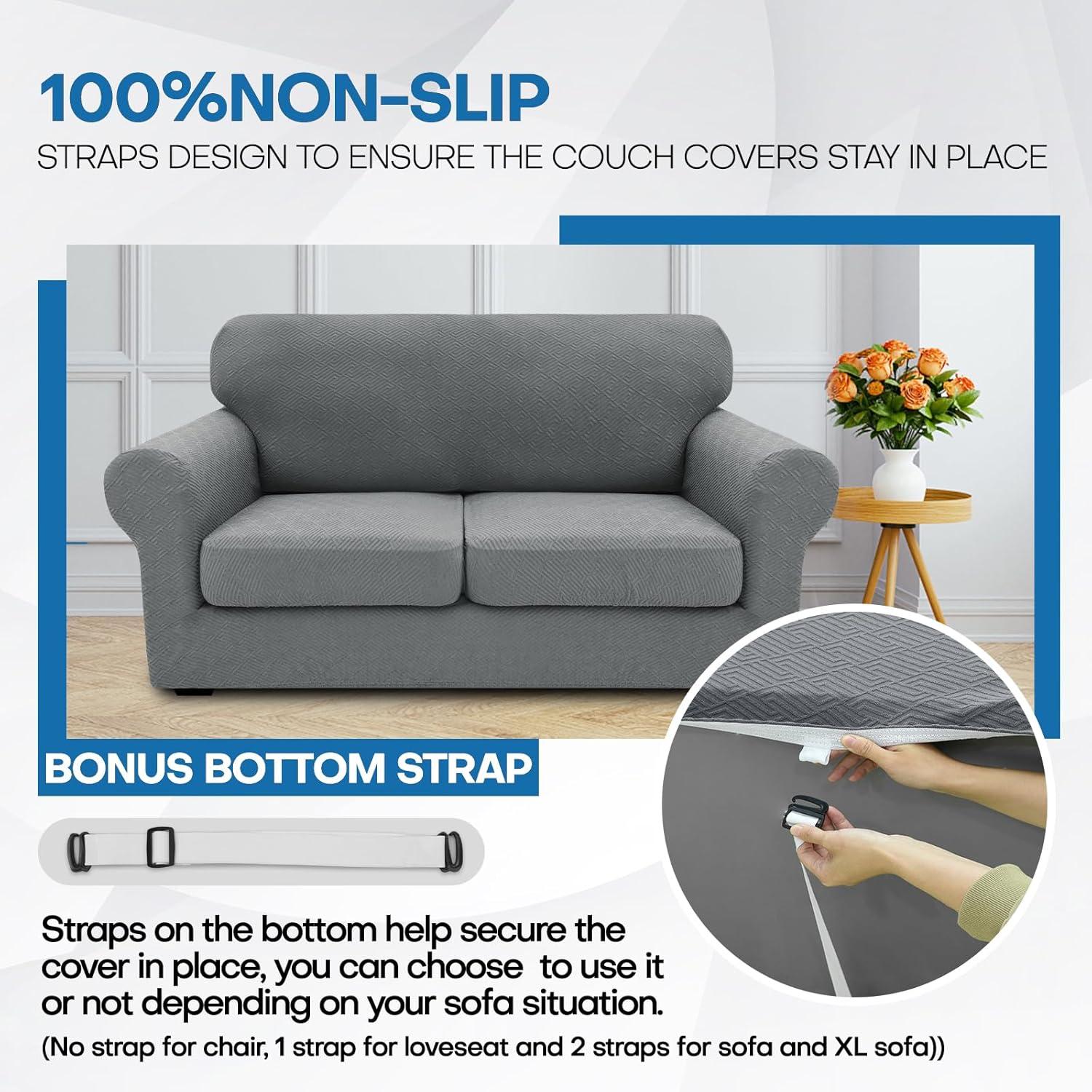
Almost immediately you reach to smooth a tuck or shift a seam — a small, habitual motion that draws attention to how the material behaves when someone sits down or moves a cushion.The edges near the arms and the lower hems show the moast movement, and you’ll notice tiny creases form in the same spots after people have been up and down. Light brushing with your hand highlights the nap and the pattern differently depending on the angle, and if you glance underneath you can see how the cover is secured; small straps and tucked flaps peek out and explain why the cover generally stays aligned with the loveseat’s frame.
How the color and cut settle into your space and alter your sofa silhouette
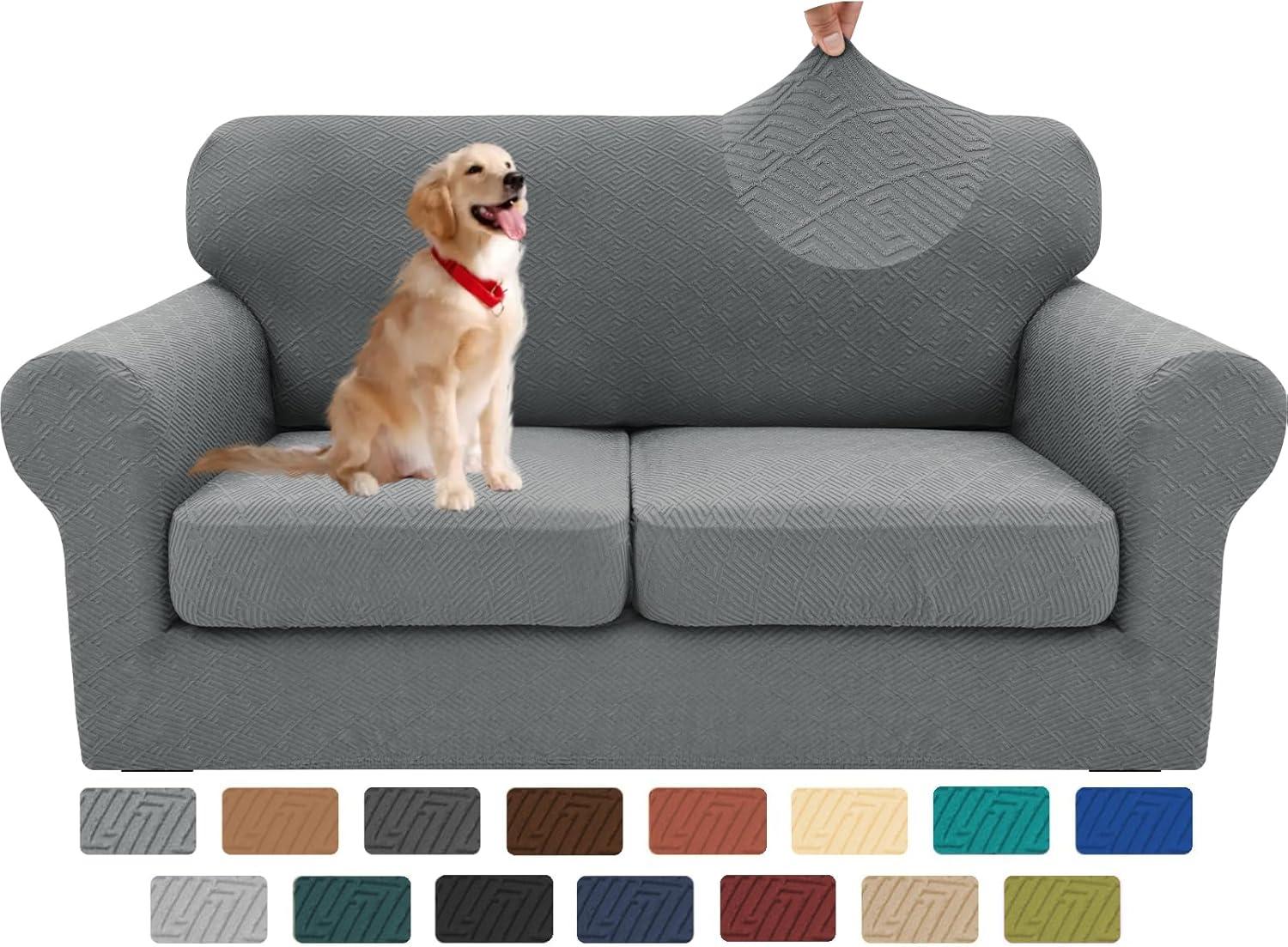
The light-gray tone reads differently as the room’s light changes: in bright daylight it leans neutral-to-cool, while under warm evening lamps it can take on a faint blue-gray cast. Fabric pull and tuck amplify those shifts — stretched across a cushion the color looks slightly deeper, while loose folds catch highlights and read paler. Over time the color tends to mellow where hands and bodies make regular contact, creating subtle banding of slightly darker, more lived-in patches along seat edges and armrests.
The three-piece cut changes the sofa’s silhouette in a few consistent ways. With separate cushion covers the profile appears more articulated; seams and elastic edges trace the original cushion borders so the couch keeps much of its underlying shape rather than smoothing into a single sloped mass. When the covers are tightly tucked the result is a slimmer, tailored outline that follows the couch’s lines closely. If the fabric is left with extra slack or migrates after use, seams may bunch at the corners and the silhouette becomes softer and a little puffier. Habitual adjustments — smoothing the top seam, re-tucking at the base, nudging cushions back into place — subtly reshape the look from day to day.
| Lighting condition | Perceived color shift | Effect on silhouette |
|---|---|---|
| Natural daylight | neutral to cool gray | Shows true fit and any tension lines |
| Warm incandescent/LED | Softer, slightly bluish-gray | Softens edges; fabric appears smoother |
| Low evening light | Muted, uniform gray | Silhouette reads flatter, less detail |
Observed trade-offs are subtle: tighter installation emphasizes the couch’s original angles and seams, while a looser drape camouflages sharp lines but creates small folds that change the perceived depth.Over weeks of regular use the cover settles, and the interplay of light, stretch, and routine smoothing gradually defines how the color and cut inhabit the space.
See full specifications and color options
The fabric beneath your hand what you feel in stretch weave and seams
When you glide your hand across the surface, the cover gives a little before it springs back — a subtle elasticity you feel more than see. Your fingers trace the faint, raised pattern of the weave; it’s not slick but has a slightly textured, maze-like grain that catches at the pads of your fingers. Along the cushion faces the fabric feels smooth and even, then becomes firmer where panels meet: the seams register as thin ridges under your palm, a stitched line that doesn’t disappear when you smooth the cover down.
As you fuss with the cushions — tucking excess fabric, nudging a seam back into place, stretching the edge under the frame — those stitched edges frequently enough guide where the fabric wants to fold. The hems and elastic bands feel denser, a springy band when you pull them to adjust; the seam intersections can pucker just enough to be noticeable to the touch. With repeated use you’ll sense the fabric settling: it stretches into the contours of the cushions,the weave loosening slightly where you rest most,and tiny surface changes like fine pills or small pulls can appear along high-friction areas or near the seams for some users.
How you measure and fit it to your seat and how the anti slip details behave during installation
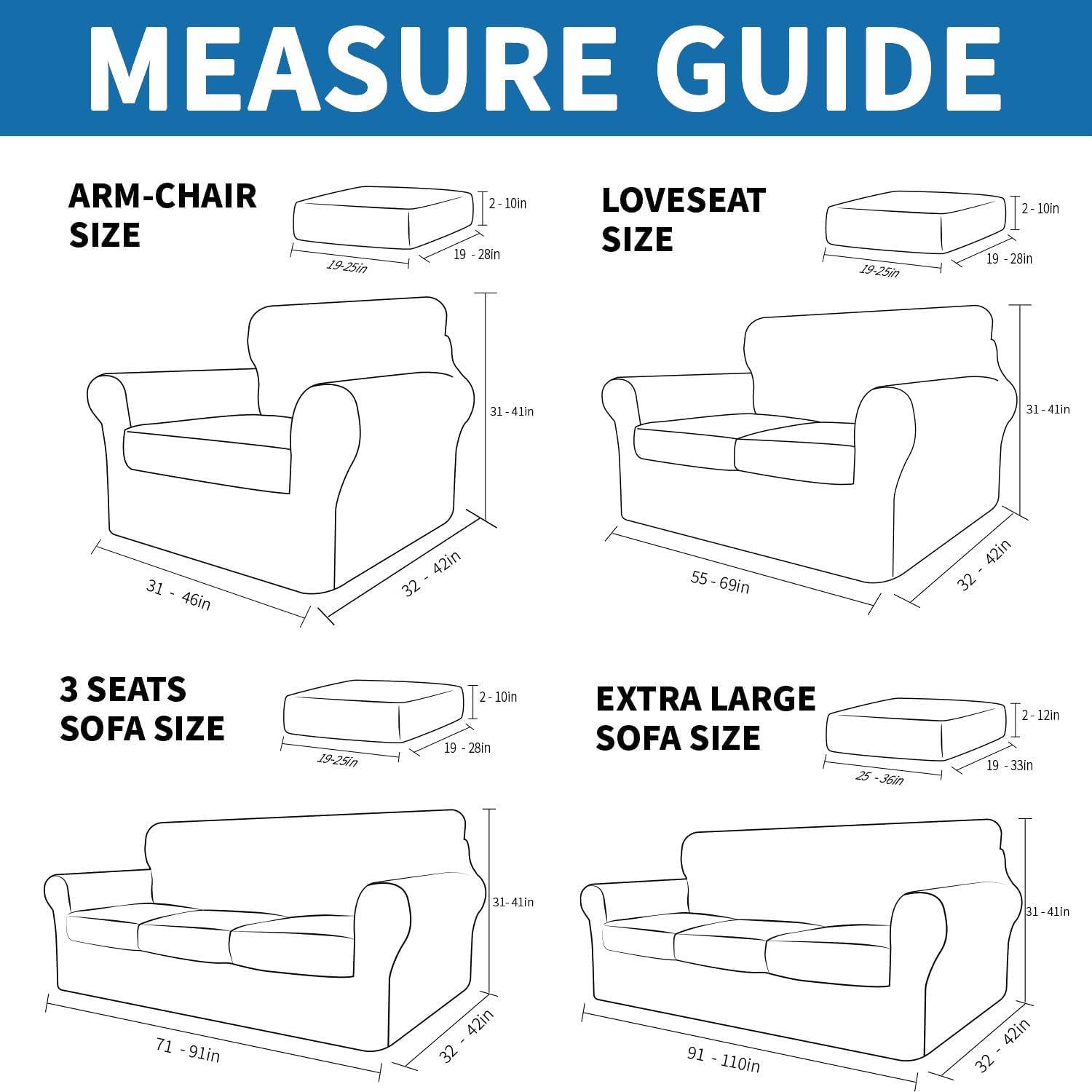
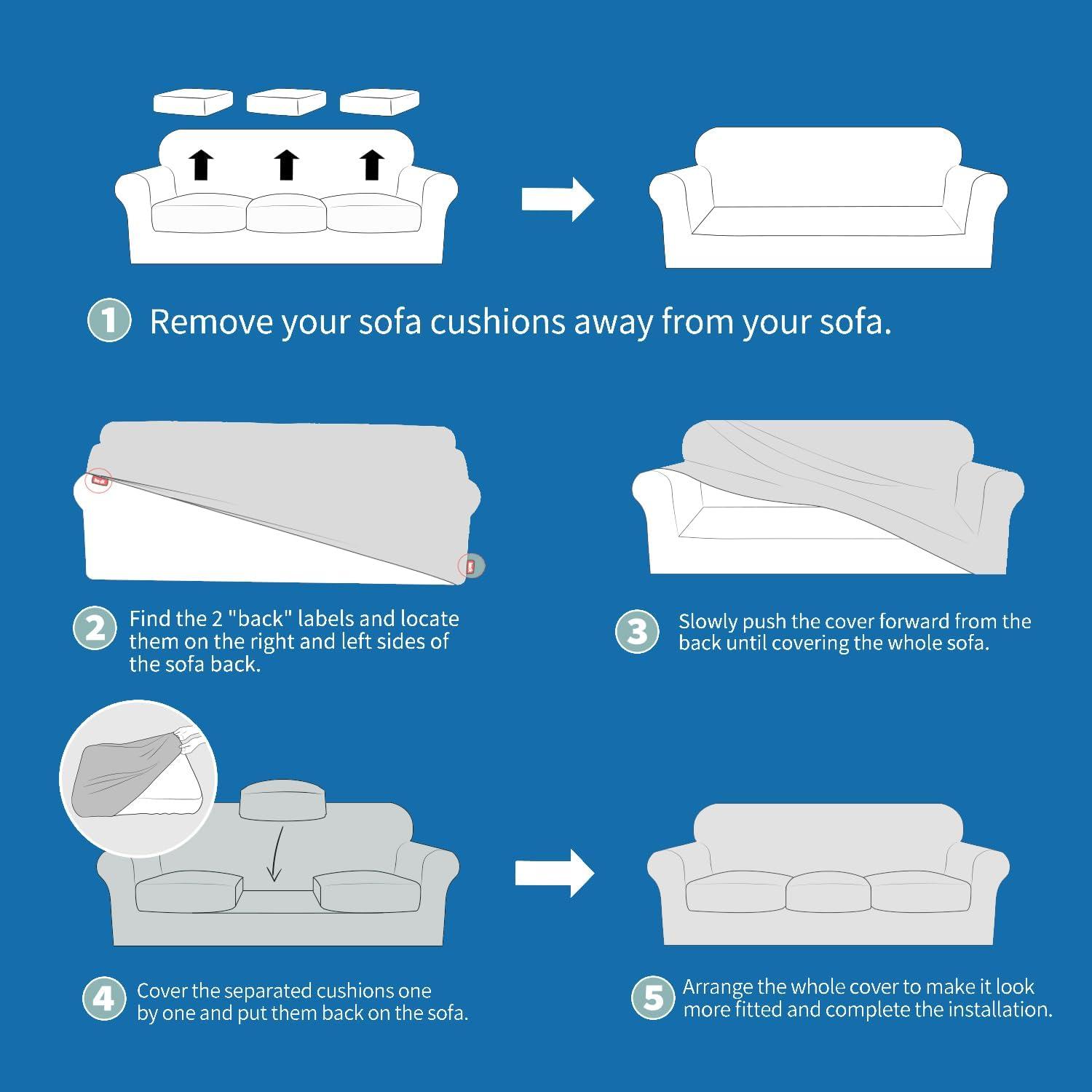
before you start, lift the loose cushions and take a few quick measurements: the span between the inner arms, the front-to-back seat depth, and the height from seat base to the top of the back cushion. Remove any throw pillows or loose throws that might catch while you pull the pieces on. As you work, slip the main body of the cover over the frame first, then fit the separate cushion covers one at a time — pulling the fabric over corners, smoothing seams with your hands, and tucking excess into the gap between seat and back. It’s common to find yourself smoothing and re-tugging the edges, nudging seams into place, and readjusting the cushions a couple of times until the pattern lines up and the fabric lies flatter.
| What to measure | Where to measure |
|---|---|
| Seat width | Inner arm to inner arm |
| Seat depth | Front edge to the back cushion seam |
| Cushion thickness | Top surface to base of cushion |
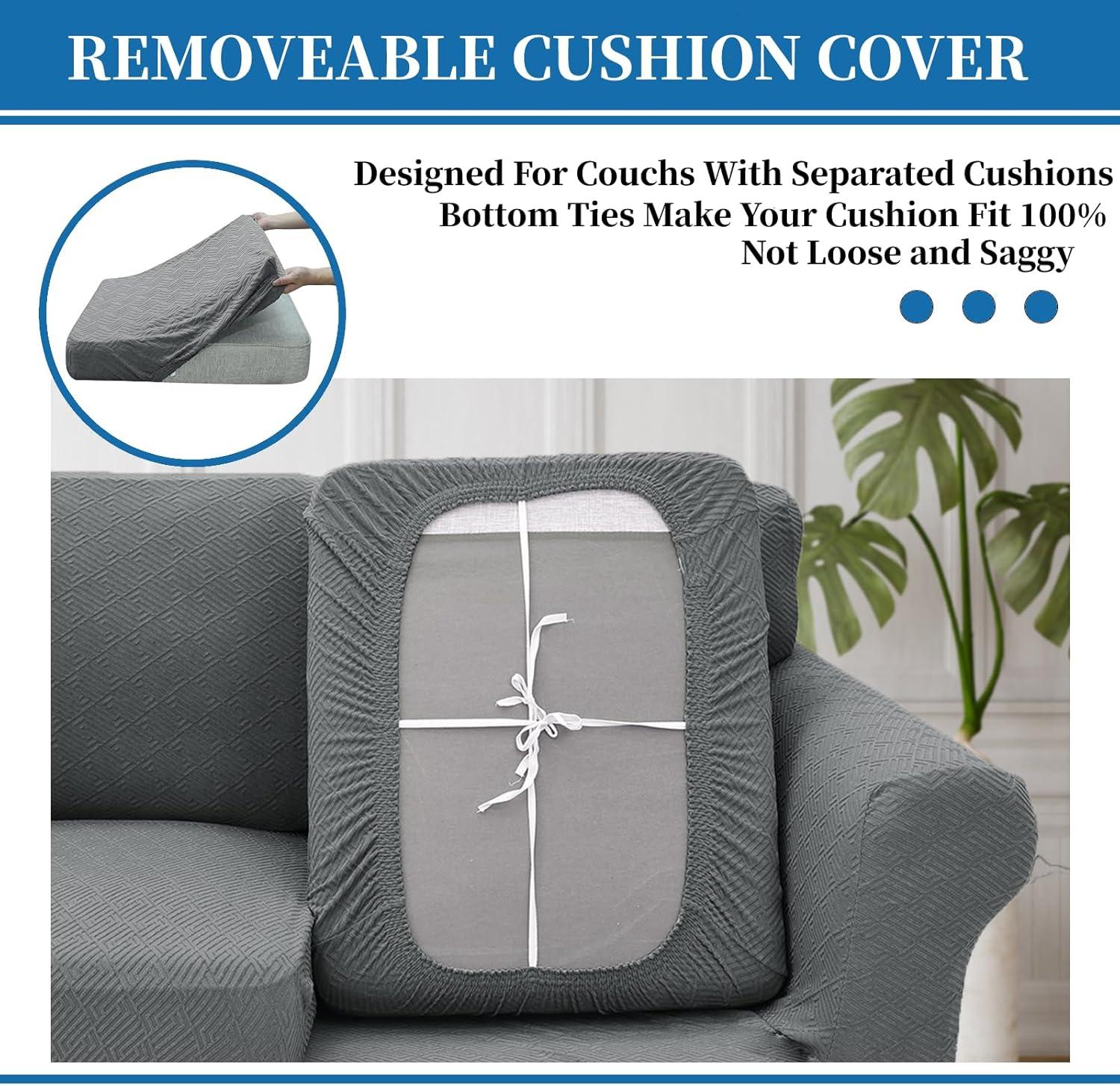
The anti-slip elements — the elastic hem, the under-seat straps, and the cushion ties — behave differently during installation. The elastic hem typically slides under the base and sits snugly against the frame; many observers note that it provides immediate tension that keeps the cover from ballooning up as you pull the cushions into place.The straps are usually routed beneath the cushions and clipped together; they can feel fiddly at first and often require a couple of attempts to position so they lie flat and don’t twist. Cushion ties tend to disappear into the cushion crevice once tied, helping the individual pieces stay aligned. In practise, people report that these features reduce shifting but also that small adjustments — retucking a seam or tightening a strap — are part of the first day or two of use as the fabric settles and household traffic resumes.
| Anti-slip detail | How it behaves during installation |
|---|---|
| Elastic hem | Tucks under base and creates even tension; may need smoothing after cushions are set |
| Under-cushion straps | Clipped beneath cushions to anchor cover; can require repositioning to lie flat |
| Cushion ties | Tied into crevices and usually hidden once cushions are replaced |
Minor, ongoing adjustments — nudging seams, re-tucking fabric into gaps, and straightening cushion covers after sitting — are part of normal use. The initial install often feels like a few iterative moves rather than a one-time perfect fit, and the anti-slip attachments tend to show their value once the covers have been smoothed and the clips settled under the cushions.
View full specifications and size/color options
How it wears when your pets and family use the couch day to day
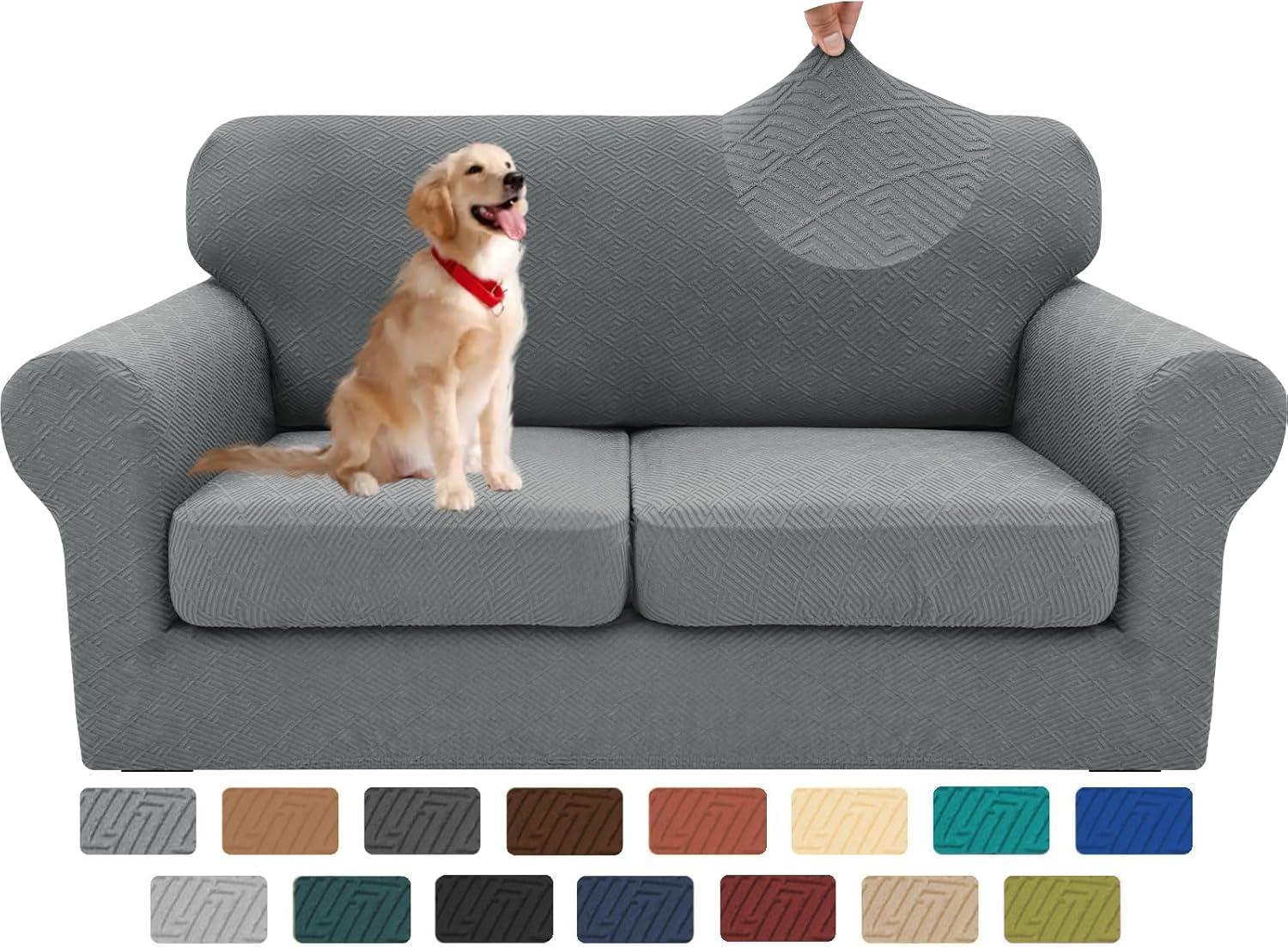
In everyday use the cover shows itself as practical rather than pristine. Pet hair clings to the knit and can work into the weave so that simple brushing or a lint roller often removes most of it but not all; hair embedded in seams or the textured pattern can be harder to extract.Cats’ claws and anything that snags tend to produce pulls or tiny holes relatively quickly in some homes, while regular sitting and shifting leaves more subtle signs — slight stretching over the front edge, softening where people most often land, and occasional bunching at cushion joins that gets smoothed out during normal adjustment.
Movement changes its shape more than its color. The separate cushion pieces make the set sit more like tailored upholstery, so cushions generally stay defined rather of collapsing into one baggy sheet, though the seams between cushions are natural gathering points and may need a quick tuck after heavy use. The elastic edges and straps do reduce slipping, but they don’t stop the small, unconscious readjustments that happen when people sit, slide, or three kids clamber over the loveseat; over weeks that can show as looser fabric at the corners or mild creasing across the seats. Washing removes most surface soils and family-sourced odors, but repeated cycles and frequent abrasion accelerate pilling in high-traffic spots and can make the fabric feel slightly thinner over time.
| Timeframe | Typical signs in daily use |
|---|---|
| First week | Hair accumulation, quick settling-in, occasional minor shifts at seams |
| First month | Visible pilling beginnings on high-contact areas, some stretching at edges |
| After multiple washes | Firmer removal of stains but increased softening and more pronounced pills or pulls for some households |
wear appears situational: high-traffic cushions and pet claws reveal the most change, while tucked and less-used sections remain relatively unaffected. Observations across users tend to show small,progressive signs rather than sudden failure,with routine smoothing and occasional re-tucking forming part of the normal upkeep.
See full specifications, sizes, and color options on Amazon
How it measures up to your expectations and where you might encounter limits
Common use patterns show the cover settling into a near-custom look once cushions are adjusted and excess fabric is tucked. In everyday use it tends to sit snugly around cushion edges, with the separate cushion pieces helping the set read more like upholstery than a single draped sheet. Movement — people shifting, getting up, or pets jumping — often prompts a quick smoothing or a nudge at the seams; straps and tucks usually restore the original fit, though repeated readjusting is a typical part of live use. Over time the surface can pick up hair and lint that weaves into the knit, and areas that see frequent friction may soften or show small pulls rather than staying factory-smooth.
Observed limits emerge in specific scenarios. On sofas with pronounced arm and frame shapes the cover can leave small gaps or ride up along the sides, and very active pets have been known to create snags or holes sooner than casual wear would suggest. Multiple washes can require re-tucking and a little patience to bring back the initial tautness, and color tones sometimes read slightly different in certain lights after laundering. These behaviors are common across repeated, real-world use and tend to define how the cover performs versus initial expectations.
View full specifications, sizes, and color options
How the Set Settles Into the Room
Over time you notice the XINEAGE 2025 New 3 Pieces Couch Covers for 2 Cushion Sofa Super Stretch loveseat Slipcover Pet Dog Worldwide Slip Cover anti Slip Love Seat Furniture Protector (Light Gray, 55″-69″) stops announcing itself and simply fits into how the room is used. It shifts with everyday sitting, softening where people pause and flattening in the spots that get the most use, picking up the tiny frays and surface marks that come from regular household rhythms. In daily routines it becomes a quiet, everyday presence—holding a folded blanket, catching a stray pet hair, lending a softer edge to familiar comings and goings. It stays.
As an Amazon Associate I earn from qualifying purchases.